

Rare Oriental Shorthair Colors and Their Appeal
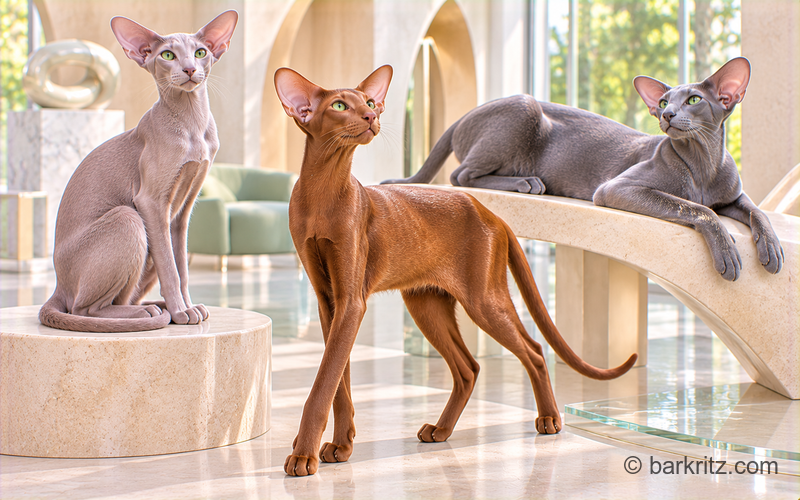
With its elongated silhouette, oversized ears, almond-shaped eyes, and remarkably diverse coat palette, the Oriental Shorthair is one of the most visually distinctive members of the modern feline world. While the breed is celebrated for its elegant appearance and lively personality, its extraordinary range of colors is equally captivating. From delicate lavender and cool blue to warm cinnamon, rich chocolate, and unusual patterned combinations, each coat creates a different expression of the breed’s unmistakable refinement.
Unlike breeds associated with a narrow selection of traditional colors, Oriental Shorthairs are available in an extensive variety of solid shades, patterns, and color combinations. Some are familiar favorites, while others are less commonly encountered and particularly admired by enthusiasts who appreciate distinctive feline aesthetics.
Yet color is only one part of the appeal. The Oriental Shorthair’s sleek coat, graceful physique, expressive features, and engaging temperament give every shade a unique character. Understanding the breed’s color possibilities makes it easier to appreciate the artistry of its appearance without overlooking the qualities that make the cat such a remarkable companion.
Which Rare Solid Colors Make Oriental Shorthair Cats So Distinctive?
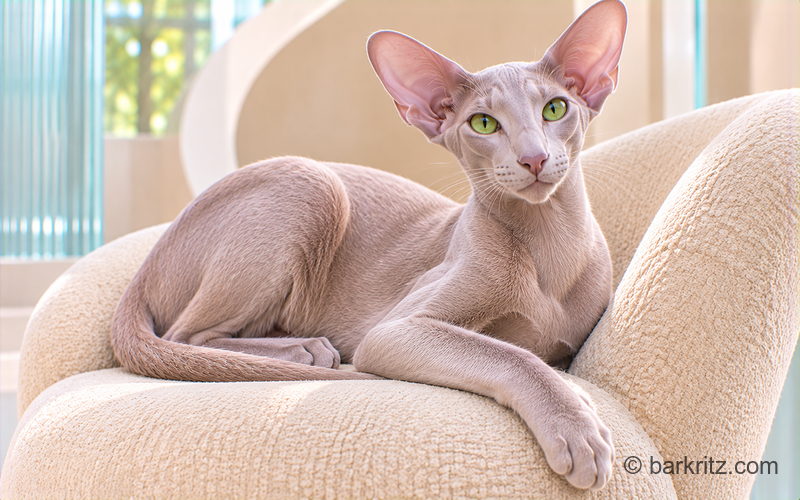
The most distinctive solid Oriental Shorthair colors include lavender, cinnamon, fawn, and caramel-toned variations, each creating a different visual impression against the breed’s sleek, close-lying coat.
Solid Oriental Shorthairs have a uniform coat color from root to tip, without visible tabby markings or contrasting points. Their short, fine hair reflects light beautifully, allowing subtle differences in tone and texture to become particularly noticeable.
Among the shades that attract special attention are:
- Lavender: a delicate, cool pinkish-gray with a soft, almost frosted appearance.
- Cinnamon: a warm reddish-brown shade that can resemble polished cinnamon wood.
- Fawn: a pale, muted beige with gentle pink or warm undertones.
- Chocolate: a rich, warm brown that creates a striking contrast with vivid green eyes.
- Blue: a sophisticated slate-gray shade with cool undertones and a subtle silvery impression.
- Caramel: a warm, diluted-looking shade associated with particular color-genetic combinations.
Lavender is especially admired for its understated appearance. Its delicate gray-pink character can look almost silvery under natural daylight, while indoor illumination may reveal warmer undertones. Cinnamon offers a more saturated impression, bringing warmth and depth to the Oriental’s elegant silhouette.
Fawn is particularly subtle, often appearing as a soft beige with a gentle pinkish cast. Its understated character makes it visually different from the richer chocolate and cinnamon shades.
The appeal of these colors is enhanced by the breed’s distinctive physical structure. A long, tubular body, fine-boned legs, wedge-shaped head, and large ears create an elegant outline that allows the coat to remain the visual focus.
Color availability can vary between breeding lines and registries, and not every uncommon shade is equally established across all breeding programs. Prospective owners should therefore look beyond rarity alone and consider responsible breeding, health, temperament, and pedigree.
What Makes Oriental Shorthair Tortoiseshell and Smoke Patterns So Unusual?
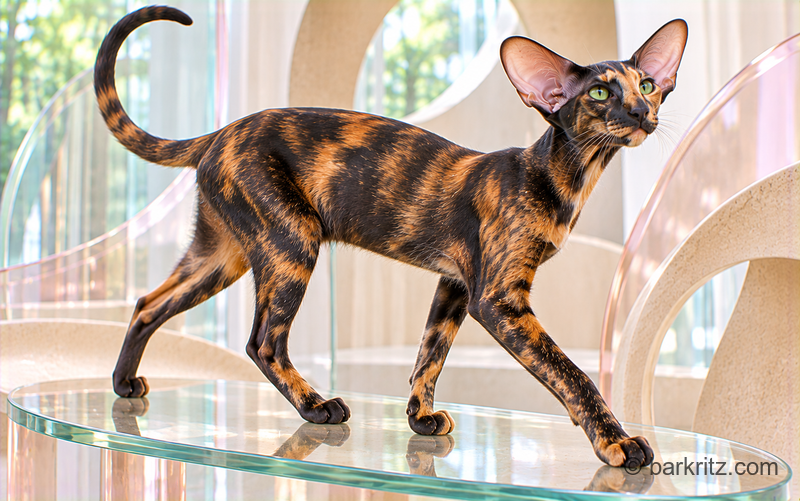
Tortoiseshell and smoke Oriental Shorthairs are especially distinctive because their coats combine contrasting pigments or unusual hair coloration, creating visual depth that changes with movement and light.
Tortoiseshell coloring is characterized by a mixture of red or cream areas with darker colors such as black, chocolate, blue, or cinnamon. Rather than forming a symmetrical pattern, the distribution of colors is generally irregular, making each cat’s coat visually individual.
Some particularly attractive combinations include:
- Black and red tortoiseshell: a striking mixture of deep dark areas and warm reddish patches.
- Blue-cream: a softer combination of cool blue-gray and pale cream.
- Chocolate-red: warm brown contrasted with rich red coloration.
- Lilac-cream: a delicate pairing of muted lavender-gray and creamy tones.
- Cinnamon-red: a warm, expressive combination with a distinctive reddish-brown character.
Most tortoiseshell cats are female because the genes responsible for orange and non-orange pigmentation are associated with the X chromosome. Male tortoiseshell cats are unusual and generally have a chromosomal variation, such as XXY, or another uncommon genetic explanation.
Smoke coloring creates a completely different effect. In a smoke cat, the hair has a pale or nearly white base with darker pigmentation toward the tip. When the coat is at rest, the cat may appear predominantly dark, but movement can reveal the lighter undercoat and create a subtle, shimmering effect.
The distinction between smoke and silver tabby is important. Smoke refers to individual hairs with contrasting root and tip coloration, while silver tabby cats display recognizable tabby patterning over a pale background.
These coats are particularly captivating on Oriental Shorthairs because their fine, short hair makes changes in light and movement easy to appreciate. A smoke cat may appear almost uniformly dark while standing still, then reveal a luminous silver-white undercoat as it stretches or walks.
How Do Tabby, Shaded, and Silver Oriental Shorthair Colors Differ?
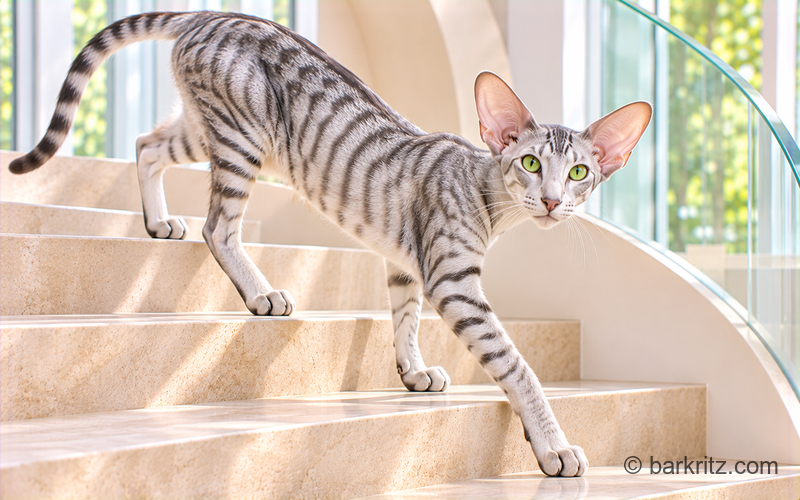
Tabby, shaded, and silver Oriental Shorthair coats differ primarily in how pigment is distributed across individual hairs and the overall body, producing anything from defined markings to delicate, light-reflecting gradients.
The Oriental Shorthair’s color diversity extends far beyond solid coats and tortoiseshell combinations. Patterned cats can display intricate markings that emphasize the breed’s long body and graceful movement.
Several pattern types are particularly recognizable:
- Classic tabby: features broad, swirling markings along the sides, often forming a distinctive bull’s-eye pattern.
- Mackerel tabby: displays narrow, parallel stripes running vertically along the body.
- Spotted tabby: features separate spots rather than continuous stripes or broad swirls.
- Ticked tabby: has multiple bands of color along individual hairs, creating a finely textured appearance with less obvious body striping.
- Silver tabby: combines a pale silver background with darker tabby markings.
- Shaded: has pigment concentrated toward the ends of the hairs, producing a gradual, shaded appearance.
Silver is especially striking because the pale background can make darker markings appear more defined. Depending on the underlying color, a silver Oriental may have black, blue, or other darker pattern elements.
Shaded coats are different from smoke coats. In shaded cats, pigmentation is concentrated over the outer portion of the hair and distributed across the body in a way that creates an overall graduated appearance. Smoke cats, by contrast, have darker tips over a substantially paler base, often producing a more dramatic contrast when the fur moves.
The Oriental’s lean physique makes these patterns particularly expressive. Stripes and spots follow the contours of the shoulders, flanks, and long tail, creating a visual effect that is almost architectural.
For enthusiasts choosing between patterned varieties, personal preference often comes down to contrast. Some prefer the precision of a clearly marked mackerel or spotted coat, while others are drawn to the softer, more mysterious appearance of silver and shaded varieties.
Why Are Unusual Oriental Shorthair Colors So Closely Connected to Genetics?
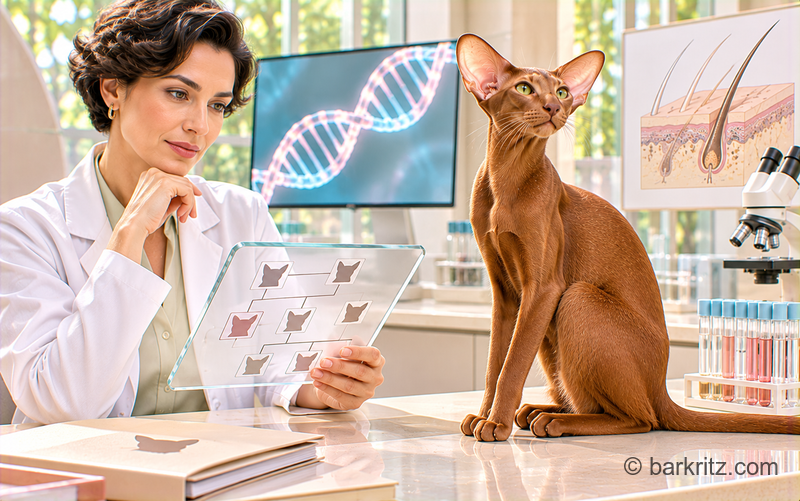
Oriental Shorthair coat colors are determined by combinations of inherited genes that influence pigment production, dilution, pattern expression, and the distribution of color along individual hairs.
Understanding the genetics behind the breed’s appearance helps explain why certain shades are uncommon and why particular combinations appear in some breeding lines but not others.
Several genetic mechanisms contribute to the breed’s remarkable diversity:
- Base pigment: eumelanin produces black-based colors, while pheomelanin produces red-based coloration.
- Dilution: inherited dilution can transform black into blue and chocolate into lilac, while also affecting other color families.
- Chocolate and cinnamon variants: specific inherited changes influence the intensity and character of brown-based pigmentation.
- Orange coloration: genes associated with orange pigmentation contribute to red and cream coats and to tortoiseshell combinations.
- Agouti and tabby expression: genetic factors influence whether tabby markings are visible.
- Silver and inhibitor effects: inherited factors can reduce pigment along portions of the hair, producing pale backgrounds and contrasting tips.
The interaction between these genes creates a remarkable range of possible appearances. Two cats with similar pedigrees may still have visibly different coats, depending on which inherited variations they receive from their parents.
Responsible breeders use pedigree information and, where appropriate, genetic testing to make informed breeding decisions. However, coat color should never be the sole objective of a breeding program. Health, temperament, sound structure, and genetic diversity are far more important considerations.
It is also worth remembering that rare does not automatically mean superior. An uncommon shade may attract attention, but it does not make a cat healthier, more affectionate, or more suitable as a companion.
The most reputable breeding programs prioritize the welfare of their cats and are transparent about health screening, parentage, and the characteristics they are selecting for.
Which Oriental Shorthair Color Is Best for Your Home and Lifestyle?
The best Oriental Shorthair color is ultimately a matter of personal aesthetic preference, since coat shade does not determine the breed’s characteristic intelligence, sociability, or need for companionship.
Oriental Shorthairs are generally known for their active, communicative, and people-oriented nature. They often enjoy interactive play, climbing, exploration, and close involvement in household routines. Their short coats are relatively easy to maintain, although regular grooming helps remove loose hair and keep the coat in excellent condition.
Choosing a color can be an enjoyable part of welcoming one into the home. Each shade creates a different visual personality:
- Lavender and fawn: appeal to owners who appreciate subtle, muted, understated tones.
- Cinnamon and chocolate: offer warmth and richness, particularly striking against the breed’s bright eyes.
- Blue and silver: create a cooler, more contemporary aesthetic.
- Tortoiseshell: offers an expressive, irregular mixture of contrasting colors.
- Smoke: provides dramatic depth and a changing appearance as the cat moves.
- Tabby: brings definition and intricate natural patterning to the sleek coat.
Regardless of color, the Oriental Shorthair benefits from an engaging environment. Tall climbing structures, interactive toys, comfortable resting areas, and regular play sessions help satisfy its natural curiosity. Because the breed is particularly social, many individuals appreciate substantial daily interaction with their owners.
Prospective owners should also consider the cat’s individual temperament. Some Oriental Shorthairs are especially vocal and energetic, while others are more relaxed. Meeting the kitten’s parents, discussing temperament with the breeder, and observing the kitten’s behavior can provide more useful insight than coat color alone.
Ultimately, the extraordinary appeal of the Oriental Shorthair lies in the combination of its elegant physical structure, expressive personality, and remarkable coat diversity. Whether dressed in delicate lavender, rich cinnamon, dramatic smoke, or intricate tortoiseshell, this breed demonstrates that feline beauty can take an extraordinary number of forms. For admirers of distinctive cats, every Oriental Shorthair offers a different interpretation of the same unmistakable elegance.