

Summer Outfits for Dogs in Hot Climates
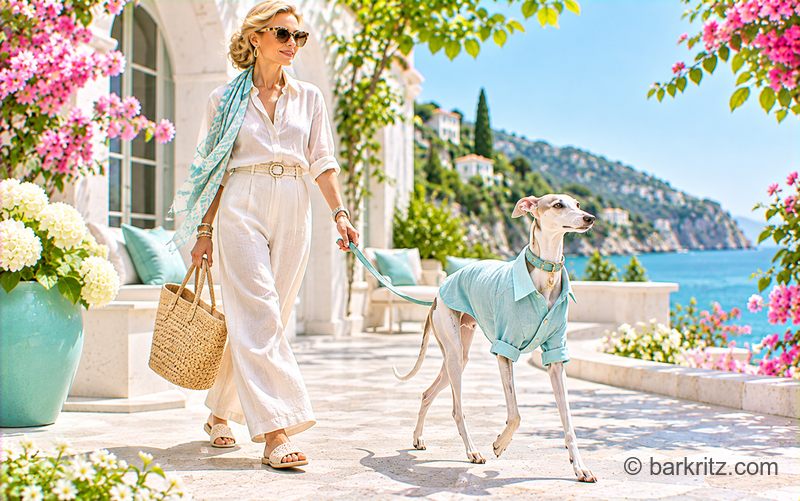
Dressing a dog for summer requires a different philosophy from dressing for cooler seasons: the finest pieces are those that combine elegant design with exceptional comfort, allowing a companion to enjoy warm-weather outings without unnecessary heat or restriction. In tropical destinations, Mediterranean resorts, and sun-drenched urban environments, thoughtful fabric selection and careful styling become particularly important.
For discerning owners, summer pet fashion offers an opportunity to introduce refined colors, beautifully considered accessories, and lightweight silhouettes into a dog’s wardrobe. Yet appearance should never take precedence over well-being. Dogs regulate heat differently from humans, and an unsuitable garment can contribute to overheating, particularly in humid conditions or during vigorous activity.
The ideal summer wardrobe is therefore selective rather than extensive. Breathable fabrics, comfortable construction, appropriate sun protection, and an understanding of an individual dog’s needs provide the foundation for a polished seasonal look.
Which Fabrics Are Best for Summer Outfits in Hot Climates?
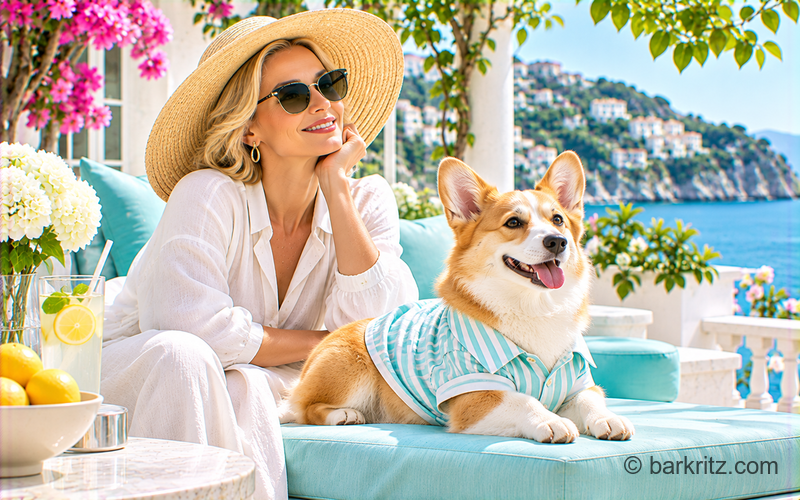
The best summer fabrics for dogs are lightweight, breathable, soft against the skin, and capable of allowing heat and moisture to escape rather than trapping them against the body.
Natural fibers and carefully engineered lightweight textiles can both work well, provided the garment is designed specifically for canine comfort. Cotton voile, lightweight cotton blends, and breathable linen are popular choices for relaxed summer pieces. However, fabric composition alone does not determine suitability: weave, thickness, lining, fit, and construction are equally important.
Consider these materials when selecting warm-weather clothing:
- Lightweight cotton: soft, breathable, and suitable for simple shirts, bandanas, and relaxed everyday garments.
- Cotton voile: particularly light and airy, making it attractive for delicate summer shirts and decorative pieces.
- Linen: naturally breathable and visually elegant, although it can crease easily and should be selected in a soft, comfortable construction.
- Lightweight technical fabrics: some performance textiles offer moisture management and quick drying, making them useful for active dogs.
- Breathable mesh: can provide ventilation in selected designs, provided the material is soft, non-abrasive, and does not restrict movement.
Avoid heavy synthetic fabrics, thick linings, dense embellishments, and garments that retain moisture. Decorative elements such as sequins, metallic trims, and layered appliqués may look striking in photographs but can add unnecessary weight or create uncomfortable contact with the skin.
A refined summer wardrobe does not need elaborate construction. A beautifully cut cotton shirt in a sophisticated pastel shade can look considerably more elegant than an ornate outfit that compromises comfort.
What Summer Outfits Are Most Suitable for Different Dog Breeds?
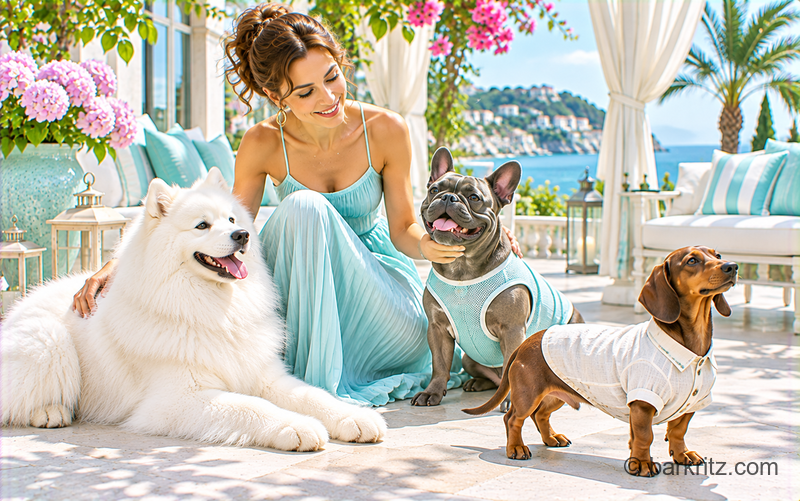
The most suitable summer outfit depends on a dog’s breed, coat, body shape, age, and individual sensitivity to heat, rather than on fashion trends alone.
A garment that works beautifully for a short-haired Italian Greyhound may be inappropriate for a thick-coated Samoyed. Likewise, a compact French Bulldog requires particular attention to fit and ventilation, especially because brachycephalic dogs can be more vulnerable to heat-related difficulties.
Different silhouettes can be considered for different canine physiques:
- Small short-haired breeds: lightweight cotton shirts or simple sleeveless pieces can provide a polished appearance without excessive coverage.
- Long-bodied breeds: carefully tailored garments should accommodate the back and chest without restricting the shoulders or hind legs.
- Large athletic breeds: minimal accessories and lightweight performance fabrics are generally more practical than elaborate layered outfits.
- Long-haired breeds: many may be more comfortable without clothing in warm weather; avoid adding unnecessary insulation over an already substantial coat.
- Brachycephalic breeds: prioritize ventilation and unrestricted movement, and avoid clothing that adds heat or interferes with comfortable breathing.
Fit is just as important as fabric. A well-designed garment should allow a dog to walk, sit, lie down, stretch, and move its legs naturally. Check the neckline, chest, underarms, and belly for rubbing or pressure, particularly after the first few minutes of wear.
Owners should also recognize that some dogs simply do not enjoy clothing. If a companion becomes restless, repeatedly tries to remove a garment, pants more heavily, or appears uncomfortable, remove it rather than insisting on the look.
The most sophisticated styling is always adapted to the individual animal, not imposed upon it.
Which Summer Accessories Add Style Without Making Dogs Too Hot?
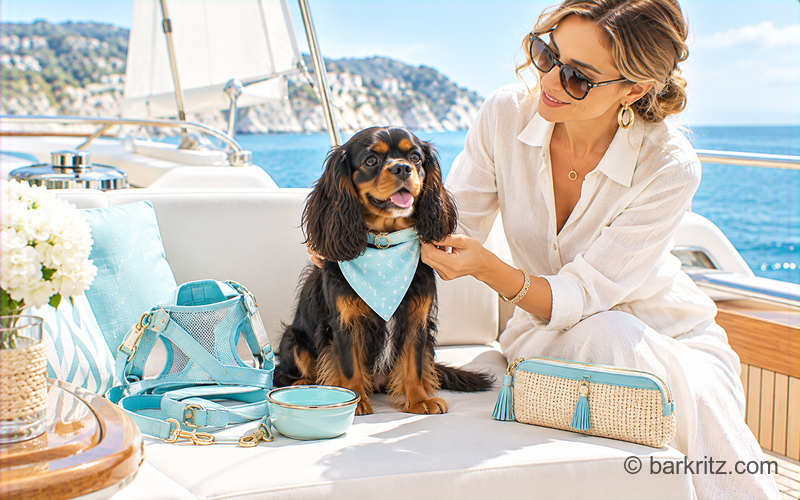
The most successful summer accessories are lightweight, functional, and minimally constructed, adding personality without covering large areas of the dog’s body.
Accessories often provide a more comfortable way to introduce seasonal fashion than full outfits. A beautifully designed collar, a delicate bandana, or a refined walking lead can create a distinctive appearance while leaving most of the dog’s body uncovered.
Consider these warm-weather essentials:
- Lightweight cotton bandanas: an effortless way to introduce seasonal colors and patterns without dressing the entire dog.
- Breathable harnesses: select soft, properly fitted designs that allow natural shoulder movement and do not create excessive heat.
- Lightweight collars: refined leather or soft textile options can complement a summer wardrobe, provided they fit correctly.
- Protective footwear: appropriate dog boots may be useful on extremely hot pavement, but should fit properly and be introduced gradually.
- Sun-protective accessories: purpose-designed canine sun-protection garments may be appropriate for dogs with vulnerable skin, following veterinary advice.
A particular point of caution concerns footwear. Pavements and sand can become dangerously hot even when the air temperature seems manageable. Check the surface before walking, choose cooler routes, and avoid the hottest hours of the day. Boots should never be treated as permission to exercise in extreme heat.
Sunglasses and decorative headwear may appear attractive in editorial photography, but they are not essential summer accessories. Anything worn around the head must be comfortable, secure, and never interfere with vision, hearing, or normal movement.
For a polished seasonal aesthetic, a restrained combination of a pastel bandana, a beautifully finished collar, and a coordinated lead is often more effective than multiple decorative additions.
How Can You Choose Sun-Protective Clothing for Dogs in Hot Weather?
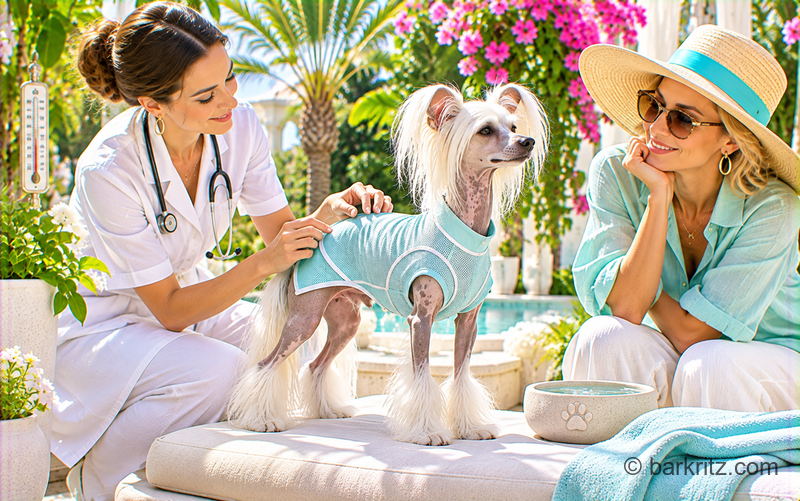
Sun-protective clothing can be useful for dogs with vulnerable skin or limited natural protection, but it must be specifically designed to provide coverage without creating excessive heat.
Dogs with thin coats, sparse hair, pale skin, or areas of exposed skin may be more susceptible to sun damage. Hairless breeds and dogs with recently clipped coats can require particular attention, although susceptibility varies between individuals.
When evaluating protective garments, consider:
- Coverage: select designs that protect vulnerable areas without unnecessarily enclosing the entire body.
- Breathability: lightweight construction and effective ventilation are essential in warm conditions.
- Fabric protection: look for credible UPF ratings when choosing garments intended to block ultraviolet radiation.
- Comfortable fit: the garment should remain in place without rubbing, restricting movement, or covering areas where ventilation is needed.
- Ease of removal: protective clothing should be easy to take off if the dog becomes uncomfortable or overheated.
Some specialist canine garments are designed with ultraviolet protection in mind, but ordinary light-colored clothing should not automatically be assumed to provide meaningful sun protection.
Clothing is also not a substitute for shade, fresh water, or appropriate scheduling of outdoor activities. Dogs should have access to cool resting areas, and walks should generally take place during cooler morning or evening periods when conditions allow.
For particularly sun-sensitive animals, owners should ask a veterinarian about appropriate pet-safe sunscreen for exposed areas. Human sunscreen should not be used without professional advice, as some formulations contain ingredients that can be harmful if licked.
The best approach combines selective protection with sensible exposure management. A stylish outfit should complement a broader sun-safety routine, never replace it.
How Can You Build an Elegant Summer Wardrobe That Keeps Your Dog Comfortable?
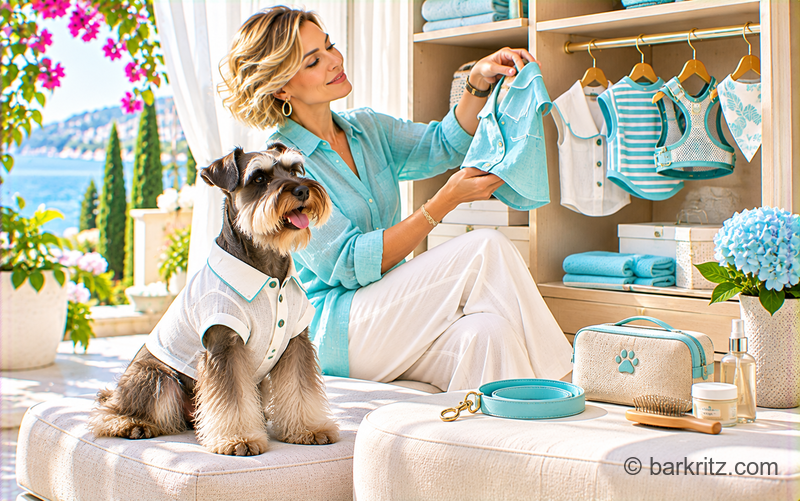
An elegant summer wardrobe for a dog should consist of a small collection of versatile, breathable pieces selected around the animal’s lifestyle, climate, and tolerance for clothing.
Rather than accumulating numerous seasonal outfits, owners can create a considered capsule collection in which each piece serves a clear purpose. This approach also makes it easier to maintain consistent sizing, recognize which fabrics the dog tolerates, and avoid unnecessary purchases.
A practical summer capsule might include:
- One lightweight everyday shirt: a simple cotton design for dogs that comfortably tolerate clothing.
- One breathable bandana: an effortless accessory for casual outings and relaxed social occasions.
- One functional walking harness: selected for fit, ventilation, and compatibility with the dog’s body shape.
- One protective garment, if needed: a properly rated sun-protective design for dogs with particular skin sensitivities.
- One lightweight travel layer: useful for air-conditioned interiors or cooler evenings, provided the dog is comfortable wearing it.
Color coordination can make even a modest collection feel beautifully considered. Soft sage, powder blue, pale coral, ivory, and delicate lavender work particularly well for summer styling. Natural textures, subtle patterns, and restrained detailing create a sophisticated appearance without relying on excessive decoration.
Care is equally important. Wash garments according to their labels, use gentle pet-appropriate detergents, and allow every item to dry completely before the next use. Inspect seams, fastenings, and decorative details regularly, removing anything damaged or loose enough to become a chewing or swallowing hazard.
Most importantly, observe your dog whenever a garment is worn. Excessive panting, drooling, restlessness, weakness, or difficulty breathing can indicate overheating and require immediate attention; remove clothing, move the animal to a cooler environment, and seek veterinary assistance as appropriate.
Summer pet fashion is at its best when it respects the animal wearing it. A carefully chosen fabric, an impeccable fit, and a restrained accessory can create a memorable look without compromising comfort. For the Four-Legged Elite, true seasonal style is not about wearing more, but about choosing better.