

Best Cat Breeds for Children in Affluent Households
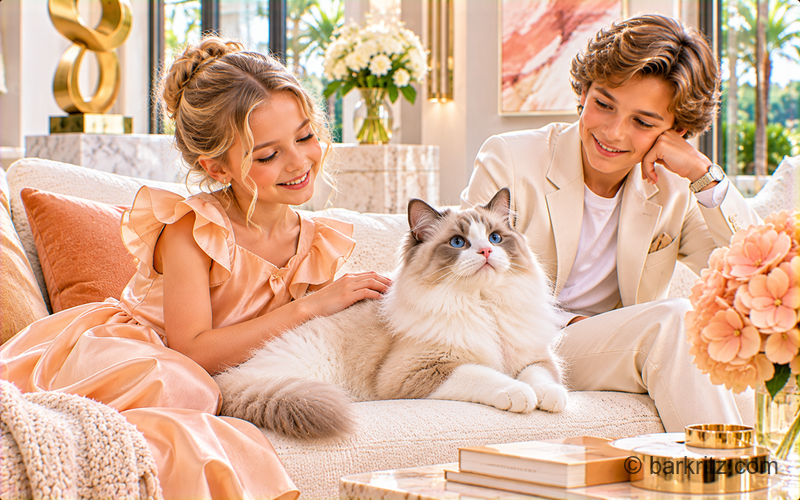
For families who value thoughtful design, exceptional care, and a beautifully balanced home environment, choosing a cat is about much more than appearance or pedigree. The ideal family companion should combine an affectionate temperament with adaptability, patience, and the ability to feel comfortable around children of different ages. In an affluent household, where spacious interiors, travel arrangements, and professional pet care may be part of everyday life, these considerations can make the transition into family life particularly rewarding.
Certain cat breeds are especially appreciated for their sociable personalities, gentle disposition, and capacity to form close relationships with their human companions. From the affectionate Ragdoll to the intelligent British Shorthair, several breeds offer qualities that can complement a family lifestyle. Nevertheless, individual temperament, early socialization, and respectful interactions matter far more than pedigree alone. Even the gentlest cat needs a home where its boundaries are understood and respected.
Which Cat Breeds Are Best Suited to Families With Children?
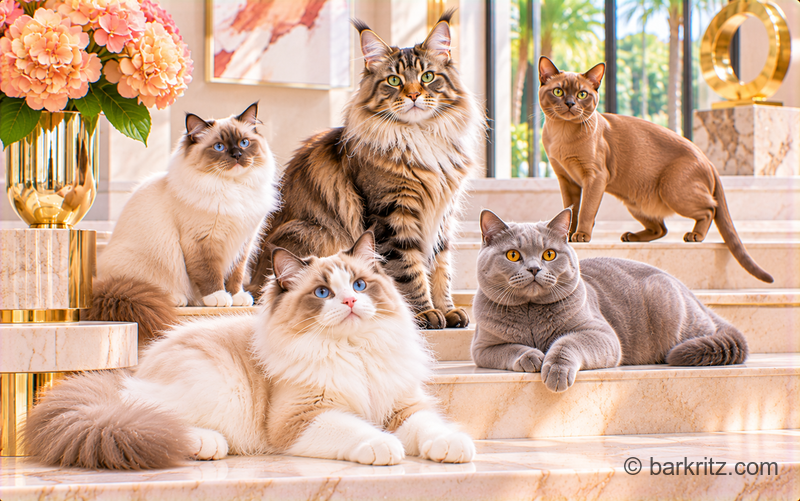
The Ragdoll, Maine Coon, Birman, British Shorthair, and Burmese are among the breeds frequently considered for family homes because of their sociable temperaments and potential to develop affectionate relationships with children.
Each offers a different combination of personality, activity level, grooming requirements, and interaction style. The right choice depends on the family’s expectations and the age and temperament of its children.
Ragdoll
The Ragdoll is renowned for its affectionate personality, relaxed demeanor, and preference for human companionship. Many enjoy following family members from room to room and participating in everyday household activities. Their gentle nature can make them appealing companions for older children who understand how to handle animals carefully.
Their semi-long coat requires regular brushing, and their substantial size means children should learn to support the cat properly rather than attempting to carry it without assistance.
The Maine Coon combines an impressive appearance with an outgoing, intelligent, and often playful personality. Frequently described as a gentle giant, this breed can be an excellent companion for active households. Many enjoy interactive games, exploring their surroundings, and spending time near family members.
Their size, energetic nature, and long coat require consideration. Children should understand that even a large, confident cat needs personal space and gentle handling.
Birman
The Birman is appreciated for its affectionate disposition, striking blue eyes, and distinctive color-point coat. Typically sociable and people-oriented, Birmans often enjoy companionship without demanding constant attention. Their moderate activity level can suit families looking for an affectionate but relatively composed household companion.
The British Shorthair is known for its calm temperament, independent character, and plush coat. It can adapt well to a structured household and generally appreciates predictable routines. Although affectionate, many British Shorthairs prefer companionship on their own terms rather than prolonged carrying or physical handling.
Burmese
The Burmese is an engaging, intelligent, and highly social breed that often thrives on interaction. These cats enjoy games, human company, and participating in household routines. Their playful disposition can make them particularly appealing to families with children who enjoy spending time with an active companion.
The principal differences can be summarized as follows:
- Ragdoll: affectionate, relaxed, and particularly people-oriented.
- Maine Coon: sociable, playful, intelligent, and physically substantial.
- Birman: gentle, affectionate, and moderately active.
- British Shorthair: composed, independent, and comfortable with predictable routines.
- Burmese: interactive, energetic, and strongly attached to human companionship.
No breed guarantees a particular personality. Meeting the individual kitten or adult cat, observing its behavior, and discussing its background with a responsible breeder or rescue organization are essential steps.
Which Cat Breeds Offer the Best Balance of Affection and Independence?
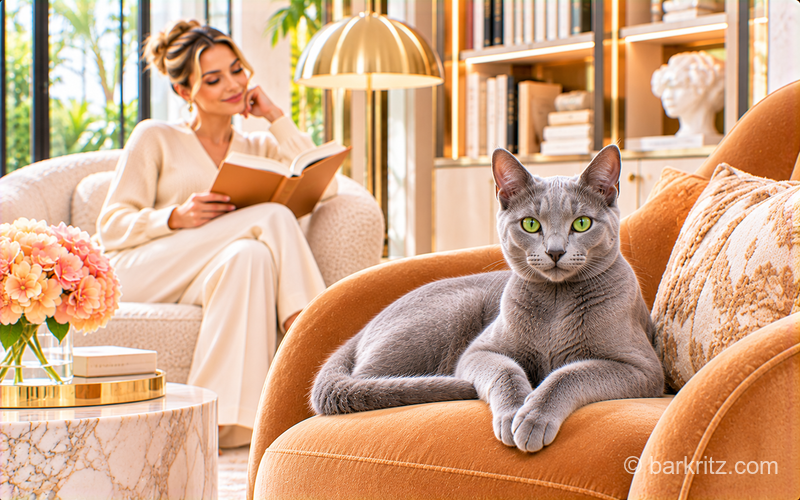
British Shorthairs, Russian Blues, and Birmans are particularly worth considering for families seeking a cat that enjoys companionship while also being comfortable spending time independently.
Not every household wants an animal that follows its owners throughout the day or constantly seeks interaction. Families with demanding professional schedules, frequent visitors, or several children may appreciate a companion that can alternate between social engagement and peaceful solitude.
British Shorthair
The British Shorthair is an appealing choice for a household that values a calm and predictable companion. These cats often enjoy being in the same room as their owners without necessarily demanding physical attention. Their independent nature can be advantageous when children are occupied with schoolwork, extracurricular activities, or other interests.
Russian Blue
The Russian Blue is typically reserved, observant, and devoted to its familiar people. It often prefers a peaceful environment and may take time to warm up to unfamiliar visitors. In a household where children can respect quiet spaces and allow relationships to develop naturally, this breed can become a deeply affectionate companion.
Birman
The Birman offers a particularly appealing middle ground between independence and sociability. Many enjoy spending time with family members while remaining capable of entertaining themselves. Their adaptable nature can make them suitable for homes with established routines and a moderate level of activity.
Families should consider the following distinctions:
- British Shorthair: generally comfortable with independent relaxation and moderate interaction.
- Russian Blue: often more reserved and selective about unfamiliar people.
- Birman: tends to seek companionship while maintaining a balanced level of independence.
It is important to remember that independence should not be confused with a lack of social needs. Cats require daily interaction, environmental enrichment, and opportunities for play, regardless of breed.
What Should Families Consider When Choosing a Cat for Young Children?
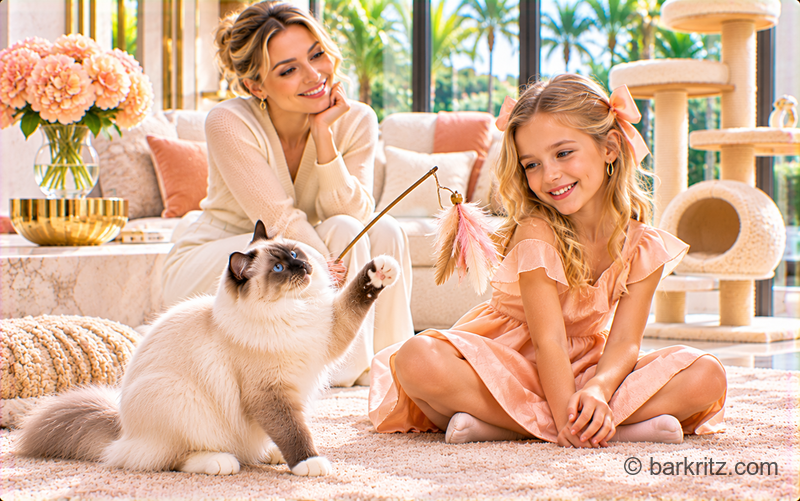
Families with young children should prioritize a cat with a well-documented, tolerant temperament, while ensuring that children are taught to interact gently and recognize when the animal wants to be left alone.
A kitten’s breed can provide useful clues about potential temperament, but early experiences and individual personality are equally important. A confident, well-socialized cat that has experienced positive interactions with different people may adapt more comfortably to family life than an equally well-bred kitten with limited social exposure.
Several practical considerations deserve attention:
- Age of the children: toddlers require much closer supervision than older children who can understand boundaries and follow handling instructions.
- Temperament: look for a cat that responds confidently to ordinary household activity without displaying persistent fear or defensive behavior.
- Handling preferences: some cats enjoy being touched and groomed, while others prefer brief interactions.
- Noise tolerance: consider how the animal responds to everyday sounds, visitors, and busy family environments.
- Personal space: provide elevated resting areas, hiding places, and quiet rooms where the cat can retreat undisturbed.
- Play style: choose age-appropriate toys and teach children never to use their hands or feet as play objects.
Maine Coons and Birmans may appeal to families seeking sociable companions, while British Shorthairs can suit households that prefer a calmer presence. Ragdolls are also frequently considered, although their relaxed reputation should never encourage children to carry or handle them carelessly.
The safest approach is to establish a few non-negotiable household rules:
- Never disturb a sleeping or eating cat.
- Never pull its tail, ears, or fur.
- Never chase or corner the animal.
- Allow the cat to approach voluntarily.
- Always supervise interactions between young children and cats.
- Teach children to recognize warning signals such as flattened ears, a rapidly moving tail, growling, or attempts to escape.
A cat should never be expected to tolerate unwanted handling simply because it belongs to a family-oriented breed. Respect for the animal’s boundaries is the foundation of a healthy relationship.
Which Cat Breeds Are Best for Spacious Homes and a Refined Family Lifestyle?
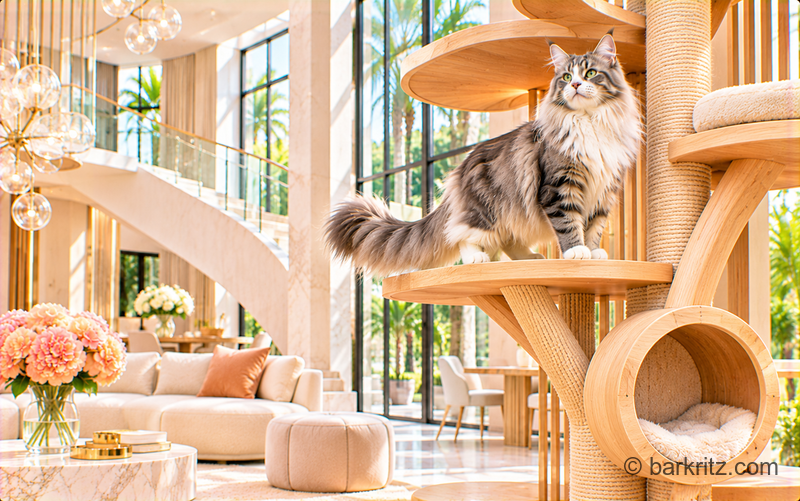
Maine Coons, Ragdolls, and Norwegian Forest Cats can be particularly appealing in spacious family homes because of their substantial presence, adaptable personalities, and enjoyment of environments that offer opportunities for exploration.
A large residence may provide more room for climbing structures, separate resting areas, and carefully designed feline spaces. However, square footage alone does not determine whether a home is suitable for a cat. Environmental enrichment, access to secure resting places, and regular interaction remain essential.
Maine Coon
With its impressive size, tufted ears, and flowing coat, the Maine Coon has a naturally distinguished appearance. It often enjoys climbing, exploring, and participating in household activities. A spacious home with stable cat trees, elevated platforms, and interactive play opportunities can accommodate its active personality particularly well.
Ragdoll
The Ragdoll’s relaxed character and affectionate nature can complement a home where family members spend considerable time together. Its beautiful semi-long coat and striking blue eyes also make it one of the most recognizable companion breeds. Soft resting areas, comfortable window perches, and predictable routines can help it feel secure.
Norwegian Forest Cat
The Norwegian Forest Cat combines a magnificent natural coat with an athletic build and an independent but affectionate temperament. Its heritage as a hardy Scandinavian cat is reflected in its climbing ability and enjoyment of elevated spaces. A home with substantial vertical enrichment can be particularly rewarding for this breed.
For families planning a thoughtfully designed feline environment, useful features include:
- Tall, stable climbing structures with multiple resting platforms.
- Secure window perches that allow observation without access to open windows.
- Dedicated sleeping areas away from busy family spaces.
- Scratching surfaces in several locations.
- Interactive toys and puzzle feeders.
- Secure balconies or enclosed outdoor spaces designed specifically for cats.
Long-haired breeds require regular grooming, so families should be prepared to maintain a consistent brushing routine. Professional grooming may be useful in certain circumstances, but it does not replace regular coat care at home.
A refined interior can accommodate a cat beautifully without sacrificing practicality. Durable upholstery, washable textiles, thoughtfully positioned scratching posts, and discreetly integrated litter facilities help create a comfortable environment for both people and animals.
How Can Families Select a Healthy, Well-Socialized Kitten From a Responsible Breeder?
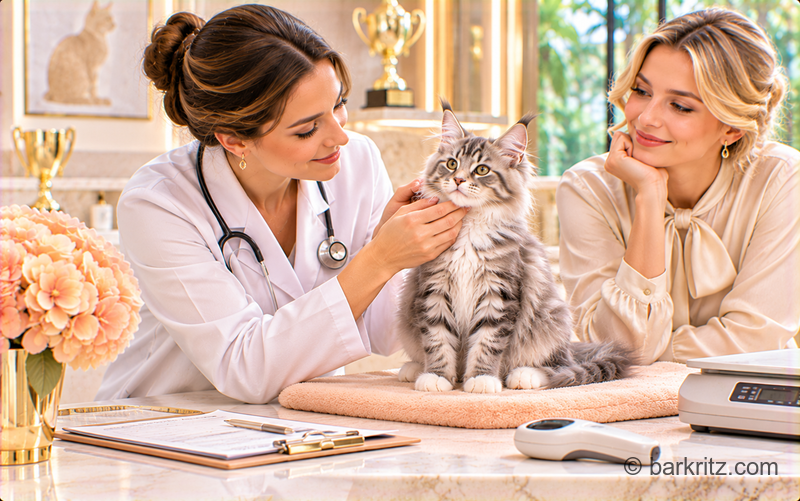
The best way to select a family cat is to choose an individual with a healthy veterinary history, appropriate early socialization, and a temperament compatible with the household rather than relying exclusively on breed reputation or pedigree.
A responsible breeder should welcome questions about the kitten’s parents, health screening, living conditions, and early development. They should also be interested in understanding the prospective family’s lifestyle and expectations.
Before making a commitment, investigate the following:
- Health screening: request documentation of breed-relevant genetic and veterinary examinations.
- Parent temperament: observe the mother and, where possible, learn about the father’s temperament.
- Early socialization: ask how kittens have experienced household sounds, gentle handling, and everyday human interaction.
- Veterinary records: confirm vaccinations, parasite prevention, health examinations, and microchip arrangements where applicable.
- Pedigree documentation: verify registration and ancestry through the relevant feline organization.
- Breeder transparency: expect clear answers, written agreements, and a willingness to provide ongoing guidance.
Breed-specific health considerations are particularly important. Maine Coons and Ragdolls, for example, have recognized inherited risks of hypertrophic cardiomyopathy, while British Shorthairs can be predisposed to certain cardiac conditions. Responsible breeders should follow appropriate health-screening recommendations for their breeding lines.
Families should also consider adopting an adult cat. An established adult temperament can make it easier to assess whether the animal is comfortable around children, enjoys handling, and adapts to household activity. Breed-specific rescue organizations and reputable shelters may have affectionate, well-socialized cats seeking permanent homes.
Ultimately, the best family cat is not necessarily the most expensive, rarest, or most visually impressive pedigree. It is the individual whose temperament, health, and social needs align with the family’s everyday life. A carefully chosen companion, supported by responsible care and respectful interactions, can become a cherished presence in a child’s life and a lasting member of the household.