

How to Store and Care for Luxury Pet Clothing
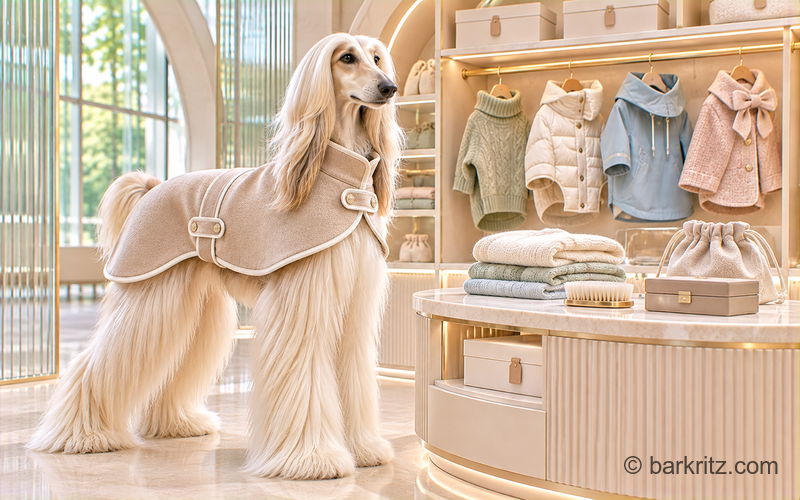
A beautifully tailored coat, a cashmere sweater, or a carefully crafted silk accessory deserves the same thoughtful attention as any cherished piece in a personal wardrobe. Luxury pet clothing often incorporates delicate fabrics, refined finishes, intricate embroidery, leather details, and specialized construction that require more than routine washing and casual storage. Preserving these pieces means protecting their texture, shape, color, and craftsmanship between wears.
For the discerning pet owner, garment care begins with understanding the materials. Cashmere, wool, cotton, silk, technical fabrics, and embellished accessories each respond differently to moisture, heat, friction, and cleaning products. A thoughtful maintenance routine helps prevent premature wear while keeping every piece comfortable and presentable for its next occasion.
Whether a pet’s wardrobe consists of seasonal outerwear, tailored everyday pieces, or special-occasion ensembles, the guiding principle is simple: clean garments appropriately, store them in suitable conditions, and inspect them regularly.
How Should Luxury Pet Clothing Be Cleaned Without Damaging Delicate Fabrics?
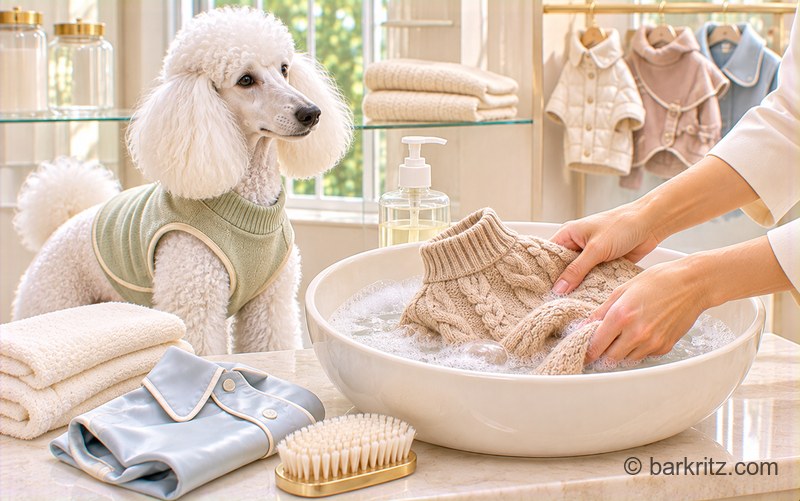
Luxury pet clothing should be cleaned according to its fabric composition and care label, using the gentlest effective method to protect delicate fibers, construction, and decorative details.
The first step is to inspect each garment before cleaning. Look for the manufacturer’s care instructions, identify removable accessories, and check whether the piece contains mixed materials that require different treatment. A wool coat with a cotton lining and leather fastenings, for example, should not automatically be treated as an ordinary wool sweater.
Different materials require different approaches:
- Cashmere: benefits from gentle handwashing or an appropriate specialist cleaning service, depending on the care label; avoid wringing or aggressive rubbing.
- Wool: generally requires low-friction cleaning and careful handling to prevent shrinking, felting, or distortion.
- Silk: is particularly sensitive to heat, friction, and certain detergents; professional cleaning may be preferable for structured or embellished pieces.
- Cotton: is often easier to maintain, although dyed fabrics and decorative stitching may require cooler washing.
- Technical fabrics: should be cleaned with products suitable for their particular construction and protective finishes.
- Leather details: require separate care with products specifically formulated for the material.
Before washing, remove detachable bows, collars, decorative brooches, and other accessories whenever the design permits. Close fastenings, secure zippers, and turn suitable garments inside out to reduce friction against the visible surface.
Use a mild detergent appropriate for the fabric and avoid bleach, strong fragrances, and fabric softeners unless the manufacturer specifically recommends them. These products can affect fibers, coatings, elasticity, or sensitive finishes.
Handwashing can be appropriate for certain delicate garments, but it is not universally safer than machine washing. Excessive soaking, twisting, and handling can stretch lightweight knits or distort carefully constructed pieces. If machine washing is permitted, use the recommended gentle cycle, suitable water temperature, and a protective laundry bag.
Drying deserves equal attention. Never assume that a tumble dryer is suitable simply because a garment has been washed successfully. Lay delicate knitwear flat on a clean towel when instructed, reshape it gently, and allow it to dry naturally away from direct sunlight or radiators.
For heavily embellished, structured, or particularly valuable pieces, a professional cleaner experienced with delicate textiles is often the most appropriate choice.
What Is the Best Way to Store Cashmere, Wool, Silk, and Other Pet Garments?
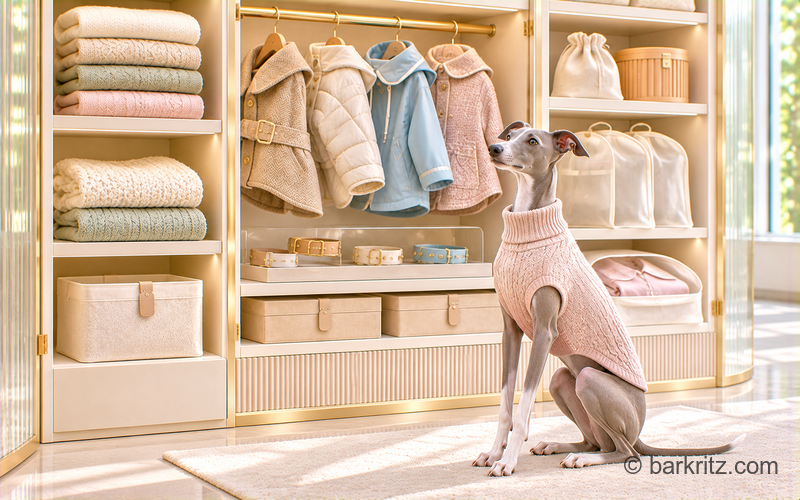
The best storage method depends on the garment’s weight, fiber, construction, and susceptibility to stretching, moisture, dust, or creasing.
A well-organized pet wardrobe should provide each piece with enough space to retain its original shape. Overcrowded drawers, unsuitable hangers, and poorly ventilated containers can gradually damage even carefully maintained clothing.
Folded storage is generally preferable for cashmere, wool sweaters, and other soft knits because hanging can stretch the shoulders and distort the garment’s proportions. Structured coats and jackets may be hung on appropriately sized padded hangers if their construction supports hanging.
Consider these storage principles:
- Cashmere and fine wool: fold neatly and place in a clean, breathable drawer or fabric storage box.
- Structured coats: hang on supportive, correctly sized hangers when recommended by the manufacturer.
- Silk garments: store clean and dry, preferably in breathable protective covers that minimize friction and snagging.
- Leather accessories: keep in a cool, dry, ventilated space and away from prolonged direct sunlight.
- Seasonal clothing: use breathable garment bags or clean fabric containers rather than compressing pieces into tightly packed plastic bags.
- Decorative accessories: store separately in small compartments to prevent scratching, tangling, or pressure marks.
Breathable cotton or fabric garment bags can help protect clothing from dust while allowing air circulation. Avoid storing natural fibers in airtight containers if there is any possibility of residual moisture.
Moth protection is particularly important for garments containing wool, cashmere, and other animal fibers. Ensure clothing is completely clean before putting it away for an extended period, since body oils, food residues, and other organic traces can attract pests. Cedar products may help discourage moths, but they should not touch delicate garments directly, and their effectiveness should not replace regular inspection.
The storage environment matters as much as the container. Choose a cool, dry area away from radiators, damp walls, direct sunlight, and excessive humidity. A wardrobe or dedicated drawer should be clean and ventilated, with enough room to prevent garments from being crushed.
For seasonal rotation, store pieces only after they have been properly cleaned and completely dried. A brief inspection before packing away can reveal loose stitching, missing buttons, or small repairs that are easier to address before the next season begins.
How Can Owners Preserve the Shape, Color, and Fine Details of Designer Pet Clothing?
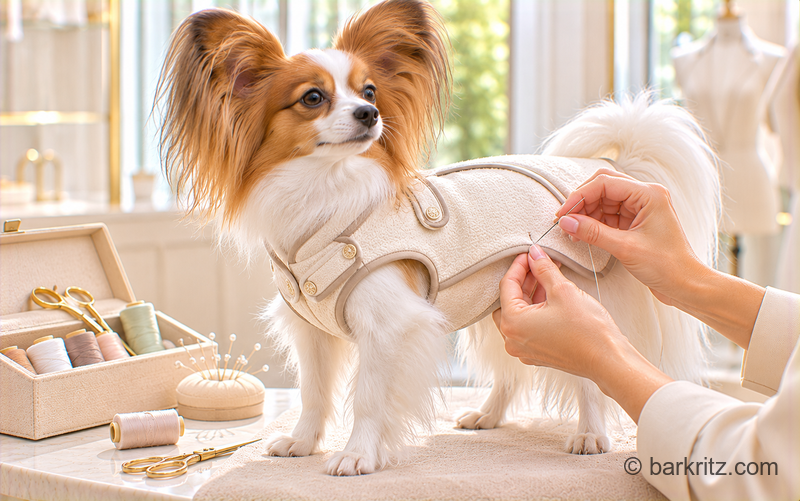
Preserving the appearance of designer pet clothing requires gentle handling, careful maintenance of fastenings and embellishments, and protection from friction, sunlight, and unnecessary washing.
The smallest details often distinguish a beautifully made garment from an ordinary one. Fine stitching, embroidered motifs, carefully selected buttons, decorative piping, and precisely finished edges can all deteriorate when exposed to repeated friction or unsuitable cleaning methods.
After each wear, examine the garment in good light. Pay particular attention to areas that come into contact with a harness, collar, leash, or the dog’s body. These points may develop friction-related wear more quickly than the rest of the garment.
A simple post-wear routine can make a meaningful difference:
- Remove loose hair: use a soft clothing brush or an appropriate fabric tool, testing it first on an inconspicuous area.
- Address small stains promptly: blot rather than rub, and follow the fabric’s specific cleaning instructions.
- Check fastenings: inspect buttons, snaps, zippers, hooks, and decorative attachments.
- Examine seams: look for loose threads, stretched stitching, or areas beginning to separate.
- Protect delicate surfaces: avoid rough contact with abrasive bags, Velcro, sharp accessories, and textured storage materials.
- Maintain the original shape: reshape suitable garments gently after wear and allow them to rest before returning them to storage.
Color preservation requires particular care. Direct sunlight can gradually fade dyed textiles, while certain cleaning agents can alter the appearance of delicate shades. Keep garments away from windows where strong sunlight falls directly on them, and avoid mixing light and dark items during washing.
Pilling is another common concern, particularly with cashmere, wool, and soft blended fabrics. Small fiber balls may appear in areas exposed to repeated friction. Remove them only with a suitable fabric comb or carefully selected de-pilling tool, following the manufacturer’s recommendations. Aggressive removal can thin the material and shorten the garment’s useful life.
Embellished clothing requires additional attention. Beads, embroidery, appliqués, metallic details, and decorative stitching can loosen during washing or snag against other textiles. These pieces are best stored separately when possible, with enough space to prevent pressure on raised details.
Finally, resist the temptation to wash every garment after every short wear. If a piece remains clean and has no noticeable odor or contamination, gentle airing may be sufficient, provided the fabric allows it. Unnecessary washing can accelerate fading, fiber wear, and loss of shape.
How Should Pet Clothing Be Organized for Different Seasons and Occasions?
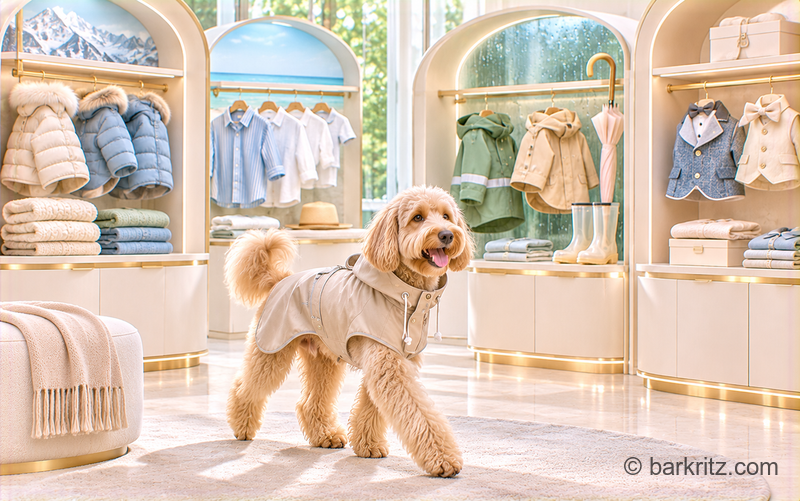
A seasonal wardrobe system that separates everyday essentials, weather-specific garments, and special-occasion pieces makes luxury pet clothing easier to maintain, access, and protect.
Organization should reflect how frequently each garment is worn and the conditions for which it was designed. A lightweight summer shirt, a waterproof raincoat, a winter cashmere sweater, and a formal occasion outfit should not all be stored in the same way.
Begin by dividing the wardrobe into practical categories:
- Everyday wear: frequently used shirts, lightweight sweaters, and comfortable walking garments.
- Cold-weather pieces: insulated coats, wool layers, and cashmere knitwear.
- Rain and outdoor protection: waterproof jackets, weather-resistant fabrics, and functional accessories.
- Warm-weather clothing: breathable cotton, lightweight linen, and sun-protective garments where appropriate.
- Special-occasion ensembles: tailored outfits, decorative collars, formal accessories, and carefully embellished pieces.
Within each category, organize garments by size, fabric, or frequency of use. This makes it easier to select appropriate clothing without repeatedly handling delicate items.
Seasonal rotation should be performed thoughtfully. Before placing winter garments into storage, clean them according to their care instructions, ensure they are completely dry, inspect all fastenings, and address any repairs. The same process should be followed when putting away summer pieces.
Special-occasion clothing deserves its own storage space. Tailored garments should be protected from crushing, while delicate accessories should be kept in separate compartments or soft pouches. If an outfit includes several coordinated pieces, store them together so that matching elements remain easy to locate.
A simple wardrobe inventory can also be useful. Record each garment’s material, cleaning instructions, size, and any special maintenance requirements. For particularly delicate pieces, a photograph and brief note about previous repairs can help track their condition over time.
Most importantly, organization should support the pet’s comfort as well as the owner’s aesthetic preferences. Keep frequently worn clothing accessible, but never sacrifice appropriate fit or freedom of movement for the sake of appearance. Garments should be easy to put on and remove without unnecessary pulling or pressure.
A well-curated wardrobe is not defined by the number of pieces it contains, but by how thoughtfully each item is selected, maintained, and used.
When Should Luxury Pet Clothing Be Repaired, Professionally Cleaned, or Replaced?
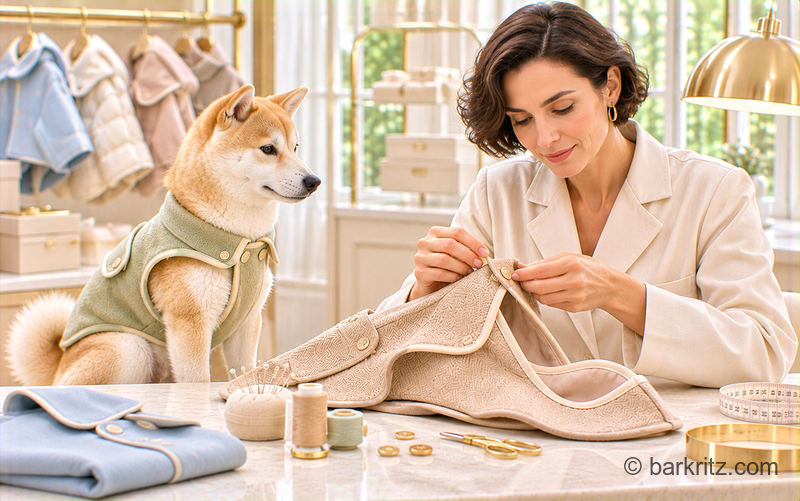
Luxury pet clothing should be repaired when minor damage can be restored safely, professionally cleaned when its materials or construction require specialist treatment, and replaced when wear compromises its fit, function, or comfort.
Regular inspection makes it easier to distinguish normal signs of use from damage that requires attention. A loose button, a small opening in a seam, or a slightly frayed edge may be straightforward to repair before the problem becomes more extensive.
However, not every repair should be attempted at home. Fine embroidery, delicate knitwear, leather trim, structured tailoring, and complicated closures may require a professional experienced in textile restoration or specialist garment care.
Look for these signs when assessing a piece:
- Loose seams: small openings may be repairable before they spread.
- Damaged fastenings: broken zippers, snaps, or buttons can often be replaced.
- Persistent stains: specialist cleaning may be appropriate when ordinary care methods are ineffective.
- Loss of structure: stretched necklines, distorted shoulders, or misshapen panels may require professional reshaping.
- Worn lining: damaged inner fabric can affect comfort even when the exterior still looks attractive.
- Compromised protective finishes: waterproof or weather-resistant garments may need manufacturer-approved maintenance or treatment.
- Poor fit: a garment that has become restrictive or unstable should no longer be used, even if its appearance remains excellent.
Before sending a garment for professional cleaning, explain its construction and point out any existing damage. Ask whether the cleaner has experience with the particular material and whether embellishments or leather components require separate treatment.
Repairs should preserve the original design whenever practical. Matching thread, appropriate buttons, compatible lining materials, and discreet stitching help maintain the garment’s appearance. Avoid improvised alterations that create rough edges, exposed seams, or uncomfortable internal details.
Replacement becomes the better option when a garment can no longer provide a safe and comfortable fit, when damaged components create a risk of snagging or entanglement, or when deterioration cannot be restored reliably. A beautiful coat is of little value if it restricts movement, causes irritation, or interferes with normal activity.
The final consideration should always be the pet’s experience. Check that the garment allows natural walking, sitting, stretching, and toileting, and remove it if the animal shows signs of discomfort, overheating, or distress.
Luxury pet clothing is most appealing when its craftsmanship and practicality remain equally evident. With appropriate cleaning, careful storage, timely repairs, and thoughtful seasonal organization, a well-made wardrobe can retain its elegance and usefulness for many seasons. The finest approach to pet style is not simply acquiring beautiful pieces, but preserving them with the attention they deserve.