

How to Support Healthy Aging in Large Dog Breeds
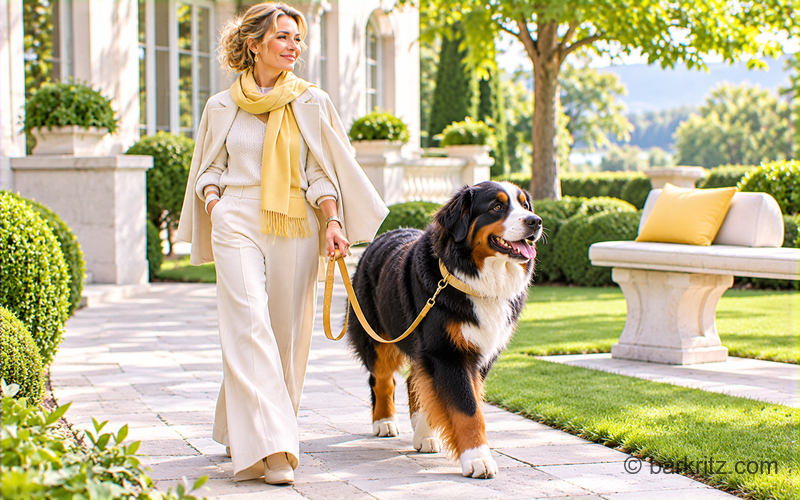
Aging gracefully is as much about thoughtful daily care as it is about genetics, and for large dog breeds, the years of maturity bring particular considerations. From the powerful Great Dane and dignified Bernese Mountain Dog to the athletic Labrador Retriever and noble German Shepherd, larger dogs often experience age-related changes earlier than their smaller counterparts. Their substantial frames, muscular demands, and breed-specific health tendencies make a carefully adapted wellness routine especially valuable.
Supporting a senior large-breed dog requires a holistic approach that considers nutrition, joint health, physical activity, cognitive stimulation, and preventive veterinary care. The objective is not simply to extend the number of years a dog enjoys, but to preserve comfort, mobility, curiosity, and quality of life throughout them.
Although aging cannot be prevented, its effects can often be managed through early observation and consistent care. A well-designed senior wellness plan should evolve with the individual dog, taking into account its breed, weight, medical history, temperament, and changing abilities.
At What Age Is a Large Dog Considered Senior, and What Changes Should Owners Expect?
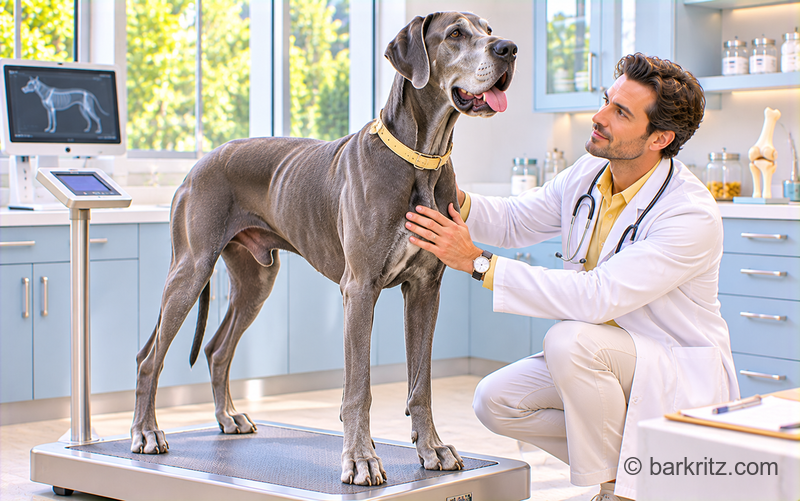
Large dogs are generally considered senior earlier than small breeds, often beginning around six or seven years of age, although the precise transition depends on body size, genetics, and individual health.
A Great Dane may show signs of aging considerably earlier than a medium-sized companion, while a healthy Labrador Retriever may remain active and energetic well into its senior years. Breed-specific life expectancy provides a useful general reference, but it should never replace an individualized veterinary assessment.
Several physical and behavioral changes may become noticeable as large dogs mature:
- Reduced stamina: walks that were once effortless may require a slower pace or additional rest.
- Joint stiffness: difficulty rising, climbing stairs, or jumping into a vehicle may indicate discomfort.
- Changes in body composition: muscle mass can gradually decline, while excess body fat may accumulate.
- Altered sleep patterns: senior dogs may rest more frequently or become restless during the night.
- Sensory changes: hearing and vision may gradually become less responsive.
- Behavioral differences: increased anxiety, confusion, irritability, or changes in social interaction deserve attention.
Large breeds also have particular orthopedic considerations. Hip dysplasia, elbow dysplasia, osteoarthritis, and other musculoskeletal conditions can affect mobility and comfort, although their likelihood varies considerably between breeds and individual dogs.
Owners should establish a wellness baseline before obvious signs of aging appear. Monitoring body weight, walking endurance, appetite, sleep, mobility, and general behavior makes it easier to recognize gradual changes.
A senior wellness assessment is an opportunity to discuss the dog’s individual risk factors, establish appropriate screening intervals, and identify changes that may benefit from early intervention. Sudden weakness, collapse, difficulty breathing, significant pain, or rapid changes in behavior should never be dismissed as ordinary aging.
How Should Nutrition Change to Support Healthy Aging in Large Dogs?
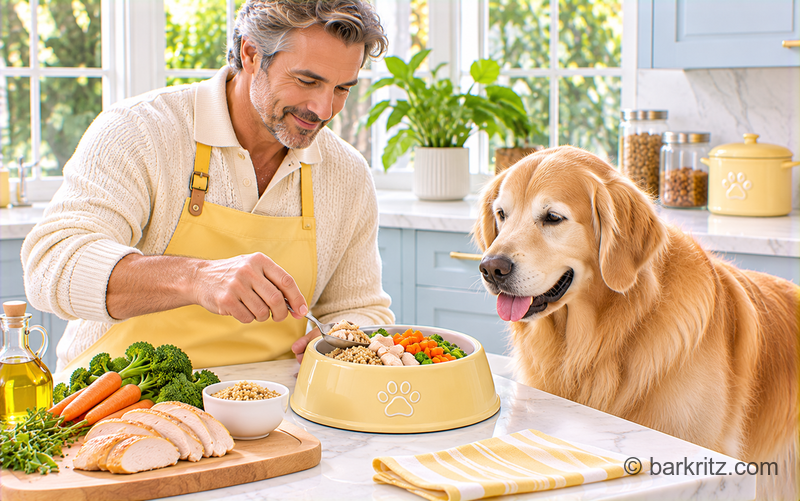
Senior large-breed nutrition should provide sufficient high-quality protein, appropriate calories, balanced essential nutrients, and a carefully controlled energy intake that reflects the dog’s changing metabolism and activity level.
As dogs age, their nutritional requirements may change. Some become less active and require fewer calories, while others experience muscle loss and need particular attention to maintaining lean body mass. A senior diet should therefore be selected according to body condition, medical history, activity, and veterinary recommendations rather than age alone.
Protein deserves special consideration. Healthy senior dogs generally benefit from adequate high-quality protein to help preserve muscle mass, especially as age-related muscle loss becomes more likely. Restricting protein without a specific medical reason can be counterproductive. Dogs with diagnosed kidney or other medical conditions may require an individualized nutritional plan.
Important nutritional priorities include:
- High-quality protein: supports muscle maintenance and normal body functions.
- Controlled calories: help prevent excess weight that places additional strain on joints.
- Appropriate dietary fats: provide energy and support skin, coat, and normal physiological functions.
- Omega-3 fatty acids: may help support joint health and a balanced inflammatory response.
- Digestible ingredients: can be useful for dogs experiencing changes in gastrointestinal tolerance.
- Adequate hydration: supports normal kidney function, digestion, and overall well-being.
Weight management is particularly important for large breeds. Even a relatively modest increase in body weight can place additional mechanical stress on hips, knees, and other weight-bearing structures. A veterinarian can assess body condition and recommend a suitable target weight.
Owners should also be cautious about supplements marketed for senior dogs. Glucosamine, chondroitin, omega-3 products, and other joint-support formulations vary in composition and evidence. They should be selected with veterinary guidance rather than added indiscriminately to an already balanced diet.
Feeding routines may benefit from modest adjustments. Some older dogs prefer smaller meals distributed throughout the day, particularly when appetite or digestive comfort changes. Fresh water should always remain accessible, and any persistent increase in thirst, appetite loss, unexplained weight change, or digestive disturbance warrants veterinary investigation.
The most effective senior diet is not necessarily the most expensive or elaborate. It is the one that maintains an appropriate body condition, supports the dog’s nutritional needs, and can be adjusted as its health evolves.
How Can Owners Protect Joint Health and Maintain Mobility in Senior Large Breeds?
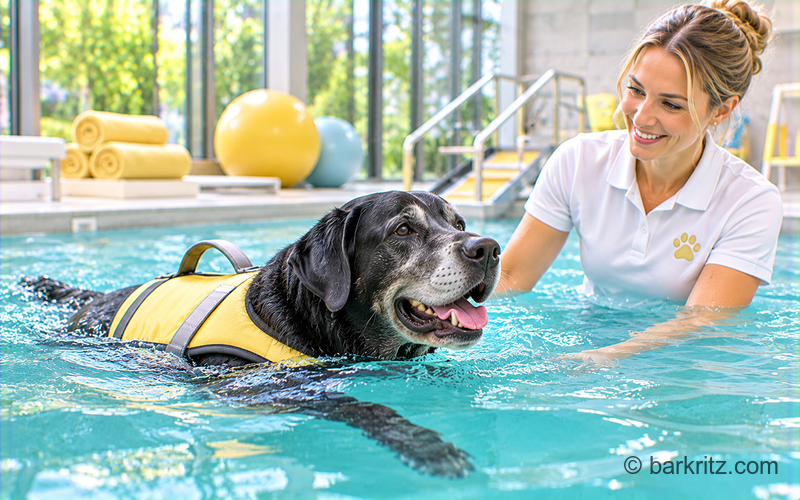
The best way to preserve mobility in aging large dogs is to combine regular low-impact exercise, appropriate weight management, comfortable living arrangements, and early veterinary attention to musculoskeletal changes.
Large dogs place substantial mechanical demands on their joints throughout life. Years of running, jumping, climbing, and carrying body weight can contribute to wear and degenerative changes, particularly in breeds predisposed to orthopedic conditions.
However, reducing exercise too dramatically can also be harmful. Inactivity contributes to muscle loss, reduced endurance, and weight gain, all of which can make movement more difficult. The objective is to maintain consistent, comfortable activity rather than pursue strenuous performance.
A senior mobility routine may include:
- Controlled daily walks: shorter, more frequent outings can be easier to manage than occasional long excursions.
- Gentle swimming: when appropriate and supervised, water-based exercise reduces weight-bearing stress.
- Slow leash walks: allow dogs to maintain movement without repeated sudden acceleration or impact.
- Veterinarian-approved rehabilitation: targeted exercises may help preserve strength, balance, and coordination.
- Gentle play: controlled games provide physical activity and mental engagement without excessive jumping or twisting.
The home environment should evolve alongside the dog’s mobility. Non-slip flooring, supportive orthopedic bedding, ramps for vehicle access, and strategically positioned resting areas can make everyday movement more comfortable.
Stairs deserve particular attention. Dogs experiencing weakness or joint discomfort may struggle with steep steps, especially when descending. Where possible, provide safer routes and avoid encouraging repeated stair climbing when it causes difficulty.
Regular nail trimming is another practical detail that is sometimes overlooked. Overgrown nails can alter paw positioning and make walking less comfortable. Paw pads should also be checked for irritation, injury, or changes in sensitivity.
Owners should learn to recognize subtle signs of joint discomfort. A dog does not necessarily need to limp to be experiencing pain. Reluctance to rise, hesitation before jumping, stiffness after sleeping, or a preference for shorter walks may all justify an examination.
If osteoarthritis or another orthopedic condition is diagnosed, treatment may involve a combination of weight management, pain-control medication, rehabilitation, environmental adjustments, and other veterinary interventions. Treatment should be tailored to the individual dog and monitored over time.
Which Veterinary Checkups and Preventive Screenings Are Essential for Aging Large Dogs?
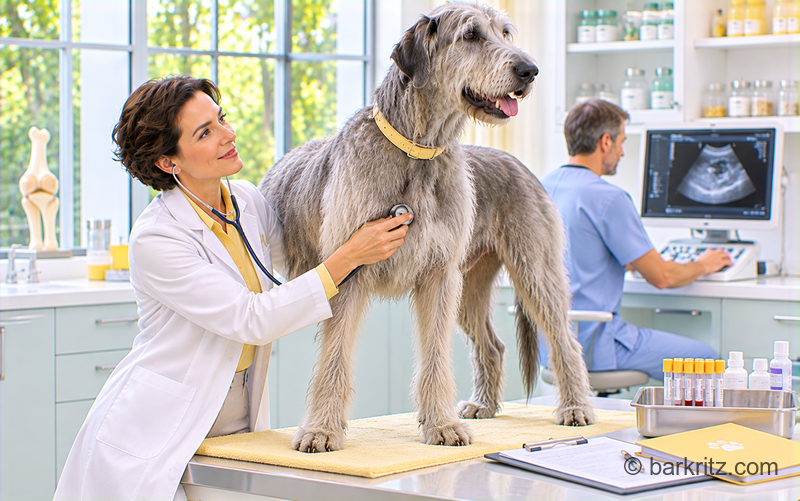
Senior large dogs benefit from more frequent veterinary assessments, generally at least twice a year, with additional examinations and diagnostic testing determined by their age, breed, medical history, and clinical condition.
A regular examination allows veterinarians to identify changes that may not yet be obvious at home. Blood tests, urine analysis, blood-pressure measurements, and other investigations can help evaluate organ function and detect certain conditions before they become advanced.
The precise screening plan should be individualized, but senior wellness appointments commonly address several important areas:
- Blood chemistry and complete blood count: help assess general health and identify potential abnormalities.
- Urinalysis: provides information about urinary health and can support the evaluation of kidney function.
- Blood pressure: may help identify hypertension, particularly when other health concerns are present.
- Cardiac assessment: includes listening to the heart and determining whether additional testing is appropriate.
- Orthopedic examination: evaluates joint movement, muscle condition, gait, and possible sources of discomfort.
- Dental assessment: identifies periodontal disease, damaged teeth, and oral inflammation.
- Body-condition evaluation: helps monitor weight, muscle mass, and nutritional status.
Certain large breeds have additional considerations. Great Danes and other giant breeds may require particular attention to cardiac health, while German Shepherds and Labrador Retrievers may benefit from careful monitoring of mobility and joint function. Individual family history can be just as relevant as breed.
Cancer screening and investigation of unexplained lumps also become increasingly important with age. Owners should have new growths examined rather than assuming that they are harmless consequences of aging.
Dental health should not be neglected. Periodontal disease can cause discomfort, affect eating, and contribute to broader health concerns. Regular home dental care and professional assessment help maintain oral health.
A useful practice is to keep a dedicated senior health record containing examination findings, laboratory results, medication information, weight measurements, and changes observed at home. Reviewing these records over time can reveal gradual trends that might otherwise be overlooked.
The purpose of preventive care is not to subject an older dog to unnecessary testing, but to identify appropriate investigations at the right time. Every procedure should have a clear clinical rationale and be discussed with the veterinarian.
How Can Owners Support Mental Well-Being and Quality of Life in Senior Large Dogs?
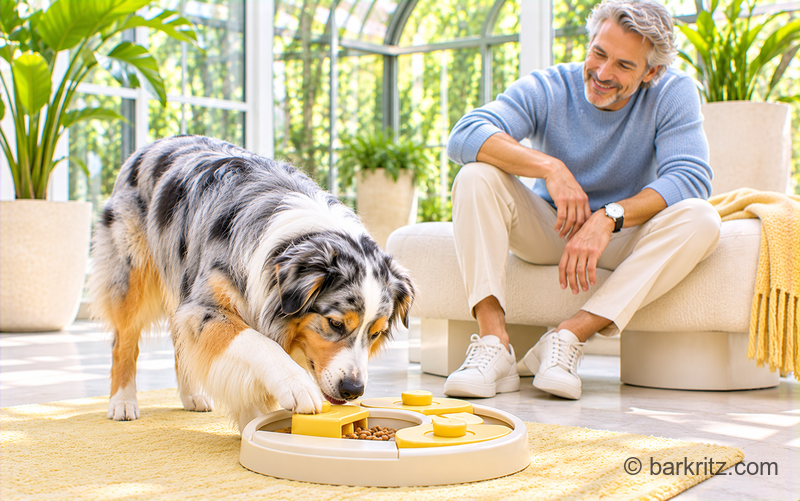
Maintaining a senior dog’s quality of life requires consistent mental stimulation, familiar routines, social interaction, comfortable surroundings, and activities adapted to its changing physical and cognitive abilities.
Physical health is only one dimension of healthy aging. Large dogs that have spent years exploring, learning, playing, and interacting with their families also need opportunities to remain mentally engaged as their bodies become less energetic.
Cognitive stimulation does not have to involve complicated training or demanding activities. Simple, enjoyable experiences can provide meaningful enrichment without placing excessive strain on aging joints.
Consider incorporating the following into a senior dog’s daily routine:
- Scent-based games: encourage natural sniffing behavior through carefully placed treats or familiar scent trails.
- Food puzzles: provide gentle problem-solving opportunities while making mealtimes more engaging.
- Short training sessions: reinforce familiar commands and introduce simple new behaviors at a comfortable pace.
- Sensory walks: allow time to investigate familiar surroundings through smell, sound, and observation.
- Gentle social interaction: maintain contact with familiar people and compatible animals.
- Comfortable resting spaces: provide quiet, supportive areas where the dog can sleep without disturbance.
Routine can be particularly valuable for senior dogs. Consistent meal times, predictable walks, familiar sleeping arrangements, and calm transitions between activities help create a sense of security.
Some older dogs develop changes in sleep, orientation, social behavior, or house-training habits. These may be associated with sensory decline, pain, medical conditions, or canine cognitive dysfunction. Repeated confusion, nighttime restlessness, altered interaction, or apparent disorientation should be discussed with a veterinarian rather than automatically attributed to old age.
Owners should also reassess how their dogs experience familiar activities. A companion that once enjoyed long hikes may now prefer a shorter woodland walk followed by an extended rest. Respecting these preferences is not a reduction in care; it is an adaptation that allows the dog to continue enjoying life comfortably.
The emotional relationship between owner and dog remains especially important during the senior years. Gentle grooming, relaxed companionship, familiar games, and regular affection can provide reassurance and strengthen the bond.
Healthy aging in large dog breeds is ultimately a long-term commitment to observation, adaptation, and compassionate care. With thoughtful nutrition, appropriate movement, preventive veterinary attention, and meaningful daily enrichment, owners can help their companions remain comfortable, engaged, and valued throughout their later years. The measure of a successful senior life is not simply how long a dog remains active, but how well it continues to enjoy the world around it.