

How to Extend Your Dog’s Lifespan with Science-Backed Habits
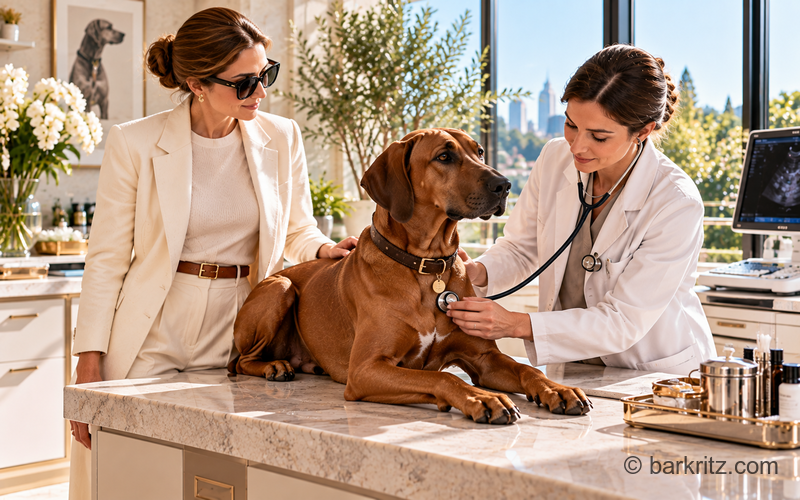
A longer life with a beloved dog is rarely the result of a single intervention. It is more often shaped by a succession of informed decisions: maintaining a healthy body condition, choosing appropriate nutrition, preserving mobility, detecting disease early and protecting emotional well-being. For the Four-Legged Elite, the most meaningful approach to canine longevity combines attentive daily care with veterinary science, individualized prevention and consistent monitoring. The objective is not simply to add years, but to preserve vitality, comfort and quality of life throughout them.
Which Nutritional Habits Are Most Important for Canine Longevity?

Maintaining an appropriate body condition through complete, balanced nutrition and carefully managed portions is one of the most important practical foundations of a dog’s long-term health.
Excess body fat can contribute to joint strain, metabolic complications and reduced mobility, while inadequate nutrition can compromise muscle mass and normal physiological function. The ideal diet depends on the dog’s age, breed, activity level, reproductive status and medical history, making individualized guidance more valuable than fashionable feeding trends.
A science-informed nutritional routine should prioritize:
- Body condition: Ask your veterinarian to assess body condition and muscle condition regularly rather than relying on weight alone.
- Complete nutrition: Choose a nutritionally complete diet appropriate for the dog’s life stage and individual needs.
- Portion control: Measure daily food intake and account for treats, chews and table-food extras.
- Protein adequacy: Provide sufficient high-quality protein to support muscle maintenance, with adjustments when medically indicated.
- Healthy weight management: Reassess portions as activity, age and metabolism change.
- Evidence over trends: Discuss raw diets, supplements and restrictive feeding protocols with a veterinarian before making changes.
Treats can remain part of an enjoyable routine, but they should complement rather than displace balanced meals. There is no single diet proven to extend every dog’s lifespan; the most defensible strategy is nutritional adequacy, a healthy body condition and regular reassessment.
How Much Exercise Does a Dog Need to Stay Healthy for Longer?
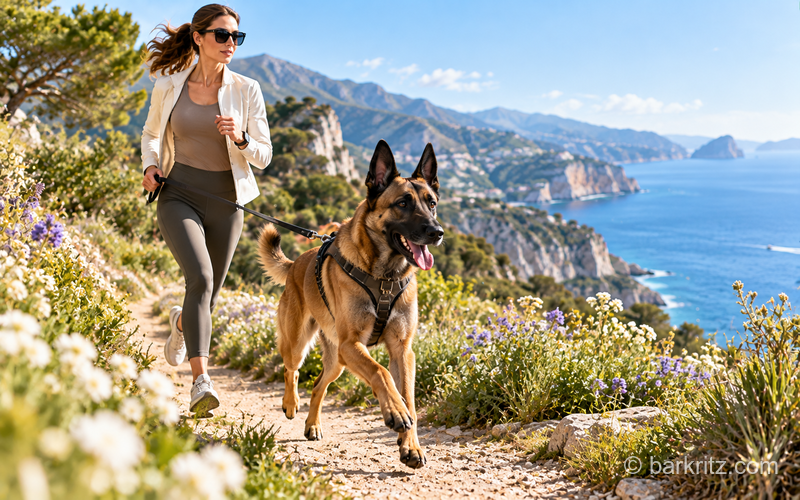
Consistent, appropriately scaled physical activity helps preserve muscle strength, mobility, cardiovascular fitness and healthy body weight throughout a dog’s life.
Exercise requirements vary substantially between breeds and individuals. A young working-breed dog may thrive on extended walks and structured activities, while a small companion breed or senior dog may benefit more from several shorter outings. The goal is sustainable movement rather than exhausting the animal.
A well-designed activity routine can combine:
- Daily walks: Provide regular opportunities for movement, exploration and sensory stimulation.
- Strength and mobility: Use veterinarian-approved activities suited to the dog’s physical condition.
- Play: Incorporate age-appropriate games that encourage movement without excessive impact.
- Mental enrichment: Introduce scent games, training and puzzle activities to engage the dog’s mind.
- Recovery: Allow sufficient rest and adjust intensity after demanding activity.
- Individual adaptation: Reduce duration or impact when age, heat, injury or a medical condition warrants it.
Watch for persistent stiffness, limping, reluctance to climb stairs, unusual panting or a noticeable reduction in stamina. These changes should not automatically be dismissed as normal aging. A veterinarian can help distinguish expected changes from pain, arthritis, cardiovascular disease or other conditions that may respond to treatment.
Which Preventative Veterinary Checks Can Detect Disease Earlier?
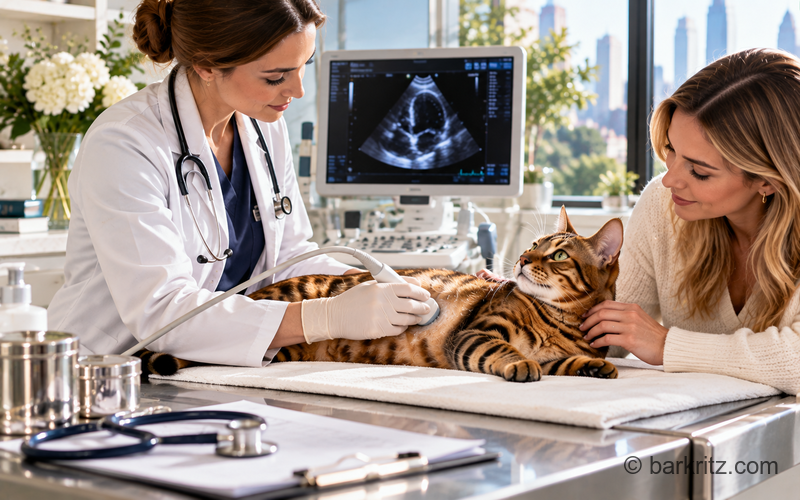
Regular veterinary examinations combined with risk-based screening offer the best opportunity to identify developing health problems before they become more difficult to manage.
Preventative care should evolve throughout the dog’s life rather than follow an identical schedule from puppyhood to old age. Breed-associated conditions, family history, lifestyle, geography and existing diagnoses all influence which assessments are appropriate and how frequently they should be performed.
A tailored preventative program may include:
- Routine examinations: Assess weight, body condition, heart and lung function, mobility, skin, ears and general behavior.
- Dental evaluations: Identify periodontal disease, damaged teeth and oral discomfort.
- Vaccination: Maintain protection according to lifestyle, exposure risk and local veterinary guidance.
- Parasite prevention: Select appropriate protection against relevant parasites based on geography and exposure.
- Laboratory screening: Use bloodwork and urine testing when age, symptoms, medical history or risk factors justify it.
- Breed-specific assessment: Consider recommended cardiac, ophthalmic, orthopedic or genetic evaluations.
- Senior monitoring: Review changes in mobility, appetite, thirst, urination, sleep and cognition as the dog ages.
Screening is most useful when it is selected for a reason and interpreted in context. More testing is not automatically better for every healthy animal, and no screening program can guarantee a longer lifespan. The value lies in identifying meaningful risks, establishing baselines and acting promptly when findings warrant further investigation.
How Can Dental Care, Sleep and Emotional Well-Being Support Longevity?
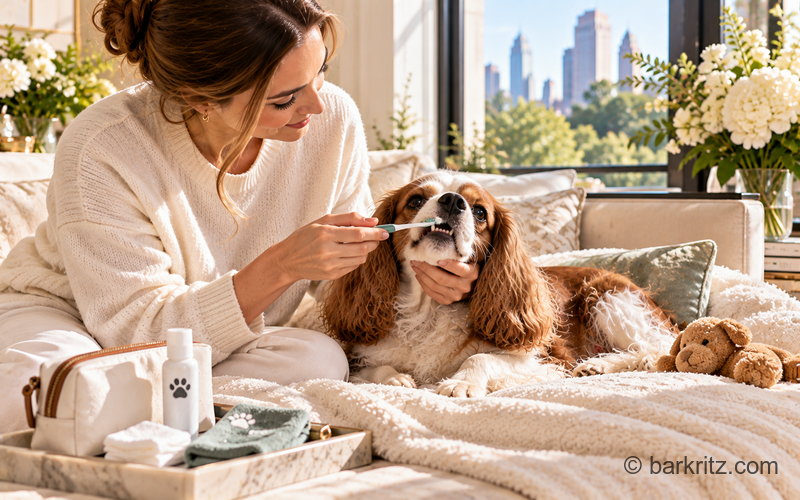
Consistent dental hygiene, restorative sleep and a stable, enriching environment support a dog’s overall health and help preserve comfort and function throughout life.
Oral health deserves particular attention because periodontal disease is common in dogs and can cause pain, inflammation and difficulty eating. Daily toothbrushing with a dog-specific toothpaste is a useful preventive habit, while veterinary examinations determine whether professional dental treatment is needed. Human toothpaste should not be used for dogs.
Other foundational habits include:
- Dental maintenance: Introduce toothbrushing gradually and arrange professional assessment when recommended.
- Quality sleep: Provide a quiet, comfortable resting area with bedding suited to the dog’s size and mobility.
- Mental stimulation: Use positive-reinforcement training, scent work and appropriate interactive toys.
- Social connection: Offer predictable, positive interaction with familiar people and compatible animals.
- Stress reduction: Maintain consistent routines and provide a safe retreat when the environment becomes overwhelming.
- Environmental safety: Limit exposure to extreme temperatures, toxic foods, unsafe substances and preventable injuries.
Behavioral changes can also reveal physical discomfort. Withdrawal, irritability, disrupted sleep or reduced interest in familiar activities may justify a veterinary assessment rather than simply a change in routine.
Which Daily Habits Make the Greatest Difference as Your Dog Ages?
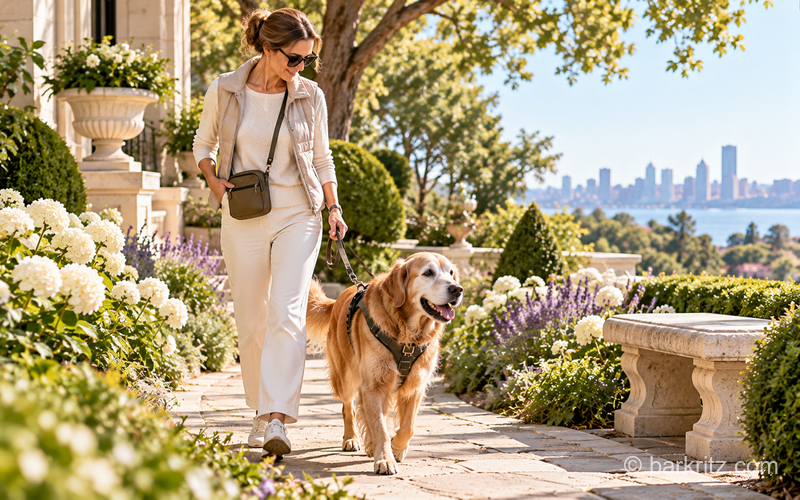
The strongest long-term approach combines a consistent daily routine with regular reassessment, allowing nutrition, exercise, veterinary care and the home environment to evolve as the dog grows older.
Longevity is influenced by genetics, breed, disease, environment and chance, so no owner can guarantee a particular lifespan. Nevertheless, consistent care creates opportunities to reduce preventable risks and respond earlier when a dog’s needs change.
A practical longevity routine can include:
- Every day: Provide appropriate meals, fresh water, suitable movement, enrichment and observation of normal behavior.
- Every week: Check the dog’s coat, skin, ears, nails and mobility, and note any persistent changes.
- At veterinary intervals: Review body condition, dental health, parasite prevention, vaccinations and any indicated screening.
- As the dog ages: Reassess diet, exercise intensity, pain management, home accessibility and examination frequency.
- When something changes: Seek veterinary advice for unexplained weight loss, persistent appetite changes, increased thirst, breathing difficulties, new lumps or altered mobility.
A simple health journal can make these observations more useful. Recording weight, appetite, activity, medication and recurring symptoms helps identify gradual changes that might otherwise go unnoticed.
The most meaningful measure of canine longevity is not age alone, but the number of years a dog can remain comfortable, engaged and capable of enjoying its daily life. Science-backed habits cannot stop aging, yet thoughtful nutrition, appropriate activity, preventative medicine and attentive companionship can help give each stage of life the strongest possible foundation.