

Best Preventative Care Plans for Luxury Pets

For owners of exceptional companion animals, preventative care is less about reacting to illness than about preserving vitality, mobility and quality of life over the longest possible horizon. The finest veterinary programs now resemble a private health strategy: individualized to breed, age, genetics, lifestyle and environment, with sophisticated diagnostics scheduled before subtle changes become visible. For the Four-Legged Elite, the objective is clear—anticipate risk, establish meaningful health baselines and maintain a precise record of every variable that can influence longevity.
What Should a Preventative Care Plan for a High-Value Pet Actually Include?
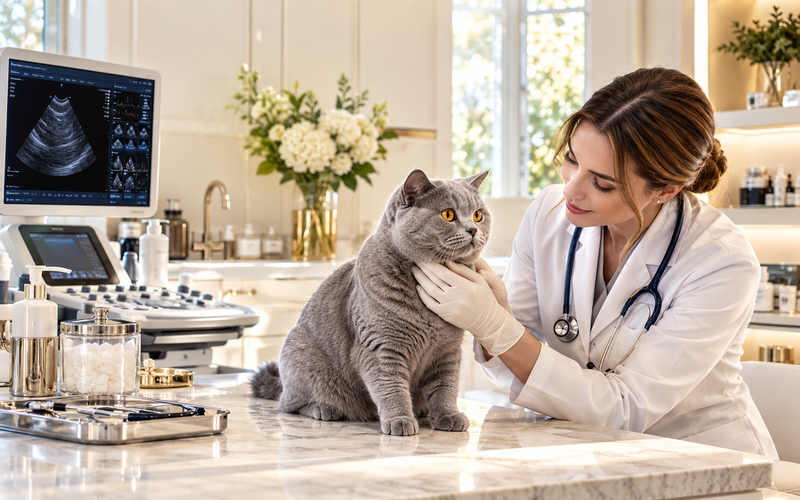
A superior preventative care plan combines individualized examinations, diagnostics, nutrition, dental care, parasite protection and continuous monitoring into one coordinated health strategy rather than a collection of routine appointments.
For an exceptional dog or cat, an annual vaccination visit alone is no longer an adequate definition of preventative medicine. A comprehensive program should establish a baseline early in life and then adjust its intensity as the animal ages, travels, competes, breeds or develops breed-specific vulnerabilities.
Key elements include:
- Comprehensive physical examinations: At least annually, with more frequent assessments for senior animals.
- Vaccination planning: Protocols calibrated to age, lifestyle and exposure rather than applied indiscriminately.
- Laboratory baselines: Complete blood count and chemistry testing when clinically appropriate, establishing reference values for future comparison.
- Targeted screening: Urinalysis, fecal screening and additional infectious-disease testing where appropriate.
- Dental care: Professional assessment combined with a structured home oral-care regimen.
- Condition monitoring: Weight, body condition and muscle mass tracked over time.
- Parasite prevention: Protection selected according to geographic exposure and travel patterns.
- Breed-specific screening: Evaluation for inherited or statistically significant conditions.
The most valuable feature is continuity: the veterinarian should be able to compare today’s findings with an established historical profile rather than evaluate every appointment in isolation.
How Often Should a Sophisticated Preventative Health Screening Be Performed?

For most healthy adult pets, a detailed veterinary examination at least once a year is a sensible foundation, while senior animals and pets with elevated genetic or lifestyle risks generally benefit from more frequent monitoring.
The ideal schedule should be determined by biological age rather than the calendar alone. A young, healthy cat living indoors may require a different surveillance strategy from an elderly Persian, a giant-breed dog, a highly active sporting animal or a pet that travels internationally with its owner.
A refined wellness calendar may include:
- Young animals: Foundational examinations, vaccination planning, parasite prevention, dental development and genetic-risk assessment.
- Mature adults: Annual physical examinations with diagnostic testing selected according to breed, lifestyle and previous results.
- Senior pets: Examinations approximately every six months, with laboratory and imaging diagnostics guided by individual risk.
- High-risk breeds: Earlier and potentially more frequent screening for recognized hereditary conditions.
- Frequent travelers: Additional infectious-disease, parasite and vaccination considerations based on destinations.
This approach turns preventative medicine into a longitudinal discipline. Small deviations in weight, kidney markers, cardiac findings, dental health or mobility can become clinically meaningful when viewed against years of carefully maintained records.
Which Advanced Diagnostics Are Worth Adding to a Premium Pet Wellness Program?
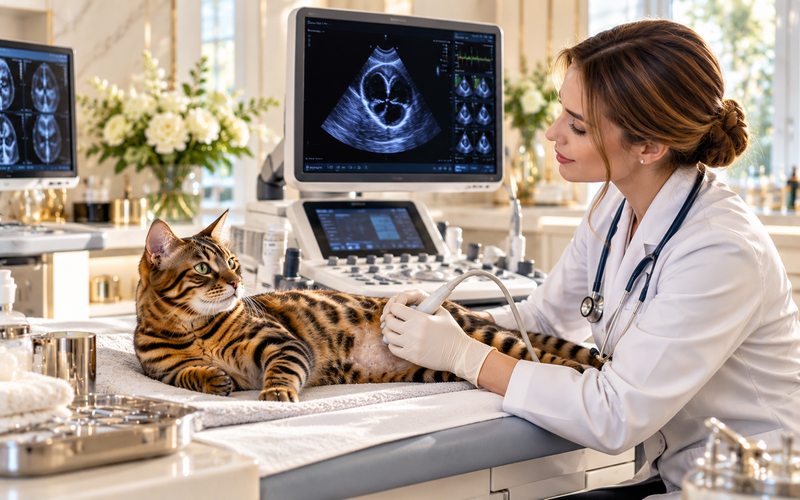
Advanced diagnostics are most valuable when they answer a defined clinical question or establish a meaningful baseline for an animal whose age, breed or history creates a measurable risk.
Modern veterinary medicine offers considerably more than routine bloodwork, but sophistication should never mean indiscriminate testing. The best private-care programs use diagnostics selectively, matching each examination to the animal’s risk profile.
Depending on the pet, a premium screening program may incorporate:
- Cardiac evaluation: Blood pressure measurement, electrocardiography or echocardiography when indicated by breed, age, symptoms or examination findings.
- Imaging: Ultrasound or radiography for selected organs, joints or areas of concern.
- Genetic screening: Particularly valuable for breeds with established hereditary disorders or for responsible breeding programs.
- Ophthalmic examinations: Useful for breeds predisposed to inherited or age-related eye disorders.
- Orthopedic assessment: Especially relevant to large breeds, working dogs and animals showing early changes in gait or muscle condition.
- Expanded laboratory panels: Selected according to age, previous results and organ-specific risk rather than simply maximizing the number of tests.
The principle is precision. A beautifully organized diagnostic history can be more valuable than a single spectacular screening package because it reveals trends—the gradual change that may precede a visible clinical problem.
How Should Nutrition, Dental Health and Fitness Be Built Into Preventative Care?

The strongest preventative programs treat nutrition, oral health and physical conditioning as measurable components of medicine rather than lifestyle accessories.
For pets with demanding lifestyles or carefully managed environments, daily habits can have as much influence on long-term wellbeing as the annual veterinary examination. Nutrition should reflect age, body composition, activity and known medical risks, while exercise should preserve functional strength without creating unnecessary orthopedic stress.
A sophisticated wellness protocol can track:
- Body weight and body-condition score: Recorded at regular intervals.
- Muscle mass and mobility: Particularly important for mature and senior animals.
- Caloric intake: Including significant dietary changes and treats.
- Dental hygiene: Home care, professional cleanings and periodontal findings.
- Exercise: Duration, intensity and recovery.
- Skin and coat condition: As part of the broader physical assessment.
- Behavioral changes: Including appetite, thirst, sleep, elimination and activity patterns.
Dental care deserves particular attention because oral disease can develop quietly while affecting eating, comfort and overall health. Similarly, maintaining lean muscle mass becomes increasingly important with age, making controlled movement and appropriate nutrition integral parts of a long-term wellness strategy.
What Makes a Truly Exceptional Preventative Care Plan Worth the Investment?

The finest preventative care plan is defined not by its price or the number of tests it contains, but by its degree of personalization, continuity and ability to identify meaningful changes before they become major health events.
For owners accustomed to private, highly individualized services, the veterinary equivalent should provide a similarly disciplined experience. A dedicated primary veterinarian, access to appropriate specialists, centralized medical records and a clearly defined screening calendar create a level of continuity that fragmented care cannot easily reproduce.
The most valuable characteristics include:
- A personalized health baseline: Established early and updated systematically.
- Breed-specific risk management: Rather than generic wellness protocols.
- Senior-care escalation: As biological age and individual risk increase.
- Integrated records: Covering examinations, laboratory work, imaging, dental care, nutrition and medications.
- Specialist access: When cardiology, dermatology, ophthalmology, oncology, dentistry or orthopedics becomes relevant.
- Travel preparedness: For pets regularly moving between states or countries.
- Clear thresholds for action: So emerging changes trigger timely reassessment rather than passive observation.
Preventative medicine ultimately becomes an exercise in stewardship. For a cherished companion whose health, mobility and vitality are considered part of the household’s long-term priorities, the most sophisticated strategy is remarkably simple: know the animal’s normal state, monitor it intelligently and intervene before a small deviation becomes a defining medical event.