

Rare Sphynx Cat Colors and Their Unique Traits
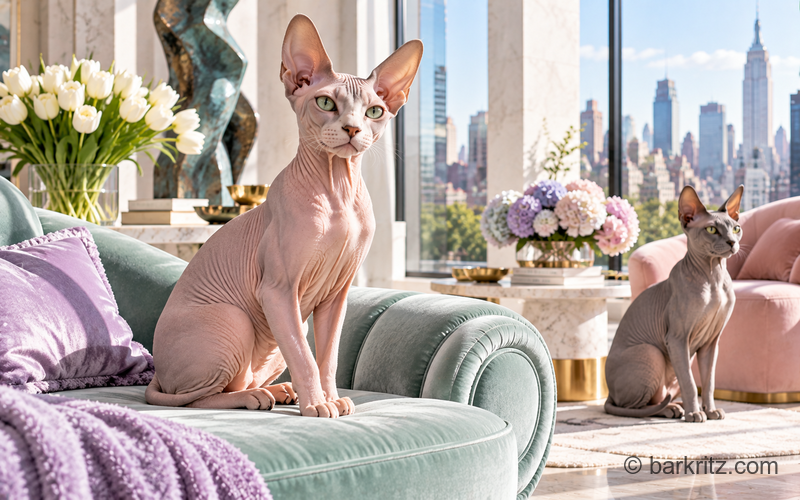
The Sphynx is one of the most distinctive breeds in the feline world, celebrated for its sculptural silhouette, prominent cheekbones, oversized ears and remarkably expressive skin. Without a conventional fur coat to soften its appearance, every variation in pigmentation becomes part of the cat’s visual identity. From delicate lavender and cool blue to intricate tortoiseshell patterns, rare Sphynx colors offer a fascinating study in feline genetics, individuality and natural beauty. For the Four-Legged Elite, understanding these variations adds another dimension to appreciating this extraordinary breed.
Which Rare Sphynx Cat Colors Are Most Distinctive?
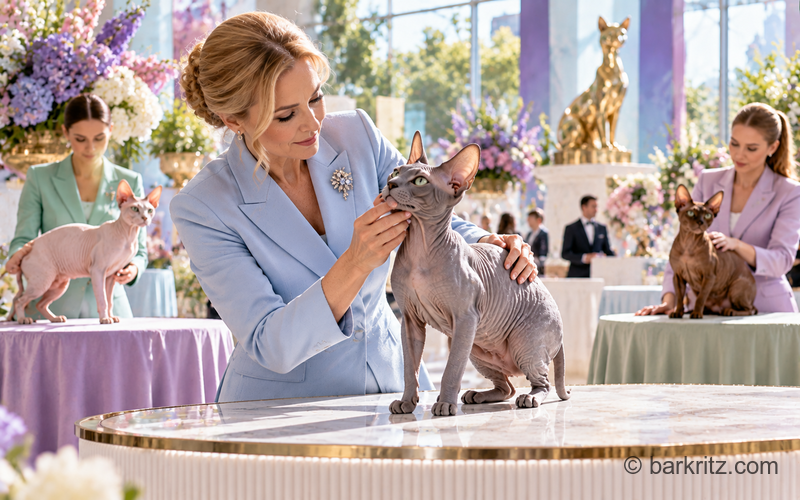
Rare Sphynx colors stand out through unusual combinations of pigmentation, undertone and pattern, although their relative rarity depends on the breeding population and the genetic combinations involved.
Unlike fully coated cats, Sphynx cats display their coloring directly on their skin, sometimes with a fine layer of peach-fuzz-like hair that can subtly influence the appearance of the pigment. The result is a palette that can appear especially delicate under natural light, with subtle variations across the nose, ears, paws and body.
Among the most distinctive recognized color variations are:
- Lilac: A diluted chocolate-based color that can appear pale pinkish-grey with a cool, powdery undertone.
- Blue: A diluted black pigment that creates a soft slate-grey or blue-grey appearance.
- Chocolate: A warm brown coloration that can range from milk-chocolate tones to deeper cocoa shades.
- Cinnamon: A lighter, reddish-brown pigment that may appear warm and subtly coppery.
- Fawn: A diluted cinnamon coloration, often presenting as a delicate beige or pale warm grey-brown.
- Red and cream: Warm pigment variations ranging from soft apricot to deeper reddish tones, sometimes accompanied by tabby markings.
Color terminology can vary between registries, and some shades are uncommon in particular breeding lines rather than universally rare across the breed. The most reliable identification comes from pedigree information and, where appropriate, genetic testing rather than appearance alone.
What Makes a Lavender or Lilac Sphynx Cat So Unusual?
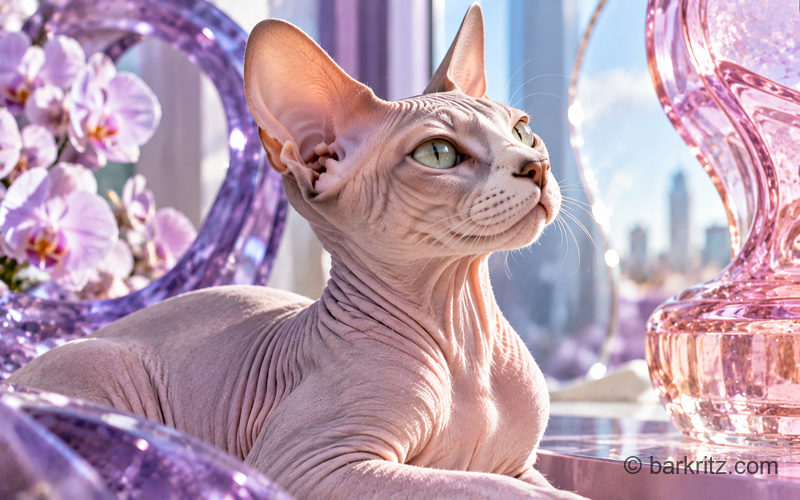
A lilac Sphynx is distinguished by its diluted chocolate-based pigmentation, which produces a subtle pinkish-grey appearance rather than the more familiar charcoal or slate tones.
The effect is particularly striking on hairless skin, where the color can seem almost powdery under soft daylight. Depending on the individual cat’s genetics, age and natural skin condition, the overall impression may shift between warm mauve, pale grey and delicate beige-pink.
Several characteristics make lilac Sphynx cats visually distinctive:
- Undertone: A soft pinkish or mauve cast rather than a neutral grey.
- Nose leather: Often harmonizes with the overall diluted pigmentation.
- Skin folds: Can create delicate tonal variations around the forehead, muzzle and shoulders.
- Eye appearance: Eye color varies and should not be inferred from lilac pigmentation alone.
- Genetic background: The shade is associated with chocolate pigmentation combined with dilution.
Lilac is not a separate breed or a guarantee of superior quality; it is a color variation within the Sphynx. Responsible breeders prioritize health, temperament and sound conformation over producing a particular shade.
How Do Blue, Fawn and Cinnamon Sphynx Colors Differ?
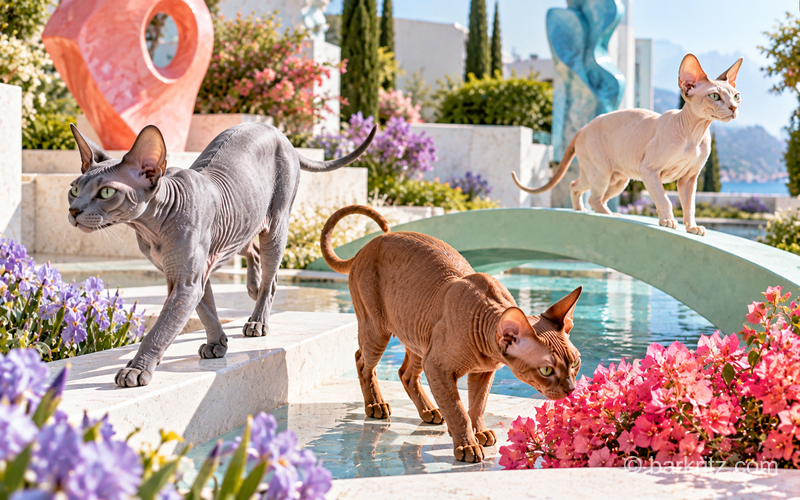
Blue, fawn and cinnamon Sphynx cats differ primarily in their underlying pigment genetics, creating a spectrum that ranges from cool grey to warm beige and reddish brown.
Blue coloration results from dilution of black pigment, while cinnamon is associated with a distinct brown pigment pathway. Fawn is the diluted form of cinnamon, giving it a softer and lighter appearance. On a Sphynx, these differences can be especially visible because the skin is not covered by a dense coat.
The main distinctions are:
- Blue: Cool slate-grey or blue-grey pigmentation with a relatively neutral or cool impression.
- Cinnamon: Warm reddish-brown pigmentation with copper or caramel undertones.
- Fawn: A softer, diluted cinnamon shade that often appears pale beige or warm grey-brown.
- Lilac: Diluted chocolate pigmentation, generally cooler and pinker than cinnamon-based colors.
Lighting can significantly affect how these shades appear in photographs, particularly when warm indoor illumination makes cool pigmentation look more beige. For accurate identification, breeders and judges consider the entire color presentation alongside pedigree records and applicable breed standards.
Why Are Tortoiseshell and Unusual Patterned Sphynx Cats So Individual?
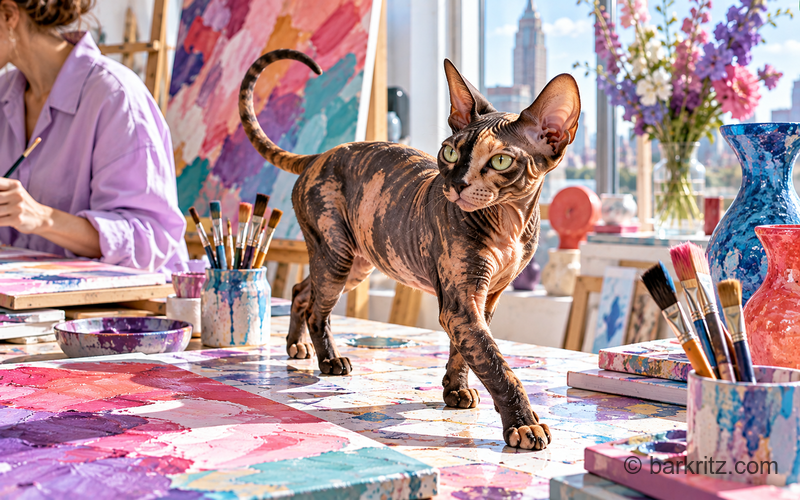
Tortoiseshell Sphynx cats are distinctive because their skin displays a mixture of red-based and darker pigmentation, creating irregular patches that make each individual visually unique.
The classic tortoiseshell pattern is associated with the X chromosome and the genetic mechanisms that produce different pigment expression in different skin-cell populations. Because female cats typically have two X chromosomes, tortoiseshell coloration is much more common in females; male tortoiseshell cats are uncommon and may have a chromosomal configuration such as XXY.
Recognized and notable pattern variations include:
- Black tortoiseshell: A combination of black-based and red pigmentation.
- Blue-cream: A diluted combination of blue-grey and cream.
- Chocolate tortoiseshell: Chocolate-based pigmentation mixed with red.
- Lilac-cream: A diluted combination producing soft grey-pink and cream tones.
- Tabby markings: Stripes, swirls or other patterned pigmentation that may appear alongside different base colors.
- Bicolor patterns: Contrasting areas of pigmentation that can create distinctive visual divisions across the body.
On a Sphynx, these patterns can appear almost painterly, particularly around the face, shoulders and flanks. No two tortoiseshell patterns are exactly alike, making the individual distribution of pigment a notable feature of each cat rather than a standardized design.
Does a Rare Sphynx Color Affect Health, Temperament or Care?
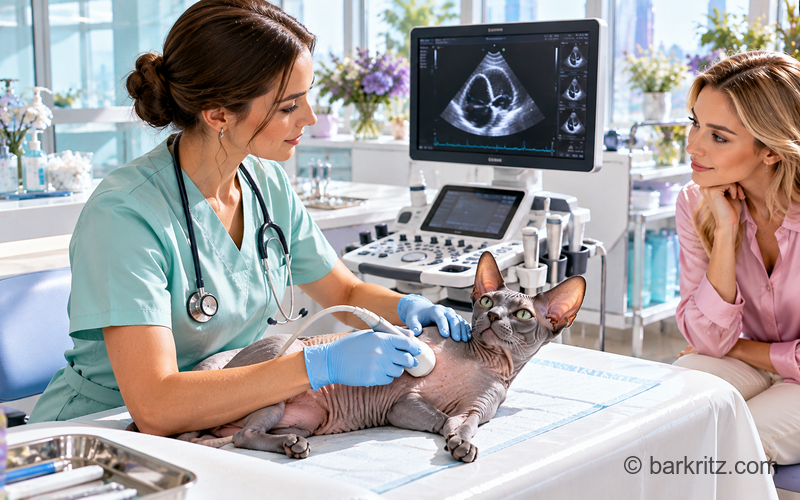
A Sphynx cat’s color generally does not determine its temperament or overall health, while its exposed skin makes consistent environmental protection and routine veterinary care essential regardless of pigmentation.
The breed is known for its affectionate, people-oriented nature, although individual personalities vary with genetics, socialization and experience. Likewise, a rare color should never be treated as evidence of superior health, pedigree quality or breeding value.
Owners should concentrate on the needs shared by Sphynx cats:
- Skin maintenance: Clean gently as recommended by a veterinarian, since natural skin oils can accumulate.
- Temperature management: Provide warm resting areas and protect the cat from excessive cold or heat.
- Sun protection: Limit direct, prolonged exposure to strong sunlight; pigmentation does not eliminate the risk of sun damage.
- Ear care: Check the prominent ears regularly and clean only as advised by a veterinary professional.
- Cardiac screening: Discuss screening for hypertrophic cardiomyopathy, a recognized concern in the breed.
- Responsible breeding: Ask about health screening, pedigree documentation and the breeder’s approach to inherited conditions.
Color genetics can help explain a Sphynx’s appearance, but they do not replace a comprehensive assessment of health and welfare. Prospective owners should seek transparent breeding records and veterinary documentation rather than paying a premium solely for an uncommon shade.
Ultimately, the appeal of a rare Sphynx color lies in the interplay of genetics, natural pigmentation and the breed’s unmistakable sculptural form. Whether dressed in delicate lilac, cool blue, warm cinnamon or intricate tortoiseshell, each Sphynx presents a distinctive expression of feline individuality. The most exceptional companion is not necessarily the rarest in color, but the one whose health, temperament and care make it a remarkable presence in the home.