
Best Guard Dog Breeds for Luxury Properties
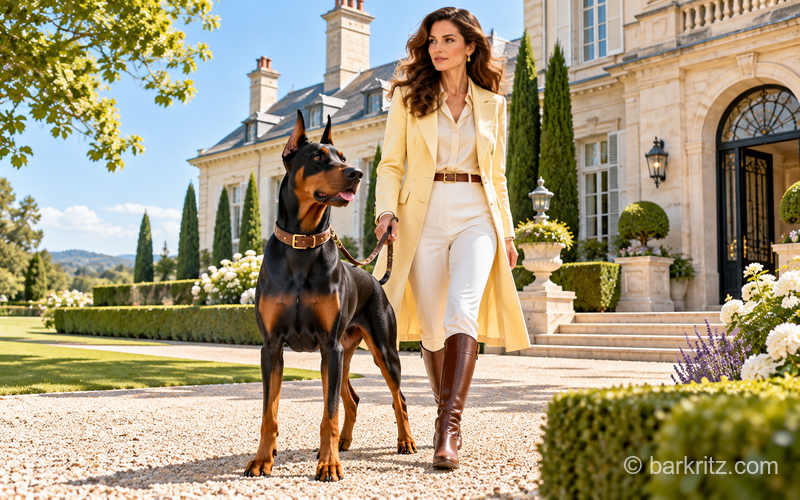
A distinguished estate requires a considered approach to security, one that balances architectural elegance, privacy, and the well-being of everyone who lives on the property. For many owners, a carefully selected dog can contribute an additional layer of awareness through its presence, alertness, and established guarding instincts. The most suitable breeds combine physical capability with stable temperament, reliable training, and the ability to adapt to the rhythms of a household. From imposing German Shepherds to formidable but composed Bullmastiffs, the ideal companion is not simply the most intimidating dog, but the one whose instincts and personality fit the property and its residents.
Which Guard Dog Breeds Are Best Suited to Large Estates?
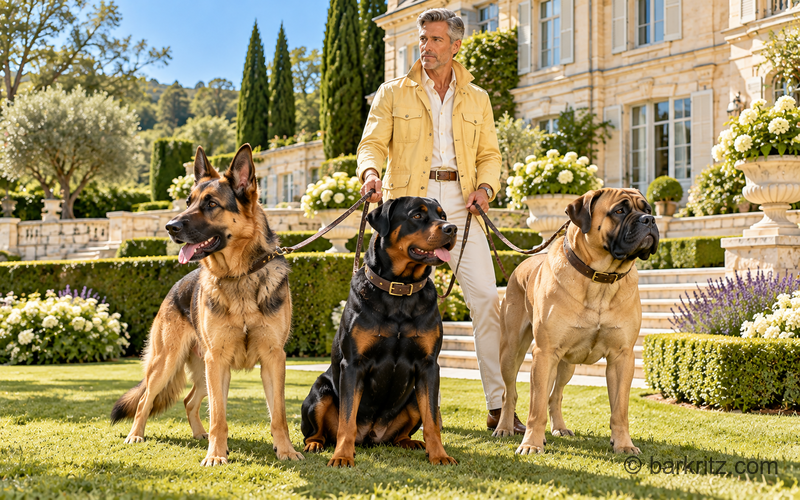
German Shepherds, Doberman Pinschers, Rottweilers, and Bullmastiffs are among the breeds worth considering for large estates because they combine varying degrees of alertness, physical presence, trainability, and protective instinct. Their suitability depends on the individual dog, its socialisation, the household environment, and the quality of its training.
A large property presents distinctive demands: long boundaries, multiple entrances, outdoor entertaining areas, and frequent interactions with household staff or invited guests. A suitable dog must be able to distinguish ordinary activity from unusual circumstances without becoming difficult to manage.
Several established breeds offer different strengths:
- German Shepherd: Known for versatility, responsiveness to training, and an ability to perform structured working roles; it generally benefits from regular exercise and purposeful mental stimulation.
- Doberman Pinscher: An athletic, attentive breed with a close bond to its family; consistent training and early socialisation are essential.
- Rottweiler: Powerful and confident, with a strong physical presence; responsible ownership requires careful attention to socialisation, handling, and individual temperament.
- Bullmastiff: Historically developed to guard estates against poaching, it combines substantial size with a comparatively measured activity level, although its strength still demands responsible handling.
The property itself should influence the choice. An energetic working breed may suit an owner who enjoys daily training and outdoor activity, while a more settled household may prefer a dog whose exercise needs and temperament better match a quieter routine. Regardless of breed, secure fencing, appropriate supervision, and professional training remain essential.
Why Is the German Shepherd a Preferred Choice for Estate Security?
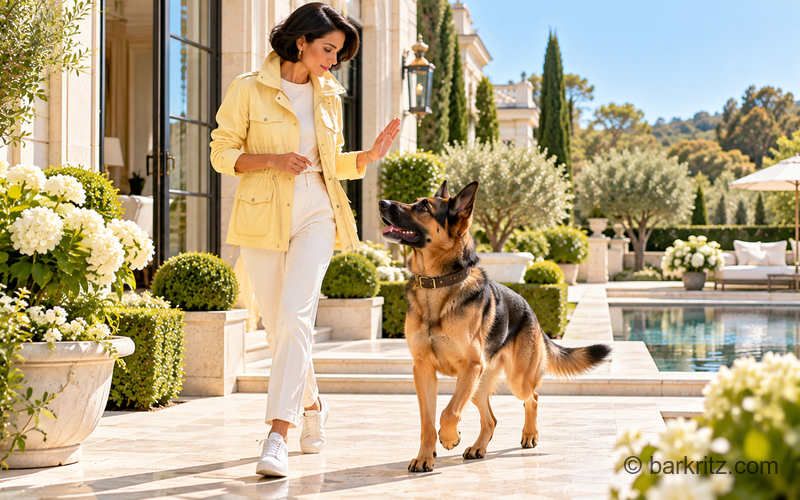
The German Shepherd is a leading candidate for estate security because it combines trainability, alertness, athleticism, and a strong capacity to work closely with its handler. These qualities make it suitable for households seeking a companion that can participate in structured routines while remaining integrated into family life.
German Shepherds were developed as versatile working dogs, and their intelligence allows them to learn complex tasks when training is consistent and reward-based. Their natural attentiveness can make them responsive to unfamiliar sounds or activity around a property, but alertness alone does not guarantee reliable guarding behaviour.
Owners should account for the breed’s considerable physical and mental needs. Regular walks, structured training, enrichment activities, and opportunities for appropriate social interaction help support a balanced temperament. Without sufficient engagement, an intelligent working dog may become frustrated or develop unwanted behaviours.
A well-planned routine can include:
- Obedience foundations: Reliable recall, loose-lead walking, settling on cue, and calm responses to visitors.
- Environmental exposure: Gradual, positive introductions to household staff, delivery personnel, vehicles, and everyday property activity.
- Mental enrichment: Scent games, training exercises, and problem-solving activities suited to the individual dog.
- Professional guidance: A qualified trainer can help owners establish appropriate boundaries and assess whether additional specialist training is suitable.
The German Shepherd is not an automatic security solution. Its value lies in the combination of stable temperament, responsible ownership, and structured training. For an estate with a busy household and frequent visitors, those qualities are especially important.
Which Guard Dog Breeds Offer a More Composed Presence Around the Home?
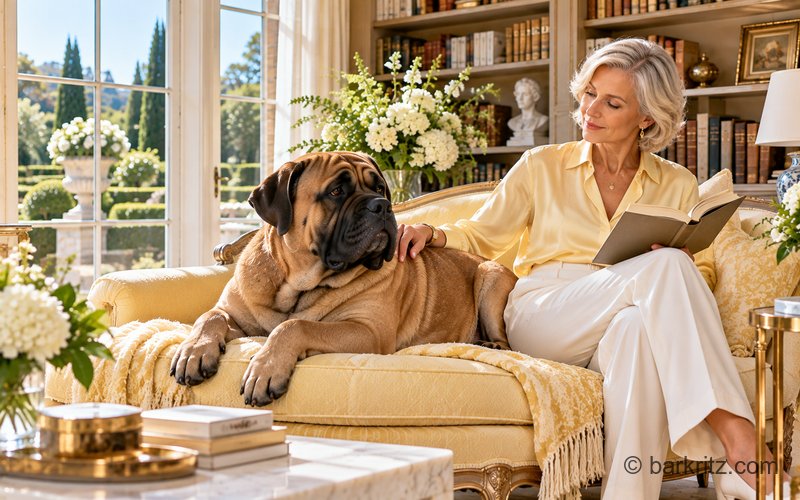
Bullmastiffs and Great Danes may appeal to owners seeking a substantial, visually imposing companion whose role centres on presence and household companionship rather than constant high-intensity activity. Individual temperament, socialisation, and health remain more important than appearance alone.
The Bullmastiff has a long association with estate guarding, while the Great Dane is recognised for its remarkable stature and close relationship with its family. Neither breed should be selected solely for size: large dogs require appropriate space, careful handling, veterinary care, and a realistic understanding of their physical limitations.
Their characteristics differ in several useful ways:
- Bullmastiff: A muscular, powerful breed with historical estate-guarding associations; its strength and protective instincts make early training and careful visitor management important.
- Great Dane: Tall and visually imposing, often affectionate with its household; its size requires thoughtful indoor arrangements and attention to joint health.
- Rottweiler: More compact than a Great Dane but exceptionally powerful, with guarding potential that makes responsible socialisation and experienced handling particularly valuable.
A composed dog is not necessarily a passive dog, and a large dog is not necessarily a reliable guardian. Breeding, health, early experiences, and the quality of daily care all influence behaviour. Prospective owners should meet adult dogs where possible, speak with reputable breeders or rescue professionals, and assess how the individual animal responds to unfamiliar people and environments.
For properties that regularly host guests, calm behaviour around visitors is a practical priority. A dog should be able to settle in a designated area, respond to its handler, and remain safely separated when circumstances require it.
How Should You Choose a Guard Dog for a Property with Staff and Guests?
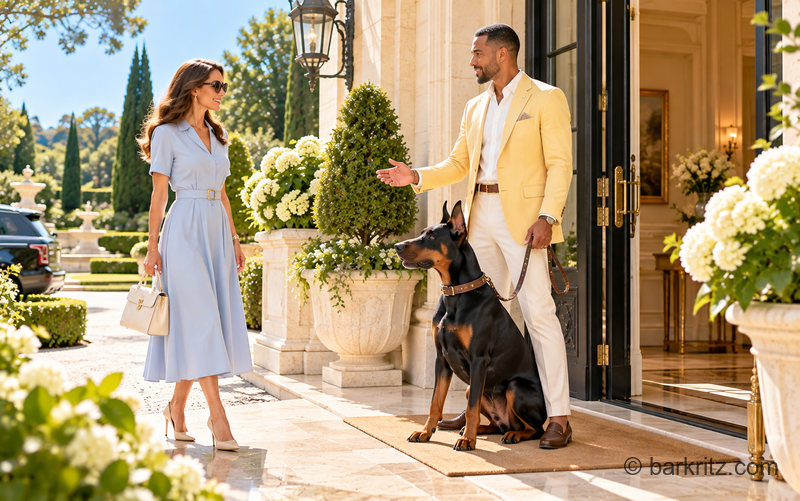
The best guard dog for a property with staff and guests is one whose temperament, training, and management plan allow it to remain predictable around familiar people while responding appropriately to its environment. A household with regular deliveries, gardening teams, hospitality staff, or frequent entertaining needs a different management approach from a secluded residence with few visitors.
Before choosing a breed, consider the following factors:
- Household experience: Powerful working breeds often require confident, consistent handling and professional support.
- Visitor frequency: A dog must learn appropriate behaviour around expected arrivals, unfamiliar guests, and routine service activity.
- Children and other pets: Compatibility depends on the individual dog, supervision, socialisation, and suitable boundaries.
- Exercise requirements: Working breeds generally need meaningful physical activity and mental enrichment; a large garden alone does not fulfil these needs.
- Physical environment: Fencing, gates, access points, sheltered resting areas, and secure indoor spaces should support safe management.
- Professional training: Choose qualified, humane training that prioritises obedience, confidence, and controlled responses rather than encouraging indiscriminate aggression.
Protective behaviour should never be confused with uncontrolled aggression. Deliberately encouraging a dog to threaten visitors can create serious safety and legal risks, particularly in a property where people enter and leave throughout the day. A reliable companion should be manageable, responsive to its handler, and capable of settling when no security-related response is required.
Practical security measures also matter. Cameras, lighting, monitored entrances, alarms, and secure perimeter systems can address risks that a dog cannot reliably detect or prevent. A dog is best considered one component of a broader property-management strategy, not a substitute for physical security.
What Training and Care Help a Guard Dog Remain a Trusted Companion?
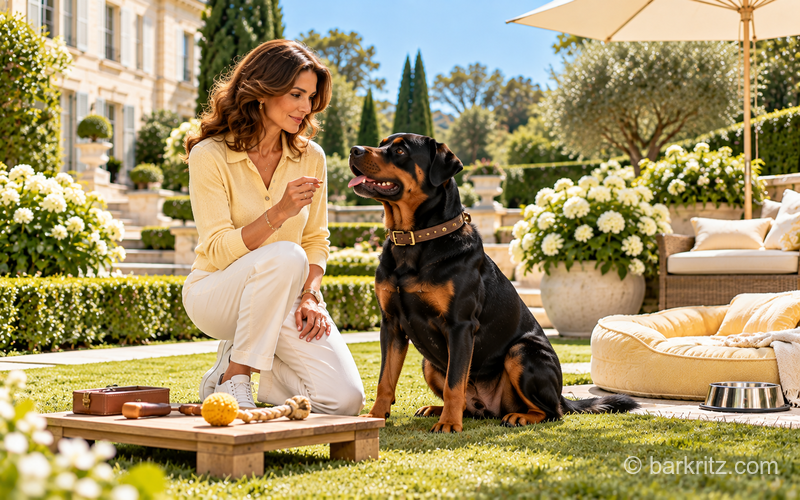
A guard dog remains a trusted companion through early socialisation, consistent reward-based training, appropriate exercise, preventive veterinary care, and clear household routines. Protective instincts are best managed through confidence and control, allowing the dog to respond calmly to everyday activity without becoming fearful or reactive.
Training should begin with foundational skills and continue throughout the dog’s life. Owners should prioritise reliable recall, a dependable settle cue, calm leash behaviour, and the ability to move away from distractions. Specialist protection work, where appropriate and lawful, should be assessed and supervised by a qualified professional who places safety and control first.
Long-term care should address the demands of the individual breed:
- Physical conditioning: Match exercise to age, health, and breed characteristics rather than relying on repetitive or excessive activity.
- Mental stimulation: Provide training, scent work, enrichment toys, and structured interaction.
- Socialisation: Maintain positive, controlled exposure to different people, environments, sounds, and everyday situations.
- Health monitoring: Arrange routine veterinary examinations and discuss breed-associated concerns, including joint health in large and giant breeds.
- Rest and routine: Ensure access to a comfortable, quiet resting area away from gates and constant visitor traffic.
Responsible selection also begins before a dog enters the home. Reputable breeders should be transparent about health screening, temperament, and lineage, while rescue organisations can help identify adult dogs whose established behaviour may suit a particular household.
Ultimately, the finest estate companion is not defined by size or reputation alone. German Shepherds offer versatility and trainability, Bullmastiffs bring a historic association with estate guarding, and Dobermans and Rottweilers offer distinctive combinations of alertness and physical capability. The right choice is the individual dog whose needs, temperament, and training can be supported consistently. Paired with sound property security and responsible management, that relationship can contribute to a household that feels both protected and welcoming.