

How to Detect Early Signs of Illness in Cats
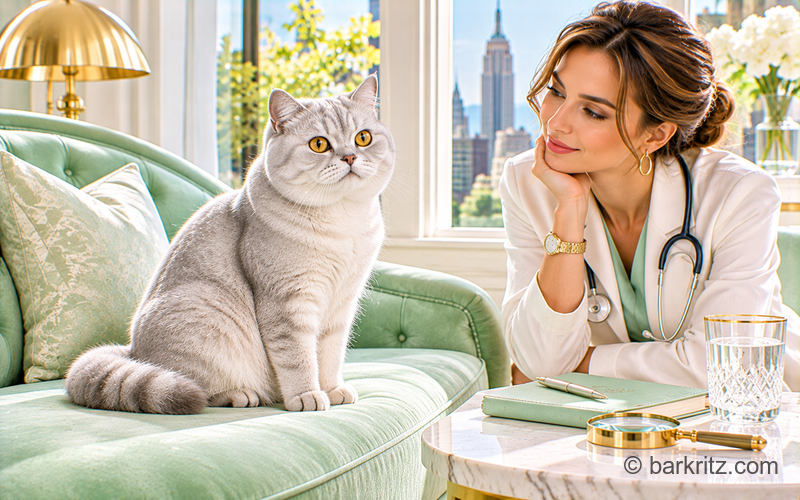
Cats are masters of discretion. Unlike dogs, many rarely announce discomfort through obvious changes in behavior, and even a cherished companion who appears perfectly content may be quietly managing an emerging health problem. For owners accustomed to the subtle rhythms of feline life, one of the most valuable wellness skills is learning to recognize when something familiar begins to change.
Early detection depends less on identifying a single dramatic symptom than on noticing small deviations in appetite, grooming, movement, temperament, and daily habits. A cat who drinks more water than usual, stops jumping onto a favorite chair, or becomes unusually selective about food may be communicating something important. Understanding these signals helps owners seek veterinary attention promptly, often before a condition becomes more difficult to manage.
Which Changes in a Cat’s Daily Behavior May Signal the Beginning of an Illness?

The earliest warning signs of feline illness are often subtle behavioral changes that persist beyond a cat’s normal fluctuations in mood or routine.
A naturally sociable cat may begin spending more time alone, while an independent companion might suddenly seek constant reassurance. Some cats become unusually irritable when touched, withdraw from familiar household activity, or lose interest in their favorite games. Others sleep considerably more, move less confidently, or appear restless without an obvious reason.
The distinction between an ordinary personality trait and a potential health concern lies in the change itself. Owners should pay particular attention to deviations from an established routine, especially when several appear together.
Common behavioral changes worth monitoring include:
- Unusual withdrawal: hiding in closets, under furniture, or in secluded rooms more frequently than before.
- Changes in affection: avoiding physical contact, resisting handling, or becoming unusually clingy.
- Reduced activity: abandoning favorite climbing spots, play sessions, or familiar household explorations.
- Restlessness: repeatedly changing sleeping positions, pacing, or struggling to settle comfortably.
- Altered vocalization: increased meowing, unusual crying, or vocalizing at unfamiliar times.
A cat’s normal behavior is its most useful personal reference point. Keeping a mental or written record of everyday habits makes it easier to identify meaningful changes rather than dismissing them as temporary eccentricities.
How Do Changes in Appetite, Thirst, and Weight Reveal Possible Health Problems?

Changes in eating, drinking, and body weight can provide some of the clearest early indications that a cat’s health deserves closer attention.
A sudden loss of appetite may accompany dental discomfort, digestive problems, infection, pain, or other medical conditions. Increased hunger can also be significant, particularly when a cat continues eating enthusiastically but gradually loses weight. Similarly, drinking substantially more water or producing larger amounts of urine may indicate an underlying metabolic, kidney, or urinary concern.
Weight changes deserve particular attention because they can develop gradually and remain difficult to recognize beneath a thick coat. Regular weighing provides a more reliable picture than visual assessment alone.
Owners should monitor several specific details:
- Appetite: whether meals are left unfinished, eating becomes slower, or food preferences change unexpectedly.
- Water consumption: whether the water bowl needs refilling more frequently or drinking habits become noticeably different.
- Body weight: whether the cat gains or loses weight without an intentional dietary adjustment.
- Eating behavior: whether the cat approaches food but appears reluctant to chew, drops pieces, or favors one side of the mouth.
- Litter-box output: whether urine volume, frequency, or stool consistency changes.
A cat that stops eating altogether requires prompt veterinary attention. Prolonged food refusal can become dangerous because of the risk of hepatic lipidosis, a serious liver condition associated with inadequate food intake. Owners should not wait several days to see whether appetite returns.
What Physical Symptoms Should Owners Look for When Examining Their Cats?
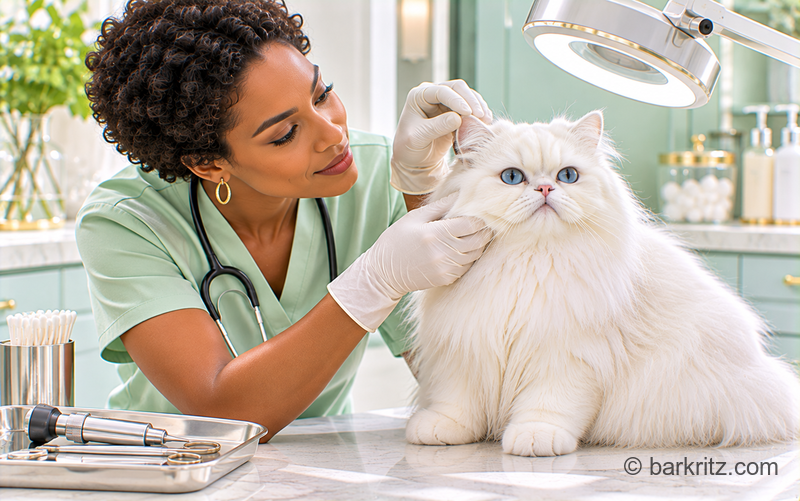
Changes in the eyes, ears, mouth, coat, skin, breathing, and movement can reveal developing health problems before a cat appears seriously unwell.
A gentle routine observation is more useful than an elaborate examination. Choose a relaxed moment when the cat is comfortable, and notice whether its appearance and physical condition remain consistent with what is normal for that individual.
The eyes should generally appear clear, without persistent discharge, pronounced redness, or unusual cloudiness. Ears should not have a strong odor, excessive dark debris, or repeated irritation. The mouth deserves attention as well: unpleasant breath, drooling, inflamed gums, or difficulty chewing may indicate dental disease or oral discomfort.
The coat can offer another valuable indication. Cats typically maintain their appearance through frequent grooming, so an increasingly unkempt coat, greasy fur, dandruff, or excessive shedding may accompany illness, pain, stress, or reduced mobility. Conversely, persistent licking of one particular area may indicate irritation or discomfort.
Other physical signs to notice include:
- Breathing: unusually rapid, labored, or noisy breathing while resting.
- Movement: stiffness, limping, reluctance to jump, or difficulty climbing stairs.
- Skin: unexplained lumps, sores, swelling, or persistent scratching.
- Eyes and nose: repeated discharge, squinting, sneezing, or changes in appearance.
- Digestive health: recurring vomiting, diarrhea, constipation, or difficulty passing stool.
Not every isolated symptom indicates a serious condition, but persistent or recurring changes warrant professional assessment. A cat’s ability to conceal discomfort makes seemingly minor physical differences worth taking seriously.
When Do Changes in Litter-Box Habits Become a Veterinary Concern?

A noticeable change in urination or defecation habits should never be dismissed as a simple behavioral issue until possible medical causes have been considered.
Cats are creatures of routine, and changes in litter-box behavior can be particularly revealing. A previously reliable cat may begin urinating outside the box, visiting it repeatedly, vocalizing while attempting to urinate, or producing unusually small amounts of urine. These behaviors can accompany urinary tract inflammation, bladder disorders, stones, or other conditions.
One situation requires immediate emergency attention: a cat repeatedly attempting to urinate but producing little or no urine, particularly when accompanied by distress, vocalization, or frequent litter-box visits. A urinary obstruction, especially in male cats, can become life-threatening and must not be monitored at home.
Changes in bowel movements also deserve attention. Persistent diarrhea, hard or unusually dry stools, straining, blood in the stool, or a sudden change in frequency may indicate digestive or other medical problems.
For a more accurate picture, owners can observe:
- How often the cat visits the litter box.
- Whether urine clumps become noticeably larger, smaller, or more frequent.
- Whether the cat strains, cries, or appears uncomfortable.
- Whether stool consistency, color, or frequency changes.
- Whether accidents occur outside the litter box despite previously reliable habits.
A clean, well-maintained litter area makes these differences easier to identify. In multi-cat households, individual monitoring may require separate litter boxes or other practical arrangements to establish which companion is experiencing the change.
How Can Owners Monitor Their Cats’ Health and Know When to Seek Veterinary Care?
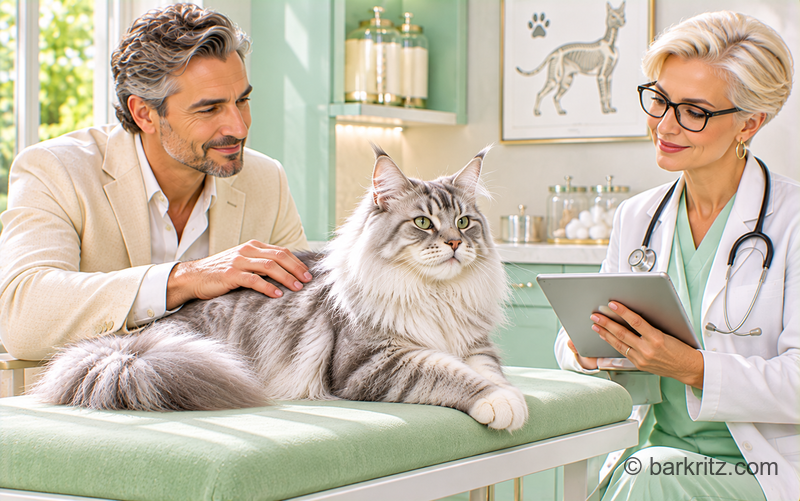
The most effective approach to early illness detection combines consistent observation, routine veterinary examinations, and prompt professional attention whenever a meaningful change appears.
Preventive care should be tailored to the cat’s age, lifestyle, medical history, and individual risk factors. Kittens, senior cats, and companions with existing medical conditions may require more frequent assessments than healthy adult cats. A veterinarian can recommend an appropriate examination schedule and advise whether bloodwork, urine testing, dental assessment, or other diagnostic procedures are indicated.
At home, a simple wellness record can make veterinary consultations considerably more productive. Note changes in appetite, water consumption, weight, activity, grooming, and litter-box habits, including when each change first appeared. Short videos of unusual movement, breathing, or behavior can also help a veterinarian assess symptoms that may not be present during an appointment.
Certain warning signs should never wait for a routine consultation:
- Difficulty breathing or open-mouth breathing: seek emergency veterinary care immediately.
- Collapse, seizures, or sudden severe weakness: require immediate assessment.
- Repeated attempts to urinate with little or no output: constitute a medical emergency.
- Suspected poisoning or ingestion of a dangerous substance: requires immediate veterinary guidance.
- Sudden severe pain, major injury, or inability to stand: warrants emergency attention.
For less dramatic but persistent symptoms, contact the veterinarian promptly rather than relying on online advice or attempting treatment independently. Never administer human medication without explicit veterinary direction; some common medicines are highly toxic to cats.
Ultimately, attentive ownership is built around familiarity. Knowing how a cat normally eats, sleeps, moves, grooms, and interacts creates a valuable foundation for recognizing when something is wrong. The most sophisticated approach to feline wellness is not waiting for unmistakable signs of illness, but responding thoughtfully to the small changes that appear long before them.