

Pet-Friendly Beach Clubs in the Mediterranean
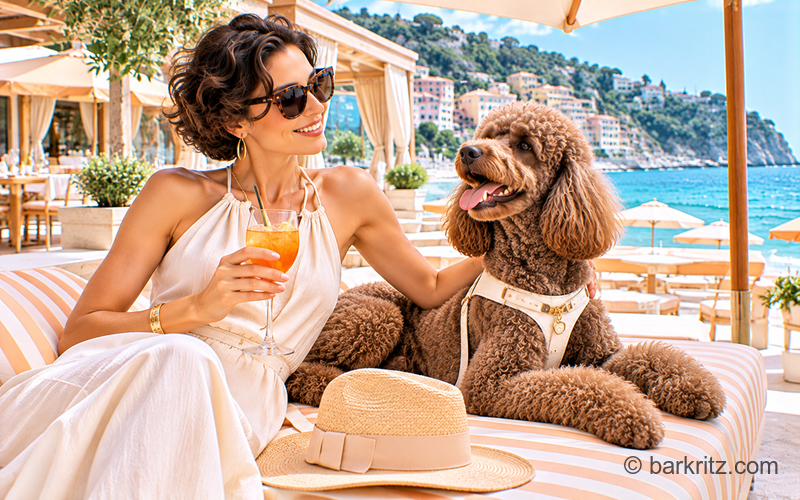
The Mediterranean beach-club experience has traditionally revolved around sun-drenched terraces, elegant cabanas, attentive service, and long afternoons beside the sea. Increasingly, discerning travelers want to share these pleasures with their four-legged companions rather than leave them behind at the hotel. Across Italy and the Adriatic coast, a growing number of beach destinations welcome dogs, with some offering dedicated swimming areas, canine menus, shaded spaces, and thoughtful amenities. Yet pet-friendly policies differ considerably: at one club, a dog may swim freely under supervision, while another may permit only small animals within a designated beach station. Knowing the distinction is essential to planning a relaxed seaside escape.
Which Mediterranean Beach Clubs Offer the Most Welcoming Experience for Dogs?
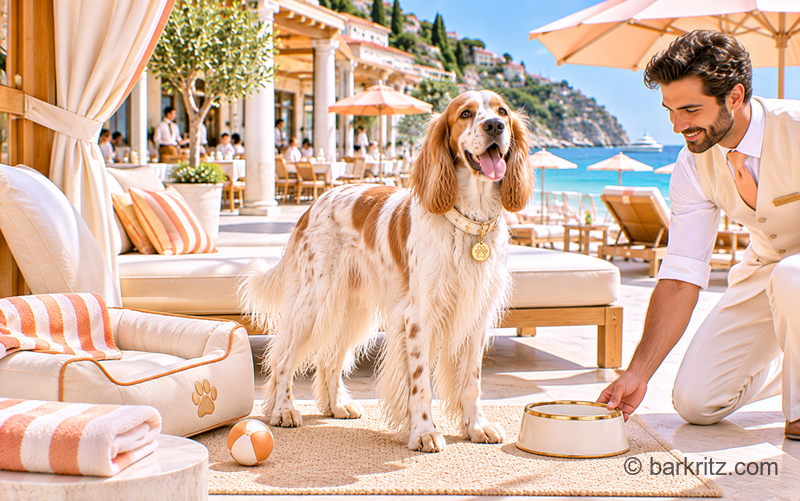
The most accommodating Mediterranean beach clubs are those that integrate dogs into the seaside experience through dedicated facilities, clear policies, and practical services for both pets and their owners.
Several destinations stand out for the range of arrangements they provide:
- Baba Beach, Alassio, Italian Riviera: A dedicated dog-friendly beach area welcomes dogs of all sizes, with supervised access to the shoreline and sea. Options include beach stations, gazebos, and a private Paws Terrace, while a dog shower and access to the beach restaurant area make the experience particularly convenient. Dogs must remain leashed beneath umbrellas and in dining areas.
- Monty’s Dog Beach & Bar, Rab, Croatia: Designed specifically around dogs and their owners, this Adriatic destination offers supervised swimming, off-leash play for suitable dogs, a dog menu, showers, drinking water, and an agility area. Sunbeds, umbrellas, and cabanas are available for human guests.
- Augustus Beach Club, Forte dei Marmi, Tuscany: A more traditional beach-club setting, with dogs welcomed alongside their owners and a special menu created for canine guests. Its cabana-style beach arrangement makes it appealing to travelers who prefer a classic Italian seaside atmosphere.
- MoMà Exclusive Beach, Italy: An option for owners of very small dogs who prefer a more controlled environment. Its published policy permits one dog of up to 4 kg per beach station, subject to vaccination, identification, and insurance requirements. Dogs must remain within the assigned area and cannot access the shoreline or guest furniture.
These destinations illustrate two different approaches to canine hospitality: purpose-designed dog beaches where swimming and play are central, and traditional beach clubs that accommodate pets within more structured boundaries. The right choice depends on the dog’s temperament and the kind of day its owner wants to enjoy.
Where Can Dogs Swim, Play, and Enjoy the Beach Alongside Their Owners?
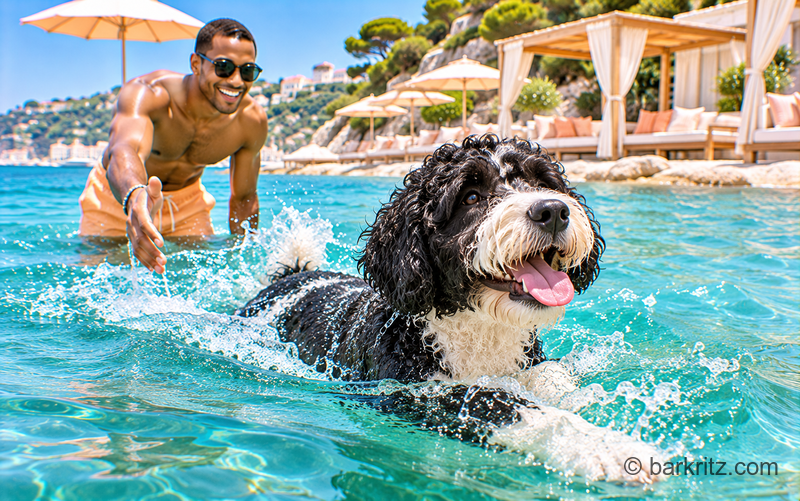
For dogs that enjoy the water and social interaction, dedicated dog beaches in Italy and Croatia offer a more complete experience than conventional beach clubs with limited pet access.
Baba Beach in Alassio is particularly appealing for owners who want their dogs to experience the sea rather than simply accompany them beneath an umbrella. Its designated dog area allows swimming and supervised play, with different beach-station formats and a private terrace option. The club also specifies that dogs must be microchipped, appropriately documented, and kept on a lead in designated areas.
On the island of Rab, Monty’s Dog Beach & Bar takes a distinctly canine-centered approach. Its facilities include:
- A designated area for swimming and supervised off-leash activity.
- Fresh drinking water and dog-washing facilities.
- An agility area for active companions.
- A dog menu, including specially prepared treats.
- Borrowable toys and beach equipment.
- Sunbeds, umbrellas, and cabanas for owners.
The Rab location is situated in Banjol, approximately a mile from the historic old town, making it possible to combine a beach day with time exploring the island.
Owners should distinguish between permission to enter the beach and permission to swim. Some establishments allow dogs to remain with their owners but prohibit access to the water. Others permit swimming only in specific zones or under supervision. Confirming these details before reserving a sunbed can prevent disappointment on arrival.
Which Beach Clubs Suit Owners Who Prefer a More Refined and Relaxed Seaside Setting?
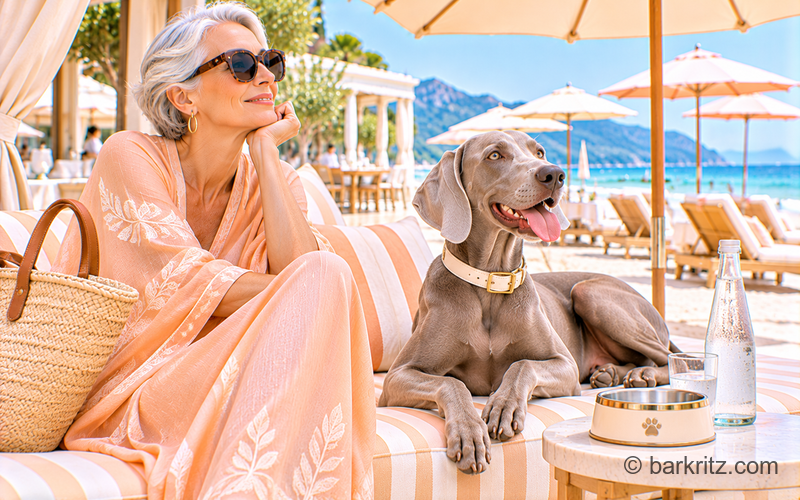
Traditional beach clubs can be an excellent choice for well-socialized dogs that are comfortable resting beside their owners, provided the property’s pet policy explicitly allows access to the chosen area.
Forte dei Marmi remains an appealing destination for travelers drawn to the established Italian beach-club tradition. At Augustus Beach Club, dogs are welcomed, and the property advertises a dedicated menu for canine guests. Its spacious beach gazebos, restaurant setting, and classic Tuscan atmosphere offer a different experience from a beach designed primarily for dogs.
MoMà Exclusive Beach represents a more restrictive model. Its policy is particularly important for owners to read carefully: only dogs weighing up to 4 kg are admitted, one per beach station. Animals must remain within their assigned area, cannot use the sunbeds or chairs, and are not permitted at the water’s edge. Vaccination, identification, and third-party liability insurance are also required.
When comparing a traditional beach club with a dedicated dog beach, consider the following:
- For a relaxed cabana day: Look for shaded seating, space beside the owner’s station, and clear permission for dogs to remain there.
- For a social, active dog: Prioritize swimming access, supervised play, and designated exercise areas.
- For a small companion breed: Check whether the property imposes weight limits or requires the dog to remain in a carrier or assigned space.
- For a long lunch: Confirm whether dogs may accompany guests in the restaurant, rather than assuming beach access includes dining access.
A refined beach day is ultimately about compatibility. A calm dog accustomed to relaxing beside its owner may enjoy a traditional lido, while a spirited swimmer is likely to appreciate a dedicated canine beach.
What Should You Check Before Booking a Pet-Friendly Beach Club?
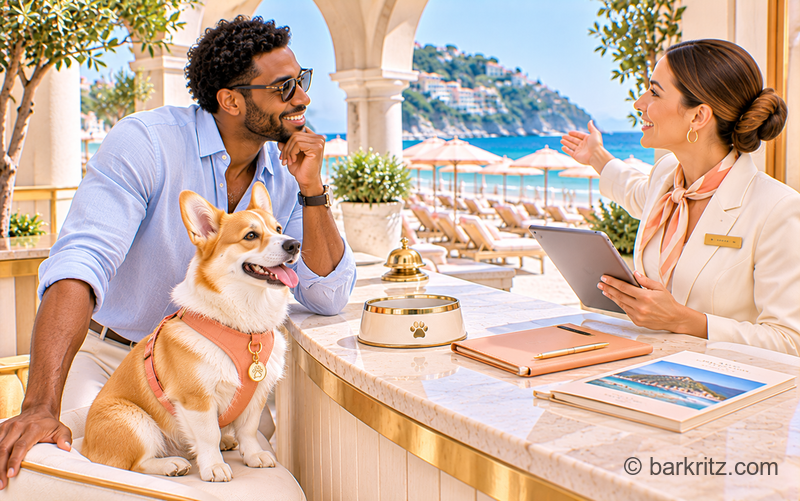
The most important step is to obtain confirmation of the exact pet policy for the beach station, dining area, and water access you intend to use.
The phrase pet-friendly can describe very different arrangements. One property may welcome dogs throughout much of its grounds, while another may permit them only within a designated section. Rules can also change according to the season, local regulations, crowd levels, and the size or behavior of the animal.
Before making a reservation, ask the beach club to confirm:
- Size and breed restrictions: Are all dogs welcome, or are there weight limits and other conditions?
- Water access: Can dogs swim, and are there designated areas or specific hours?
- Beach furniture: May dogs rest on the owner’s sunbed, or must they remain on the ground?
- Dining arrangements: Are dogs permitted in the restaurant and bar, or only in the beach area?
- Leash requirements: Must the dog remain leashed throughout the visit, or are supervised off-leash areas available?
- Additional charges: Are there fees for pet access, cleaning, showers, or special amenities?
- Required documentation: Does the property request vaccination records, microchip identification, or liability insurance?
Reservations should be made early during July and August, especially when requesting a private cabana, a shaded station, or a designated dog-friendly area. Ask for written confirmation of the arrangements rather than relying on a general description of the property.
How Can You Prepare Your Dog for a Comfortable Mediterranean Beach Day?
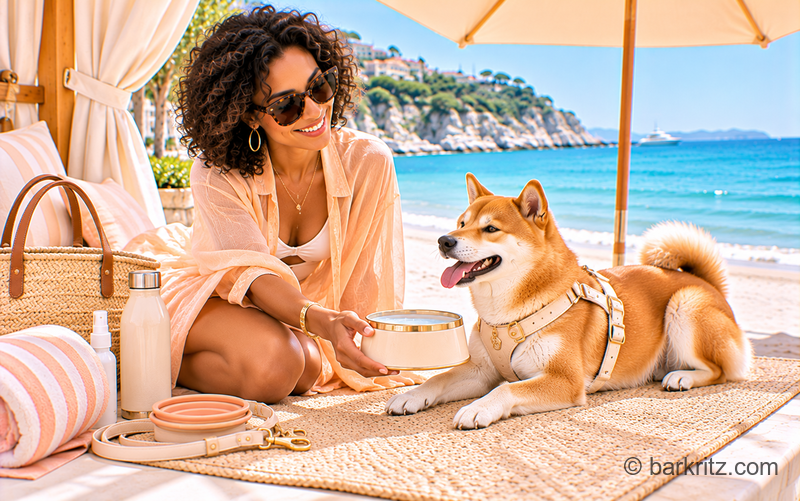
A successful beach-club visit requires protection from heat, reliable supervision, access to fresh water, and a comfortable place where the dog can rest away from direct sun.
Even a dog that loves the sea may find a full afternoon on a crowded beach overwhelming. Hot sand, unfamiliar animals, loud music, and prolonged exposure to sunlight can quickly turn an enjoyable outing into an uncomfortable one.
A thoughtful beach-day kit should include:
- Fresh drinking water and a portable bowl: Salt water is not a substitute for fresh drinking water.
- A familiar mat or cooling bed: A comfortable resting surface helps the dog settle beside its owner.
- Shade: Choose a station with reliable shade throughout the intended visit.
- A lightweight lead and harness: Useful for moving safely through crowded areas.
- Towels and grooming supplies: Helpful after swimming and before returning to the car or hotel.
- Waste bags: Essential for maintaining the cleanliness of shared spaces.
- Veterinarian-approved sun protection: Particularly relevant for dogs with pale or sparsely coated skin; products should be specifically suitable for animals.
Avoid the hottest hours of the day, monitor the dog’s breathing and behavior, and provide regular opportunities to rest. Never leave a dog unattended in a parked vehicle or confined under direct sunlight. If the animal shows signs of overheating, move it to a cooler place and seek veterinary assistance promptly.
For international travel, check the destination’s animal-entry requirements and carry the appropriate identification and vaccination documentation. A beach club’s pet policy does not replace national or local travel regulations.
The Mediterranean’s most memorable beach days need not exclude four-legged companions. Whether the preference is for a dedicated dog beach in Alassio, an active Adriatic escape on Rab, or a traditional Tuscan cabana, the best experience begins with choosing a setting that genuinely accommodates the animal. With the right reservation, sensible preparation, and respect for local rules, a seaside afternoon can become a shared pleasure rather than a compromise.