

Longevity Science for Cats: What Owners Should Know
A cat’s long, healthy life is shaped by more than genetics or good fortune: it reflects the interaction of preventive medicine, nutrition, environmental enrichment, and the early recognition of age-related changes. Advances in veterinary research are helping owners understand how cats age, why certain diseases become more common over time, and which everyday choices can support their well-being. Although no intervention can guarantee a particular lifespan, evidence-based care can improve the chances of maintaining comfort, mobility, and vitality through every life stage. For owners who view their cats as lifelong companions, longevity science offers a practical framework for making informed decisions rather than relying on unproven anti-ageing claims.
What Does Longevity Science Reveal About How Cats Age?
Longevity science shows that feline ageing is a gradual biological process influenced by genetics, metabolic health, immune function, lifestyle, and the cumulative effects of disease. Cats do not all age at the same rate, so chronological age should be considered alongside physical condition, behaviour, and veterinary findings.
Veterinary medicine commonly groups cats into broad life stages, although individual needs vary. Kittens develop rapidly, mature adults often benefit from consistent preventive care, and senior cats require closer attention to changes in weight, mobility, appetite, and organ function. Many veterinary guidelines classify cats aged seven to ten years as mature adults and those over ten as seniors, with further distinctions sometimes made for advanced age.
Ageing can affect several interconnected systems:
- Kidney function: Chronic kidney disease becomes more common in older cats, making appropriate monitoring important.
- Metabolic health: Weight gain, obesity, and diabetes can affect quality of life and require tailored management.
- Musculoskeletal health: Osteoarthritis may cause subtle reductions in jumping, grooming, or willingness to climb.
- Sensory and cognitive function: Changes in hearing, vision, sleep patterns, or interaction may emerge with age and warrant assessment.
- Dental health: Periodontal disease and oral discomfort can interfere with eating and may contribute to broader health problems.
A longer lifespan is not the only meaningful measure of longevity. Maintaining independence, comfort, appetite, social interaction, and the ability to engage in normal feline behaviours is equally important. Owners who recognise gradual changes early can discuss them with a veterinarian before they significantly affect daily life.
Which Preventive Health Measures Have the Greatest Impact on Feline Longevity?
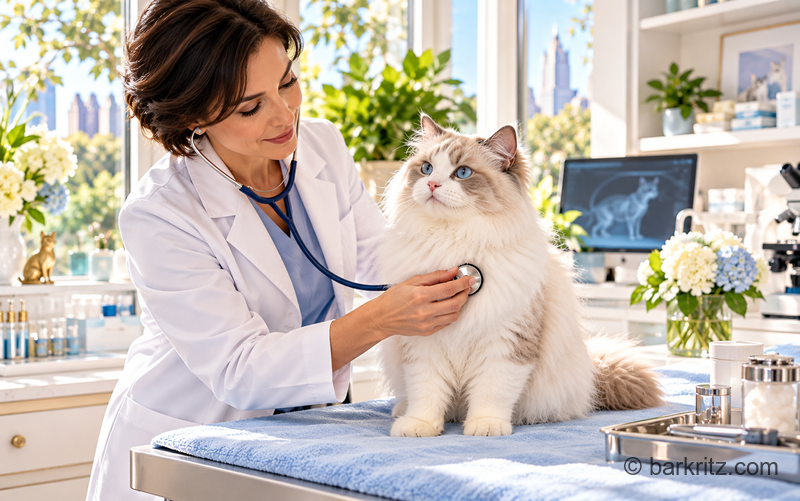
Consistent preventive veterinary care is one of the most effective ways to support feline longevity because it helps identify disease before obvious symptoms appear and allows treatment to begin when it may be most beneficial. The appropriate schedule depends on age, medical history, lifestyle, and individual risk factors.
Cats are particularly skilled at concealing discomfort, and early disease may produce only subtle changes in routine. A cat that drinks slightly more water, visits the litter tray more frequently, loses weight despite eating normally, or becomes less active may need a veterinary assessment rather than simple observation.
A thoughtful preventive programme typically includes:
- Routine examinations: Healthy adult cats generally benefit from at least annual veterinary visits, while senior cats and those with chronic conditions may need examinations more frequently.
- Blood and urine testing: Depending on age and clinical findings, these tests can help assess kidney function, glucose regulation, hydration, and other aspects of internal health.
- Dental assessments: Regular oral examinations help identify inflammation, periodontal disease, and painful dental conditions.
- Vaccination and parasite prevention: Recommendations should reflect the cat’s environment, travel, exposure risks, and local veterinary guidance.
- Blood pressure monitoring: This may be particularly valuable for older cats and those with conditions associated with hypertension.
- Weight tracking: Recording weight and discussing changes with a veterinarian can reveal developing health problems earlier than visual observation alone.
The value of screening lies in selecting the right tests at the right time. Not every cat needs every diagnostic procedure at every visit, and test results should be interpreted in the context of the individual animal. Owners should also resist the temptation to wait for dramatic symptoms: reduced appetite, repeated vomiting, difficulty urinating, breathing changes, or sudden weakness can require prompt veterinary attention.
Preventive medicine is most effective when it is personalised. A veterinarian can use the cat’s age, previous results, family history where known, and current lifestyle to establish a sensible monitoring plan.
How Can Nutrition and Weight Management Support a Longer, Healthier Life?
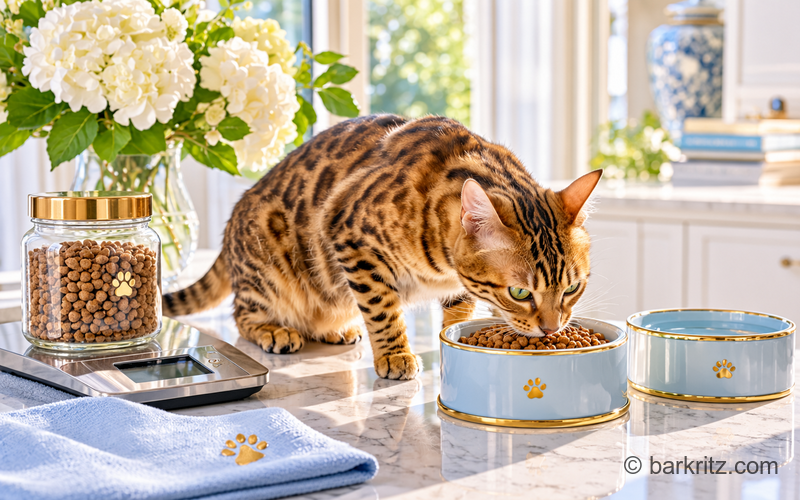
Balanced nutrition and a healthy body condition support feline longevity by helping maintain muscle mass, appropriate energy levels, metabolic health, and normal organ function throughout life. The optimal diet is one that meets the cat’s nutritional requirements while accounting for age, activity, reproductive status, and any diagnosed medical conditions.
Cats are obligate carnivores with specific requirements for nutrients such as taurine, arachidonic acid, and preformed vitamin A. A complete and balanced commercial diet formulated for the appropriate life stage is a reliable starting point for most healthy cats. Homemade diets require careful formulation by a qualified veterinary nutrition professional because seemingly small imbalances can have serious consequences over time.
Nutrition should evolve with the cat’s needs rather than follow a single formula for life.
- Kittens: Require energy- and nutrient-dense food formulated for growth.
- Healthy adults: Benefit from portion control, appropriate protein and energy intake, and regular assessment of body condition.
- Senior cats: May need adjustments based on appetite, muscle condition, dental health, activity, and diagnosed disease; age alone does not automatically justify a specialised diet.
- Cats with chronic conditions: May benefit from therapeutic diets prescribed for specific problems, such as certain kidney, urinary, or metabolic disorders.
- Cats prone to obesity: Often need measured meals, carefully managed treats, and a gradual weight-management plan supervised by a veterinarian.
Obesity deserves particular attention because excess body fat is associated with health complications, including diabetes and impaired mobility. At the same time, unintended weight loss or declining muscle mass in an older cat should not automatically be attributed to normal ageing. Both can indicate an underlying medical issue.
Fresh water should always be available. Some cats drink more readily from fountains or when water bowls are placed away from food and litter areas. Wet food can also contribute to total water intake, although the appropriate feeding strategy depends on the individual cat.
Supplements marketed for cellular repair, anti-ageing, or extended lifespan require particular caution. A supplement is not necessarily effective because it contains antioxidants or ingredients associated with healthy ageing in laboratory research. Discuss any proposed supplement with a veterinarian, especially if the cat takes medication or has an existing medical condition.
Can Environmental Enrichment and Daily Activity Influence a Cat’s Longevity?
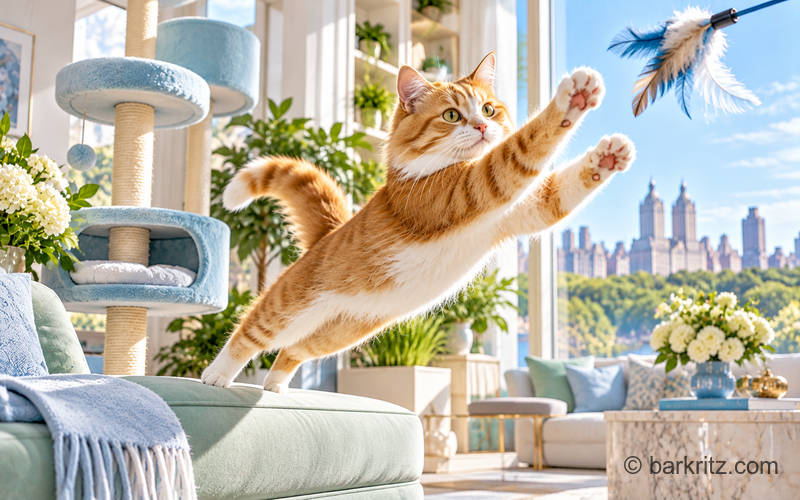
An enriched, predictable environment can support feline longevity by encouraging movement, reducing avoidable stress, and allowing cats to express natural behaviours such as climbing, exploring, scratching, hiding, and hunting through play. These benefits complement veterinary care rather than replacing it.
Cats are predators whose behavioural needs persist even when they live entirely indoors. A comfortable home should provide opportunities for activity and choice, allowing a cat to alternate between exploration and undisturbed rest. Enrichment need not be elaborate or expensive; consistency and suitability are more important than novelty alone.
Useful approaches include:
- Interactive play: Short sessions with wand toys or other safe chase-based activities can encourage movement and engagement.
- Vertical space: Stable cat trees, shelves, and accessible elevated resting places provide opportunities to climb and observe.
- Foraging activities: Puzzle feeders and food-dispensing toys can make mealtimes more stimulating while allowing portions to remain controlled.
- Safe retreats: Covered beds, boxes, and quiet resting areas help cats regulate their exposure to household activity.
- Scratching opportunities: Appropriate scratching surfaces support normal behaviour and help protect household furnishings.
- Predictable routines: Consistent feeding, play, and rest schedules may help reduce uncertainty, particularly for older cats.
Environmental design becomes especially important as cats age. A senior cat with arthritis may still enjoy a favourite windowsill but need a lower step or ramp to reach it. Litter trays with lower entrances, easily accessible food and water, warm resting areas, and non-slip flooring can preserve independence.
Stress management also matters in multi-cat households. Adequate separation of food, water, litter trays, and resting places can reduce competition and help prevent persistent tension. Changes in hiding, grooming, vocalisation, or social interaction should not automatically be dismissed as personality shifts; they may reflect discomfort or illness.
Indoor living can reduce exposure to traffic, some infectious diseases, and other outdoor hazards, but it must be paired with sufficient stimulation. For cats with outdoor access, secure enclosures or supervised outings may offer enrichment while reducing certain risks.
Which Emerging Longevity Treatments Are Worth Watching, and What Should Owners Trust?

The most credible developments in feline longevity are those supported by reproducible research, meaningful clinical outcomes, and demonstrated safety in cats, while experimental therapies should remain distinct from established veterinary care. Research into ageing biology is promising, but no treatment has yet been proven to reliably extend the lifespan of all cats.
Scientists are investigating processes associated with ageing, including cellular damage, inflammation, metabolic changes, and declining organ function. Findings from mice, humans, or laboratory cell studies can help generate hypotheses, but they do not automatically demonstrate that a treatment is safe or effective for companion cats.
Several areas merit careful attention:
- Age-related disease research: Studies examining kidney disease, diabetes, cardiovascular health, and cancer may lead to better prevention and treatment strategies.
- Biomarkers of ageing: Researchers are exploring measurements that may help distinguish biological changes from chronological age, although their usefulness for routine feline care depends on further validation.
- Dietary interventions: Nutritional strategies are being studied for their effects on metabolic health and age-related disease; any recommendation should be based on evidence relevant to cats.
- Regenerative and molecular therapies: Approaches involving cellular repair or pathways associated with ageing remain areas of investigation, with safety and meaningful clinical benefit requiring rigorous evaluation.
- Improved diagnostics: More sensitive testing and better interpretation of longitudinal health records may help veterinarians identify disease earlier and personalise care.
Owners should be wary of products promising dramatic lifespan extensions, reversing ageing, or rejuvenating organs without strong clinical evidence. Testimonials, laboratory findings, and claims based on another species are not substitutes for well-designed studies in cats.
When evaluating a proposed treatment, ask whether it has been tested in cats, whether the research has been independently reviewed, what outcomes were measured, and whether potential adverse effects are understood. A veterinarian can also help assess interactions with existing medication and determine whether an intervention is appropriate for the animal’s condition.
Ultimately, longevity science is most useful when it improves decisions made today. Consistent preventive examinations, balanced nutrition, a healthy body condition, daily enrichment, and early investigation of behavioural or physical changes remain the foundation of responsible feline care. Emerging research may expand those possibilities in the years ahead, but the goal is not simply to add time to a cat’s life. It is to help that life remain comfortable, active, and rewarding for as long as possible.