

How to Choose the Right Coat for Your Dog’s Breed
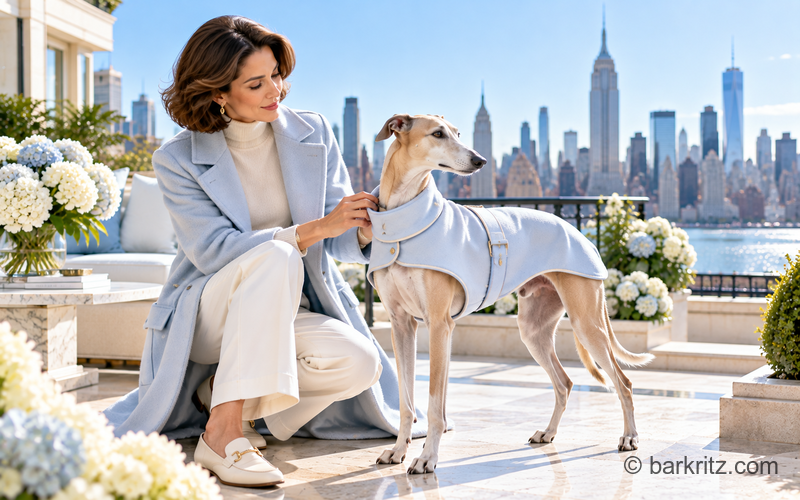
A well-chosen dog coat is more than a seasonal accessory: it is a considered blend of comfort, function, fit, and personal style. The right design should complement a dog’s natural proportions while accounting for its coat type, body structure, age, activity level, and sensitivity to temperature. From sleek Greyhounds in tailored weatherproof layers to small companion breeds in beautifully constructed knitwear, the most successful choices respect the individual dog rather than following a trend. Thoughtful materials, precise measurements, and freedom of movement are the foundations of a wardrobe that looks refined and feels effortless.
How Does Your Dog’s Breed Determine the Right Coat Style?
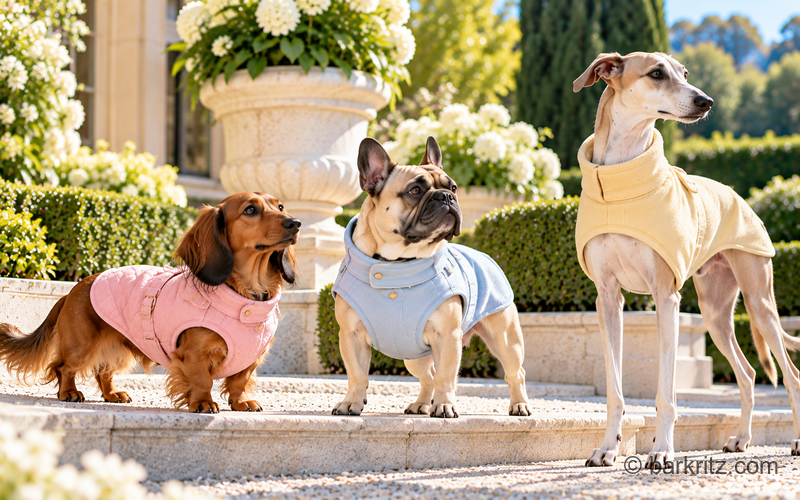
Your dog’s breed provides a useful starting point for choosing a coat because body shape, natural insulation, and typical activity levels influence which designs offer the best fit and protection. However, individual differences matter, so the final choice should always account for the dog’s actual measurements, coat condition, and comfort.
Short-haired breeds such as Whippets and French Bulldogs may benefit from a warm, close-fitting layer in cold weather, while double-coated breeds such as Siberian Huskies and Samoyeds generally have substantial natural insulation and may need outerwear only in particular conditions. Small dogs, senior companions, and dogs with certain health concerns can also be more sensitive to cold.
Consider these breed-specific starting points:
- Greyhounds and Whippets: Their deep chests, narrow waists, and fine coats often suit shaped designs with generous chest coverage and adjustable closures.
- French Bulldogs and Pugs: Broad chests and compact bodies call for carefully measured cuts that avoid pressure around the neck, shoulders, and front legs.
- Dachshunds: Their elongated backs and short legs often require extended back coverage without excess fabric that drags near the ground.
- Toy breeds: Lightweight fleece, soft knitwear, or insulated coats may provide useful warmth without overwhelming a small frame.
- Double-coated breeds: Their natural coat already offers insulation; avoid unnecessary layering that could contribute to overheating.
Breed standards can help explain a dog’s silhouette, but they cannot replace a fitting session. Two dogs of the same breed may need different sizes because of differences in weight, muscle, chest depth, and body length.
Which Fabrics Offer the Best Balance of Comfort, Warmth, and Protection?
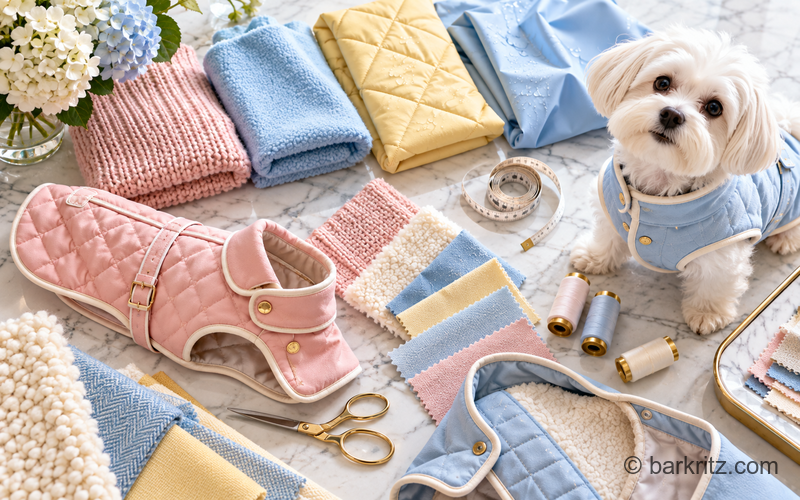
The best coat fabric is one that suits the weather, the dog’s natural coat, and the intended activity while remaining breathable, comfortable, and easy to maintain. A beautiful material is only a good choice if it performs well in real conditions and does not irritate the skin or restrict movement.
Different fabrics serve different purposes, making it useful to build a small selection rather than rely on one coat for every season.
- Merino wool: Naturally insulating and soft when well constructed, it can be suitable for gentle walks in cool, dry weather; check the care instructions and ensure the garment does not itch or overheat the dog.
- Fleece: Lightweight, comfortable, and quick-drying, it works well as a warm layer in cool conditions but is not necessarily waterproof.
- Water-resistant technical fabrics: Useful for rain and damp walks, particularly when they combine weather protection with breathable construction.
- Quilted insulation: Offers additional warmth in cold conditions, provided the coat fits securely and does not become cumbersome.
- Cotton blends: Can be comfortable in mild weather, but ordinary cotton may retain moisture and is not an ideal choice for prolonged rain.
Construction deserves as much attention as the material itself. Smooth seams, soft linings, secure closures, and a design that avoids pressure points can make a substantial difference to everyday comfort. Reflective details are also worth considering for early-morning or evening walks.
For dogs with sensitive skin, introduce new garments gradually and inspect the areas beneath the collar, chest, and leg openings. Remove the coat if the dog develops redness, persistent scratching, or signs of discomfort.
How Should You Measure Your Dog for a Tailored Coat?
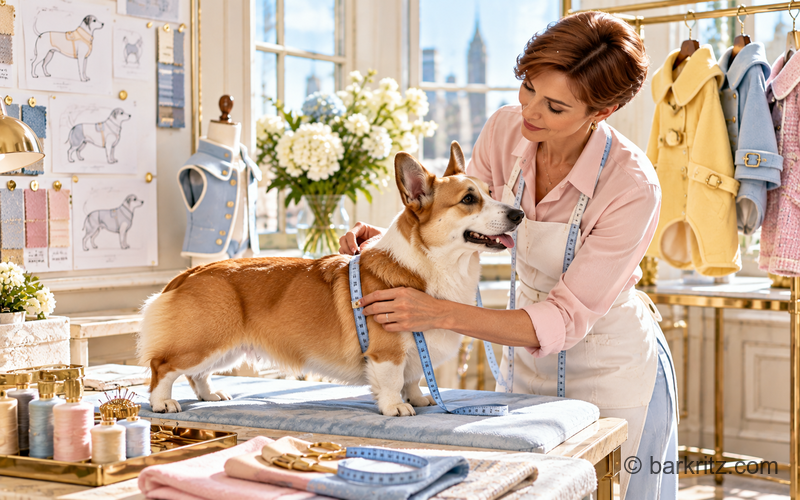
A properly fitted dog coat should cover the necessary areas without restricting the neck, shoulders, chest, or natural stride. Accurate measurements are more reliable than choosing a size based solely on breed or weight, particularly when selecting structured or tailored designs.
Most garments use three principal measurements:
- Back length: Measure from the base of the neck, where the collar naturally rests, to the base of the tail.
- Chest girth: Wrap a flexible measuring tape around the widest part of the rib cage, usually just behind the front legs.
- Neck circumference: Measure around the base of the neck, leaving enough room for comfortable movement and breathing.
Compare these measurements with the individual brand’s size chart, since sizing conventions vary. If your dog falls between sizes, the best choice depends on the garment’s construction and where additional room is needed; a wider chest adjustment, for example, may be more useful than simply increasing the overall length.
During a fitting, check that the dog can walk, sit, lie down, turn its head, and relieve itself without the garment shifting or catching. The fabric should not pull tightly across the shoulders, rub behind the front legs, or hang so low that it becomes wet or tangled.
Harness compatibility is another important detail. If the dog wears a harness, choose a coat with an appropriately positioned opening or a design that allows the harness to sit securely over or beneath the garment as intended. Never compromise leash control to accommodate an outfit.
Which Coat Design Best Suits Your Dog’s Lifestyle and the Season?
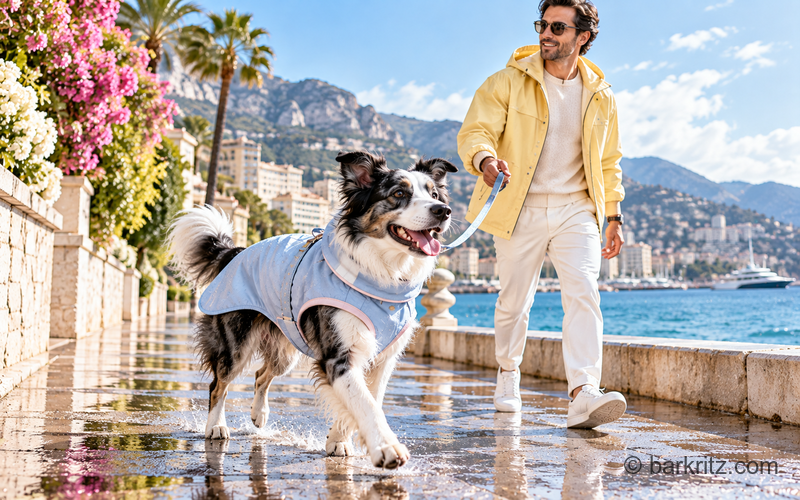
The ideal coat design depends on the conditions your dog encounters most often, from brisk city walks to rainy countryside outings and occasional travel. Selecting outerwear by purpose makes it easier to balance practicality with a polished appearance.
A considered canine wardrobe might include:
- For cold, dry weather: An insulated coat or warm knit layer for dogs that need additional protection against low temperatures.
- For rain: A lightweight waterproof or water-resistant shell with sufficient coverage and a secure fit.
- For active outdoor walks: A streamlined design with flexible panels, secure fastenings, and minimal excess fabric.
- For mild weather: A lightweight layer, used only when appropriate, that does not trap unnecessary heat.
- For visibility: Reflective trim or a bright colour can improve visibility in low-light conditions without compromising the overall design.
A coat should never be treated as a substitute for appropriate supervision or sensible decisions about exposure to the elements. Monitor your dog for signs of overheating, shivering, reluctance to move, or other discomfort, and adjust the clothing or duration of the walk accordingly. Dogs with dense double coats may need little or no extra insulation, even when the weather feels cold to their owners.
Seasonal care also affects longevity. Allow wet garments to dry thoroughly before storing them, follow the manufacturer’s washing instructions, and check fastenings and seams regularly. A well-maintained coat should remain comfortable and functional rather than merely looking presentable.
How Can You Build a Refined Dog Wardrobe Without Sacrificing Comfort?
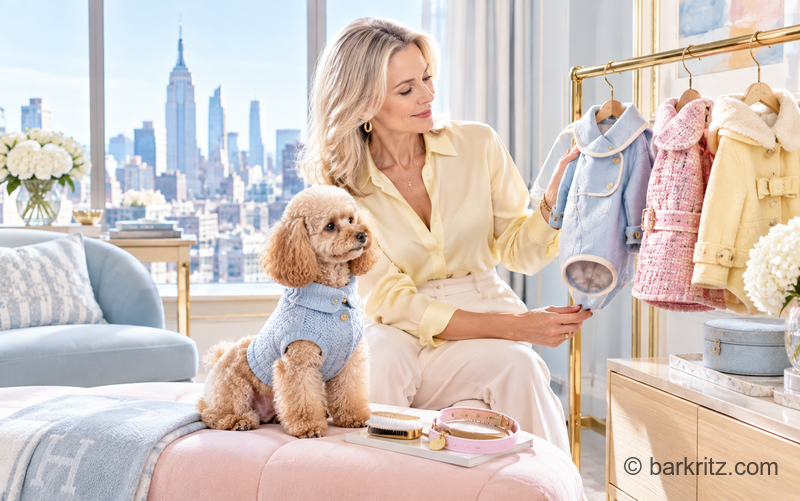
A refined dog wardrobe begins with a few well-fitting, versatile pieces in colours and materials that complement the dog’s natural appearance while serving a clear practical purpose. Consistency in fit and quality is more valuable than a large collection of garments that are rarely worn or poorly suited to the animal.
Start with the essentials: one coat appropriate for the dog’s most common weather conditions, a reliable rain layer if needed, and an additional warm garment only when the dog’s physiology and environment justify it. A restrained palette of soft neutrals, muted pastels, or classic colours can create a cohesive look without making every outfit identical.
When selecting pieces, prioritise:
- Fit over trend: A beautifully cut coat should accommodate the dog’s actual proportions and natural movement.
- Quality construction: Durable stitching, comfortable linings, and reliable closures support repeated use.
- Practical maintenance: Choose fabrics that can be cleaned appropriately after walks and remain comfortable after laundering.
- Individual expression: Use colour, texture, and subtle details to reflect the dog’s personality without adding unnecessary embellishments.
- Regular reassessment: Recheck fit as your dog ages, changes weight, or develops different needs.
Comfort should remain the final measure of success. Some dogs enjoy wearing coats, while others find clothing unfamiliar or stressful; gradual introduction with rewards can help, but a garment should never be forced on an uncomfortable animal. Remove it indoors when additional warmth is unnecessary and supervise dogs to prevent chewing or entanglement.
The most elegant canine style is ultimately thoughtful rather than excessive. When breed characteristics, precise fit, appropriate materials, and real-world function guide the choice, a dog’s coat becomes a natural extension of its care: polished in appearance, comfortable in use, and tailored to the individual wearing it.