

Small Dog Breeds for Luxury City Living
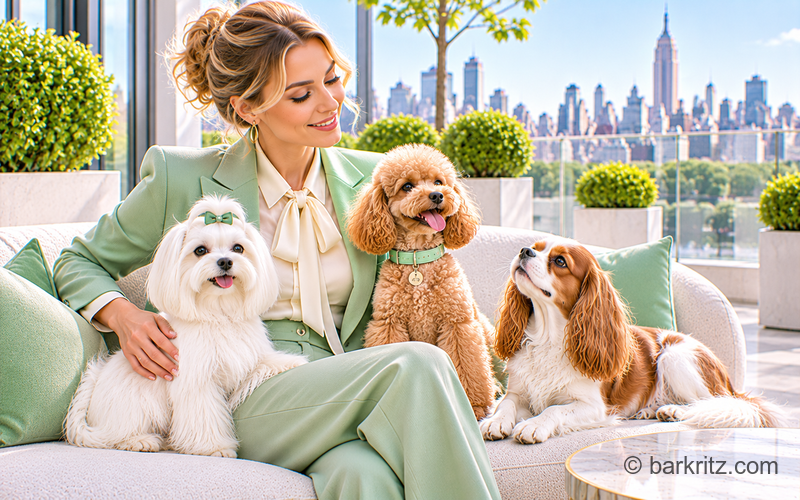
City life has its own rhythm: elegant residences, private members’ clubs, neighborhood cafés, landscaped parks, and a calendar that rarely stands still. For urban pet owners, choosing a small dog means finding a companion whose temperament, exercise requirements, grooming needs, and adaptability suit this environment. A compact frame can make apartment living more convenient, but size alone does not determine whether a breed will thrive in a busy city. The most suitable companions combine manageable proportions with a personality and energy level that complement their owner’s daily routine. From the affectionate Cavalier King Charles Spaniel to the spirited Toy Poodle, several small breeds bring distinctive character to contemporary urban homes.
Which Small Dog Breeds Are Best Suited to Apartment Living?
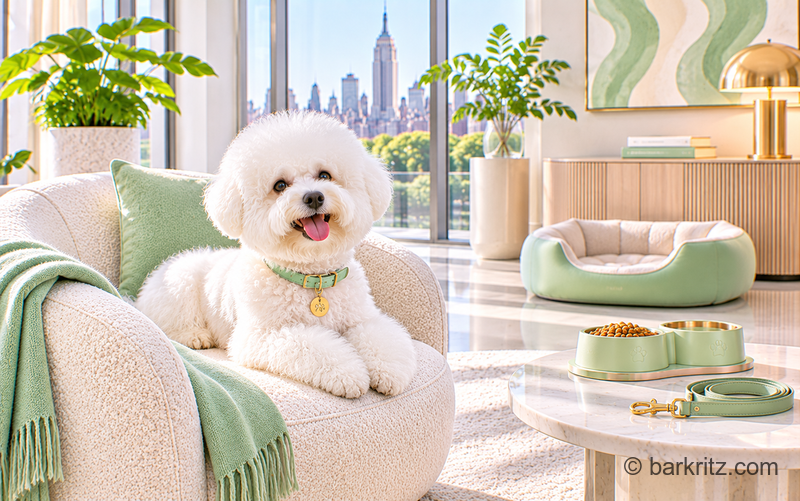
The best small breeds for apartment living combine adaptable temperaments, manageable exercise requirements, and the ability to settle comfortably indoors when their physical and social needs are met.
A compact dog can be an excellent companion in a Manhattan apartment, but prospective owners should look beyond weight and height. Barking tendencies, separation tolerance, activity levels, and the ability to navigate elevators and crowded sidewalks all influence everyday compatibility. Even the smallest breeds need regular walks, mental stimulation, training, and opportunities to socialize.
Several breeds deserve particular consideration:
- Cavalier King Charles Spaniel: Affectionate, sociable, and generally adaptable, this breed is often comfortable with a relaxed domestic routine. Its silky coat requires regular brushing, and prospective owners should investigate inherited heart and neurological conditions.
- Toy Poodle: Intelligent, responsive, and highly trainable, the Toy Poodle suits owners who enjoy interactive play and structured activities. Its curly coat requires consistent professional grooming.
- Bichon Frise: Cheerful and companionable, the Bichon often adapts well to apartment life. Its dense coat needs frequent maintenance, and early training helps manage excitement and vocal behavior.
- Maltese: Small, devoted, and naturally suited to close companionship, the Maltese can thrive in a compact residence. Its long coat requires regular care, while its attachment to people makes gradual independence training important.
- Shih Tzu: Traditionally bred as a companion, the Shih Tzu is generally comfortable with indoor living and moderate daily activity. Its facial structure requires particular attention to breathing, temperature, and eye care.
- Papillon: Lively and exceptionally intelligent, the Papillon offers a more energetic interpretation of small-dog companionship. It benefits from daily mental challenges, training, and active walks.
The best match depends on the household rather than the floor plan alone. A quiet owner who works from home may appreciate a different temperament from someone who regularly entertains guests or spends long hours outside the residence.
Which Small Breeds Combine Elegant Appearance With an Affectionate Temperament?
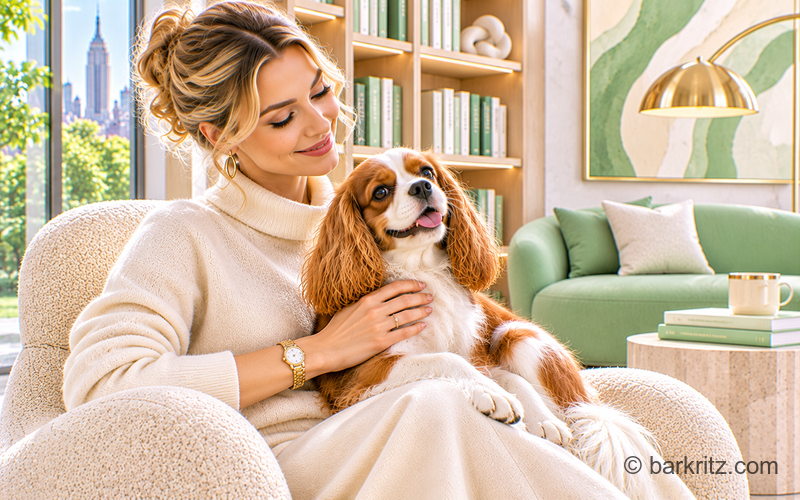
For owners who value both refined appearance and an affectionate disposition, the Cavalier King Charles Spaniel, Maltese, Bichon Frise, and Havanese are particularly appealing companions.
Small companion breeds have long occupied a distinctive place in domestic life, often developing close relationships with the people around them. Their appeal is not simply aesthetic: many were selectively bred for companionship, making human interaction an important part of their everyday behavior.
Four breeds illustrate different expressions of this character:
- Cavalier King Charles Spaniel: Recognized for its expressive eyes, feathered ears, and gentle manner, the Cavalier has a long association with British companion-dog history.
- Maltese: With its flowing white coat and lively expression, the Maltese has an ancient Mediterranean heritage and a long history as a household companion.
- Bichon Frise: Its rounded silhouette and cheerful personality make it instantly recognizable. The breed developed from Mediterranean companion-dog lines and became popular across European households.
- Havanese: Cuba’s national dog breed, the Havanese is known for its silky coat, playful personality, and strong attachment to its family.
Appearance should never be the sole selection criterion. A beautifully groomed dog still needs a compatible temperament, appropriate exercise, and regular health care. Owners should also consider whether they can maintain the grooming schedule required by long-coated breeds.
For a particularly harmonious household, meeting adult dogs of the breed can be useful. Their established personalities may offer a clearer indication of everyday behavior than appearance or breed descriptions alone.
What Small Dog Breeds Are Best for Active New York Owners?
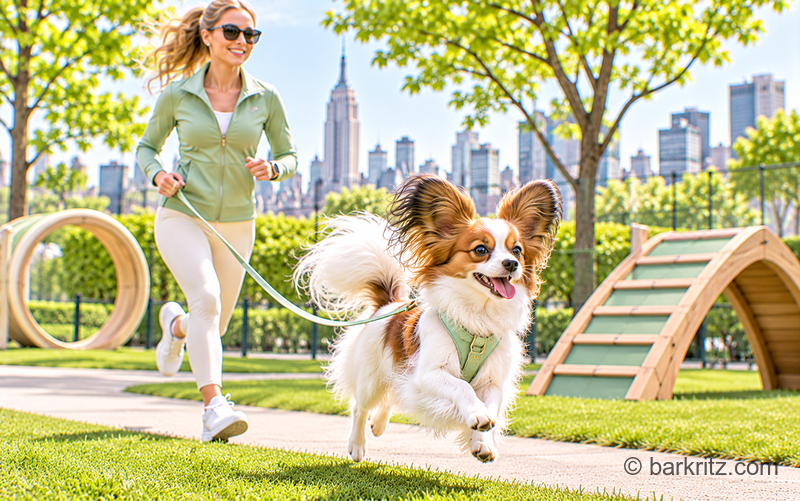
Active urban owners may find the Toy Poodle, Miniature Schnauzer, Papillon, and Miniature Dachshund especially rewarding because these breeds combine compact proportions with curiosity, intelligence, and enthusiasm for daily activities.
A city dog does not need to be sedentary simply because its home is an apartment. Walks through neighborhood streets, visits to dog-friendly outdoor spaces, structured training, and interactive games can provide meaningful stimulation. The important consideration is whether the owner can consistently meet the breed’s exercise and enrichment requirements.
Consider the distinctive qualities of these energetic companions:
- Toy Poodle: Exceptionally trainable and mentally agile, it often enjoys learning tricks, obedience exercises, and interactive games.
- Miniature Schnauzer: Alert, confident, and spirited, it can make an engaging walking companion, although its watchdog tendencies may require thoughtful barking management.
- Papillon: Athletic despite its delicate appearance, the Papillon often excels in agility and other canine activities that challenge both body and mind.
- Miniature Dachshund: Curious and determined, it enjoys exploring, scent-based games, and walks. Its elongated back requires careful handling, appropriate exercise, and avoidance of repeated high-impact jumping.
Urban activity should be adapted to the individual dog. Hot pavement, winter temperatures, traffic, crowded sidewalks, and overstimulation can all affect a small companion. Owners should introduce busy environments gradually and provide opportunities for quieter walks.
Mental enrichment is equally important. Short training sessions, puzzle feeders, scent games, and new walking routes can help prevent boredom without requiring an extensive outdoor exercise schedule.
Which Small Dog Breeds Are Easier to Groom and Maintain in a City Home?
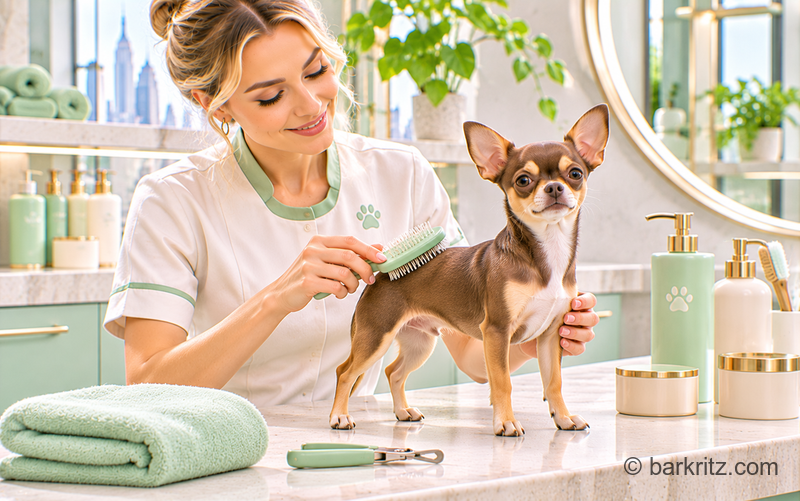
Breeds with short or relatively low-maintenance coats, such as the Chihuahua, Miniature Pinscher, and smooth-coated Dachshund, can simplify grooming routines, although every dog still requires regular hygiene and preventive care.
Grooming demands vary considerably among small breeds. A long-haired dog may need daily brushing and regular professional appointments, while a short-coated companion generally requires less coat maintenance. However, shorter fur does not eliminate the need for nail trimming, dental care, ear checks, bathing, and routine veterinary visits.
For owners comparing maintenance requirements, these distinctions are useful:
- Smooth-coated Chihuahua: Its short coat is relatively easy to maintain with routine brushing, although dental care and protection from cold weather deserve attention.
- Miniature Pinscher: Its sleek coat requires minimal grooming, but the breed’s energetic temperament calls for consistent activity and training.
- Smooth Dachshund: Its coat is comparatively low-maintenance, while its long back requires careful handling and weight management.
- Toy Poodle: Its coat sheds relatively little but grows continuously and requires regular professional clipping and brushing to prevent matting.
- Bichon Frise: Its coat is often considered suitable for some allergy-conscious households, but it requires frequent brushing and professional grooming to remain in good condition.
No breed is completely hypoallergenic. Allergic reactions can be triggered by proteins found in dander, saliva, and other sources, rather than simply by visible shedding. People with allergies should spend time around a particular dog before making a commitment.
In a city residence, practical grooming arrangements also matter. Owners should consider access to a trusted groomer, space for bathing and drying, and the time required to maintain the coat between appointments.
How Can You Choose the Right Small Dog for Your Urban Lifestyle?
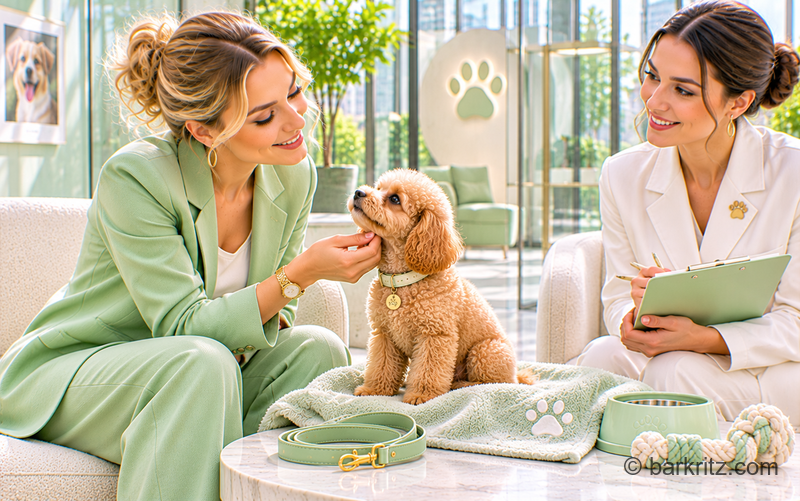
The right small dog is the one whose temperament, health profile, daily needs, and social preferences fit naturally into the owner’s real lifestyle rather than an imagined version of city living.
Before choosing a breed, consider how much time you spend at home, how often you travel, whether your schedule allows regular walks, and how comfortable you are with grooming and training commitments. A dog that thrives with an attentive home-based owner may be less suitable for someone who frequently works long hours away from home.
A practical selection checklist should include:
- Daily schedule: Can you provide regular walks, feeding, play, and companionship?
- Time alone: Does the breed tend to struggle with separation, and can you arrange appropriate care when away?
- Noise sensitivity: Will the dog be comfortable with elevators, traffic, construction, visitors, and other urban sounds?
- Grooming commitment: Can you maintain the coat and budget for professional grooming when necessary?
- Health considerations: Have you researched breed-associated conditions and asked responsible breeders about appropriate health screening?
- Travel arrangements: Can you accommodate the dog’s size, temperament, and transport requirements when traveling?
- Individual personality: Have you spent time with the actual dog rather than relying exclusively on breed characteristics?
Responsible sourcing is equally important. Reputable breeders should welcome questions, provide health documentation, allow prospective owners to understand the puppy’s background, and prioritize temperament and welfare. Adoption organizations can also help identify adult dogs whose personalities and habits are already established.
Small dogs can bring remarkable character to city living, but compact proportions should never be mistaken for minimal responsibility. Each breed has its own combination of energy, sensitivity, grooming needs, and health considerations. The most rewarding choice is not necessarily the smallest or most fashionable companion, but the dog whose natural temperament fits comfortably into the rhythm of its owner’s home and daily life.