

Luxe Wellness Tech for Pets in Modern Homes
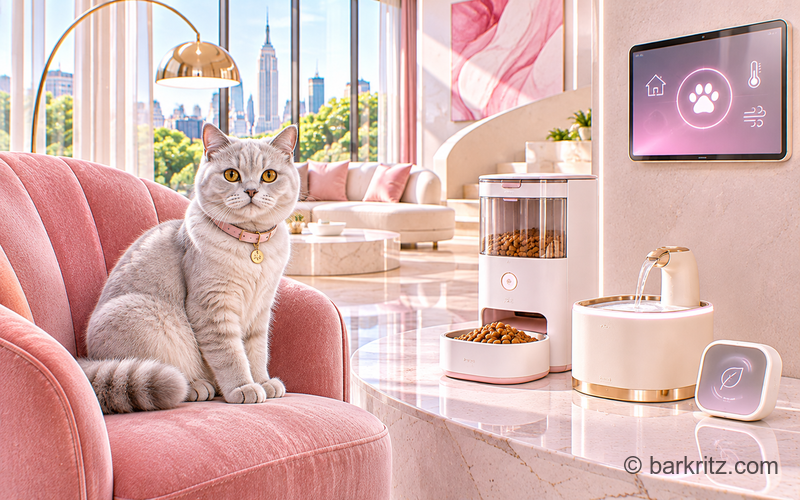
The modern home is becoming an increasingly sophisticated environment for companion animals, with intelligent technology transforming the way owners approach everyday care. From connected feeding systems and discreet health monitors to air-quality sensors and automated climate control, today’s pet wellness innovations bring together thoughtful design, convenience, and a more informed understanding of animal well-being. For discerning households, the appeal lies not simply in owning the latest devices, but in choosing technology that integrates beautifully into the home while supporting a pet’s individual needs. The most successful approach combines elegant design with practical functionality, allowing innovation to enhance the daily relationship between owners and their companions.
Which Smart Wellness Devices Are Worth Introducing Into a Modern Pet-Friendly Home?
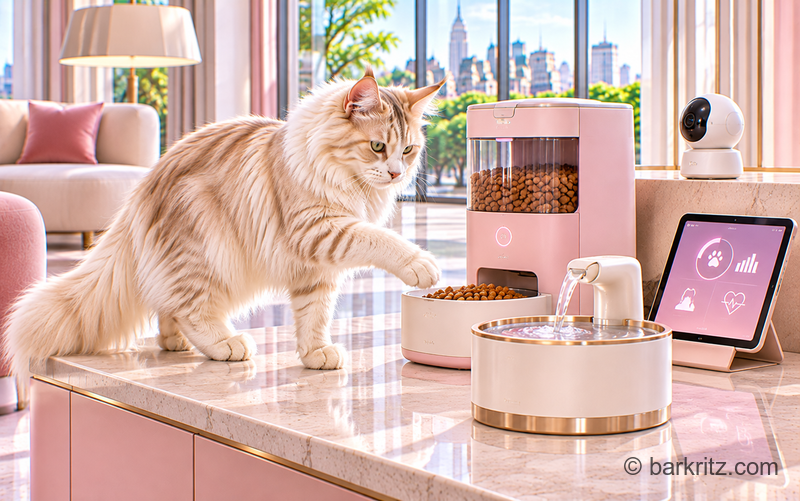
The most valuable pet wellness devices are those that address genuine everyday needs, providing reliable information or practical assistance without making the home feel like a technology showroom.
Connected products now cover several aspects of companion-animal care, including feeding, hydration, activity monitoring, environmental comfort, and home security. Their usefulness depends on the animal’s age, lifestyle, health requirements, and the owner’s daily routine. A young, energetic dog may benefit from activity tracking, while a senior cat may need closer observation of eating, drinking, and movement patterns.
Among the most useful categories are:
- Smart feeders: Programmable systems dispense measured portions at scheduled times, helping owners maintain consistent feeding routines. Some models also provide portion records and app-based controls.
- Connected water fountains: Circulating water systems encourage convenient access to fresh drinking water, while certain models monitor water levels and filter replacement.
- Activity trackers: Wearable devices record movement, rest periods, and other activity indicators, helping owners recognize changes in established patterns.
- Smart pet cameras: Indoor cameras allow owners to check on pets remotely, with selected models offering motion alerts, two-way audio, or activity notifications.
- Automated litter systems: Connected litter boxes can simplify maintenance and, on some models, record usage patterns that may help owners notice changes in bathroom habits.
The distinction between convenience and genuine wellness value is important. A device that provides useful, consistent information can support better daily care; one that generates constant notifications without meaningful context may simply create unnecessary noise.
Before purchasing, consider compatibility with your home network, ease of cleaning, replacement-part availability, data privacy, and the manufacturer’s long-term software support. The finest technology is not necessarily the most complicated. It is the technology that quietly performs its intended function.
How Can Wearable Technology Help Owners Monitor Their Pets’ Health?

Wearable pet technology can help owners identify changes in activity, rest, and selected physiological indicators, offering useful observations that complement—not replace—professional veterinary assessment.
Modern collars, tags, and harness-compatible sensors may collect information about movement, sleep patterns, location, and, depending on the device, selected health-related measurements. When reviewed over time, these records can help establish an individual baseline. A noticeable departure from a dog’s usual activity level, for example, may encourage an owner to investigate whether changes in routine, mobility, or general well-being require attention.
Common wearable functions include:
- Activity measurement: Tracks movement and exercise patterns, helping owners understand whether a pet’s routine has changed.
- Rest monitoring: Records periods of inactivity or sleep-related behavior, although device estimates should not be interpreted as clinical sleep assessments.
- Location tracking: Uses GPS or other positioning technologies to help locate a pet outside the home, subject to network coverage and battery life.
- Selected physiological monitoring: Some specialized devices estimate indicators such as heart rate or respiratory patterns, but accuracy and availability vary by product and animal.
- Behavioral trends: Longitudinal records can help owners discuss changes in everyday habits with their veterinarian.
The most useful information is comparative rather than isolated. A single unusually inactive afternoon may mean very little; a sustained change from an animal’s established routine can be more informative. Owners should also remember that breed, age, body condition, weather, and activity level influence normal patterns.
Comfort and fit deserve equal attention. A wearable should be appropriately sized, lightweight, secure, and designed to avoid rubbing or restricting movement. For cats in particular, collar safety and a suitable quick-release mechanism are important considerations.
Technology should support observation, not encourage owners to diagnose conditions through an app. If a pet displays persistent lethargy, changes in appetite, breathing difficulties, unusual behavior, or other concerning symptoms, veterinary advice remains essential.
Can Smart Home Systems Improve Indoor Air Quality and Comfort for Pets?
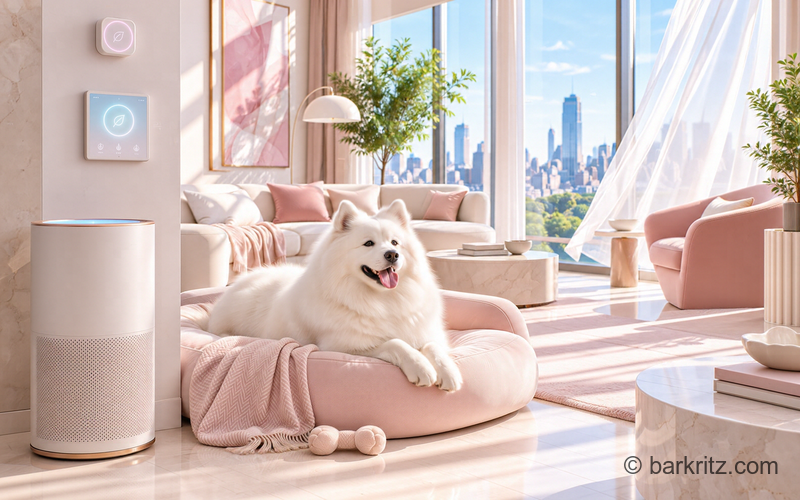
Smart environmental systems can create a more comfortable indoor setting for pets by helping owners monitor temperature, humidity, ventilation, and airborne particles.
Animals experience their surroundings differently from humans. Dogs and cats spend considerable time close to the floor, where dust and other particles may accumulate, while their coats and individual physiological characteristics influence how they respond to temperature and humidity. A well-designed home environment therefore requires more than an attractive thermostat or decorative air purifier.
Several technologies can contribute to a healthier indoor setting:
- Air-quality monitors: Track selected environmental indicators, such as particulate matter and volatile organic compounds, depending on the sensor.
- Air purifiers: HEPA filtration can reduce airborne particles, including certain allergens and dust, when the unit is appropriately sized and maintained.
- Smart thermostats: Help maintain consistent indoor temperatures and adjust heating or cooling schedules according to household routines.
- Humidity sensors: Allow owners to identify unusually dry or humid conditions and make appropriate adjustments.
- Automated ventilation: Can improve air circulation when properly designed and operated.
Device placement matters. Air-quality sensors should be positioned according to manufacturer guidance, away from direct sunlight, vents, and localized sources of pollution that could distort readings. Air purifiers should be selected for the room size, with filters replaced at the recommended intervals.
Owners should also be cautious with scented products and essential-oil diffusers. Certain substances can irritate animals or pose toxicity risks, particularly to cats and birds. A pleasant fragrance is not evidence of clean air; effective filtration and appropriate ventilation are more meaningful priorities.
For households with pets that have respiratory sensitivities, a veterinarian can help determine whether additional environmental measures are appropriate. Smart sensors offer useful visibility into indoor conditions, but they cannot independently establish that an environment is safe for every animal.
Which Intelligent Feeding and Hydration Technologies Support Better Daily Routines?
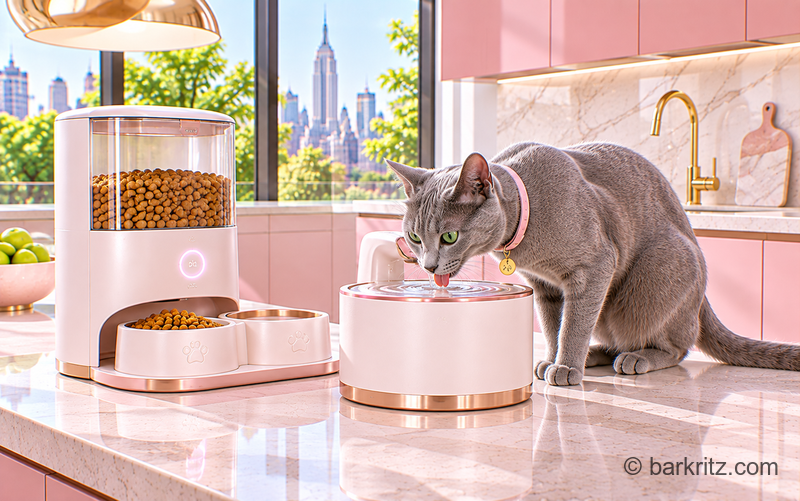
Smart feeding and hydration systems are most beneficial when they help owners maintain consistent routines, control portions, and recognize changes in an animal’s normal eating and drinking behavior.
Connected feeders have evolved beyond simple automatic dispensers. Depending on the model, they may allow portion scheduling, remote adjustments, feeding notifications, and individual meal records. Some advanced systems use a microchip or a compatible identification tag to recognize a particular pet, making them useful in multi-animal households where different diets must be maintained.
The main options serve different purposes:
- Timed automatic feeders: Release premeasured meals according to a programmed schedule, supporting routine when owners are away.
- Microchip-activated feeders: Restrict access to an identified animal, helping prevent food sharing between pets with different dietary requirements.
- Connected portion-control systems: Allow owners to adjust meal quantities and review feeding records through an app.
- Smart water fountains: Circulate and filter water, with selected models providing low-water alerts or consumption estimates.
- Integrated feeding stations: Combine storage, dispensing, and connected monitoring in a single, organized arrangement.
Hydration monitoring deserves particular attention. Changes in drinking behavior can sometimes accompany health concerns, although they may also reflect temperature, activity, diet, or other ordinary circumstances. A connected fountain that records water use may provide useful context, but its measurements should be treated as estimates unless the manufacturer has established clinical-grade accuracy.
Smart feeders are not substitutes for supervision. Owners should regularly inspect food storage, clean bowls and dispensing mechanisms, check batteries or power connections, and confirm that meals have actually been delivered. Devices can malfunction, lose connectivity, or dispense incorrectly.
For pets with medical conditions, prescribed diets, or complex feeding schedules, the feeding plan should be established with a veterinarian. Technology can make a suitable routine easier to follow, but it should never determine nutritional requirements independently.
How Should You Choose Luxury Pet Wellness Technology That Is Safe, Reliable, and Beautifully Designed?
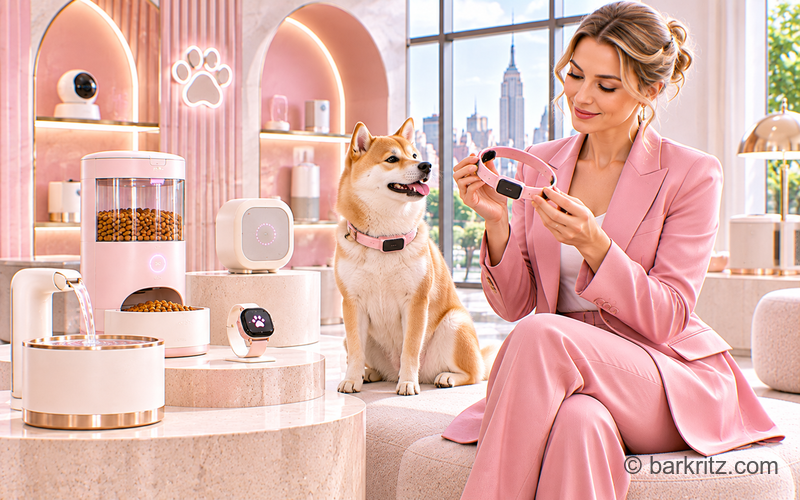
The best investment in pet wellness technology balances verified functionality, animal safety, data protection, ease of maintenance, and an aesthetic that complements the home.
Premium design can make connected products more appealing, but an elegant exterior does not guarantee dependable performance. Before introducing a device, owners should evaluate its actual capabilities, understand what information it collects, and consider whether the technology is appropriate for their particular animal.
A thoughtful purchasing checklist includes:
- Safety certification and materials: Look for clear manufacturer information, durable construction, pet-safe materials, and no accessible small components that could be swallowed.
- Reliable performance: Examine independent testing where available, product specifications, connectivity requirements, and the manufacturer’s approach to software updates.
- Data privacy: Review what personal and pet-related information is collected, where it is stored, whether it is shared, and how account access is protected.
- Maintenance requirements: Check filter availability, cleaning instructions, battery replacement, subscription fees, and the expected lifespan of consumable components.
- Ease of use: Prefer intuitive controls, clear alerts, and straightforward setup over unnecessary features.
- Veterinary relevance: Choose products that provide information useful to your pet’s care rather than presenting unverified measurements as medical diagnoses.
- Interior compatibility: Consider dimensions, noise levels, cable management, materials, and whether the device can be integrated discreetly into the living space.
A further consideration is how the device affects the animal’s behavior. Some pets are sensitive to mechanical sounds, flashing indicators, unfamiliar collars, or automated movements. Introduce new equipment gradually and observe the animal’s response. If a device causes persistent anxiety or discomfort, its technological sophistication is of little practical value.
The most compelling modern pet home is not the one filled with the greatest number of connected products. It is the one where carefully selected innovations support consistent nutrition, comfortable surroundings, informed observation, and attentive care. When technology is chosen with discernment, it becomes an unobtrusive partner in a pet’s daily well-being—enhancing the home without replacing the most important element of all: the owner’s attention.