

How to Choose Pet Accessories That Last for Years
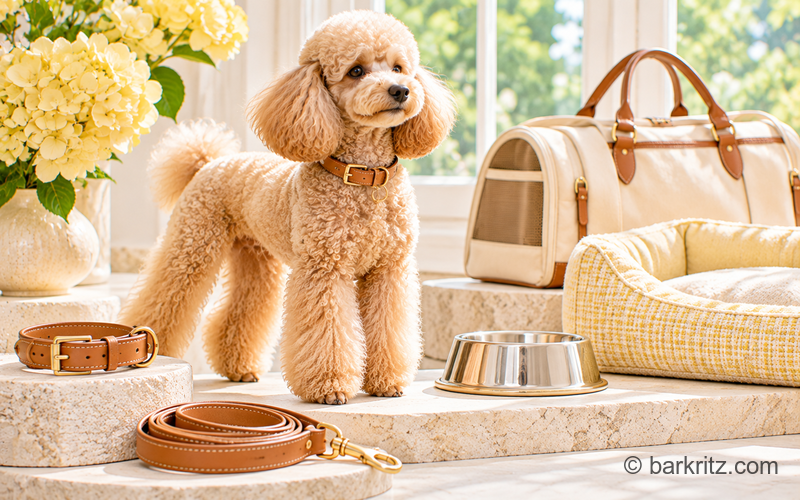
The most enduring pet accessories share three qualities: exceptional materials, thoughtful construction, and a design that remains relevant long after seasonal trends have passed. For discerning pet owners, choosing a collar, walking set, carrier, or resting accessory is an exercise in balancing aesthetics with everyday performance. The finest pieces do more than complement a pet’s appearance; they withstand repeated use, remain comfortable over time, and become familiar parts of a shared daily ritual. By understanding material quality, construction techniques, fit, and maintenance requirements, owners can build a considered collection of pet essentials designed to serve for years rather than months.
Which Materials Make Pet Accessories Last the Longest?
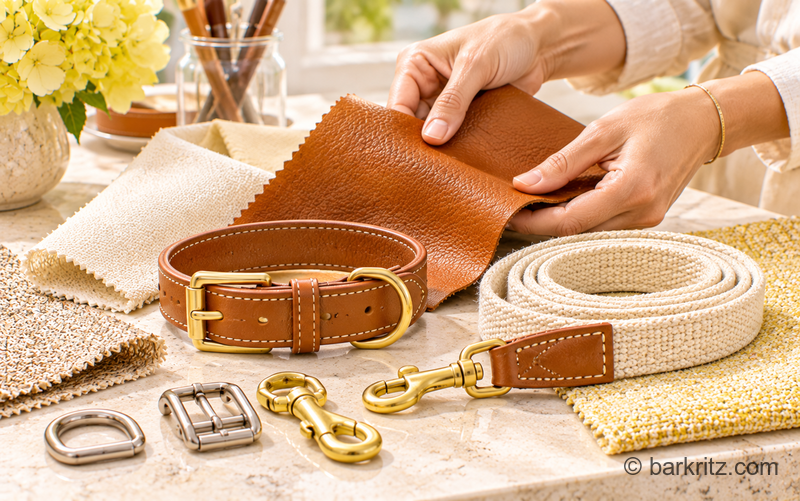
The most durable pet accessories are made from materials selected for their intended use, environmental exposure, and ability to retain their structural integrity through repeated wear and cleaning. Genuine leather, tightly woven technical textiles, stainless steel, and high-quality natural fibers can all offer longevity when properly manufactured and maintained.
Material choice should begin with function rather than appearance alone. A collar worn every day faces friction, moisture, sunlight, and repeated fastening, while a decorative cushion cover experiences different stresses. Understanding these distinctions helps owners identify pieces that are genuinely suited to their purpose.
Leather can develop an attractive patina over time, making it a compelling choice for classic collars, leads, and selected travel accessories. However, leather quality varies considerably. Full-grain leather generally retains more of the hide’s natural surface than heavily corrected alternatives, but even well-made leather requires appropriate care and may deteriorate when repeatedly soaked or stored in damp conditions. It should never be selected without considering the pet’s chewing habits, climate, and intended activity.
Technical textiles offer another compelling option. High-quality nylon webbing and tightly woven polyester can provide strength, abrasion resistance, and easier cleaning than many traditional materials. For pets who enjoy outdoor adventures, these fabrics may be more practical than delicate natural fibers.
Other materials deserve consideration according to the accessory:
- Stainless steel: Suitable for hardware, clips, and selected feeding accessories when the grade, finish, and construction are appropriate.
- Solid brass: Can offer a distinctive finish and durable hardware, although it may tarnish and requires maintenance.
- Dense cotton canvas: Useful for carriers, storage bags, and selected soft furnishings, provided seams and reinforcements are designed for the expected load.
- High-quality upholstery fabrics: Can provide lasting comfort for beds and cushions when they resist abrasion, tolerate regular cleaning, and retain their shape.
- Natural wool: Offers softness and temperature regulation in appropriate bedding applications, but its cleaning requirements may be more demanding than those of synthetic alternatives.
No material is universally superior. A leather lead may be ideal for composed urban walks, while a washable technical-fabric lead may better suit wet-weather excursions. The most enduring purchase is the one whose material matches the demands of the pet’s actual lifestyle.
How Can You Recognize Superior Craftsmanship in Pet Accessories?
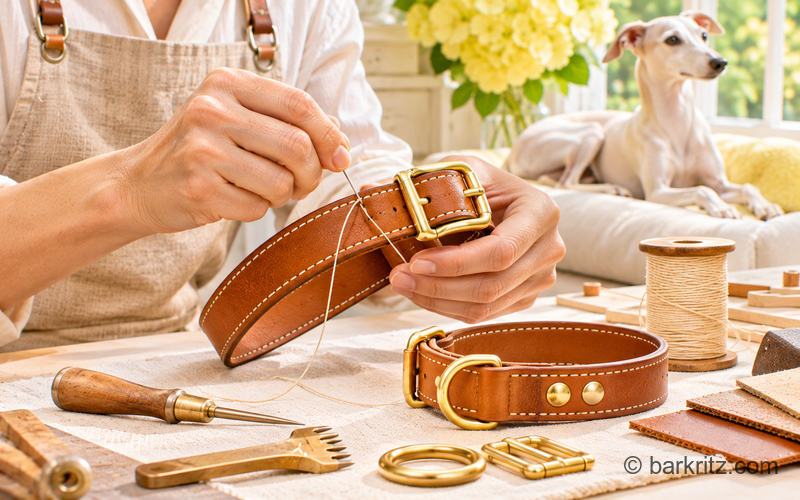
Superior craftsmanship is evident in reinforced stress points, secure fastenings, consistent stitching, smooth finishes, and components designed to withstand the forces generated during everyday use.
A polished appearance can be misleading when construction is weak beneath the surface. Before purchasing an accessory, examine the areas most likely to experience tension, movement, or repeated handling. These details often reveal more about longevity than a decorative label or premium price.
On collars and leads, inspect the stitching around rings, buckles, and attachment points. Seams should be consistent, edges should be finished cleanly, and hardware should operate smoothly without sticking or showing sharp edges. For fabric carriers, look closely at handle attachments, zipper construction, base support, and the reinforcement around openings.
For beds and soft accessories, craftsmanship is reflected in the internal structure as much as the visible upholstery. Removable covers, robust seams, well-finished zippers, and replaceable inserts can extend useful life by allowing individual components to be cleaned or renewed without replacing the entire item.
A practical quality inspection includes:
- Stitching: Look for even, secure seams and appropriate reinforcement where the accessory bears weight or tension.
- Hardware: Check that clips, rings, buckles, and adjusters operate reliably and are proportionate to the intended use.
- Edges and finishes: Examine leather edges, fabric seams, molded components, and metal surfaces for roughness or premature wear.
- Structural support: Assess the stability of carriers, bed bases, feeding stands, and other products that must retain their shape.
- Repairability: Favor designs with replaceable straps, washable covers, serviceable fastenings, or available replacement components.
The quality of a product should also be evaluated against its intended load and use. A small decorative clasp is not necessarily appropriate for a strong dog, regardless of how beautifully it is finished. Manufacturers should provide clear guidance about sizing, weight limits, maintenance, and suitable applications.
For walking equipment, reliability is a safety requirement rather than a styling preference. Inspect accessories regularly and replace any item with compromised stitching, cracked hardware, weakened webbing, or other damage that could cause failure. A well-crafted accessory can last for years, but no product should remain in use once its structural integrity is in doubt.
Which Pet Accessories Are Worth Investing in for Long-Term Use?
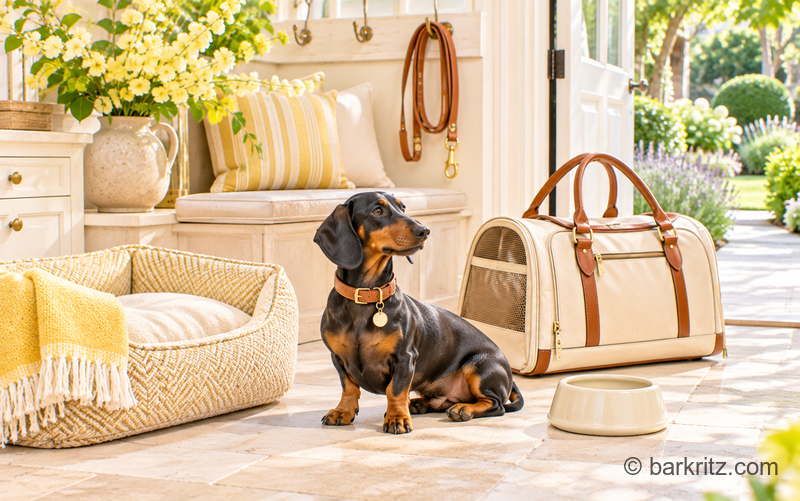
The most worthwhile long-term investments are the accessories used frequently, exposed to meaningful wear, and essential to a pet’s comfort or safety. A smaller collection of well-made everyday pieces can be more practical than an extensive assortment of inexpensive products that require frequent replacement.
A considered collection begins with the essentials. Walking equipment, a comfortable resting place, a suitable carrier, feeding accessories, and grooming tools generally provide more lasting value than decorative items used only occasionally.
For collars and leads, prioritize secure hardware, appropriate dimensions, adjustable fit where useful, and materials suited to the dog’s strength and walking environment. The accessory should remain comfortable without restricting movement or creating excessive pressure. Dogs who pull strongly may require a suitable harness rather than relying on a collar for leash control; the right configuration depends on the individual animal and should be selected with comfort and safety in mind.
For carriers, structural integrity and appropriate ventilation are more important than decorative finishes. A carrier should provide sufficient room for the animal to adopt a natural posture, remain secure during transport, and meet the requirements of the intended journey. A beautiful design is only a sound investment if it performs reliably in the circumstances for which it was purchased.
Beds deserve similar consideration. High-quality construction, supportive filling, washable covers, and replacement components can extend useful life. However, the appropriate support depends on the pet’s size, sleeping habits, age, and any mobility concerns. A bed that maintains its appearance but loses its supportive structure may no longer serve its purpose.
When comparing purchases, consider these priorities:
- Daily walking accessories: Favor dependable attachment points, suitable hardware, comfortable handling, and materials appropriate to the pet’s size and behavior.
- Beds and cushions: Look for supportive construction, durable upholstery, removable covers, and readily available replacement inserts.
- Carriers and travel bags: Prioritize secure closures, adequate ventilation, stable bases, and clear weight and size specifications.
- Feeding accessories: Choose stable bowls and stands made from suitable, easy-to-clean materials with smooth, accessible surfaces.
- Grooming tools: Select tools suited to the pet’s coat type, with secure handles, durable working parts, and replaceable components where available.
Price should be evaluated alongside expected service life, maintenance requirements, repair options, and frequency of use. A more expensive product may offer better long-term value if its construction genuinely supports extended use, but cost alone is not evidence of superior quality.
It is also worth considering whether a product can adapt to changing needs. Adjustable straps, replaceable inserts, modular storage, and interchangeable components can help an accessory remain useful as circumstances evolve. Longevity is often the result of thoughtful design rather than simply choosing the heaviest or most expensive option.
How Should You Care for Pet Accessories to Extend Their Lifespan?
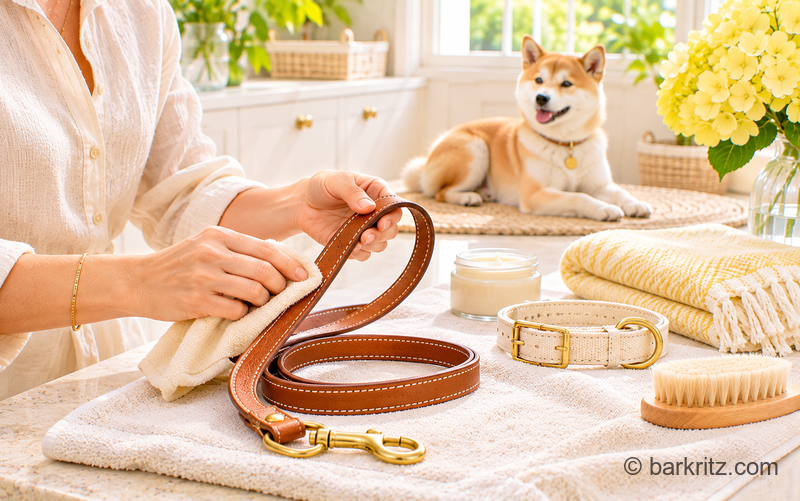
Regular cleaning, appropriate storage, prompt repairs, and routine inspections are the most effective ways to extend the lifespan of pet accessories without compromising hygiene or safety.
Even premium materials deteriorate when exposed to unsuitable cleaning products, persistent moisture, excessive heat, or neglect. Care should follow the manufacturer’s instructions and account for the specific material rather than applying one cleaning method to every item.
Leather accessories typically benefit from wiping away dirt with a soft, slightly damp cloth and using a compatible leather-care product when recommended. They should be allowed to dry naturally, away from radiators and direct heat. Excessive moisture, harsh detergents, and unsuitable oils can damage the surface or weaken the material.
Textile accessories require a different approach. Washable covers, leads, blankets, and travel mats should be cleaned according to their care labels, with attention to hardware and reinforced seams. Before washing, check whether metal components could damage the fabric or the washing machine. Items that cannot be machine-washed may require careful hand cleaning or professional treatment.
A reliable maintenance routine includes:
- After outdoor use: Remove mud, sand, and surface debris before they become embedded in the material.
- Weekly or as needed: Check frequently used collars, leads, harnesses, and carriers for fraying, loose stitching, and damaged fastenings.
- Regularly: Wash bedding and removable covers according to the manufacturer’s instructions to control dirt, odors, and accumulated hair.
- Before travel: Inspect carrier zippers, closures, handles, and structural components, ensuring that the product remains suitable for the animal.
- During storage: Keep accessories in a clean, dry, well-ventilated place away from direct sunlight and conditions that could encourage mold or material deterioration.
Repairing a loose seam or replacing a worn strap can sometimes preserve an otherwise sound accessory, provided the repair restores its intended strength. Cosmetic restoration, however, should never be mistaken for structural repair. Damaged safety-critical components should be replaced or professionally repaired before the item is used again.
Hygiene is equally important. Accessories that retain moisture, develop persistent odors, or cannot be cleaned adequately may need replacement even if they remain visually attractive. A long service life is valuable only when the item continues to meet appropriate standards of cleanliness, comfort, and safety.
How Can You Choose Timeless Pet Accessories Without Sacrificing Comfort or Safety?
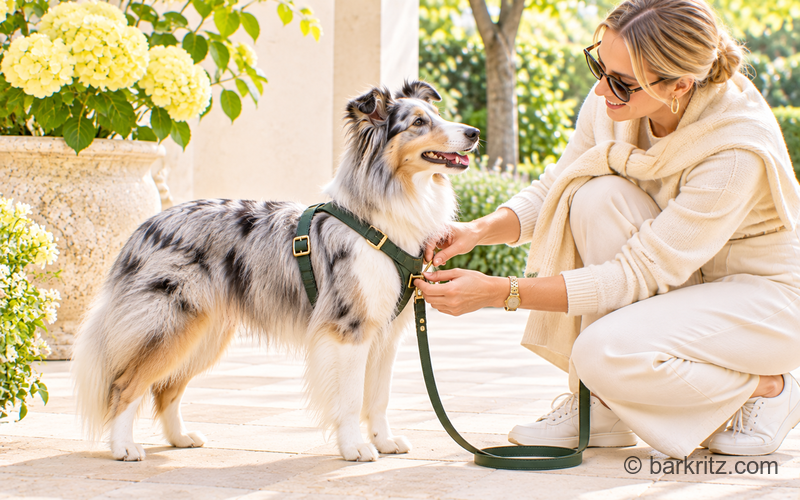
Timeless pet accessories combine understated design with a precise fit, appropriate functionality, and construction that remains useful beyond short-lived fashion trends.
Classic shapes, restrained colors, and carefully selected finishes can make accessories easier to coordinate with a pet’s everyday equipment and the owner’s personal style. Yet aesthetic consistency should never override comfort, visibility, durability, or the intended function of the product.
Neutral tones such as warm ivory, charcoal, forest green, and rich brown can remain visually versatile across seasons. A distinctive accent color or refined metal finish may add individuality without making the entire collection dependent on a passing trend. The most successful designs feel considered rather than conspicuous.
Fit is essential to both comfort and longevity. A collar that is too tight can cause discomfort, while one that is too loose may slip off or become caught. Harnesses should allow natural movement without rubbing, restricting the shoulders, or placing pressure in inappropriate areas. Measurements should be checked against the manufacturer’s sizing guide, and the fit should be reassessed as the animal grows or changes weight.
The same principle applies to soft accessories. Bedding should accommodate the pet’s preferred sleeping position and provide appropriate support. Carriers must offer sufficient space and ventilation, while clothing should permit unrestricted movement and should not create overheating or interfere with normal behavior.
Before purchasing a design-led accessory, ask:
- Does it suit the animal? Consider size, strength, coat type, chewing behavior, activity level, and any physical limitations.
- Is the design functional? Decorative elements should not create choking, entanglement, snagging, or ingestion hazards.
- Can it be cleaned properly? Materials and construction should support the hygiene routine required for everyday use.
- Can it be adjusted or repaired? Adaptability and replacement parts can help preserve value over time.
- Will it remain useful? Choose a design that serves a genuine need rather than relying solely on seasonal appeal.
Personal style can also be expressed through a coordinated collection rather than through excessive decoration. A durable lead, a comfortable bed, a practical travel carrier, and a well-made storage solution can share complementary colors and finishes while serving distinct purposes.
Ultimately, the most enduring pet accessories are those that respect the animal as much as the owner’s aesthetic preferences. Quality materials, thoughtful craftsmanship, proper maintenance, and an appropriate fit transform everyday objects into reliable essentials. When these qualities guide purchasing decisions, a carefully selected collection can remain beautiful, functional, and comfortable for years.