

The Rarest Dog Breeds Recognized by the AKC
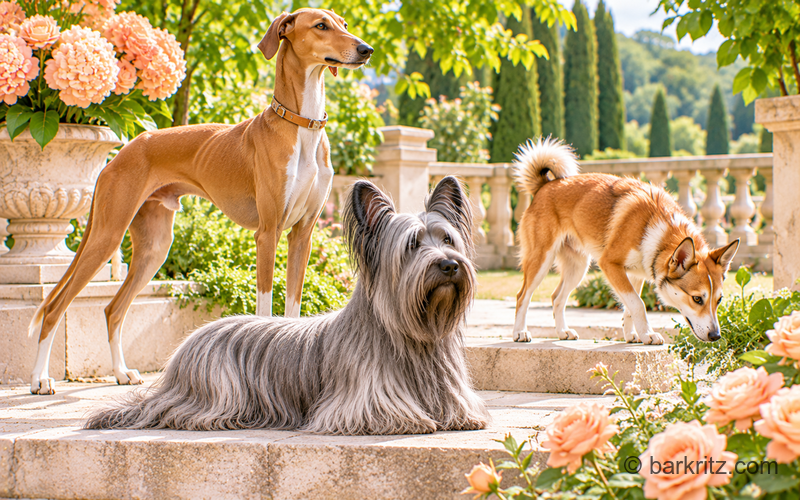
For discerning dog enthusiasts, rarity offers something more meaningful than exclusivity: a connection to distinctive histories, specialized working traditions, and carefully preserved breed characteristics. Among the breeds recognized by the American Kennel Club (AKC), some remain uncommon in the United States despite their remarkable appearances, centuries-old heritage, or exceptional versatility. From ancient African sighthounds to powerful European guardians and elegant hunting companions, these dogs represent a fascinating spectrum of canine development. Understanding their origins, temperaments, and care requirements reveals why the rarest breeds deserve attention not simply for their scarcity, but for the qualities that make each one extraordinary.
Which AKC-Recognized Dog Breeds Are Among the Rarest in America?
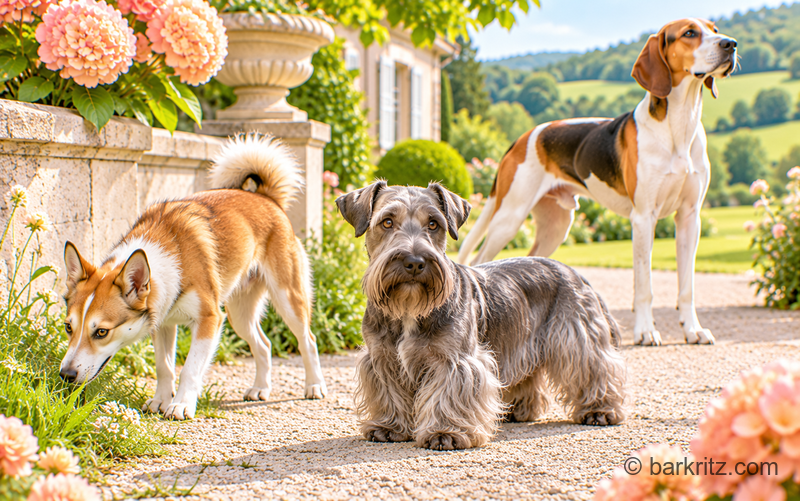
Several AKC-recognized breeds, including the Norwegian Lundehund, English Foxhound, and Cesky Terrier, are among the least commonly registered dogs in the United States, reflecting their specialized histories and relatively small breeding populations.
The AKC’s annual registration rankings provide a useful indication of a breed’s popularity, although they do not measure the total number of living dogs or establish a universal definition of rarity. Rankings can also change from year to year, so the breeds discussed here are best understood as examples of uncommon AKC-recognized dogs rather than a definitive, permanent ranking.
The Norwegian Lundehund is particularly distinctive because of its unusual physical adaptations. Originally developed in Norway to hunt puffins along steep coastal cliffs, it has flexible joints, six toes on each foot, and remarkable mobility that helped it navigate difficult terrain. These characteristics reflect a specialized working purpose rather than an aesthetic breeding trend.
The English Foxhound, by contrast, was developed for endurance and cooperative hunting, traditionally working in packs over extensive countryside. Although familiar in British hunting history, it remains uncommon as a companion dog in the United States.
Other uncommon breeds include the Cesky Terrier, a Czech hunting terrier known for its silky coat and comparatively measured temperament, and the Skye Terrier, a long-bodied Scottish breed with a distinctive flowing coat and a history of working underground against vermin.
Several factors help explain why certain breeds remain rare:
- Specialized working origins: Breeds developed for particular environments or tasks may have limited demand outside their original purpose.
- Small breeding populations: Maintaining genetic diversity can be challenging when relatively few suitable breeding dogs are available.
- Distinctive care requirements: High exercise needs, grooming commitments, or specialized training may limit their appeal to prospective owners.
- Limited public familiarity: Breeds that rarely appear in popular culture or mainstream advertising may attract fewer inquiries from potential owners.
Rarity should never be treated as a guarantee of superior quality or health. Responsible breeding, stable temperament, genetic diversity, and a suitable match between dog and household are more meaningful considerations than registration numbers alone.
What Makes the Norwegian Lundehund So Unusual?
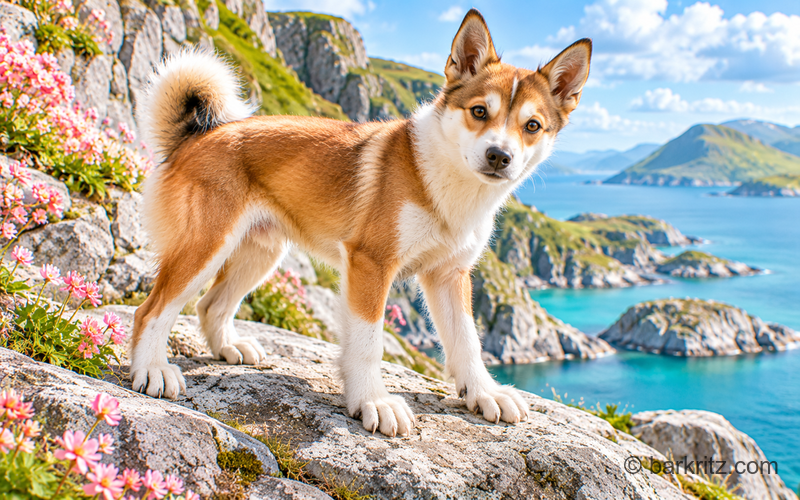
The Norwegian Lundehund stands apart because of its extraordinary anatomical adaptations, including six toes on each foot and unusually flexible joints that helped it navigate steep Norwegian cliffs while hunting puffins.
Developed along Norway’s rugged coastal regions, this small spitz-type dog was adapted to a demanding environment where agility and the ability to squeeze through narrow spaces were essential. Its flexible neck, mobile shoulders, and specialized feet enabled it to move across uneven rock surfaces with impressive dexterity.
The breed’s unusual characteristics are functional remnants of its historical role. Although modern Lundehunds are more likely to live as companions than working puffin hunters, their physical structure remains a defining feature.
Its appearance is equally distinctive. Erect ears, a wedge-shaped head, a curled tail, and a dense double coat give the dog a distinctly Nordic silhouette. Coat colors commonly include reddish-brown, tan, and related shades with darker markings and white areas.
Prospective owners should understand that the Lundehund is not simply a rare conversation piece. It is an active, intelligent dog that benefits from mental stimulation, appropriate exercise, and consistent positive training. Its independent instincts may require patience, while early socialization helps develop confidence in unfamiliar environments.
The breed also has important health considerations. Lundehund syndrome refers to a group of gastrointestinal disorders that can include intestinal lymphangiectasia and other digestive complications. Not every dog develops severe disease, but prospective owners should seek breeders who understand the breed’s health history and can discuss appropriate veterinary monitoring.
Key characteristics include:
- Origin: Norway, particularly coastal communities where puffin hunting was practiced.
- Historical function: Navigating cliffs and narrow crevices to reach nesting birds.
- Signature anatomy: Six toes on each foot, flexible joints, and unusually mobile shoulders and neck.
- Lifestyle fit: An active household prepared to provide enrichment, careful health monitoring, and consistent companionship.
For enthusiasts drawn to uncommon canine heritage, the Norwegian Lundehund offers a remarkable example of how environment and working purpose can shape a breed over generations.
Which Rare AKC Breeds Have the Most Distinctive European Heritage?
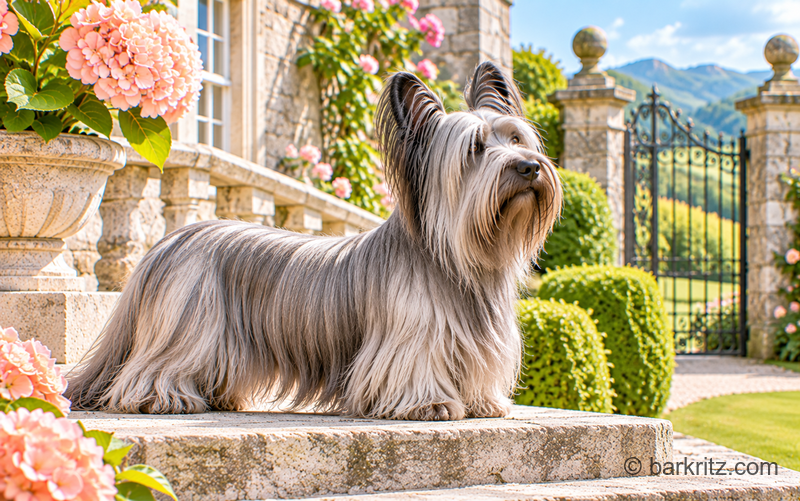
The Skye Terrier, Cesky Terrier, and English Foxhound each preserve a different aspect of European canine heritage, from Scottish vermin hunting to Czech woodland work and traditional British pack hunting.
The Skye Terrier originated on Scotland’s Isle of Skye and surrounding islands, where it was valued for pursuing foxes and other animals into their dens. Its long body, short legs, and profuse coat form one of the most recognizable silhouettes in the terrier group. Traditionally devoted to its family, the Skye can be reserved with strangers and benefits from thoughtful socialization. Its coat requires regular grooming to prevent tangles and maintain healthy skin.
The Cesky Terrier was developed in what is now the Czech Republic by crossing selected terrier lines to produce a dog suited to hunting in woodland terrain. Its softer, silky coat distinguishes it from many other terriers, while its compact build and generally adaptable nature can make it a rewarding companion. Regular trimming and brushing are important, and owners should provide opportunities for exploration and scent-based activities.
The English Foxhound represents a different tradition altogether. Bred for stamina and pack cooperation, it has a lean, athletic body, a short coat, and a strong instinct to follow scents. These characteristics can be challenging in a typical urban home unless the owner can provide substantial exercise, secure outdoor space, and appropriate training. Its sociable nature may make it particularly comfortable around other dogs, although individual temperament varies.
Their contrasting qualities make these three breeds especially interesting:
- Skye Terrier: A compact Scottish hunter with a dramatic coat and a distinctive, elongated profile.
- Cesky Terrier: A Czech-developed terrier with a silky coat, moderate stature, and a practical hunting heritage.
- English Foxhound: An endurance-oriented British scent hound bred for cooperative work and sustained activity.
Each breed carries a different set of responsibilities for its owner. The Skye Terrier requires coat maintenance and thoughtful handling; the Cesky Terrier benefits from grooming and structured enrichment; the English Foxhound needs considerable exercise and careful management of its scent-driven instincts.
Their rarity reflects changing lifestyles as much as historical circumstance. When traditional working roles decline, the number of households equipped to meet a breed’s original needs may also diminish.
Which Rare AKC Breeds Are Best Suited to Experienced Dog Owners?
The best rare breed for an experienced owner depends on the household’s activity level, training experience, grooming capacity, available space, and willingness to manage breed-specific health considerations.
Rarity alone does not determine difficulty. Some uncommon breeds adapt well to life with an attentive first-time owner, while others require specialized handling or an environment that accommodates powerful instincts and substantial physical demands.
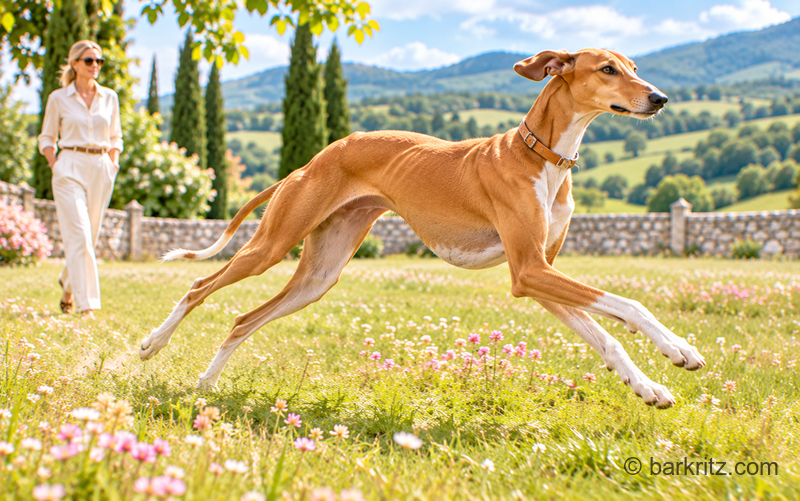
The Azawakh, an elegant sighthound originating in the Sahel region of West Africa, illustrates the importance of understanding breed temperament and heritage. Traditionally used by nomadic communities for guarding and hunting, it is lean, long-legged, and capable of impressive speed. Azawakhs can be deeply attached to their families while remaining reserved around unfamiliar people. Early socialization, respectful training, and safe opportunities for exercise are essential.
The Pyrenean Shepherd, a small, energetic herding dog from the French Pyrenees, presents a different challenge. Its intelligence and responsiveness can make training rewarding, but its high activity level means that a sedentary routine is unlikely to satisfy it. Herding games, structured exercise, and regular mental challenges help channel its energy.
The American Foxhound is another breed whose needs should be considered carefully. Developed for scent-based hunting, it is generally athletic and sociable, but its determination to follow an interesting trail can complicate off-leash management. Secure areas and consistent recall training are important.
For owners evaluating an uncommon breed, the following considerations deserve priority:
- Training requirements: Determine whether the dog is naturally independent, strongly scent-driven, protective, or highly responsive to structured work.
- Exercise needs: Match the breed’s stamina and activity level to the time and facilities available.
- Grooming commitments: Consider coat maintenance, seasonal shedding, professional grooming, and routine skin care.
- Health screening: Ask breeders about relevant genetic tests, documented health histories, and veterinary recommendations.
- Social compatibility: Evaluate the individual dog’s behavior around children, other animals, visitors, and unfamiliar surroundings.
Prospective owners should meet adult dogs whenever possible and speak with knowledgeable breeders or breed clubs before making a decision. Puppy temperament can provide useful clues, but it cannot predict every aspect of adult behavior.
An informed choice prioritizes the dog’s long-term welfare. The most rewarding relationship develops when the breed’s natural characteristics align with the owner’s lifestyle rather than when its appearance or scarcity becomes the primary attraction.
How Can You Responsibly Find and Preserve a Rare AKC Breed?
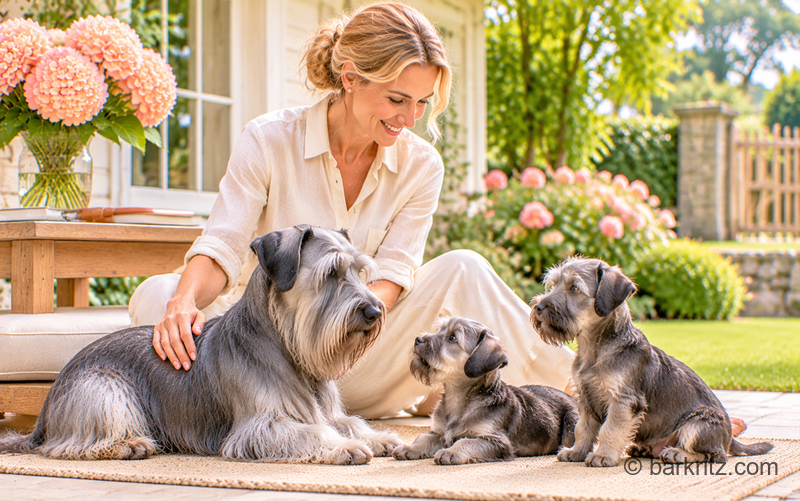
The most responsible way to acquire a rare AKC-recognized dog is to work with a knowledgeable breeder who prioritizes genetic diversity, health testing, stable temperament, and lifelong responsibility for the dogs they produce.
Because uncommon breeds may have relatively small breeding populations, selecting a breeder requires particular care. A limited number of available puppies can create pressure to make a quick decision, but responsible acquisition should never depend on urgency or scarcity-driven marketing.
A reputable breeder should be willing to explain the breed’s history, temperament, typical health concerns, and expected care requirements. They should also discuss the health of the puppy’s parents, provide relevant veterinary records, and explain which screening tests are appropriate for the breed. Buyers should be encouraged to ask questions and take sufficient time to determine whether the dog is a suitable match.
Responsible breeding also involves maintaining genetic diversity. In a small population, repeatedly breeding closely related dogs can increase the likelihood of inherited disorders. Experienced breeders therefore consider pedigrees, genetic information where available, and the long-term health of the population rather than focusing exclusively on appearance or immediate demand.
Before committing to a rare breed, prospective owners should:
- Research the breed’s official standard: Understand its defining physical characteristics, temperament, and historical function.
- Request documented health information: Ask which screenings are recommended and review the results relevant to the puppy’s parents.
- Evaluate the breeder’s practices: Look for clean, appropriate living conditions, well-socialized puppies, transparent communication, and a willingness to answer detailed questions.
- Review the contract carefully: Understand health guarantees, return provisions, registration documentation, and any restrictions on future breeding.
- Consider adoption or breed-specific rescue: Adult dogs may occasionally become available through rescue networks, offering another responsible route to ownership.
The preservation of a rare breed is not simply a matter of increasing its numbers. It requires protecting the qualities that made the breed distinctive while improving health, maintaining sound temperament, and ensuring that future generations can thrive in appropriate homes.
For the prospective owner, the reward is a relationship with a dog whose character reflects a particular history of human partnership, environment, and purpose. For the breed itself, responsible ownership helps ensure that rarity remains a reflection of heritage rather than a consequence of neglect or unsustainable breeding.