

Grooming Routines for Long-Haired Cat Breeds
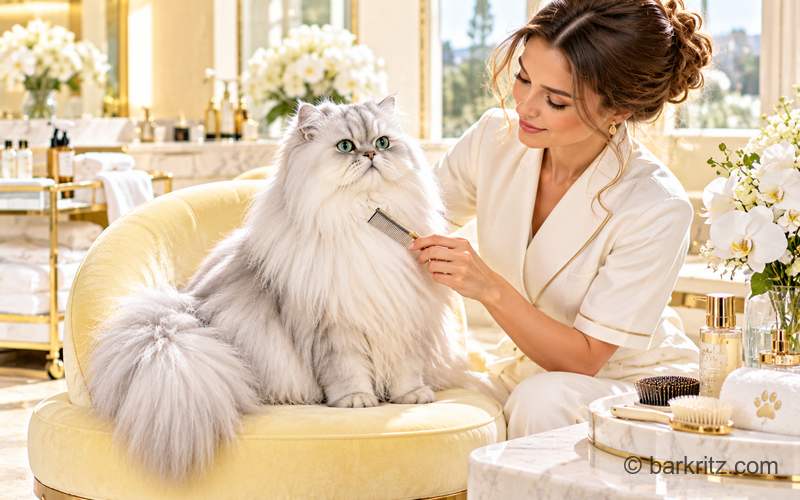
A long-haired cat’s magnificent coat is the result of both natural beauty and attentive care. From the flowing silver mantle of a Persian to the silky elegance of a Ragdoll and the dense, weather-resistant fur of a Maine Coon, each coat has its own texture, maintenance requirements, and characteristic challenges. An effective grooming routine does more than preserve a polished appearance: it helps prevent painful mats, supports skin health, reduces loose hair around the home, and creates opportunities to notice subtle changes in a cat’s condition. The secret is consistency rather than complexity, with gentle techniques tailored to the individual cat’s coat, temperament, and lifestyle.
How Often Should You Groom a Long-Haired Cat?
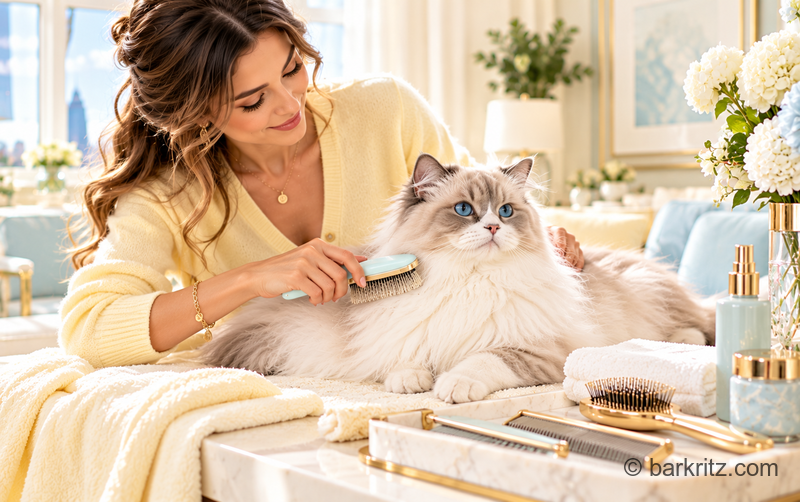
Most long-haired cats benefit from gentle daily brushing, although the ideal frequency depends on coat density, texture, shedding patterns, and the areas most prone to tangling.
Persians, with their exceptionally dense undercoats and long outer hair, often require particularly meticulous attention. Ragdolls have silky coats that may mat less readily than those of some Persians, but their fur can still tangle around the armpits, hindquarters, and behind the ears. Maine Coons have substantial coats and prominent neck ruffs that benefit from regular combing, especially during seasonal shedding.
A practical routine should reflect these differences:
- Persians: Daily grooming is especially important because their dense coats can form tight mats if loose undercoat accumulates.
- Ragdolls: Daily or near-daily brushing helps maintain the silky coat and prevent tangles in friction-prone areas.
- Maine Coons: Frequent brushing and thorough combing are useful for managing the thick coat, ruff, belly, and feathered tail.
- Norwegian Forest Cats: Regular attention to the dense, layered coat helps prevent undercoat buildup and tangling, particularly during shedding seasons.
- Siberian cats: Consistent grooming is valuable for maintaining the thick coat and checking areas where loose hair can collect.
Rather than relying on a rigid schedule alone, examine the coat every day. Run your fingers gently through the fur and check behind the ears, under the chin, beneath the front legs, around the collar area, along the belly, and beneath the tail. These regions experience friction or collect loose hair and may develop tangles before the rest of the coat appears unkempt.
During seasonal shedding, grooming sessions may need to become more frequent. Indoor cats can shed throughout the year because artificial lighting and stable temperatures influence natural seasonal patterns. A cat that begins developing mats despite regular brushing may need a different tool, a more effective technique, or professional grooming assistance.
Keep sessions short enough to remain pleasant. Some cats tolerate several minutes of brushing more comfortably than a single prolonged session. Choose a calm environment, use gentle strokes, and reward cooperation with praise, play, or a favorite treat. Grooming should become a familiar ritual rather than a contest of patience.
Which Brushes and Combs Work Best for Long-Haired Cats?
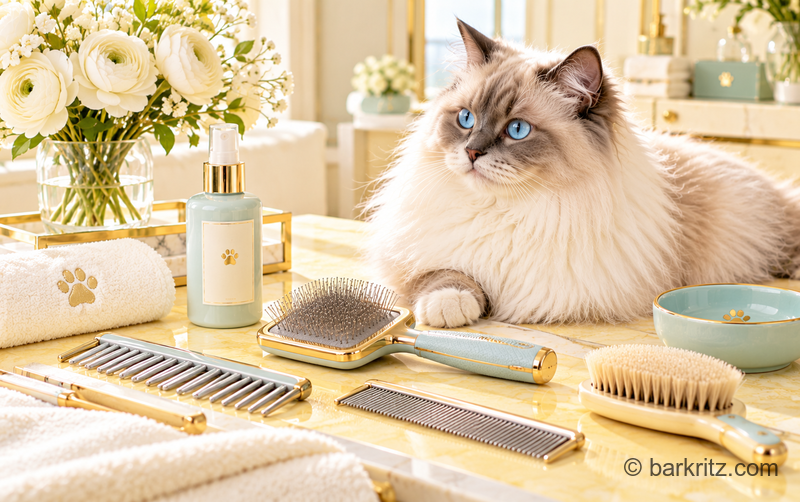
The most effective grooming kit combines a gentle slicker brush or suitable soft brush with a metal comb that can reach through the coat to identify tangles near the skin.
Different tools serve different purposes, and the right selection depends on the cat’s coat type and sensitivity. A brush can smooth the outer layer and lift loose hair, while a comb helps reveal knots that remain hidden beneath the surface. Using both carefully is generally more effective than repeatedly brushing only the visible topcoat.
Consider these essential tools:
- Soft slicker brush: Useful for lifting loose hair and gently separating the coat, provided the pins are not pressed hard against the skin.
- Wide-tooth metal comb: Helps work through longer sections of fur and identify tangles without excessive pulling.
- Fine-tooth comb: Useful for checking smaller areas, such as behind the ears and around the face, where appropriate for the cat’s comfort.
- Soft grooming brush: A gentler option for sensitive cats, facial areas, or finishing a session.
- Pet-safe detangling products: May help with minor tangles when specifically formulated for cats and used according to instructions.
Begin with the brush, working in small sections and following the natural direction of hair growth. Use the comb afterward to check whether the fur is separated all the way through. If the comb catches, stop and examine the area rather than pulling it through the knot.
Pay particular attention to the undercoat. Long-haired cats may appear smooth on the surface while loose hair collects closer to the skin, especially during shedding. Gentle, methodical combing helps identify this buildup before it develops into dense mats.
Avoid aggressive brushing, sharp tools used without appropriate experience, and repeated scraping against the skin. Cat skin is delicate, and excessive pressure can cause irritation or small injuries. Never use human hair products, heavily fragranced sprays, or essential-oil preparations unless a veterinarian has specifically confirmed that a product is safe for cats.
The best tool is not necessarily the most expensive or elaborate. It is the one that suits the coat, reaches the areas that need attention, and allows grooming to remain comfortable for the animal.
How Can You Prevent Mats and Tangles in a Long-Haired Cat’s Coat?
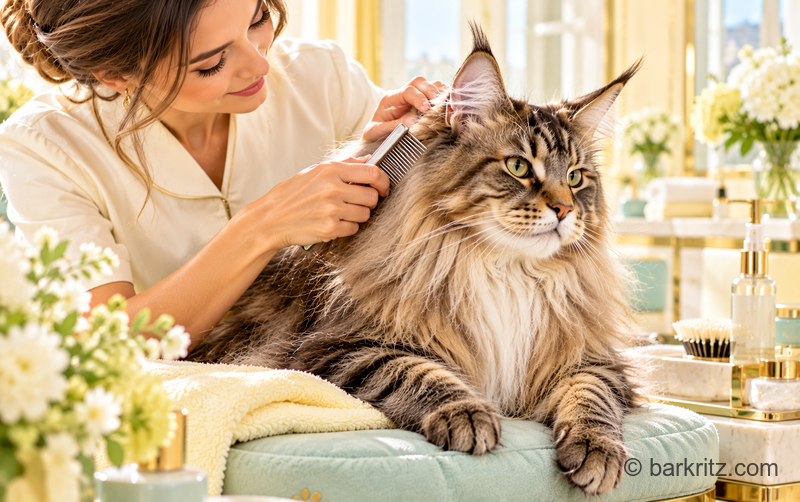
Preventing mats requires regular inspection, gentle detangling, and early attention to friction-prone areas before loose hair becomes compacted.
Mats form when loose hair becomes entangled with surrounding strands and tightens through movement, moisture, or repeated friction. Once a mat develops close to the skin, it can pull painfully, trap debris, and conceal irritation. Dense mats may also restrict movement and make ordinary grooming uncomfortable.
The most vulnerable areas often include:
- Behind the ears: Fine hair can tangle quickly and may be difficult for a cat to groom effectively.
- Under the front legs: Movement creates friction, while the coat can be difficult to reach with the tongue.
- Around the collar and chest: Repeated rubbing may encourage tangles, particularly in cats with prominent neck ruffs.
- Along the belly and inner thighs: These areas may be sensitive and are often neglected during quick brushing sessions.
- Around the hindquarters and beneath the tail: Longer hair can collect loose material and become tangled after using the litter tray.
When you encounter a small, loose tangle, hold the fur close to the skin to reduce pulling and gently separate the strands with your fingers. Work from the outer edge of the tangle inward, using a suitable comb only when it passes through without causing discomfort. Stop if the cat becomes distressed or the knot resists gentle handling.
Never cut a mat out with ordinary scissors. Cat skin can be pulled tightly into a tangle, making it difficult to distinguish from the surrounding fur; an apparently superficial cut can therefore cause a serious injury. Tight mats, extensive tangling, or knots close to the skin should be assessed by a professional groomer experienced with cats or a veterinarian. In some cases, careful clipping is the safest solution.
Bathing is not a substitute for brushing. Water can tighten existing tangles, and a wet, matted coat may become more difficult to manage. If a bath is genuinely necessary, remove loose tangles beforehand and use only cat-appropriate products, following veterinary or professional grooming advice when needed.
Prevention is ultimately more comfortable than correction. A few calm minutes spent checking the coat each day can avert a painful grooming session later and preserve the natural movement and texture of the fur.
Do Long-Haired Cats Need Regular Baths and Professional Grooming?
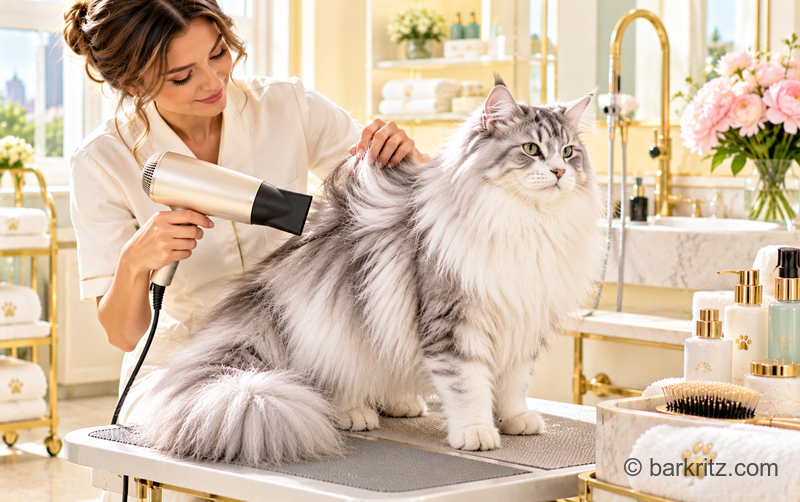
Most healthy long-haired cats do not require frequent baths, but occasional bathing or professional grooming may be appropriate when the coat becomes soiled, the cat cannot maintain it adequately, or specific health and care needs arise.
Cats are generally effective self-groomers, and unnecessary bathing can remove natural oils, cause stress, or create additional handling difficulties. A clean, well-maintained coat usually needs consistent brushing more than repeated washing. However, individual circumstances differ: older cats, overweight cats, and animals with mobility limitations may struggle to reach parts of their bodies, while certain medical conditions can affect skin and coat quality.
Professional grooming can be particularly useful for dense or difficult coats, but the approach should be tailored to the cat rather than dictated by a fashionable style. A skilled feline groomer can help manage loose undercoat, address manageable tangles, and advise on a maintenance routine that suits the animal’s tolerance.
Consider professional assistance when:
- The coat develops recurrent tangles despite appropriate home grooming.
- The cat has dense mats that cannot be separated without pulling.
- The animal struggles to groom itself because of age, weight, or limited mobility.
- The coat becomes persistently greasy, unusually dirty, or difficult to maintain.
- Nail care, sanitary trimming, or other routine maintenance becomes challenging at home.
If a bath is needed, prepare everything before introducing the cat to the bathing area. Use lukewarm water, a nonslip surface, and a shampoo specifically formulated for cats. Keep water away from the face and ears, rinse thoroughly, and dry the coat carefully in a warm, draft-free environment. Avoid hot dryers, loud equipment, and forceful handling. If the cat becomes highly distressed, stop and seek advice about safer alternatives.
Never shave a long-haired cat solely because its coat appears inconvenient to maintain. A veterinarian may recommend clipping for severe matting, medical treatment, or another specific reason, but the coat also contributes to temperature regulation and skin protection. Any substantial clipping should be performed by a qualified professional who can assess the individual animal.
A sudden deterioration in coat condition deserves more than a grooming appointment. Excessive shedding, bald patches, persistent scratching, dandruff, greasy fur, skin redness, or a new reluctance to be touched may indicate an underlying medical issue. A veterinarian can determine whether the change reflects a health problem, discomfort, parasites, or another cause.
The ideal approach combines routine home care with professional help when necessary, without turning every grooming concern into a cosmetic procedure.
How Can You Make Grooming a Calm and Enjoyable Ritual for Your Cat?
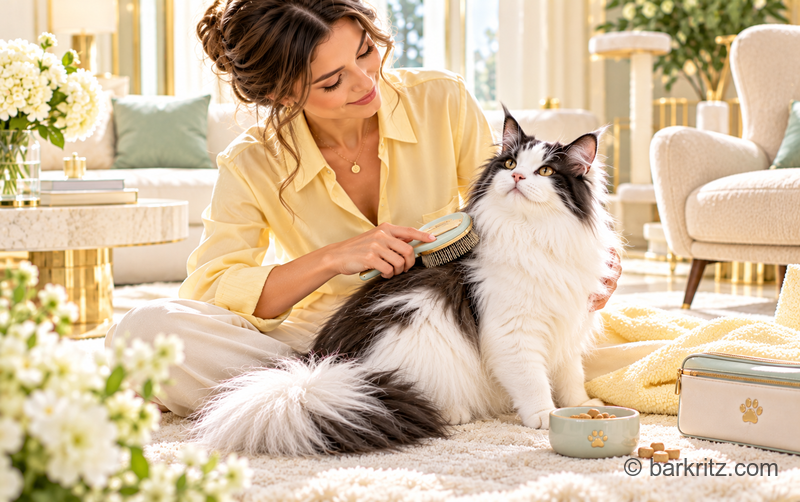
The most successful grooming routine is predictable, gentle, and adapted to the cat’s signals, allowing the animal to associate coat care with comfort rather than restraint.
Temperament matters as much as coat type. Some cats enjoy being brushed along the back and cheeks, while others dislike having their belly, paws, or hindquarters handled. Respecting these preferences makes it easier to maintain the coat consistently and reduces the likelihood that grooming will become stressful.
Begin with a quiet room and a time when the cat is relaxed. Allow the animal to sniff the brush, then start with a few gentle strokes across a familiar area, such as the shoulders or back. Gradually introduce more sensitive regions as the cat becomes comfortable. Pair short sessions with treats or another positive experience, and finish before the animal becomes restless.
A calm grooming ritual can follow this sequence:
- Start with a visual inspection: Check the skin and coat for tangles, debris, redness, or unusual changes.
- Brush familiar areas first: Begin where the cat usually enjoys being touched before moving to less comfortable regions.
- Work in small sections: Use gentle, deliberate strokes rather than rushing through the entire coat.
- Pause when needed: Watch for tail flicking, flattened ears, tense muscles, skin twitching, attempts to leave, or growling.
- Finish positively: End with praise, a treat, or a favorite activity so the experience remains reassuring.
Do not force a cat to remain in position when it is frightened or struggling. Scruffing, pinning down, or repeatedly restraining an unwilling animal can intensify fear and make future sessions more difficult. If essential grooming cannot be completed safely, consult a veterinarian or an experienced feline groomer about a low-stress approach.
Consistency also helps owners notice changes that might otherwise go undetected. Regular contact makes it easier to identify new lumps, tender areas, skin irritation, unusual odors, or changes in the coat. These observations are not a substitute for veterinary examinations, but they can help prompt timely attention when something seems different.
A long-haired cat’s coat should look naturally beautiful, not artificially perfect. Whether the companion is a Persian with a cloudlike mantle, a Ragdoll with silky flowing fur, or a Maine Coon with a dramatic ruff, the finest grooming routine is one that preserves the coat while respecting the animal beneath it. Gentle tools, daily attention, and an understanding of individual needs turn maintenance into a lasting expression of care.