

Top 10 Hypoallergenic Cat Breeds for Elegant Homes
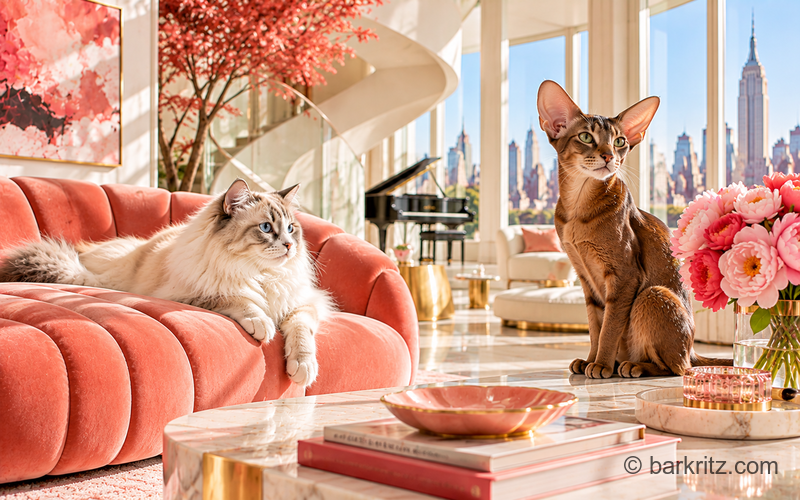
For cat lovers who value refined interiors, distinctive feline personalities, and a comfortable home environment, choosing the right breed involves more than appearance alone. Some cats shed less, produce different amounts of allergens, or have coat characteristics that make everyday grooming easier. However, no cat breed is completely hypoallergenic: the proteins responsible for most cat allergies occur in saliva, skin secretions, and dander, not simply in loose fur. The following ten breeds offer a considered starting point for prospective owners seeking a cat whose appearance, temperament, and care requirements complement an elegant home.
Which Hypoallergenic Cat Breeds Are Best for Sophisticated, Design-Conscious Homes?
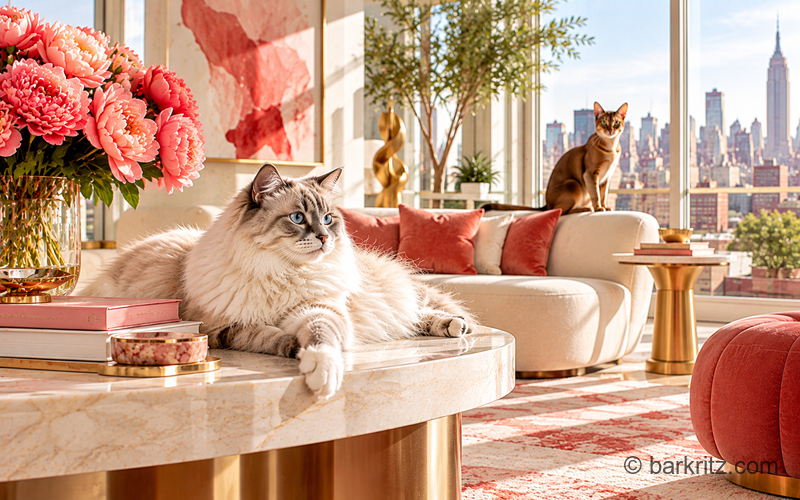
The best cat for a sophisticated home is one whose temperament, grooming needs, activity level, and physical characteristics suit the household, with breeds often discussed as potentially more manageable options including the Siberian, Balinese, Russian Blue, and Devon Rex. Individual allergen production varies considerably, so prospective owners should spend time with the specific cat before making a commitment.
These breeds offer different combinations of coat texture, personality, and visual appeal:
- Siberian: A substantial, richly coated cat known for its expressive eyes and affectionate character; some individuals may produce lower levels of the Fel d 1 allergen, but this is not guaranteed.
- Balinese: An elegant, long-haired breed with a silky single coat and a reputation for being social and communicative.
- Russian Blue: Recognisable by its plush blue-grey coat, vivid green eyes, and typically reserved, gentle disposition.
- Devon Rex: A distinctive cat with large ears, prominent cheekbones, and a short, wavy coat that requires relatively modest brushing.
- Cornish Rex: A slender, athletic breed with a fine, rippled coat and an energetic, people-oriented temperament.
A carefully selected cat can complement a minimalist apartment, a traditional townhouse, or a contemporary residence filled with natural materials. Yet interior compatibility should never be confused with allergy compatibility. A short coat does not automatically mean fewer allergens, and a breed marketed as hypoallergenic may still trigger significant symptoms.
Before choosing, consider visiting a breeder or rescue organisation more than once, ideally spending time in the same room as the cat. Allergy responses can differ between individual animals, and a short meeting may not reveal the full extent of a reaction. People with asthma or severe allergies should consult an appropriate healthcare professional before bringing a cat home.
Which Short-Haired Cat Breeds Offer a Refined Look with Relatively Simple Grooming?
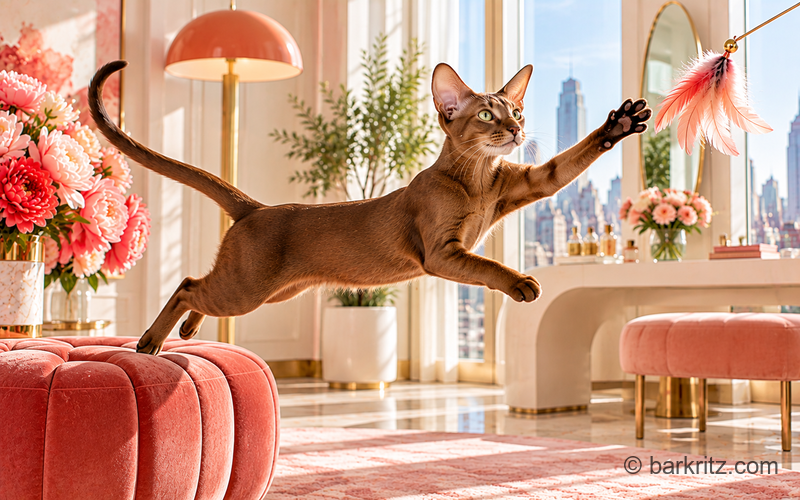
For owners who prefer a polished feline appearance without frequent coat maintenance, the Russian Blue, Devon Rex, Cornish Rex, and Oriental Shorthair are attractive options, although their grooming needs and allergen profiles differ. Their shorter or finer coats may reduce the amount of loose hair around the home, but they do not eliminate allergenic proteins.
Russian Blue cats have a dense, plush double coat that gives them a sculptural silhouette and a distinctive silver-blue sheen. They are often reserved with strangers but can form strong bonds with their families. Weekly brushing is generally sufficient for routine coat care, although individual needs vary.
Devon Rex cats have a short, soft, wavy coat, large ears, and a playful, almost pixie-like expression. Their grooming needs are usually light, but their skin and ears may require regular attention. Vigorous brushing can damage their delicate coat, so gentle care is preferable.
Cornish Rex cats have a fine coat made predominantly of soft undercoat, giving them a rippled appearance and a sleek, athletic outline. They tend to be active and curious, often enjoying interactive play and elevated resting places. Their skin can accumulate oils, so occasional bathing may be appropriate when advised by a veterinarian.
Oriental Shorthair cats bring a dramatic profile to a contemporary interior, with large ears, a long body, and a close-fitting coat. They are typically social, vocal, and highly engaged with their people, making them best suited to homes where they receive regular interaction.
For a practical comparison, consider the following distinctions:
- Lowest brushing demand: Devon Rex and Cornish Rex generally require less routine brushing than cats with dense or long coats.
- Classic, understated appearance: Russian Blue offers a plush, uniform coat and vivid green eyes.
- Architectural silhouette: Oriental Shorthair has an elongated body and striking triangular head.
- Important caveat: Reduced shedding does not establish that any of these breeds produces fewer allergens.
The right choice depends on more than a tidy coat. Owners should also assess energy levels, tolerance for solitude, grooming preferences, and the amount of daily interaction the cat will need.
Which Long-Haired Cat Breeds May Suit Allergy-Conscious Owners Who Love a Dramatic Coat?
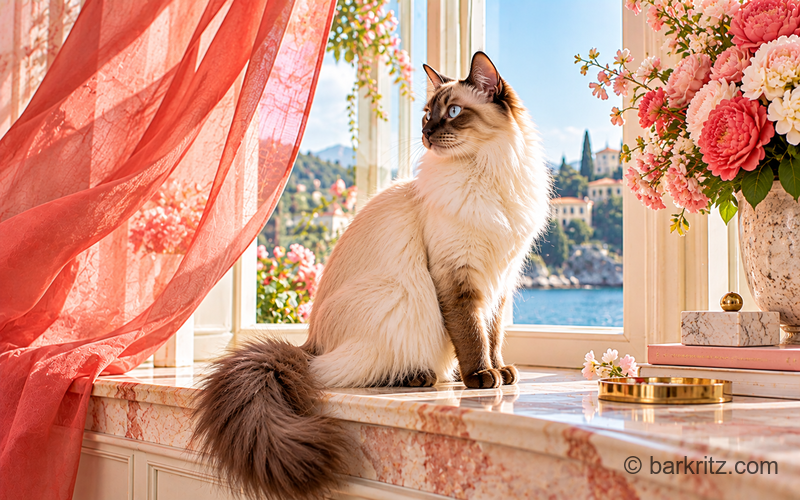
The Siberian and Balinese are two long-haired breeds often considered by allergy-conscious cat lovers, but neither is reliably hypoallergenic and both require a realistic assessment of grooming and household needs. Their flowing coats offer visual elegance, while their personalities and care routines differ.
The Siberian is a powerful, well-balanced cat with a dense triple coat adapted to cold conditions, a full ruff, and a substantial tail. Despite its impressive coat, it can be agile and playful, and many individuals enjoy climbing and interactive games. Some Siberians have been reported to produce lower levels of Fel d 1, but levels vary widely between cats and there is no guarantee that a particular Siberian will be tolerated by an allergic person.
The Balinese combines a fine, silky, medium-long coat with a graceful body, plumed tail, and vivid blue eyes. Often described as affectionate and communicative, it may suit owners who enjoy an involved feline companion. Its coat generally benefits from regular gentle brushing to prevent tangles and maintain its texture.
A few practical distinctions help clarify the choice:
- Siberian: A larger, more substantial cat with a dense coat and a playful, adaptable personality.
- Balinese: A more slender, elegant cat with a silky coat and a typically vocal, people-focused temperament.
- Grooming: Both benefit from regular brushing, particularly during seasonal shedding.
- Allergy considerations: Neither breed can be assumed to produce a low enough allergen level for a particular household.
For a home with carefully maintained textiles and upholstered furniture, a regular grooming routine can help manage loose hair. Washable throws, a high-efficiency particulate air (HEPA) purifier, and frequent cleaning may also reduce airborne and settled allergens, though they cannot guarantee a symptom-free environment.
Anyone considering either breed should spend meaningful time with the individual cat before adoption and seek medical guidance if allergies are significant. The beauty of a long coat should be weighed alongside the practical demands of grooming and the realities of allergen exposure.
Which Unusual Cat Breeds Combine Distinctive Appearance with a Manageable Coat?
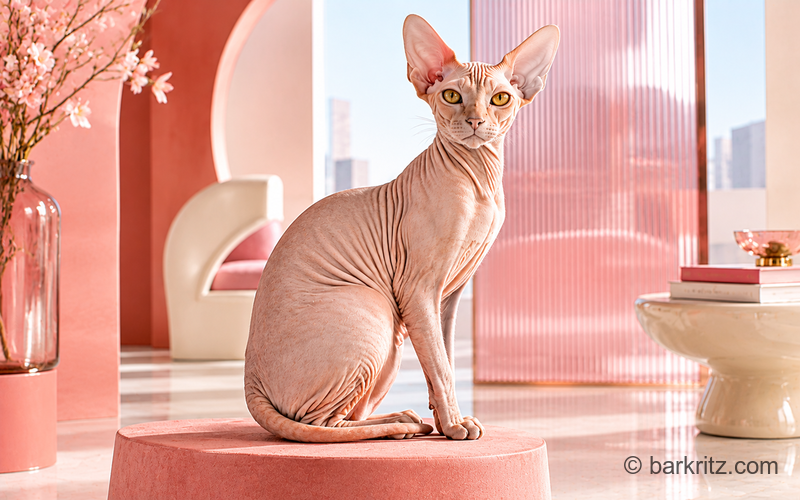
The Sphynx, LaPerm, and Javanese offer distinctive coat characteristics and memorable silhouettes, but their grooming needs differ substantially and none should be selected on the assumption that it will not trigger allergies. These breeds demonstrate why coat length alone is an unreliable measure of allergen exposure.
Sphynx cats are famous for their nearly hairless appearance, prominent cheekbones, large ears, and warm, suede-like skin. Without a conventional coat to absorb skin oils, they often need regular gentle bathing and routine skin care. They may also need protection from cold temperatures and direct sun exposure. Their lack of fur does not remove the allergens present in saliva and skin secretions.
LaPerm cats have distinctive loose curls that may form a soft, tousled coat in either short- or long-haired varieties. Their appearance is unusual without being overly elaborate, and their grooming routine depends on coat length and texture. Gentle handling is important to preserve the curls.
Javanese cats are associated with a silky, medium-length coat, a long, slender body, and an expressive, wedge-shaped head. They are often active and communicative, and they typically enjoy companionship and interactive play. Their coat usually needs regular brushing, though it does not have the dense undercoat found in some other long-haired breeds.
The principal differences are worth considering:
- Sphynx: Minimal visible shedding, but frequent skin care may be needed; allergen exposure remains possible.
- LaPerm: Curly coat with grooming requirements that vary by coat length and individual texture.
- Javanese: Silky coat and athletic build, with regular brushing and plenty of social engagement.
- Home suitability: All three need care routines and enrichment tailored to their individual health and temperament.
These breeds can be striking companions in contemporary homes, but distinctive appearance should not obscure welfare needs. A Sphynx may require more hands-on skin maintenance than a coated cat, while highly social breeds may become frustrated without sufficient interaction.
Owners should consider the full daily routine, including grooming, environmental comfort, play, and veterinary care, rather than choosing solely for a particular aesthetic.
How Can You Choose the Right Cat for an Allergy-Conscious, Elegant Home?
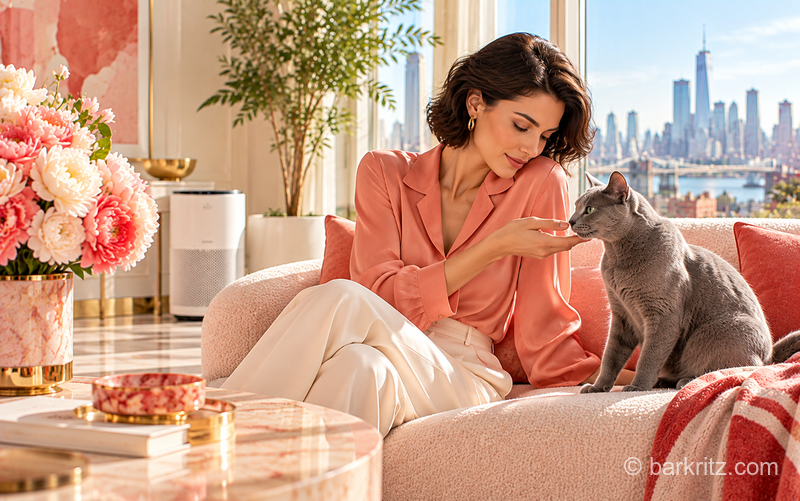
The most reliable way to choose a cat for an allergy-conscious home is to evaluate the individual animal’s effect on the prospective owner, then consider temperament, health, grooming, and lifestyle compatibility together. No breed label can guarantee that allergy symptoms will be absent.
Begin by arranging a meeting with the specific cat, ideally in a calm indoor environment where you can observe your response over a meaningful period. If possible, arrange repeated visits and discuss allergy concerns with a healthcare professional before making a decision. Reactions may be delayed, and exposure in a breeder’s home may differ from the conditions of your own residence.
A thoughtful selection process should include:
- Allergy assessment: Discuss symptoms and exposure risks with a healthcare professional, particularly if asthma is involved.
- Individual temperament: Choose a cat whose energy, sociability, and vocal habits suit your household.
- Grooming commitment: Consider brushing, bathing where appropriate, ear care, nail trimming, and routine veterinary visits.
- Environmental management: Regular cleaning, washable furnishings, bedroom boundaries, and HEPA filtration may help reduce allergen exposure.
- Breeder or rescue transparency: Ask about the cat’s health history, early socialisation, and care requirements, and avoid unsupported claims that a breed is allergy-proof.
- Long-term welfare: Make sure you can provide suitable enrichment, nutrition, veterinary care, and companionship throughout the cat’s life.
It is also important to recognise that allergen-reduction measures have limits. Frequent cleaning and handwashing after contact may help, but they do not remove every source of exposure. Keeping a cat out of the bedroom may reduce allergen accumulation in that space, although allergens can still travel on clothing and through the home.
The most elegant home is one in which the animal’s welfare and the owner’s health can coexist comfortably. The Siberian, Balinese, Russian Blue, Devon Rex, Cornish Rex, Oriental Shorthair, Sphynx, LaPerm, Javanese, and other individual cats may each appeal for different reasons, but the decisive factors remain compatibility, responsible care, and realistic expectations.
Ultimately, there is no universally hypoallergenic cat. The best choice is an individual animal whose needs fit your home and whose presence you can manage safely, with medical advice and practical preparation guiding the decision.