

Most Elegant Cat Breeds for Luxury Apartments
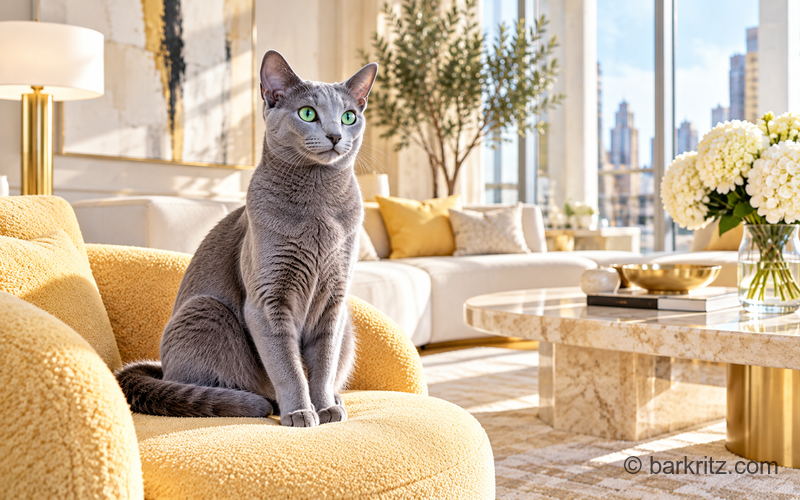
An elegant cat brings more than beauty to an apartment: the right companion complements its atmosphere, adapts to its daily rhythm, and turns ordinary domestic moments into something quietly extraordinary. From the sculptural lines of the Russian Blue to the plush coat of the British Shorthair, certain breeds are especially admired for their refined appearance, distinctive temperaments, and suitability for indoor living. Yet choosing a cat for a sophisticated city residence requires more than an appreciation of aesthetics. Space, enrichment, grooming, noise sensitivity, and the amount of companionship a cat needs all matter. The most successful match is one in which a cat’s natural character and individual needs fit comfortably into the home.
Which Cat Breeds Combine the Most Elegant Appearance With Apartment-Friendly Temperaments?
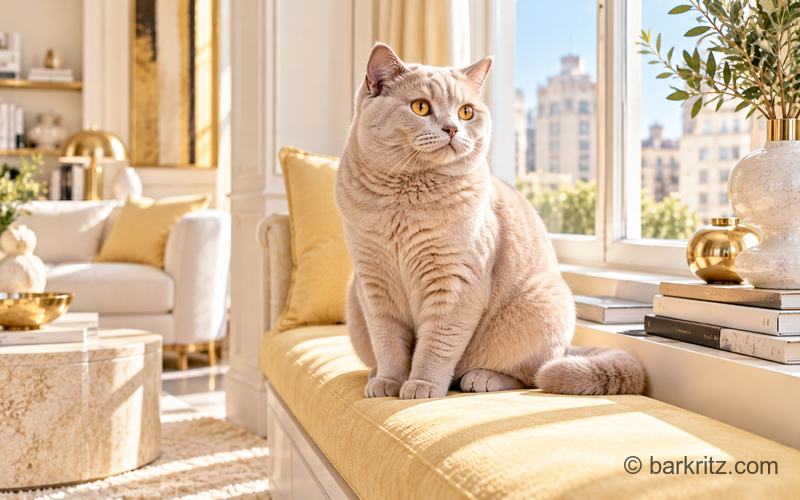
The most compelling apartment companions often combine distinctive physical features with a temperament that suits indoor life, although every cat’s personality ultimately depends on its individual history and needs.
The Russian Blue is admired for its fine silver-tipped blue coat, vivid green eyes, and graceful silhouette. Often reserved with unfamiliar people, Russian Blues may thrive in predictable homes where they can observe their surroundings from a safe perch and develop close bonds with their household. A calm environment and patient introductions can help a naturally cautious cat settle comfortably.
The British Shorthair offers a different kind of sophistication: a rounded face, dense plush coat, sturdy build, and composed expression. These cats are often relatively independent and can be well suited to apartment routines, provided they receive regular interaction, opportunities to play, and appropriate weight management. Their substantial build makes maintaining a healthy body condition particularly important.
The Chartreux, with its blue-gray coat, copper to gold eyes, and muscular yet balanced physique, is another appealing choice. It is often described as calm and adaptable, though individual cats vary in their sociability and activity levels. Its understated appearance suits interiors that favor natural materials, muted colors, and timeless design.
For an apartment resident comparing these breeds, the distinctions are worth considering:
- Russian Blue: A refined, fine-boned appearance and often a reserved disposition; benefits from consistency and quiet retreat spaces.
- British Shorthair: A plush, rounded silhouette and generally self-possessed character; requires attention to weight and daily activity.
- Chartreux: A muscular, blue-gray profile and often a relaxed manner; still needs play, companionship, and a stimulating environment.
None of these breeds is automatically low-maintenance or guaranteed to be quiet. Prospective owners should meet individual cats where possible and ask about their behavior, health history, and comfort with the household’s typical activity.
Which Longhaired Cat Breeds Bring Grace and Softness to a Refined Interior?
Longhaired breeds such as the Persian and Siberian can bring remarkable visual presence to an apartment, but their grooming needs, activity levels, and tolerance for indoor conditions should guide the decision as much as their coats.
The Persian is known for its abundant coat, rounded head, and distinctive facial features. Its unhurried image appeals to those who appreciate a serene companion, but coat maintenance is a serious commitment. Daily combing is often needed to prevent tangles and mats, and Persians with very flat faces may experience breathing, eye, or dental problems. Selecting a cat with healthy facial structure and obtaining appropriate veterinary guidance are essential.
The Siberian offers a more athletic expression of longhaired elegance. Its full coat, substantial frame, and lively, curious character can make it a striking presence in a spacious apartment. Siberians often enjoy climbing and interactive play, so vertical territory and regular engagement are important. Their coat may require more frequent attention during seasonal shedding.
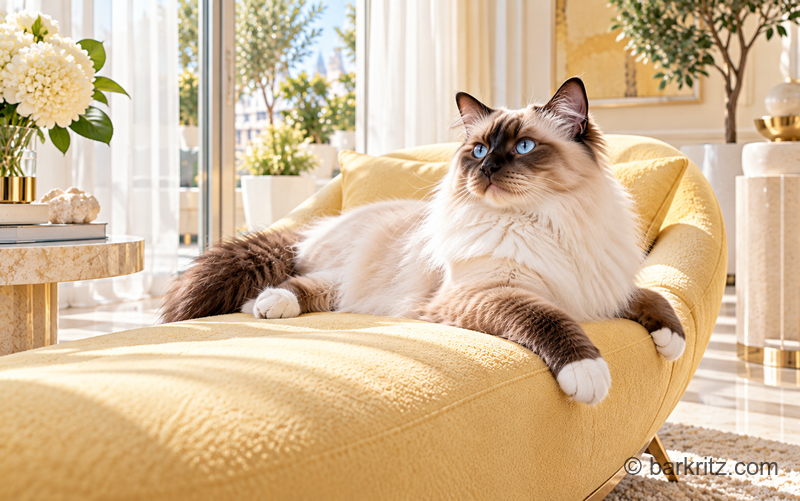
The Birman combines a silky semi-long coat with blue eyes, color-point markings, and contrasting white paws. Its gentle appearance and often sociable temperament appeal to households seeking an affectionate companion. Regular brushing helps maintain coat condition, while play and interaction support its physical and emotional well-being.
Consider the practical differences before choosing:
- Persian: A plush, glamorous coat and often a relaxed lifestyle; daily grooming and careful attention to facial health may be necessary.
- Siberian: A full, weather-adapted coat and an athletic build; benefits from climbing structures and active play.
- Birman: A silky coat and distinctive white-gloved paws; needs regular brushing and meaningful social interaction.
A longhaired cat can thrive in a carefully maintained apartment, but immaculate furnishings should never take priority over the animal’s comfort. Provide scratching surfaces, washable resting places, accessible grooming tools, and a quiet area where the cat can retreat when household activity becomes overwhelming.
Which Sculptural and Shorthaired Cat Breeds Suit Contemporary Apartment Design?
For interiors defined by clean lines and considered materials, shorthaired breeds such as the Siamese, Cornish Rex, and Oriental Shorthair offer distinctive silhouettes while bringing different levels of activity and social engagement into the home.
The Siamese is recognized for its color-point coat, striking blue eyes, elongated body, and expressive voice. These cats are often highly social and communicative, making them rewarding companions for owners who enjoy regular interaction. They may be less suited to households where long periods of solitude are unavoidable unless their social and environmental needs are carefully addressed.
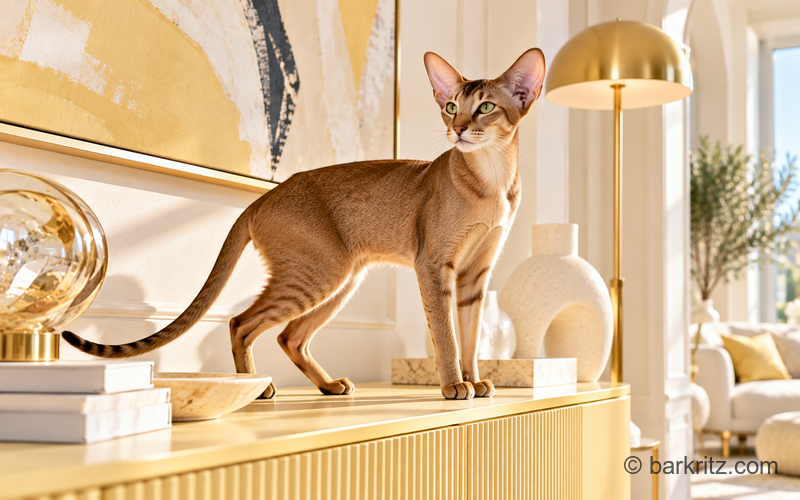
The Oriental Shorthair shares a similarly elongated profile, with large ears, a wedge-shaped head, and a sleek coat available in many colors and patterns. Curious and often people-oriented, Oriental Shorthairs benefit from puzzle feeders, interactive toys, climbing routes, and regular companionship. Their elegant appearance should not obscure the considerable attention some individuals seek.
The Cornish Rex is distinguished by its fine, wavy coat, high cheekbones, large ears, and lithe physique. Playful and often energetic, it may enjoy exploring shelves, tunnels, and climbing structures. Its coat usually needs less brushing than that of a longhaired breed, but skin and temperature sensitivity can vary, so appropriate indoor conditions remain important.
These breeds differ less in their ability to inhabit an apartment than in how they prefer to use it:
- Siamese: Highly expressive and socially engaged; owners should be comfortable with vocal communication.
- Oriental Shorthair: Curious, sleek, and often intensely people-focused; needs stimulation and regular interaction.
- Cornish Rex: Light-framed, playful, and distinctive in coat texture; benefits from warmth, climbing opportunities, and active play.
A contemporary apartment can be an excellent feline environment when its design incorporates the cat’s needs from the outset. Stable shelves or purpose-built climbing furniture, secure window perches, scratch-friendly surfaces, and concealed litter arrangements can preserve the visual character of a room without compromising daily welfare.
Which Cat Breeds Are Best for Owners Seeking a Calm, Independent Apartment Companion?
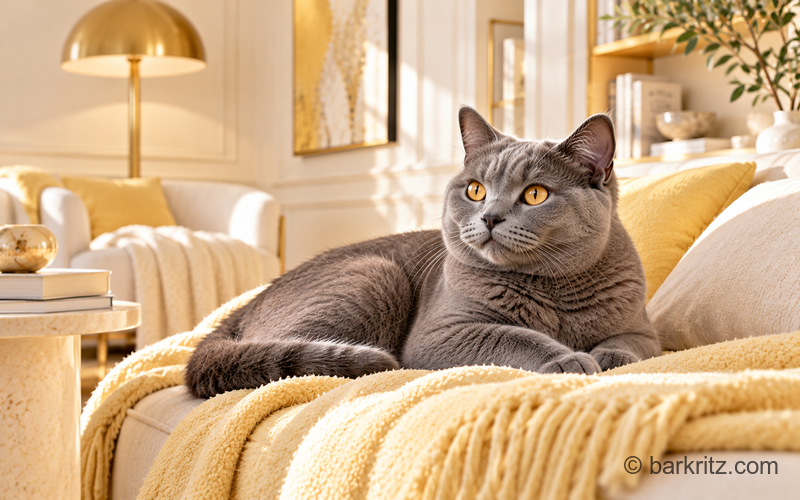
Owners seeking a quieter domestic rhythm may appreciate breeds commonly described as self-possessed, such as the British Shorthair and Russian Blue, but no breed should be assumed to enjoy prolonged isolation or require little attention.
The British Shorthair is often comfortable spending time resting independently, making it a potential match for an apartment resident with a structured workday. Nevertheless, independent behavior does not eliminate the need for play, affection on the cat’s terms, regular grooming, and preventive veterinary care. A cat that appears content to sleep for much of the day still needs opportunities to move and explore.
The Russian Blue may appreciate a predictable environment and familiar people, especially when its home includes secure hiding places and elevated viewpoints. Some individuals are affectionate with their chosen people but cautious around visitors. A quieter household can suit such a temperament, provided the cat is not pressured into social interactions.
The Persian may also suit a more relaxed household, although its grooming requirements and potential health concerns make it a less effortless choice than its serene reputation might suggest. Owners should evaluate the individual cat’s breathing, mobility, vision, and grooming tolerance rather than selecting solely on appearance.
When comparing a cat’s potential compatibility with a quieter home, look beyond breed descriptions:
- Alone-time tolerance: Ask how the individual cat behaves when left for ordinary periods and whether it shows signs of distress.
- Activity needs: Consider whether the household can provide daily play, climbing, and exploration.
- Social preferences: Determine whether the cat enjoys frequent contact, prefers brief interactions, or needs a gradual introduction to visitors.
- Care commitments: Factor in coat maintenance, health screening, and routine veterinary expenses.
An adult cat can be an especially sensible choice for an apartment because its established personality may be easier to assess than a kitten’s eventual temperament. Reputable breeders and rescue organizations can often provide useful information about an individual cat’s habits, sociability, and response to indoor living.
How Can You Create a Beautiful Apartment That Meets a Cat’s Physical and Emotional Needs?
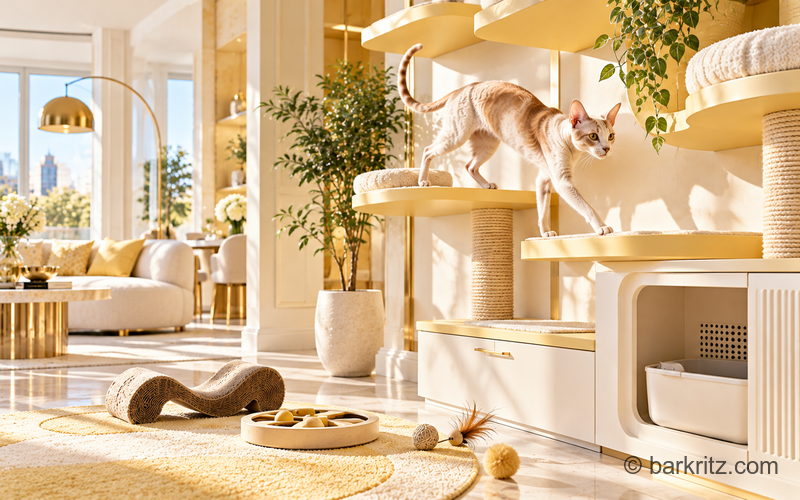
The most successful feline-friendly apartment combines thoughtful design with secure territory, daily enrichment, clean facilities, and predictable routines, allowing elegance and animal welfare to coexist naturally.
Cats experience a home in three dimensions. Floor area matters, but vertical space, hiding places, window views, and routes between resting areas can be equally important. A tall, stable cat tree or professionally secured shelves can expand usable territory without consuming the entire room. Window perches offer visual stimulation, provided windows and balconies are protected against falls and escapes.
Litter facilities deserve particular attention. Place litter boxes in accessible, quiet locations away from food and water, and keep them clean. A common starting guideline is one litter box per cat plus one extra, adjusted to the home’s layout and the cats’ preferences. In a multi-level apartment, placing boxes on different floors can improve access.
A refined interior should also account for scratching, play, and rest. Offer sturdy scratching posts or horizontal scratchers that suit the cat’s preferences, rotate toys to maintain interest, and schedule short interactive play sessions throughout the day. Puzzle feeders can provide additional mental stimulation, while comfortable beds and enclosed hideaways help cats regulate their exposure to household activity.
A practical apartment checklist includes:
- Vertical territory: Stable climbing furniture, shelves, and elevated resting places.
- Safe observation: Secure window screens and protected balconies, with no opportunity to fall or escape.
- Dedicated resources: Clean litter facilities, separate feeding and drinking areas, scratching surfaces, and resting zones.
- Daily enrichment: Interactive play, toys, food puzzles, and opportunities to explore.
- Health-conscious design: Non-toxic plants, safely stored cleaning products, concealed electrical cords, and no accessible small objects that could be swallowed.
- Predictable care: Consistent feeding, grooming where needed, and regular veterinary examinations.
Before bringing a cat home, consider the apartment’s temperature, noise level, household schedule, and any other animals. Introductions should be gradual, and a new cat should have a quiet room or designated area where it can adjust at its own pace. Indoor cats still need vaccination and parasite-prevention advice appropriate to their circumstances, dental care, weight monitoring, and prompt attention to changes in appetite, behavior, or litter-box habits.
Ultimately, the most elegant cat for a luxury apartment is not necessarily the rarest breed or the one whose appearance best matches the furniture. It is the individual whose temperament, care requirements, and needs fit the household’s reality. When thoughtful selection is paired with a beautifully prepared environment, a cat can become a distinctive part of apartment life—not as a decorative accent, but as a cherished companion with space to feel secure, curious, and entirely at home.