

Rarest Cat Breeds in the World and What They Cost
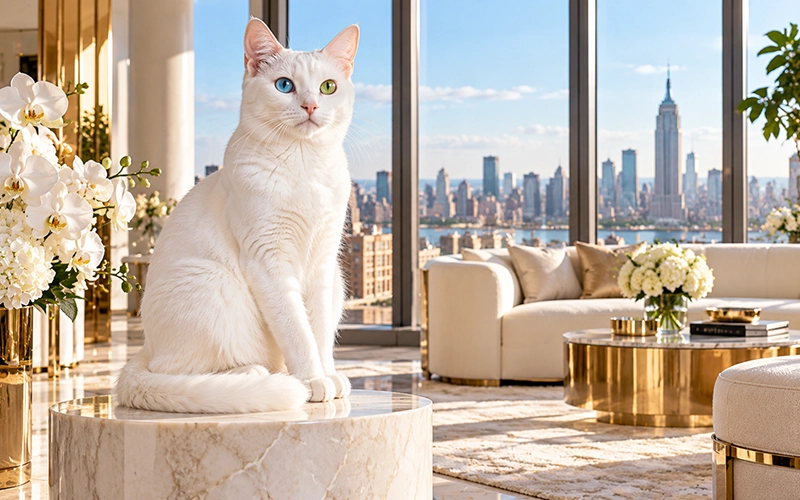
In the world of pedigreed cats, rarity is rarely a simple question of appearance. A scarce bloodline, difficult breeding program, centuries-old heritage, wild ancestry, or exceptionally limited breeder network can transform a kitten from a companion animal into a serious acquisition. For the Four-Legged Elite, the distinction matters: the highest prices are often attached not merely to a beautiful coat, but to provenance, generation, pedigree, and the difficulty of obtaining a particular cat.
It is also important to distinguish genuine rarity from marketing mythology. Some cats command extraordinary prices because they are genuinely scarce or difficult to breed, while others have acquired an expensive reputation through aggressive marketing rather than recognized breed status.
Which Cat Breeds Are Considered the Rarest in the World?
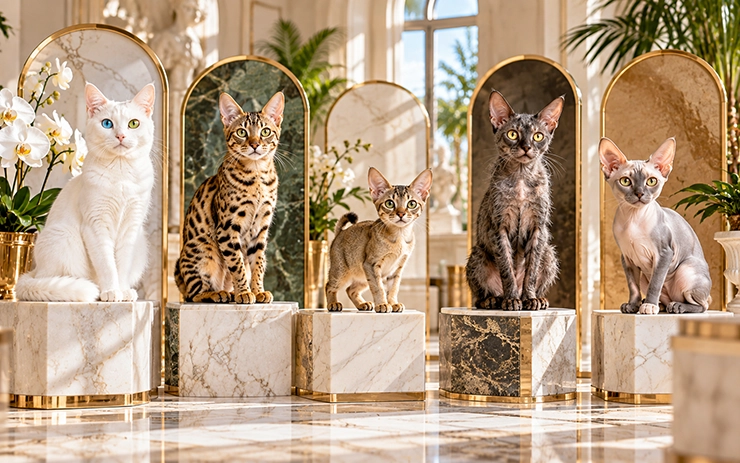
The rarest pedigreed cats tend to be breeds with small breeding populations, limited geographic distribution, or tightly controlled bloodlines, rather than simply the cats with the highest retail prices.
Among the names most often associated with feline rarity are the Khao Manee of Thailand, Sokoke of Kenya, Toybob, Minskin, and Lykoi, each representing a very different chapter in modern cat breeding and preservation.
- Khao Manee: an ancient Thai breed distinguished by its pure white coat and often strikingly mismatched eyes.
- Sokoke: an exceptionally uncommon breed originating in Kenya, recognized for its distinctive naturally patterned coat.
- Toybob: a diminutive breed associated with Russia and known for its naturally short tail.
- Minskin: a highly uncommon modern breed combining short stature with distinctive coat characteristics.
- Lykoi: recognizable for its unusual partially hairless, roan-like appearance.
Rarity can mean several things: a small global population, few active breeders, restricted geographic origins, or a narrow bloodline requiring careful preservation. That is why the most interesting rare cats are not necessarily the most expensive ones.
Which Rare Cat Breed Can Cost the Most?
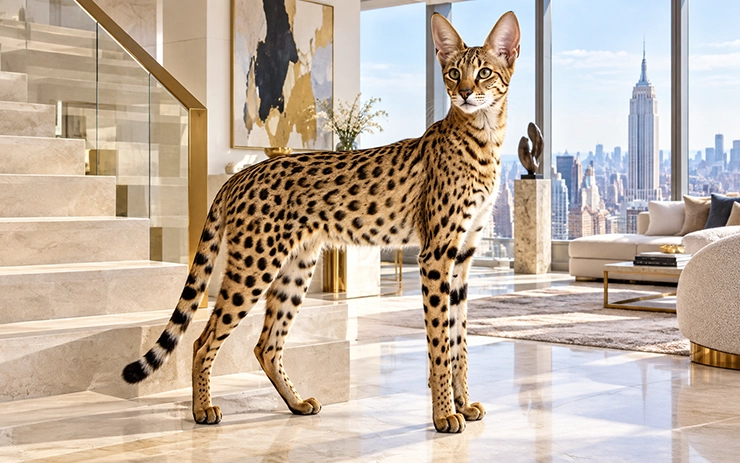
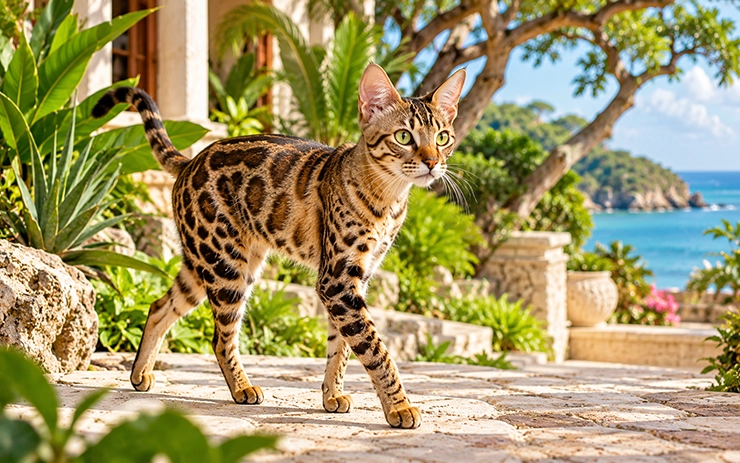
The Savannah is among the most expensive genuinely established cat breeds, with early-generation kittens potentially reaching approximately $12,000 to $25,000 or more depending on generation, pedigree, breeder reputation, appearance, and availability.
The Savannah is a hybrid of a domestic cat and the African serval, and its price is heavily influenced by generation. The closer the cat is to its wild ancestor, the more specialized the breeding process becomes and the more limited the pool of suitable animals can be.
- F1 Savannah: approximately 50 percent serval ancestry and generally the most expensive generation.
- F2 Savannah: approximately 25 percent serval ancestry, with a greater domestic-cat profile.
- Later generations: progressively further removed from the serval and generally less expensive.
- Primary price factors: generation, pedigree, markings, breeder reputation, sex, and availability.
- Ownership consideration: early-generation hybrids can be subject to restrictions depending on local law.
The Savannah’s appeal is architectural as much as aesthetic. Long legs, large ears, dramatic spotting and an athletic silhouette give the breed an almost sculptural presence. For an owner accustomed to conventional pedigreed cats, however, an early-generation Savannah can represent a considerably more demanding commitment than simply purchasing an unusually beautiful companion.
Is the Khao Manee One of the Most Valuable Rare Purebred Cats?
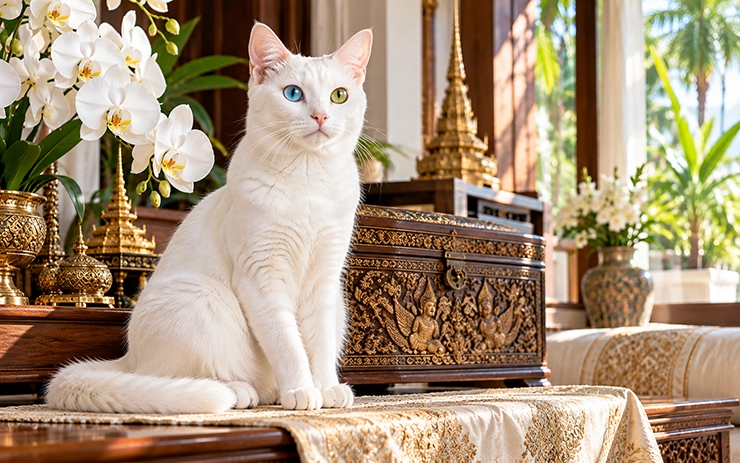
The Khao Manee is one of the world’s most historically significant rare purebred cats, with exceptional kittens commonly commanding several thousand dollars because of their limited availability, distinctive appearance, and centuries-old Thai heritage.
Known as the “White Gem,” the Khao Manee is an ancient natural breed from Thailand whose history is associated with traditional Thai cat manuscripts. Its most recognizable feature is the combination of a completely white coat and unusually vivid eyes, with odd-colored eyes considered particularly distinctive.
Its defining characteristics include:
- Coat: pure, glistening white.
- Eyes: blue, green, yellow, amber, or combinations of colors.
- Signature feature: odd eyes, with each eye a different color.
- Size: generally a medium-sized, athletic cat.
- Heritage: a traditional Thai breed with a long cultural history.
Prices can vary considerably between breeders, but well-bred Khao Manee kittens can enter the several-thousand-dollar range, with exceptional pedigree, breeding rights, rarity of coloration, and breeder reputation pushing the figure substantially higher.
The attraction is therefore not simply visual. A genuine Khao Manee represents access to a relatively uncommon bloodline with a documented cultural history, making provenance particularly important when evaluating a premium purchase.
Which Rare Cats Combine the Strongest Heritage and Exclusivity?
For collectors interested in provenance rather than headline price, the Khao Manee, Sokoke, Toybob, Lykoi, and early-generation Savannah represent five distinctly different definitions of feline exclusivity.
The most compelling acquisitions are often those where the story behind the breed is inseparable from its physical identity. The Khao Manee brings centuries of Thai heritage; the Sokoke represents one of Africa’s most unusual naturally occurring domestic-cat lineages; the Toybob is distinguished by its compact scale and short tail; the Lykoi by a remarkable naturally occurring mutation; and the Savannah by deliberate hybridization with the serval.
For the discerning owner, the distinctions are clear:
- Strongest historical provenance: Khao Manee.
- Most dramatic wild ancestry: F1 Savannah.
- Most unusual natural appearance: Lykoi.
- Most distinctive geographic heritage: Sokoke.
- Most unusual miniature profile: Toybob.
- Most important acquisition credential: documented pedigree from a reputable breeder.
This is also where the meaning of “expensive” becomes more sophisticated. A rare cat purchased from a preservation-focused breeder with documented lineage may represent a considerably more meaningful acquisition than a dramatically priced animal whose rarity is primarily a marketing proposition.
What Should Buyers Verify Before Paying a Premium for a Rare Cat?
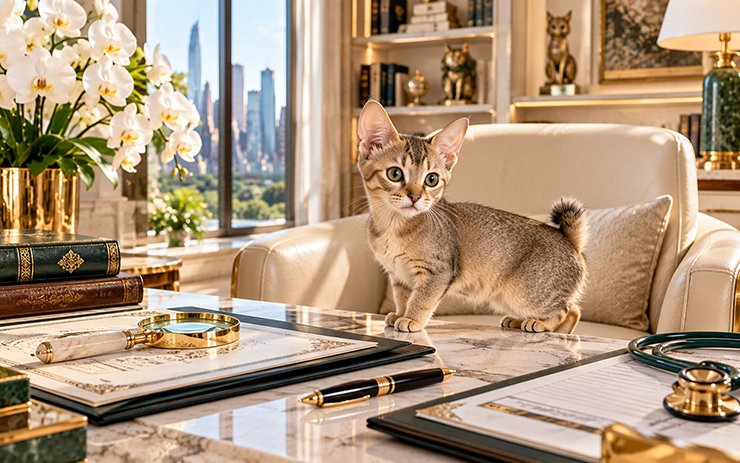
Before committing substantial money to a rare cat, buyers should verify its pedigree, generation, health documentation, breeder credentials, registration status, and the legal requirements governing ownership in their jurisdiction.
The headline purchase price is only the beginning of the acquisition. With rare breeds, scarcity can create a significant gap between legitimate specialist breeding and opportunistic marketing. This is particularly relevant with exotic hybrids, where regulations can differ substantially between jurisdictions.
A serious acquisition file should include:
- Pedigree: documented lineage and registration where applicable.
- Generation: essential for hybrid breeds such as the Savannah.
- Health records: veterinary examinations, vaccinations, and appropriate genetic testing.
- Breeder history: an established reputation and transparent breeding practices.
- Purchase contract: clearly defined ownership, breeding rights, and health provisions.
- Legal status: confirmation that the specific breed and generation may legally be kept at the owner’s residence.
- Lifetime planning: appropriate veterinary care, nutrition, enrichment, insurance, and specialist support.
For the Four-Legged Elite, true rarity is ultimately about provenance rather than spectacle. The finest rare cat is not necessarily the one carrying the largest price tag, but the one whose lineage, health, history, and breeding integrity can withstand scrutiny.