

Best Winter Coats for Dogs That Hate Wearing Clothes
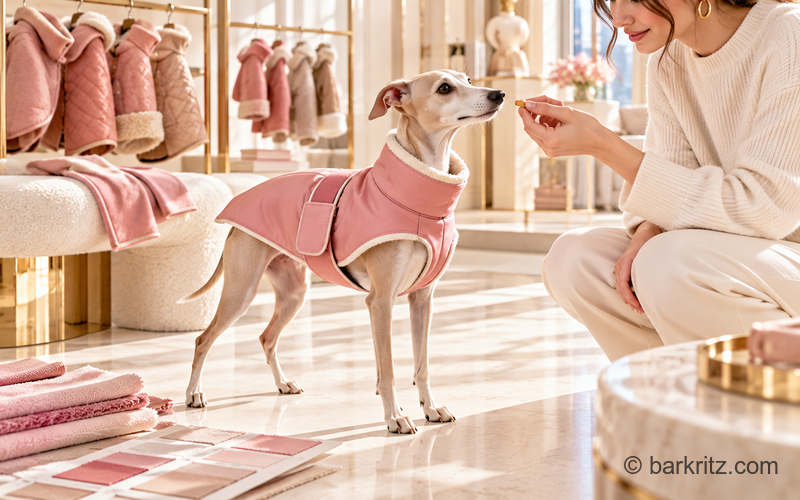
For some dogs, the first sign of winter dressing is enough to trigger a retreat beneath the nearest table. A coat appears, a head turns away, and the prospect of a brisk walk becomes a negotiation. Yet cold-weather protection can be important, particularly for small breeds, short-coated dogs, senior companions, and animals with limited tolerance for low temperatures. The solution is not necessarily a heavier garment or a more elaborate design. For dogs that resist clothing, the best winter coat is lightweight, easy to put on, comfortable around the shoulders, and secure without restricting natural movement. Thoughtful construction and gradual introduction can make the difference between a coat that stays in the wardrobe and one a dog can comfortably wear.
Which Winter Coat Designs Are Best for Dogs That Dislike Getting Dressed?
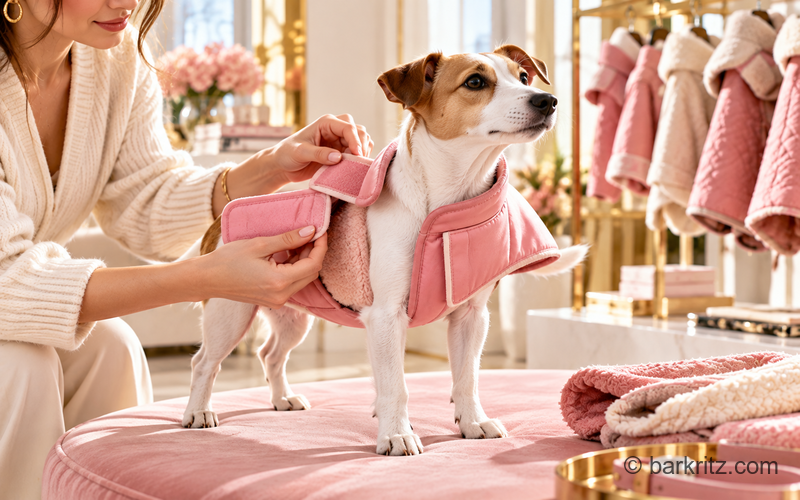
The most suitable winter coats for clothing-averse dogs are usually lightweight, soft-lined designs with minimal fastening, generous shoulder freedom, and an opening that allows the garment to be put on without forcing the dog’s head or legs into uncomfortable positions.
Traditional coats often require several steps: pulling fabric over the head, threading paws through narrow openings, and fastening straps beneath the body. For a dog that dislikes handling, every additional step can increase resistance. A well-designed alternative reduces contact and makes dressing predictable.
Three practical coat styles deserve particular consideration:
- Open-front wrap coats: These fasten around the chest or torso and may avoid pulling fabric over the head. They are particularly useful for dogs that dislike garments passing near their face, provided the fastening sits comfortably and cannot tighten excessively.
- Cape-style coats: These rest over the back and attach beneath the chest or around the torso. Their relatively simple construction can make them easier to position, although they must stay secure without shifting or interfering with the legs.
- Lightweight sleeveless coats: These provide coverage over the back and torso while leaving the legs largely unrestricted. They can suit dogs that tolerate a simple garment but dislike sleeves, though some designs still require the head to pass through an opening.
The right choice depends on what the dog finds uncomfortable. A dog that objects to having its paws handled may prefer a cape or wrap, while one that dislikes fabric near its face may need a design with a broad, easy-to-open neck area. Dogs sensitive to pressure around the chest may tolerate a different cut altogether.
Avoid bulky hoods, dangling decorations, stiff collars, noisy closures, and excessive straps. These details can create unfamiliar sensations without necessarily improving warmth. The ideal coat feels unobtrusive, remains in place during movement, and allows the dog to walk, sit, sniff, and relieve itself naturally.
Which Materials Keep Dogs Warm Without Making a Winter Coat Heavy or Irritating?
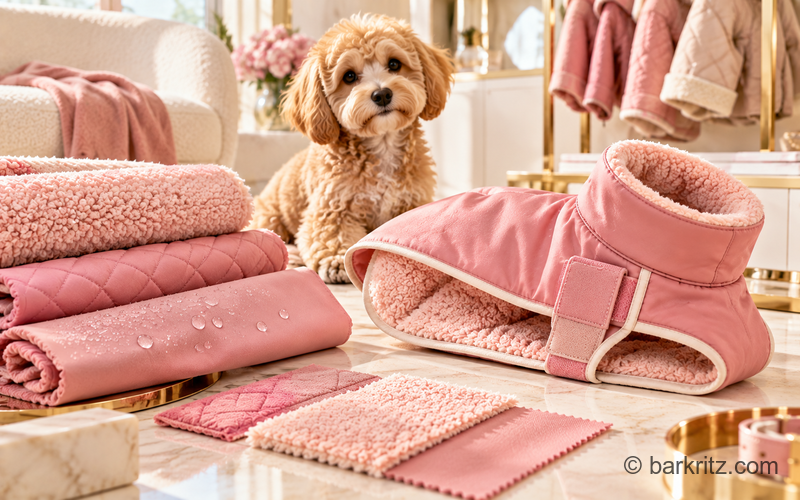
The best materials for a reluctant wearer provide useful warmth with minimal weight, a soft feel against the coat, and enough breathability to prevent uncomfortable heat buildup during ordinary walks.
A dog does not necessarily need the thickest coat available. Excessively heavy insulation can feel restrictive, while rough seams, scratchy linings, and stiff outer fabrics may make a sensitive dog even less willing to dress. Material selection should reflect the dog’s size, coat type, activity level, local weather, and individual tolerance.
A carefully chosen winter coat may combine several layers, each serving a different purpose. A smooth outer shell can help repel wind or light precipitation, while a soft lining reduces friction against the dog’s fur. A thin insulating layer can retain warmth without creating excessive bulk. For wet or snowy conditions, water resistance matters, but the garment should still allow appropriate movement and ventilation.
Material choices can be compared by function:
- Soft fleece lining: Comfortable and flexible, with useful warmth for dry, cold walks; it may offer limited protection against heavy rain or wet snow.
- Quilted synthetic insulation: Provides warmth without necessarily requiring a thick garment; quality, weight, and flexibility vary between designs.
- Water-resistant technical fabric: Helps protect against wind and light precipitation; check that the material remains flexible and does not become noisy or stiff during movement.
- Smooth, low-friction lining: Can be easier to wear over short or fine coats and may reduce snagging; seams and closures still need to be checked for rubbing.
- Breathable knit panels: Can improve flexibility and comfort in selected areas, but are not a substitute for weatherproof protection in prolonged rain or snow.
The dog’s natural coat also matters. A short-haired Chihuahua may need more insulation than a thick-coated Nordic breed during the same outing. Conversely, a heavily coated dog may overheat in a garment designed for a short-haired companion. Monitor the dog rather than relying on the season or the coat label alone.
For wet weather, a coat that becomes saturated and heavy can be less comfortable than a lighter, properly fitted waterproof layer. After each walk, remove the garment, check the skin and fur for dampness or irritation, and dry the coat thoroughly before the next use. A premium winter wardrobe should be selected for function first, with color, finish, and detailing as secondary considerations.
How Should a Winter Coat Fit a Dog That Resists Handling?
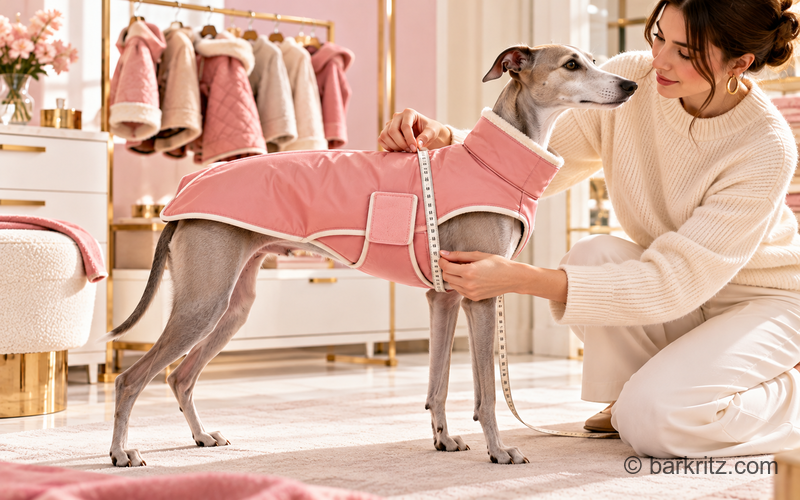
A comfortable winter coat should cover the areas that need protection while leaving the neck, shoulders, elbows, and hind legs free to move naturally, without rubbing, pulling, or compressing the chest.
Fit is particularly important for dogs that already dislike clothing. A tight neckline, restrictive arm openings, or a fastening that presses against the abdomen can turn mild uncertainty into persistent resistance. A coat that slips sideways or catches beneath the legs can also create a frightening experience during a walk.
Before purchasing, measure the dog while it is standing naturally. Most manufacturers provide a sizing guide, but the exact measurement points vary by brand. Common measurements include:
- Back length: From the base of the neck, where the shoulders meet, to the base of the tail.
- Chest girth: Around the widest part of the rib cage, usually just behind the front legs.
- Neck circumference: Around the area where the collar normally sits, allowing enough room for comfortable movement.
Chest girth is often especially important because many coats rely on a torso fastening to remain secure. If a dog falls between sizes, compare the manufacturer’s guidance on adjustment and coverage rather than automatically choosing the larger or smaller option.
When trying on a coat, check that the dog can walk forward, turn, sit, lie down, and raise its head without difficulty. The garment should not press against the throat, obstruct the shoulders, cover the eyes, drag on the ground, or interfere with urination and defecation. Straps should be secure but not tight, and there should be no exposed buckles or rough edges rubbing against sensitive skin.
Breed shape can complicate sizing. A deep-chested Greyhound, a broad-bodied Bulldog, and a compact Dachshund may need very different proportions even if their body weights are similar. A coat designed for a generic body shape may fit poorly despite matching the weight chart.
Look for adjustable chest closures, soft binding, smooth seams, and a design that can be opened widely before it is placed on the dog. Once the coat is on, inspect the skin beneath the neckline, armpits, and chest after a short trial. Redness, repeated scratching, altered gait, or an attempt to bite at the garment signals that the fit or design needs reconsideration.
How Can You Help a Dog Accept a Winter Coat Without Forcing the Process?
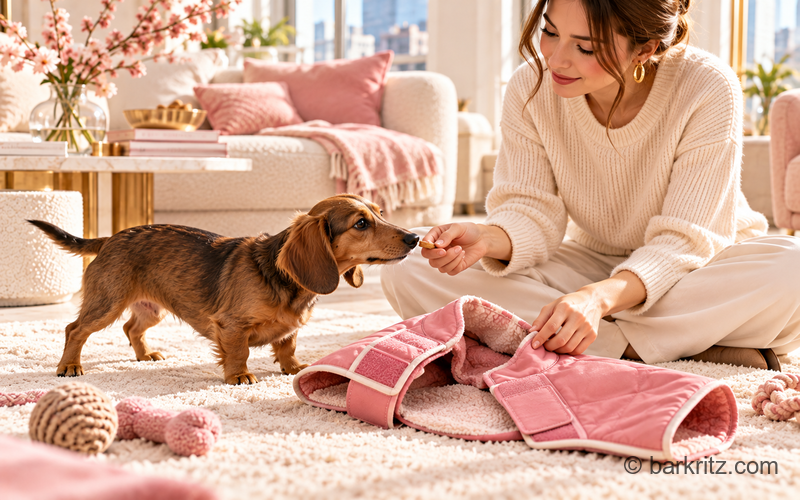
The most effective way to introduce a winter coat is through gradual, reward-based training that lets the dog investigate the garment, control the pace of contact, and build positive associations before wearing it outdoors.
A dog that avoids clothing may be responding to unfamiliar smells, the sensation of fabric, restricted movement, previous unpleasant handling, or discomfort caused by an earlier garment. Forcing the coat over the dog’s head or holding it in place while the animal struggles can intensify the problem. Instead, introduce the coat when the dog is relaxed and there is no immediate pressure to leave the house.
Begin with the garment placed at a comfortable distance. Allow the dog to approach and sniff it voluntarily, rewarding calm investigation with a favorite treat or gentle praise if the dog enjoys that interaction. Over subsequent sessions, move to briefly touching the coat to the shoulder or back, then resting it on the body for a moment before removing it. Progress only when the dog remains comfortable.
A gradual introduction can follow this sequence:
- Stage one — Familiarization: Leave the coat in the room during relaxed activities and reward voluntary investigation.
- Stage two — Brief contact: Touch the coat gently against the dog’s side or back, then remove it and reward calm behavior.
- Stage three — Short fitting: Place the open garment on the dog for a few seconds without fastening it, provided the dog remains relaxed.
- Stage four — Easy fastening: Secure the coat briefly, reward the dog, and remove it before discomfort develops.
- Stage five — Indoor movement: Allow a short period of walking and turning indoors, then remove the coat and end the session positively.
- Stage six — Short outdoor trial: Begin with a brief, familiar walk in suitable weather and check the fit and the dog’s response.
The sequence may take several sessions or considerably longer, depending on the dog. Avoid progressing simply because a certain number of minutes or days has passed. Turning away, freezing, crouching, repeated lip licking, trying to escape, or persistent attempts to remove the coat can indicate discomfort or stress. Pause, make the next attempt easier, and consider professional help from a qualified reward-based trainer if the reaction remains strong.
Choose treats the dog enjoys and keep sessions short. Never punish resistance or use restraint to force the garment on. If the dog shows signs of pain when its neck, shoulders, or legs are handled, consult a veterinarian before continuing; apparent clothing aversion can sometimes reflect an underlying physical problem.
For some dogs, a coat may never become comfortable despite careful introduction. In that case, respect the individual animal’s limits and discuss alternative cold-weather strategies with a veterinarian. A garment should improve comfort, not become a daily source of conflict.
How Can You Tell Whether Your Dog Needs a Winter Coat and Is Comfortable Wearing It?
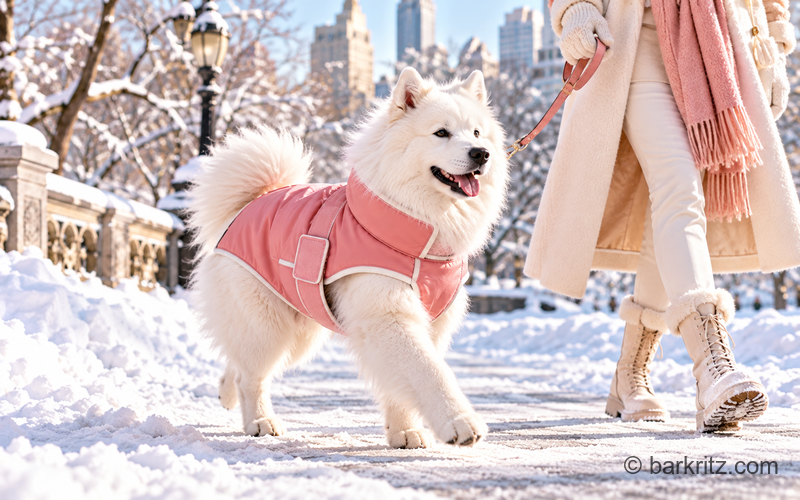
A winter coat is most useful when a dog’s natural insulation is insufficient for the conditions, and its value should be judged by the animal’s comfort, movement, and behavior rather than by appearance alone.
Small dogs, short-haired breeds, lean-bodied dogs, puppies, senior dogs, and animals with certain medical conditions may be more vulnerable to cold. Wind, rain, snow, temperature, time outdoors, and the dog’s activity level all influence how quickly it loses heat. Some thick-coated dogs need little additional insulation for a brisk walk in dry weather, while a short-coated companion may become uncomfortable much sooner.
Watch for signs that your dog is getting cold, including shivering, repeatedly lifting its paws, hunching its body, slowing down, seeking shelter, or trying to return home. These signs should prompt you to shorten the outing, move somewhere warmer, or reassess the dog’s protection. Persistent shivering, marked weakness, confusion, or unusual lethargy can indicate a more serious problem and warrant prompt veterinary advice.
Equally, a coat can make a dog too warm. Excessive panting, restlessness, attempts to escape the garment, or damp fur beneath the lining may mean the coat is too insulating for the conditions or the activity. Remove it and allow the dog to cool comfortably. Never assume that a dog needs more insulation simply because the weather is cold.
A practical winter routine should include:
- Match protection to conditions: Choose a light layer for dry, chilly walks and a more weather-resistant option for wind or precipitation when needed.
- Keep outings adaptable: Shorten walks when temperatures fall sharply or the dog shows discomfort.
- Protect paws as appropriate: Ice, salt, and de-icing chemicals can irritate paw pads; wipe paws after walks and consult your veterinarian about suitable protection.
- Dry the dog after wet outings: Remove damp clothing promptly and dry the coat and skin thoroughly.
- Inspect the garment regularly: Check fastenings, seams, lining, and any signs of rubbing or damage.
- Prioritize comfort over styling: A coat that fits poorly or triggers distress is not the right choice, regardless of its design.
The most successful winter wardrobe is built around the individual dog. A soft lining, intuitive closure, appropriate insulation, and a forgiving fit can make dressing easier, but patience remains essential when a dog dislikes clothes. The goal is not to persuade every dog to wear a coat; it is to provide the protection each animal needs while preserving freedom of movement, emotional security, and the simple pleasure of a comfortable winter walk.