

Best Fabrics for Luxury Pet Clothing
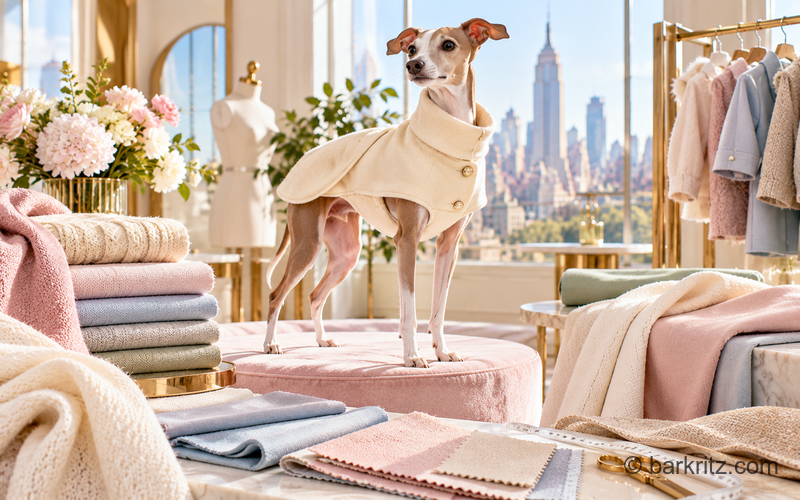
In New York’s most discerning pet circles, clothing for four-legged companions is increasingly defined by the same principles that guide exceptional human wardrobes: material integrity, thoughtful construction, tactile refinement, and lasting performance. The finest pet garments do more than make a visual statement; they respect an animal’s movement, support comfort, and maintain their appearance through repeated wear.
For the modern pet wardrobe, fabric selection is the foundation of good design. From the natural softness of cashmere to the technical precision of performance textiles, each material offers a distinct combination of texture, durability, and seasonal suitability. Understanding these differences makes it possible to build a considered collection that balances aesthetic distinction with the practical needs of a beloved companion.
Which Natural Fabrics Offer the Best Combination of Comfort and Refinement?
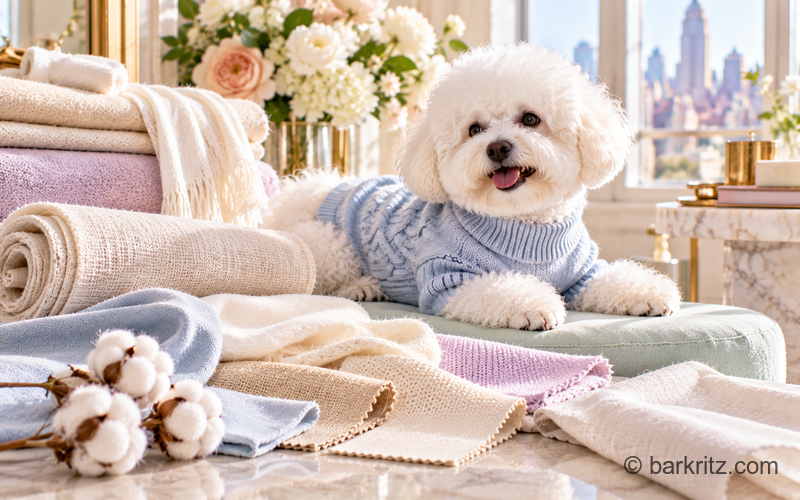
The finest natural fabrics for pet clothing combine a gentle hand, appropriate breathability, and enough structural integrity to preserve a garment’s silhouette without restricting movement.
Wool, cashmere, cotton, and linen each serve a different purpose. Their suitability depends on the animal’s coat, the intended season, and the garment’s construction rather than on the prestige of the fiber alone.
Wool remains a compelling choice for cold-weather sweaters and tailored coats. Fine merino wool offers temperature regulation and a soft, flexible feel, while denser wool fabrics provide more structure for outerwear. Cashmere introduces exceptional softness and lightweight warmth, making it particularly appealing for refined knitwear worn in cool, dry conditions.
Cotton offers a different advantage: familiarity and versatility. High-quality cotton jersey, interlock, and fine knit fabrics work well for lightweight shirts, indoor layers, and transitional garments. Linen, meanwhile, is valued for its airy construction and natural texture, making it more suitable for warm-weather pieces than for winter clothing.
When comparing these materials, consider their individual characteristics:
- Cashmere: exceptionally soft, lightweight, and warm; best reserved for carefully maintained knitwear and limited-wear pieces.
- Merino wool: breathable, temperature-regulating, and naturally elastic; well suited to everyday sweaters and layering.
- Cotton: versatile and available in a wide range of weights; ideal for casual essentials and washable garments.
- Linen: breathable and crisp with a distinctive surface texture; particularly appropriate for summer apparel and relaxed silhouettes.
Fiber quality matters, but so does the finished textile. A loosely knitted premium yarn may snag more readily than a tightly constructed midweight fabric, while an untreated natural fiber may require more careful cleaning than a washable blend. For pets, the best material is one that feels comfortable against the body and performs reliably under real conditions.
Is Cashmere Worth Choosing for a Premium Pet Sweater?
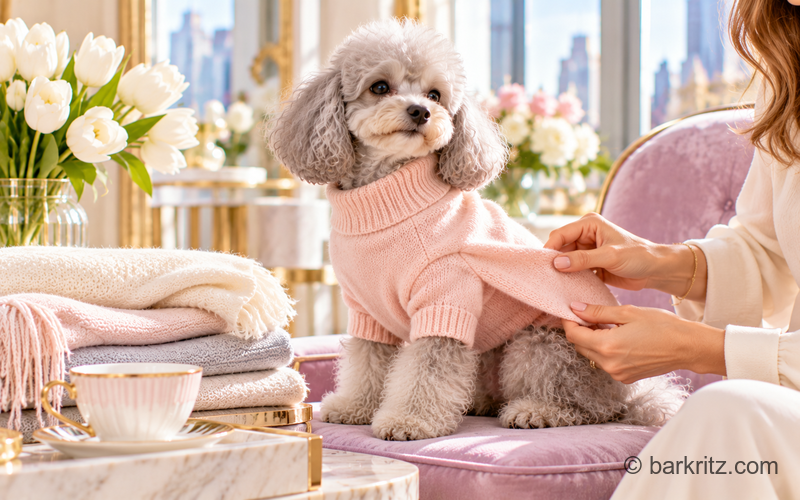
Cashmere can justify its place in a premium pet wardrobe when its exceptional softness and insulating capacity are matched by a well-designed fit and realistic care expectations.
Derived from the fine undercoat of cashmere goats, the fiber is prized for its lightness, warmth, and smooth tactile quality. In pet clothing, these qualities translate into elegant sweaters, sleeveless knits, and refined layering pieces that provide warmth without the bulk of heavier woolens.
Its appeal is particularly strong for small dogs and short-coated breeds that may benefit from an additional layer during chilly city walks. A fine-gauge cashmere sweater can sit comfortably beneath a coat, while a denser knit may work as a standalone layer in mild winter weather.
However, cashmere is not automatically the best option for every animal or situation. Delicate knits can pill, stretch, or catch on claws and rough surfaces. Garments worn during vigorous play, wet-weather outings, or frequent outdoor adventures may be better made from more resilient materials.
A well-considered cashmere garment should feature:
- A smooth interior: seams and labels should not rub against the neck, underarms, or abdomen.
- A flexible knit: the garment should accommodate walking, sitting, stretching, and toileting without pulling.
- Secure finishing: cuffs and edges should retain their shape without tight elastic or restrictive bands.
- Clear care instructions: gentle washing or professional cleaning requirements should be realistic for the owner.
- A suitable weight: warmth should correspond to the climate, the animal’s coat, and the duration of wear.
Cashmere is best viewed as a specialized wardrobe investment rather than an all-purpose fabric. For a pet that tolerates clothing comfortably, a beautifully made piece can offer enduring tactile appeal; for an animal prone to chewing, scratching, or overheating, a simpler washable knit may be the more thoughtful choice.
Which Technical Fabrics Work Best for Raincoats and Everyday Outdoor Wear?
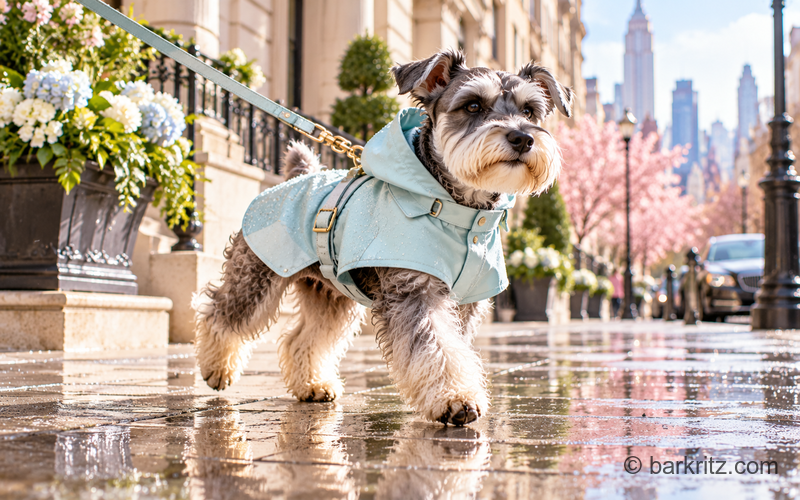
For outdoor pet clothing, the strongest fabric choices combine abrasion resistance, effective weather protection, low maintenance, and enough flexibility to support natural movement.
Technical textiles have become increasingly relevant to premium pet apparel because they address the realities of urban life. Rain, wind, damp pavements, changing temperatures, and frequent cleaning place demands on garments that delicate natural fibers are not designed to meet.
A well-made raincoat often uses a tightly woven synthetic shell, such as polyester or nylon, with a water-resistant finish or a waterproof membrane. These constructions can help prevent the outer fabric from becoming saturated, although performance varies considerably by coating, seam construction, and garment design. Water-resistant fabrics repel light moisture, while genuinely waterproof garments require more comprehensive protection.
For insulating layers, fleece made from polyester offers warmth, quick drying, and relatively straightforward care. Stretch fabrics containing elastane can improve mobility around the shoulders and chest, provided the garment remains breathable and does not compress the animal’s body.
The most useful technical options include:
- Nylon: lightweight and abrasion-resistant, making it suitable for outer shells and reinforced panels.
- Polyester: versatile, quick-drying, and widely used in fleece, linings, and weather-resistant textiles.
- Waterproof membrane fabrics: useful for sustained exposure to rain when seams and closures are designed to support the intended level of protection.
- Stretch blends: helpful for flexible body panels and close-fitting garments that must accommodate movement.
- Recycled polyester: an alternative to virgin polyester when supported by credible material sourcing and transparent product information.
The quality of a technical garment depends on more than its fabric label. A raincoat with an effective shell but poorly protected seams may still allow moisture to enter, while a warm fleece lining can become uncomfortable if it traps too much heat during active exercise.
For New York walks, versatility is often more useful than maximum protection. A lightweight shell with an adjustable fit may serve through sudden showers, while a removable insulating layer can accommodate changes in temperature. The garment should never interfere with a harness, leash attachment, or the animal’s ability to move freely.
How Should Pet Clothing Fabrics Change With the Seasons?
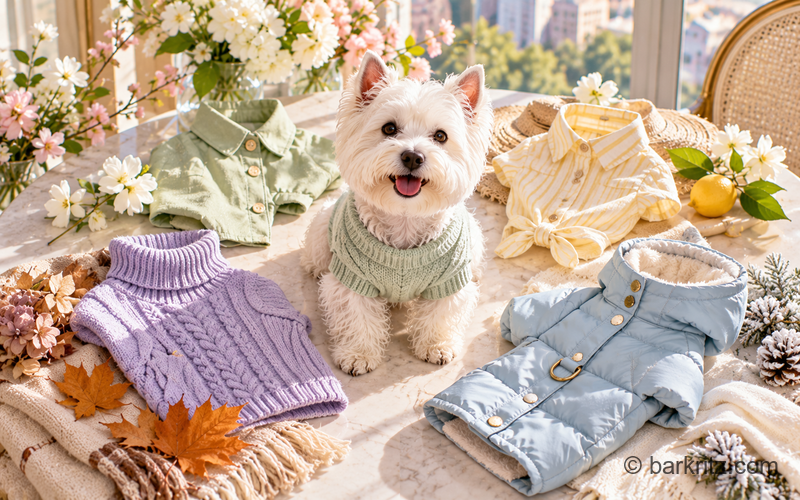
A sophisticated seasonal pet wardrobe uses lightweight, breathable fabrics in warm weather, adaptable layers during transitional months, and carefully selected insulating materials in winter.
Fabric weight, construction, and fit influence comfort as much as fiber content. A heavy cotton garment may retain more warmth than a fine merino knit, while a densely woven wind-resistant shell can feel substantially warmer than an unlined open-weave textile. Selecting clothing by season therefore requires attention to the complete garment rather than its material name alone.
For spring and autumn, fine-gauge merino, cotton knits, and lightweight woven blends offer practical versatility. These fabrics can provide modest warmth without excessive bulk and work well beneath an outer shell when the weather changes.
Summer calls for restraint. Breathable cotton and linen may suit certain lightweight garments, but clothing should not be used as a substitute for shade, hydration, or protection from dangerous heat. Many pets need little or no clothing in warm conditions, and dense fabrics can increase the risk of overheating.
Winter requires a more individualized approach. Short-coated, small, elderly, or cold-sensitive animals may benefit from insulating layers, while thick-coated breeds may already possess substantial natural protection. Cashmere, merino, and fleece can all provide warmth, but the appropriate choice depends on the animal and the conditions.
A seasonal fabric guide offers a useful starting point:
- Spring: cotton jersey, fine merino, and lightweight technical shells for variable temperatures.
- Summer: light cotton or linen for limited, appropriate use; prioritize ventilation and avoid unnecessary layers.
- Autumn: midweight knits, brushed cotton, and adaptable shell fabrics for cool mornings and damp afternoons.
- Winter: merino, cashmere, fleece, or insulated technical constructions selected according to coat type and exposure.
Regardless of season, the garment must be checked for signs of discomfort. Panting, restlessness, attempts to remove clothing, altered gait, or persistent scratching are reasons to take it off and reassess the fit and material. Clothing should support an animal’s comfort, never override it.
What Makes a Luxury Pet Fabric Worth the Investment?
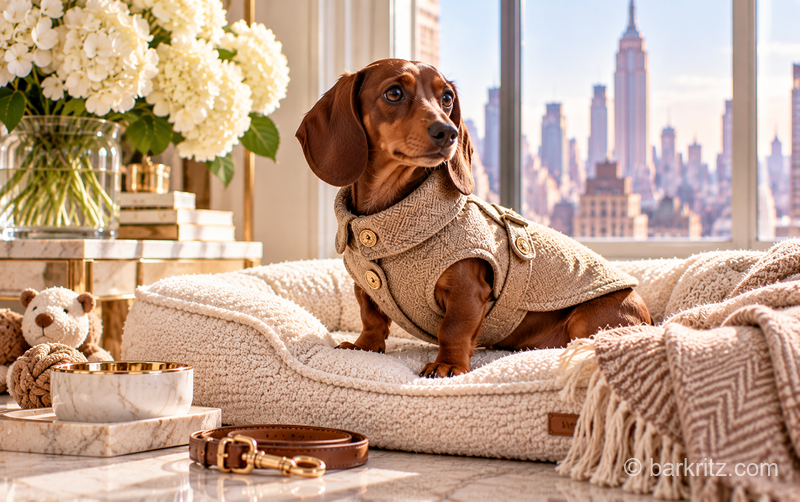
A premium pet fabric earns its value through measurable quality, responsible sourcing, durable construction, easy maintenance, and a consistently comfortable fit—not simply through an expensive fiber or an impressive label.
The distinction between an ordinary garment and an exceptional one often lies in details that are easy to overlook. Yarn consistency, fabric density, seam placement, edge finishing, colorfastness, and resistance to pilling all influence how well a garment performs over time. A refined appearance matters, but it should be supported by sound construction.
Material provenance also deserves attention. Responsible brands should be able to explain whether their wool is traceable, whether recycled fibers are independently certified where applicable, and how their garments are intended to be cleaned. Claims such as sustainable, natural, or eco-conscious are more meaningful when supported by specific information rather than used as decorative marketing language.
Before investing in a premium piece, assess several factors:
- Fiber composition: look for precise percentages and clear information about blends, linings, and finishes.
- Construction quality: inspect seams, closures, stretch panels, and areas likely to experience friction.
- Wear resistance: consider whether the fabric can withstand the pet’s activity level and the garment’s intended use.
- Care requirements: compare cleaning instructions with the frequency of wear and the owner’s routine.
- Animal comfort: check for soft interior finishes, appropriate coverage, and freedom of movement.
- Responsible sourcing: favor brands that provide verifiable information about fiber origins and manufacturing practices.
Fit remains the decisive element. Even the finest fabric cannot compensate for a garment that restricts the shoulders, presses against the throat, catches around the legs, or interferes with toileting. Owners should also inspect clothing regularly for loose threads, damaged fasteners, and components that could be chewed or swallowed.
The most enduring pet wardrobe is not necessarily the largest or the most elaborate. It is a considered collection in which every piece serves a clear purpose: a breathable cotton essential, a well-constructed technical raincoat, a resilient everyday knit, or a carefully maintained cashmere layer for cooler days. When fabric, construction, and fit work together, pet clothing becomes a thoughtful expression of personal style—one that places the animal’s well-being at the center of every design decision.