

Best Supplements for Senior Dogs and Their Benefits

As dogs enter their senior years, thoughtful wellness care becomes an essential part of preserving their comfort, mobility, and quality of life. Changes in joint function, digestion, cognitive performance, and skin condition may gradually emerge, making nutrition an increasingly important consideration. While a balanced diet remains the foundation of good health, certain supplements may help address specific age-related needs when selected with veterinary guidance. The most effective approach is not to assemble an elaborate collection of products, but to identify the nutrients that genuinely suit an individual dog’s health, lifestyle, and existing diet.
Which Supplements Can Best Support a Senior Dog’s Overall Health?

The most beneficial supplements for senior dogs are those chosen to address an identified nutritional gap or health concern, rather than simply the number of candles on a birthday cake. Age alone does not establish that a dog needs supplementation, and a complete, balanced diet may already provide many essential nutrients.
Several supplement categories are commonly considered for older dogs:
- Omega-3 fatty acids: EPA and DHA, typically sourced from fish oil, may help support a healthy inflammatory response, joint comfort, and skin condition.
- Joint-support formulations: Ingredients such as glucosamine, chondroitin, and certain other compounds are marketed to support joint function, although evidence of benefit varies by ingredient and formulation.
- Probiotics: Selected strains may help maintain digestive balance and support stool quality in some dogs.
- Antioxidant nutrients: Vitamins and other antioxidant compounds support normal cellular function, but additional supplementation is not necessarily beneficial when dietary needs are already met.
- Targeted vitamins and minerals: These may be appropriate when a veterinarian identifies a deficiency or a specific medical reason for supplementation.
Quality matters as much as the ingredient list. Look for products with clearly stated active ingredients, quantities per serving, appropriate dosing instructions, and credible quality-control practices. Independent testing or certification, where available, can provide additional reassurance about product identity and purity.
Senior dogs also vary considerably in their needs. A healthy, active Labrador may require a different approach from a small companion dog with chronic digestive sensitivity or an older animal managing several medical conditions. Supplement selection should reflect that distinction.
Can Joint Supplements Help Senior Dogs Stay Mobile and Comfortable?

Joint supplements may support mobility in some senior dogs, but their effectiveness depends on the ingredients, the individual animal, and the underlying cause of stiffness or discomfort.
Osteoarthritis is common in older dogs and may present as reluctance to climb stairs, difficulty rising after rest, reduced enthusiasm for walks, or changes in play behavior. These signs deserve veterinary assessment rather than an assumption that an over-the-counter supplement will solve the problem.
Common joint-support ingredients include:
- Omega-3 fatty acids: Among the more promising nutritional options for supporting dogs with osteoarthritis, EPA and DHA may help reduce inflammatory processes associated with joint disease.
- Glucosamine and chondroitin: Widely used in canine joint products, these compounds have mixed evidence for meaningful improvements in pain and mobility.
- Undenatured type II collagen: Some research suggests potential benefits for joint comfort, although results depend on the product and study population.
- Green-lipped mussel extracts: These provide a mixture of marine-derived compounds, including fatty acids, and may offer benefits in some formulations, but evidence is not uniform.
No supplement should replace a comprehensive mobility plan. Maintaining a healthy body weight, providing regular low-impact exercise, using nonslip flooring, and offering supportive bedding can all improve daily comfort. A veterinarian may also recommend prescription pain management or rehabilitation when appropriate.
Introduce one new product at a time and monitor practical indicators such as walking pace, willingness to stand, stair use, and enjoyment of normal activities. These observations are more useful than relying on vague impressions that a dog seems younger or more energetic.
Which Supplements May Support Brain Function, Skin, and Coat Health?

Omega-3 fatty acids and selected nutritional interventions may support normal brain, skin, and coat function in older dogs, although supplements cannot guarantee prevention of cognitive decline or reverse every age-related change.
Some senior dogs develop altered sleep patterns, confusion in familiar surroundings, changes in social interaction, or house-training difficulties. These signs can be associated with canine cognitive dysfunction, but they may also indicate pain, sensory decline, metabolic disease, or other medical conditions. A veterinary examination is important before attributing them to aging alone.
Nutritional approaches worth discussing with a veterinarian include:
- DHA and EPA: These omega-3 fatty acids contribute to normal cellular function and may be useful as part of a broader nutritional plan.
- Antioxidant combinations: Certain diets formulated for senior dogs include combinations of antioxidants and other nutrients intended to support healthy aging; benefits depend on the complete formulation.
- Medium-chain triglycerides (MCTs): Specialized veterinary diets containing MCTs have been studied for potential cognitive benefits in older dogs, but suitability depends on the animal’s health and dietary tolerance.
- Essential fatty acids: Appropriate amounts can help maintain skin-barrier function and coat quality, particularly when dietary intake is inadequate.
For skin and coat concerns, supplements are most useful when they address a genuine nutritional need or a condition that responds to the specific ingredient. Persistent itching, hair loss, recurrent ear problems, or inflamed skin may be caused by allergies, parasites, infections, or hormonal disorders and should not be treated with supplements alone.
Mental stimulation remains important as well. Predictable routines, gentle training games, scent-based activities, and appropriately paced walks provide valuable enrichment without relying on a capsule or powder to maintain engagement.
Are Digestive Supplements and Probiotics Beneficial for Older Dogs?
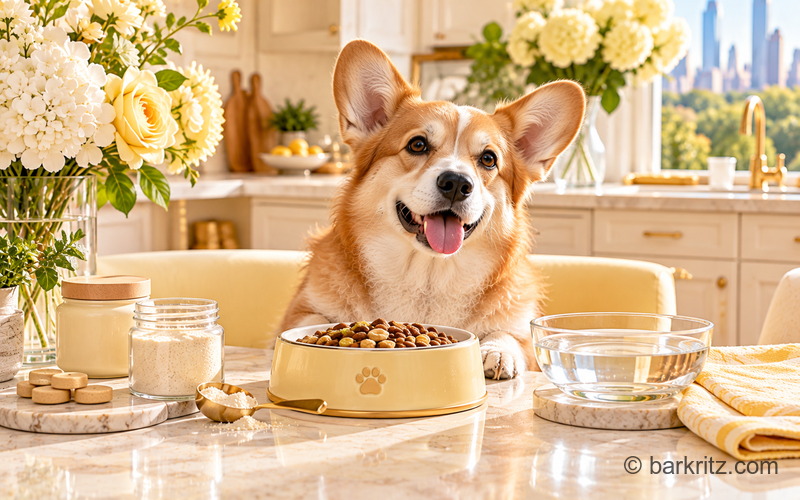
Probiotics and selected digestive supplements may help certain senior dogs maintain healthy stool quality and gastrointestinal balance, particularly when a veterinarian identifies a specific digestive concern.
The term probiotic describes live microorganisms that provide a health benefit when administered in adequate amounts; effects are strain-specific rather than universal. A product containing one strain cannot automatically be assumed to produce the same results as another, even when both are marketed for digestive health.
Different approaches serve different purposes:
- Probiotics: May help support stool consistency and digestive function in selected situations, but effectiveness depends on the strain and the condition being addressed.
- Prebiotics: Certain fermentable fibers nourish beneficial intestinal microorganisms and may help regulate stool quality.
- Soluble fiber: Can be useful in selected cases of constipation or diarrhea, although the appropriate type and amount depend on the diagnosis.
- Digestive enzymes: Are appropriate for particular medical conditions, such as diagnosed pancreatic insufficiency, rather than as a routine anti-aging supplement.
Older dogs may also become more sensitive to dietary changes, so new products should be introduced gradually and according to veterinary instructions. Persistent diarrhea, repeated vomiting, unexplained weight loss, blood in the stool, or a sudden change in appetite warrants prompt professional assessment.
Hydration and consistent feeding routines remain fundamental. A complete diet that suits the dog’s digestive tolerance, together with access to fresh water and regular veterinary monitoring, often provides more meaningful support than adding multiple products without a clear objective.
How Should You Choose and Safely Introduce Supplements for a Senior Dog?

The safest supplement plan begins with a veterinary review of the dog’s diet, medical history, medications, and individual health priorities. This helps distinguish a potentially useful intervention from unnecessary supplementation or an ingredient that could cause harm.
Before purchasing a product, consider these essential criteria:
- Purpose: Identify the specific concern the supplement is intended to address, such as joint comfort, digestive function, or a confirmed nutritional deficiency.
- Ingredient transparency: Choose products that clearly disclose active ingredients and the amount supplied per serving.
- Appropriate formulation: Use products intended for dogs, with dosing instructions suitable for the animal’s size and health status.
- Quality assurance: Prefer manufacturers that provide reliable quality-control information and, where available, independent verification of identity and purity.
- Medication compatibility: Ask the veterinarian to review potential interactions, particularly if the dog takes prescription medication or has kidney, liver, gastrointestinal, or other chronic disease.
- Measurable results: Establish a practical goal and a review date to determine whether the supplement is providing a worthwhile benefit.
Avoid combining several products with overlapping ingredients without professional guidance. Excessive intake of certain vitamins and minerals can be harmful, and some supplements may interact with medications or be unsuitable for particular conditions. Products intended for humans may also contain ingredients that are unsafe for dogs, including xylitol in certain formulations.
Once a supplement is approved, follow the recommended dose and observe the dog for changes in appetite, digestion, energy, skin condition, and comfort. Discontinue the product and contact a veterinarian if concerning reactions develop.
Ultimately, senior-dog wellness is built through consistent, individualized care: a balanced diet, suitable exercise, regular health checks, dental care, weight management, and a comfortable home environment. Carefully selected supplements can complement these foundations when there is a clear reason to use them. The goal is not to promise an ageless companion, but to help an older dog enjoy as many comfortable, engaged, and rewarding days as possible.