

How to Find Pet-Friendly Fine Dining Restaurants
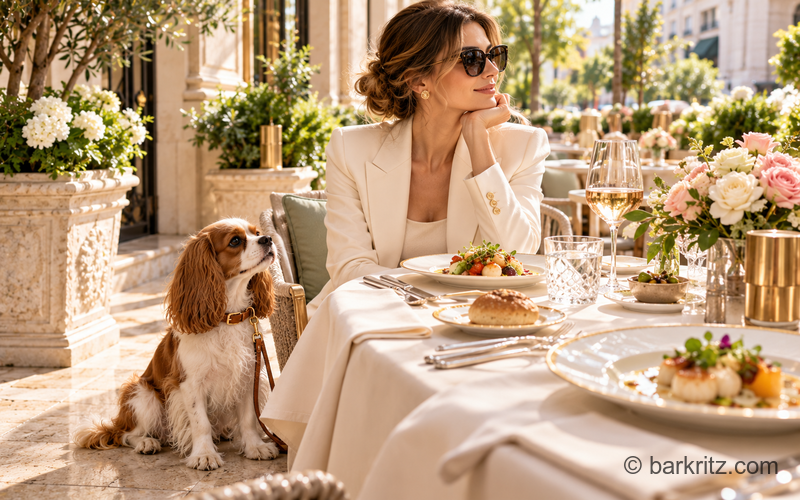
A memorable dining experience is defined by more than an exceptional menu; it also depends on the atmosphere, thoughtful service, and the pleasure of sharing the occasion with those who matter. For pet owners who appreciate refined cuisine, bringing a well-mannered companion along requires a little more discernment than choosing a restaurant by its reputation alone. From elegant garden terraces to intimate neighborhood bistros with carefully considered outdoor seating, the most suitable establishments combine culinary ambition with a genuine understanding of their four-legged guests.
Finding the right venue means looking beyond a simple pet-friendly label. Policies, seating arrangements, service standards, and local regulations all influence whether a restaurant can offer a comfortable experience for both diners and their animals.
How can you identify fine dining restaurants that genuinely welcome pets?
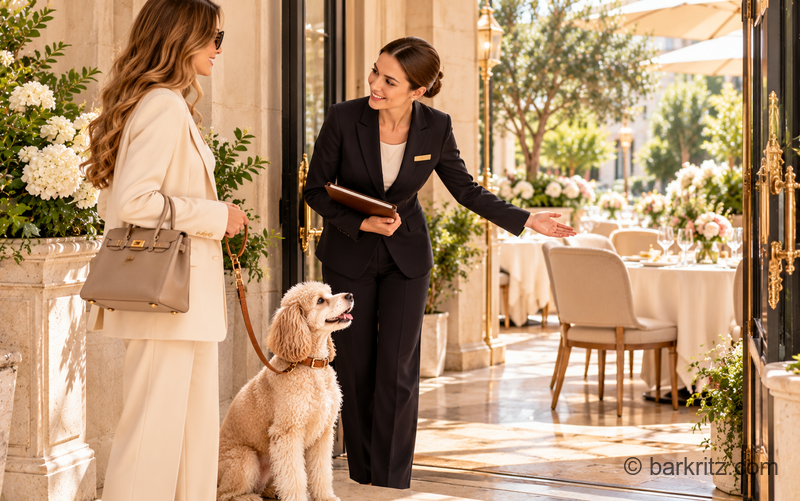
The most reliable way to identify a genuinely pet-friendly fine dining restaurant is to confirm its current policy directly with the establishment and ask precisely where animals are permitted to sit.
A restaurant may describe itself as pet-friendly while allowing dogs only on an outdoor patio, restricting access during certain service periods, or limiting the number of animals per table. These distinctions matter when planning a special lunch, a celebratory dinner, or an unhurried afternoon in a sophisticated setting.
Begin with the restaurant’s official website, reservation information, and recent communications. Look for specific language about dogs, outdoor seating, terrace access, and advance notice. If the policy is unclear, a brief telephone call or email is more dependable than relying on an outdated directory listing or an old customer review.
When assessing a potential venue, consider the following details:
- Access policy: Does the restaurant welcome dogs indoors, outdoors, or in designated areas only?
- Reservation requirements: Must guests mention their pet when booking, or are pet-friendly tables allocated separately?
- Size restrictions: Are there limits on the number or size of animals permitted?
- Service arrangements: Can staff provide a suitable water bowl or accommodate a pet without obstructing other guests?
- Seasonal availability: Is the terrace open during the intended visit, and are pets permitted there throughout the year?
The distinction between an establishment that merely tolerates animals and one that welcomes them thoughtfully is often evident in the specificity of its answers. A well-prepared team should be able to explain its policy clearly and describe the seating options available.
For a premium dining occasion, clarity is part of the experience. Confirming the details beforehand allows you to choose a restaurant for its cuisine and atmosphere rather than discovering unexpected restrictions upon arrival.
Which restaurant settings offer the most comfortable experience for pets and their owners?
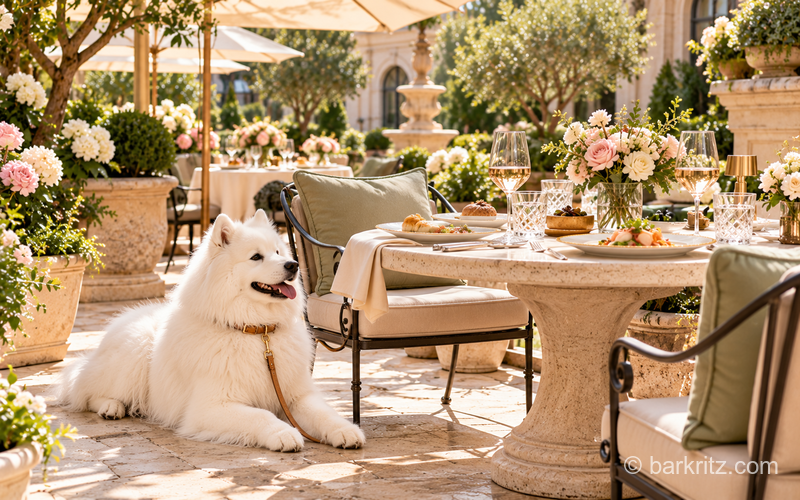
Restaurants with spacious terraces, landscaped courtyards, and well-organized outdoor dining areas often provide the most comfortable setting for guests accompanied by dogs, although the best choice depends on the animal and the restaurant’s individual policy.
An elegant terrace can offer additional space between tables, fresh air, and fewer enclosed sensory distractions. A courtyard may provide a calmer atmosphere than a busy pavement-side dining area, while a spacious garden restaurant can make it easier for a dog to settle without interfering with servers or neighboring guests.
However, an outdoor setting is not automatically suitable. Narrow walkways, crowded entrances, intense afternoon sun, slippery surfaces, and frequent foot traffic can make even a beautiful terrace uncomfortable for an animal.
Consider the atmosphere as carefully as the menu:
- Garden terraces: Particularly appealing for leisurely lunches, provided there is adequate shade and enough space around the table.
- Courtyard restaurants: Often offer a more intimate atmosphere, with some separation from street traffic.
- Spacious sidewalk patios: Convenient for urban dining, although pedestrians, cyclists, and passing dogs may create distractions.
- Covered verandas: Useful in changeable weather when the restaurant permits pets in the sheltered area.
- Indoor dining rooms: Potentially suitable where animals are explicitly permitted and there is enough space for a companion to rest comfortably.
The ideal table is positioned away from busy service routes, swinging doors, loud speakers, and areas where guests regularly pass close to the animal. A corner table or a spot along the outer edge of a terrace may offer greater predictability, but the restaurant should determine which locations are available and appropriate.
Temperature also deserves attention. Hot paving, direct sun, cold surfaces, and poor ventilation can quickly make a dining experience uncomfortable. Choose a time and setting appropriate to the weather, and be prepared to leave if conditions become unsuitable.
A truly successful venue allows its human guests to enjoy attentive service and exceptional cuisine while giving their companions enough room to rest quietly.
How should you evaluate a restaurant’s menu, service, and overall dining standards?
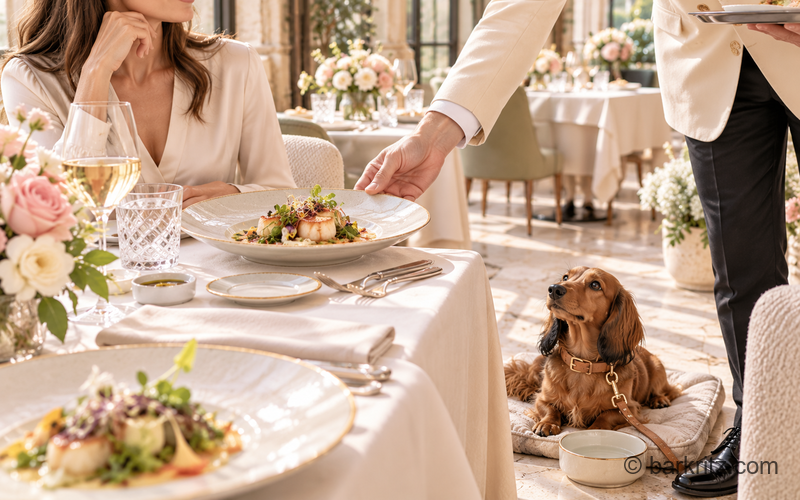
A suitable pet-friendly fine dining restaurant should deliver the same culinary quality and attentive hospitality expected of any distinguished establishment while maintaining clear, practical arrangements for animals.
Pet-friendly policies and culinary standards are separate considerations: a restaurant may welcome dogs warmly without offering the quality of cuisine or service you expect for a special occasion. Evaluate the venue through its menu, chef’s approach, wine or beverage selection, service reputation, and consistency of guest experience.
Start by examining the menu. Look for a coherent culinary identity, seasonal ingredients, thoughtful preparation, and a level of detail appropriate to the occasion. A carefully curated wine list, polished presentation, and knowledgeable staff can contribute to the experience, but the restaurant should still suit your personal preferences and budget.
Then consider the practical elements that distinguish a refined pet-friendly experience:
- Table spacing: Staff should be able to serve comfortably without repeatedly stepping over a leash or moving around a crowded arrangement.
- Water provision: Ask whether the restaurant can provide a clean water bowl; bring your own if necessary.
- Staff awareness: A well-informed team should understand the pet policy and know how to serve the table without disturbing the animal.
- Dining duration: Consider whether the format involves a short à la carte meal or an extended tasting menu that may be difficult for a restless pet.
- Atmosphere: Music, crowd density, and the proximity of other animals can affect how comfortably your companion settles.
- Food safety: The restaurant should maintain clear boundaries between human food preparation and animals, and should not encourage pets to approach serving stations.
It is also worth checking recent reviews for evidence of consistent service rather than relying exclusively on photographs featuring dogs. Reviews can reveal whether reservations are honored, whether outdoor tables are comfortable, and whether staff communicate policies clearly.
Remember that pet-friendly hospitality does not necessarily mean that dogs may eat from the table or receive food prepared by the kitchen. Ask before requesting anything for your companion, and bring familiar treats if appropriate. Avoid sharing rich, seasoned, or unfamiliar dishes, particularly ingredients that may be unsafe for dogs.
The strongest choice is a restaurant whose culinary identity stands independently while its hospitality makes bringing a pet practical rather than complicated.
What should you ask before reserving a table at a pet-friendly fine dining restaurant?
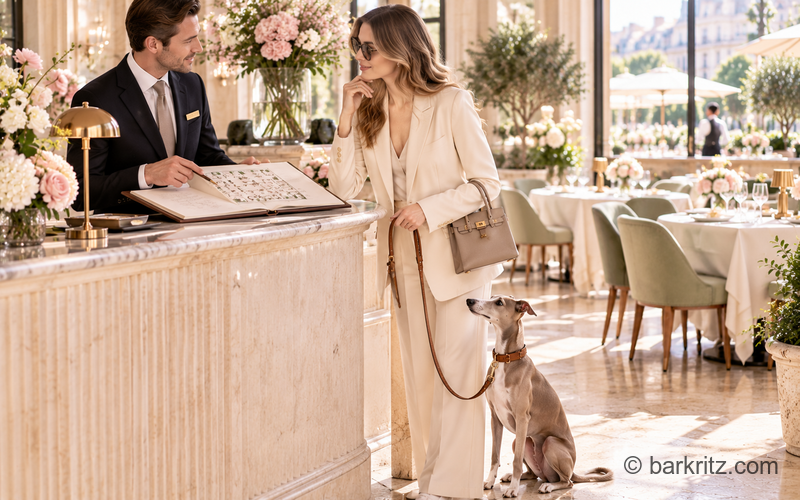
Before reserving a table, confirm the pet policy, the location of the available seating, any size or behavior restrictions, and whether the restaurant can accommodate your preferred dining time.
A reservation made without clarifying these details can lead to an avoidable disappointment, particularly when the occasion involves a tasting menu, a celebration, or a restaurant with limited outdoor seating. A few precise questions can establish whether the venue is genuinely appropriate.
When contacting the restaurant, ask:
- Are pets permitted on the date and at the time I wish to visit?
- Is the available pet-friendly seating indoors, outdoors, or in a designated section?
- Should I mention my pet when making the reservation?
- Are there restrictions on animal size, number, or seating location?
- Is there sufficient space for a dog to settle beside the table without blocking a walkway?
- Can the restaurant provide water, and are there any additional requirements for guests with pets?
- What happens if the weather changes and outdoor seating becomes unavailable?
If you are booking for a special occasion, explain the nature of the visit and ask whether the restaurant can offer a suitable table. A direct, courteous conversation gives the team an opportunity to clarify expectations and recommend the most appropriate arrangement.
In New York City, it is especially important to distinguish between a restaurant’s own policy and the rules governing the type of dining area. New York State generally permits dogs in qualifying outdoor dining areas under specified conditions, but restaurants must follow applicable health requirements and may impose additional restrictions. Indoor access is not automatically permitted simply because a restaurant welcomes dogs outside. Confirm the current rules and the establishment’s policy before relying on a particular seating arrangement.
Finally, make the reservation under the correct party size and disclose your companion rather than assuming that a standard booking automatically includes a pet. Clear communication helps the restaurant prepare and reduces the likelihood of last-minute changes.
How can you prepare your pet for an elegant restaurant outing?
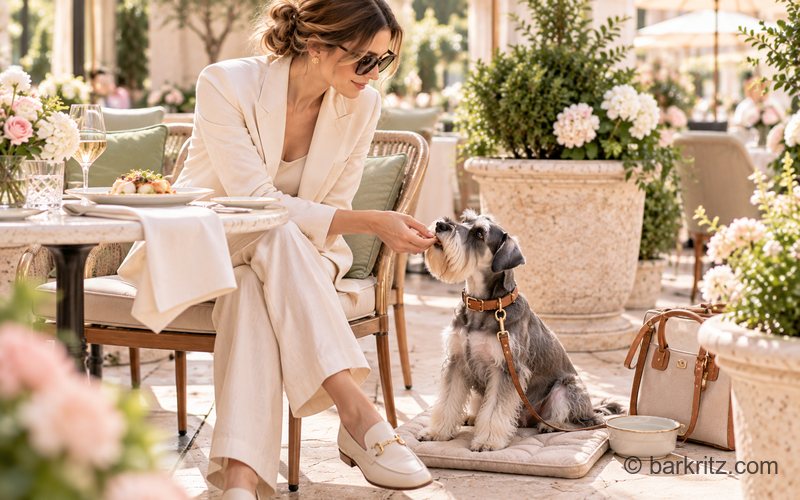
The most successful restaurant visit begins with a pet that is comfortable in public, accustomed to settling quietly, and prepared for the sights, sounds, and duration of the experience.
Even a welcoming restaurant cannot guarantee that every animal will enjoy a busy dining room or a long meal. The aim is not to make a pet perform for the occasion but to create conditions in which the animal can relax without distress or disruption.
Before your reservation, consider these practical preparations:
- Choose an appropriate duration: Start with a shorter meal if your pet has limited experience in restaurants.
- Allow time for a walk: Give your dog an opportunity to exercise and relieve itself before arriving.
- Bring familiar essentials: Pack a leash, waste bags, water if needed, and a small mat that helps your companion settle.
- Practice calm behavior: Reward quiet resting and comfortable responses to people passing nearby.
- Avoid overfeeding beforehand: Maintain the animal’s usual feeding routine and bring only suitable treats if needed.
- Plan an exit: Be ready to leave if your pet becomes distressed, overheated, or persistently disruptive.
At the table, keep the leash short enough to prevent wandering but loose enough to allow comfortable resting. Position the animal beside you rather than in a walkway, on a chair, or at the table. Never leave a pet unattended outside while dining, and do not allow it to approach other guests or animals without permission.
Consider your companion’s temperament honestly. A confident dog that can rest quietly may enjoy a relaxed terrace lunch, while an easily startled animal may find even an upscale courtyard overwhelming. For some pets, a shorter visit or staying at home with a trusted caregiver is the kinder choice.
After the meal, reflect on what worked: the seating location, duration, noise level, and your pet’s response. These observations will help you make better choices for future outings.
Ultimately, finding pet-friendly fine dining is an exercise in thoughtful selection. The right restaurant combines excellent cuisine, gracious service, transparent policies, and a setting suited to your companion’s needs. With careful research and considerate preparation, a shared meal can become a polished, enjoyable occasion for both you and your four-legged companion.