

How to Manage Anxiety in Luxury Pets
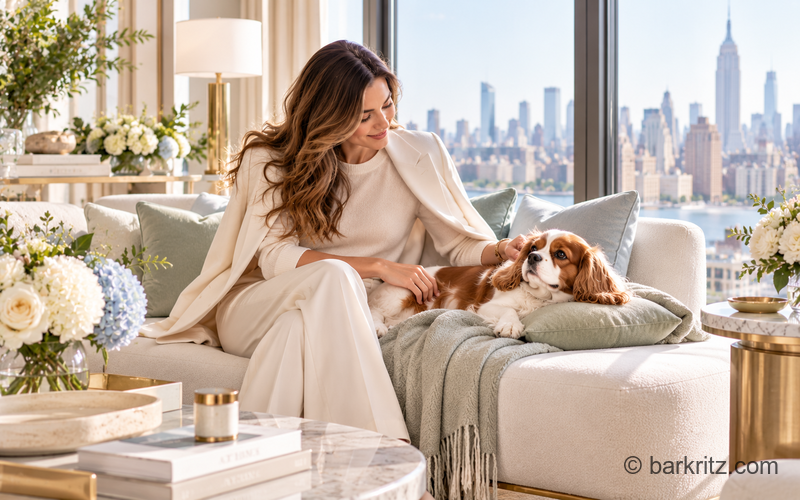
For discerning pet owners, exceptional care extends far beyond exquisite grooming, bespoke accessories, and beautifully appointed living spaces. Emotional well-being is equally essential to a pet’s quality of life, particularly when a refined lifestyle introduces unfamiliar environments, frequent travel, changing routines, or extended periods apart from beloved companions. Anxiety can affect any animal, regardless of breed, pedigree, or the standard of care it receives. Recognizing its earliest signs and responding with consistency, patience, and professional guidance can help transform an unsettled companion into a more confident and comfortable member of the household.
How Can You Recognize Anxiety in a Well-Cared-For Pet?
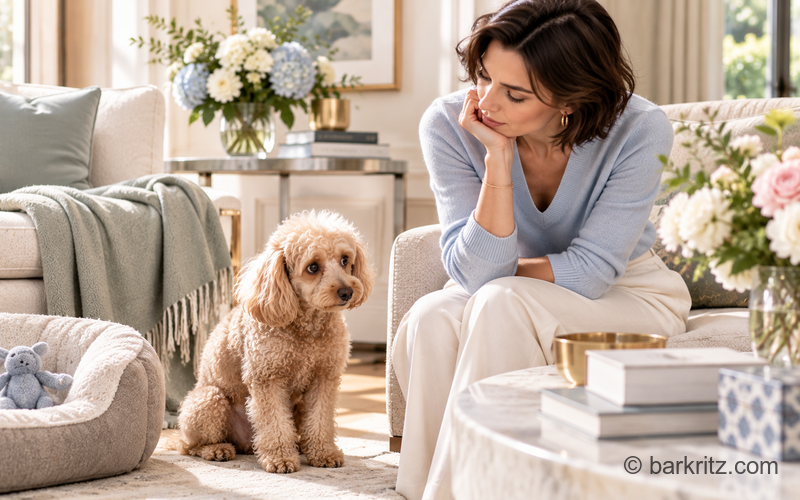
Anxiety is best recognized through subtle changes in a pet’s normal behavior, body language, appetite, and daily habits rather than through any single isolated symptom.
Even animals surrounded by attentive caregivers and comfortable amenities can experience fear or emotional distress. Dogs may pace repeatedly, pant without an obvious physical cause, tremble, whine, hide, or follow their owners from room to room. Cats may withdraw, groom excessively, vocalize more frequently, or become unusually sensitive to handling. Some pets express discomfort through destructive behavior, inappropriate elimination, or sudden resistance to activities they previously enjoyed.
Owners should pay particular attention to patterns. A dog that becomes distressed whenever a handbag appears near the door may be anticipating separation, while a cat that retreats whenever visitors arrive may be responding to unfamiliar people, sounds, or changes in its territory.
Common signs worth monitoring include:
- Physical indicators: trembling, excessive panting, restlessness, drooling, or changes in posture.
- Behavioral changes: hiding, destructive chewing, persistent vocalization, excessive attachment, or unusual aggression.
- Daily routine disruptions: reduced appetite, altered sleep, reluctance to walk, or changes in litter-box habits.
- Context-specific reactions: distress during thunderstorms, car journeys, grooming appointments, social gatherings, or time spent alone.
These observations are useful starting points, not a diagnosis. Sudden behavioral changes can also indicate pain or an underlying medical condition, making veterinary assessment particularly important when symptoms appear unexpectedly, intensify, or persist.
Which Environmental Changes Help Pets Feel Safe and Secure?
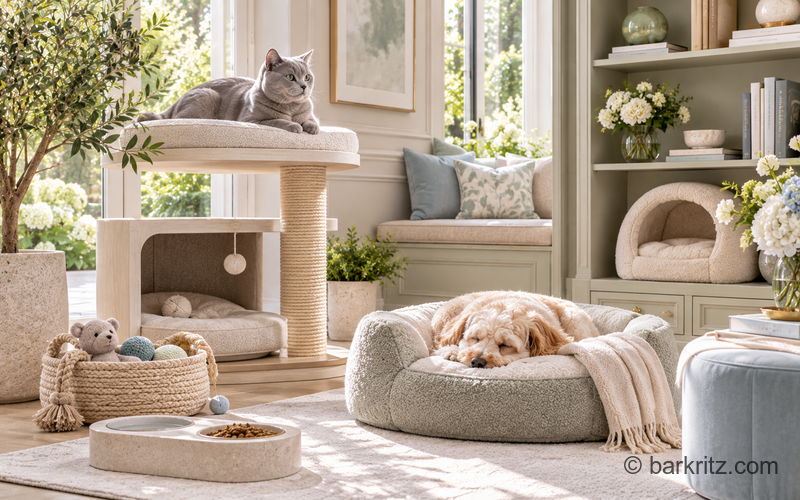
The most effective environment for an anxious pet combines predictable routines, a familiar retreat, appropriate sensory stimulation, and the freedom to disengage from overwhelming situations.
Beautiful interiors and carefully selected accessories can complement a pet-friendly home, but emotional security depends more on how the space functions than on how it looks. Animals benefit from knowing where they can rest undisturbed, access water, retreat from visitors, and observe household activity without being expected to participate.
Create a dedicated sanctuary with a comfortable bed, familiar blankets, favorite toys, and access to fresh water. For cats, elevated resting places, hiding spaces, scratching surfaces, and separate feeding and litter areas can provide valuable control over their surroundings. Dogs may benefit from a quiet room or an open crate if they already associate it with comfort; confinement should never be imposed on an animal that finds it frightening.
Consistency matters just as much as physical design. Regular feeding times, predictable walks, familiar bedtime rituals, and gradual transitions between activities help reduce uncertainty. During social occasions, provide a quiet room away from loud conversations, music, unfamiliar guests, and constant movement.
Consider these environmental priorities:
- For noise sensitivity: close windows, soften sudden sounds, and offer a familiar retreat during storms or celebrations.
- For separation-related distress: establish calm departure and return routines rather than making departures emotionally charged events.
- For unfamiliar surroundings: bring familiar bedding, toys, and feeding equipment when staying in a new residence or hotel.
- For multi-pet households: provide separate resting areas and resources so each animal can withdraw without competition.
A well-designed environment should offer choices rather than enforce isolation. The objective is to help a pet feel safe enough to relax, explore, and engage with the household at its own pace.
How Can Training and Daily Rituals Reduce Pet Anxiety?
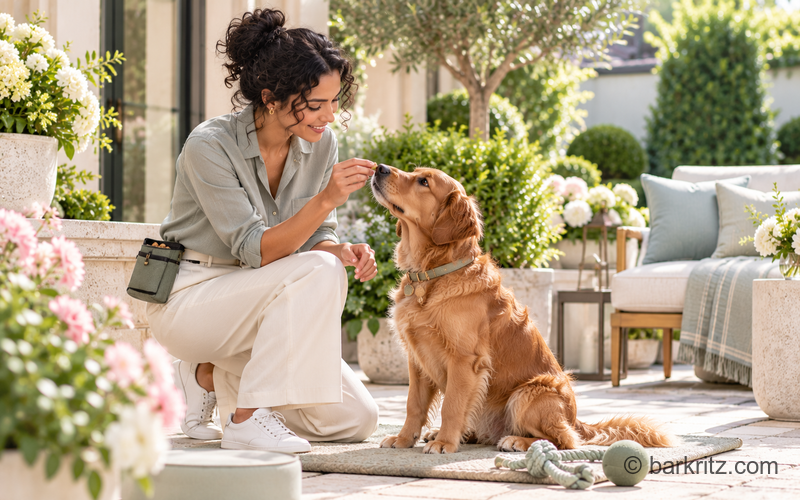
Consistent, reward-based training and carefully structured daily rituals can help anxious pets develop confidence by making unfamiliar experiences more predictable and manageable.
Animals learn through repeated associations, which means everyday interactions can either reinforce fear or gradually build resilience. Reward-based methods encourage desirable behavior through treats, praise, play, or other meaningful rewards without relying on intimidation or punishment.
For dogs, short training sessions can reinforce relaxed responses to doorbells, visitors, handling, or departures. For cats, interactive play, food puzzles, and opportunities to explore at their own pace can support confidence and provide healthy mental stimulation. Sessions should remain brief enough to prevent frustration, with difficulty increasing only when the animal appears comfortable.
When a pet fears a particular situation, gradual desensitization and counterconditioning may be helpful. These techniques involve introducing a trigger at an intensity the animal can tolerate while creating positive associations with its presence. A dog distressed by car journeys, for example, might begin by approaching a stationary vehicle, receiving rewards nearby, and progressing toward brief, comfortable experiences over time.
Several principles make these routines more effective:
- Predictability over intensity: frequent, manageable sessions are generally more useful than occasional overwhelming experiences.
- Positive reinforcement over punishment: rewarding calm behavior helps build trust, whereas punishment can increase fear.
- Gradual exposure over forced confrontation: the animal should remain below its threshold of distress whenever possible.
- Consistency across caregivers: everyone involved should use similar cues, expectations, and reward strategies.
Never force an anxious animal to remain in a frightening situation in the hope that it will eventually adjust. Flooding an animal with an intense trigger can worsen fear rather than resolve it. Persistent or severe anxiety may require a qualified veterinary behaviorist or another appropriately credentialed behavior professional to develop an individualized plan.
What Should You Consider When Traveling or Socializing With an Anxious Pet?
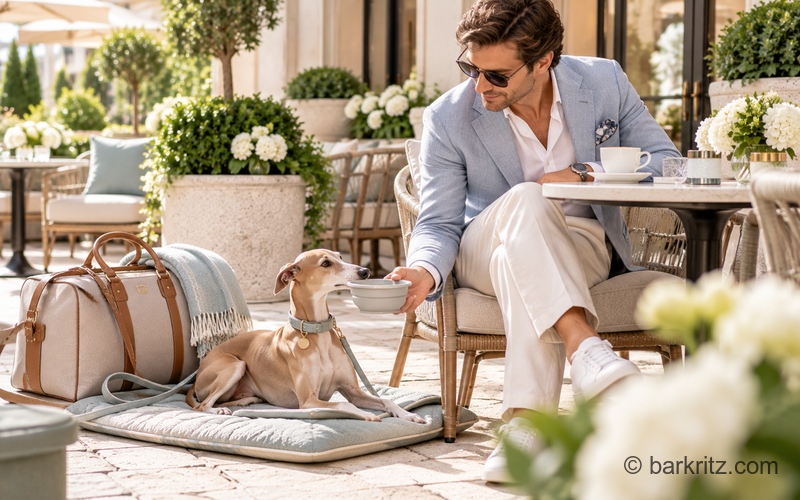
Travel and social activities are most suitable for anxious pets when their individual temperament, physical needs, and tolerance for change take priority over the owner’s preferred itinerary.
A pet that enjoys familiar walks and quiet evenings may find a crowded restaurant, busy hotel lobby, or long-distance journey overwhelming. Another animal may thrive in new surroundings when given time to investigate and access to a familiar person. There is no universal standard for how much stimulation a pet should tolerate, and even animals of the same breed can respond very differently.
Before arranging a trip, assess how your companion handles transport, unfamiliar people, changes in routine, and separation from home. Discuss significant concerns with a veterinarian, especially if the journey involves air travel, prolonged confinement, or a history of motion sickness or panic.
For a more comfortable experience, consider the following preparations:
- Choose suitable accommodation: confirm pet policies, identify nearby walking areas, and ask about potential sources of noise or disruption.
- Preserve familiar routines: maintain regular feeding, exercise, rest, and medication schedules whenever practical.
- Pack familiar essentials: bring the usual food, water bowl, bedding, leash, identification, and any prescribed medication.
- Plan quiet intervals: allow sufficient downtime between outings rather than filling every hour with activities.
- Respect signs of overload: retreat from crowded spaces when the animal becomes tense, restless, withdrawn, or unusually reactive.
Socialization should not be confused with constant exposure to new experiences. A confident pet can still benefit from solitude, while an anxious one may need carefully managed introductions and the option to leave. If an animal repeatedly shows distress during travel or social outings, a trusted caregiver at home may provide a better experience than bringing the pet along.
When Should You Seek Professional Help for Pet Anxiety?
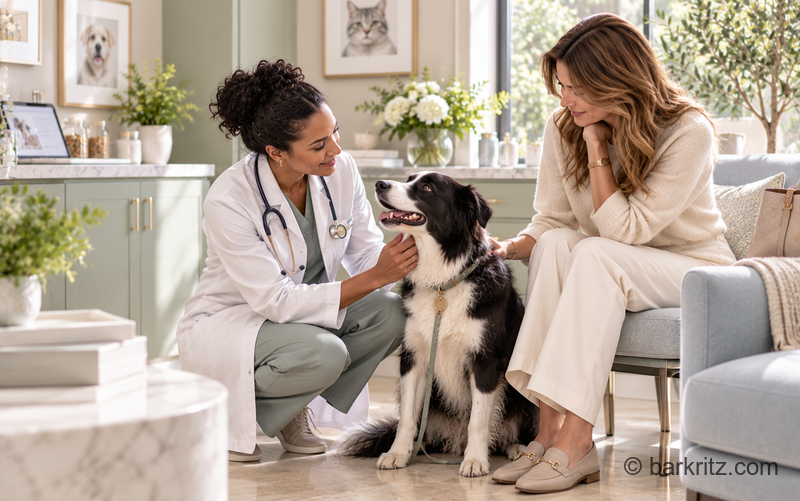
Professional help is warranted when anxiety is persistent, intensifying, interferes with normal activities, or creates a risk of injury to the pet, its caregivers, or other animals.
Occasional nervousness in response to an unfamiliar sound or environment is not necessarily a clinical concern. However, repeated panic, severe separation distress, prolonged hiding, destructive escape attempts, self-injury, aggression associated with fear, or an inability to settle should not be dismissed as personality quirks.
The first step is a veterinary examination to identify or rule out medical contributors, including pain and other conditions that may alter behavior. The veterinarian can then recommend appropriate treatment, which may involve behavior modification, environmental adjustments, referral to a veterinary behaviorist, or medication when clinically indicated.
Medication is not a failure of training or caregiving. For some pets, appropriately prescribed treatment can reduce distress enough to make learning and daily life more manageable. It should always be selected and monitored by a veterinarian; human medications, unverified supplements, and calming products should never be administered without professional advice.
A comprehensive support plan may combine several approaches:
- Veterinary assessment: identifies possible medical causes and establishes a treatment direction.
- Behavioral guidance: addresses specific triggers through individualized training and management.
- Environmental adjustments: reduces unnecessary stress and provides predictable opportunities for rest.
- Ongoing observation: tracks changes in symptoms, appetite, sleep, activity, and responses to treatment.
Keep a simple record of when anxiety occurs, what appears to trigger it, how long the episode lasts, and what helps the animal recover. Such observations can give the veterinary team a clearer picture of the problem and make progress easier to evaluate.
Ultimately, managing anxiety in a cherished companion requires an understanding that emotional security cannot be purchased or designed into existence. It develops through trust, patient observation, appropriate professional care, and respect for an animal’s individual boundaries. When these principles guide daily life, even the most sensitive pet has a better opportunity to feel safe, connected, and genuinely at ease.