

Rare Dog Breeds That Only the Wealthy Can Afford
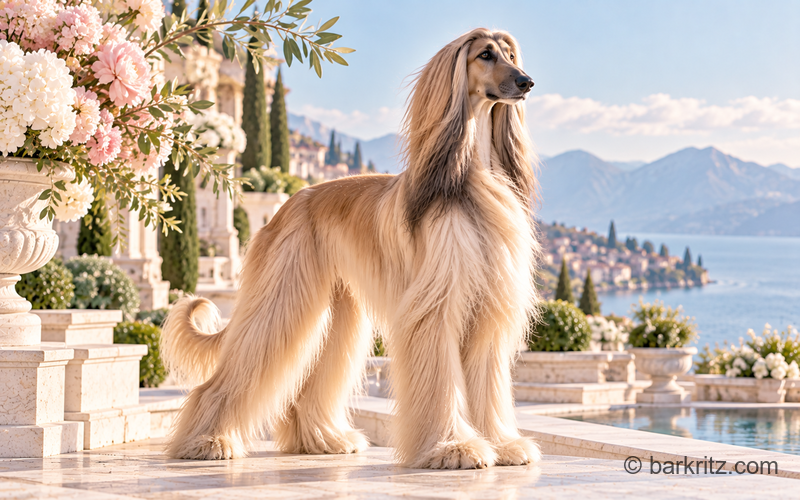
In the rarefied world of exceptional canine breeds, exclusivity is shaped by far more than an impressive price tag. Limited breeding populations, centuries-old bloodlines, specialized care requirements, and the difficulty of finding reputable breeders can make certain dogs extraordinarily expensive to acquire and maintain. For discerning enthusiasts, the appeal lies in distinctive heritage, uncommon physical characteristics, and the privilege of preserving a breed whose future depends on responsible ownership. Yet the true cost of an exceptional companion extends well beyond the initial purchase, encompassing health care, appropriate training, specialist nutrition, and a lifelong commitment to its welfare.
Which Rare Dog Breeds Command the Highest Purchase Prices?
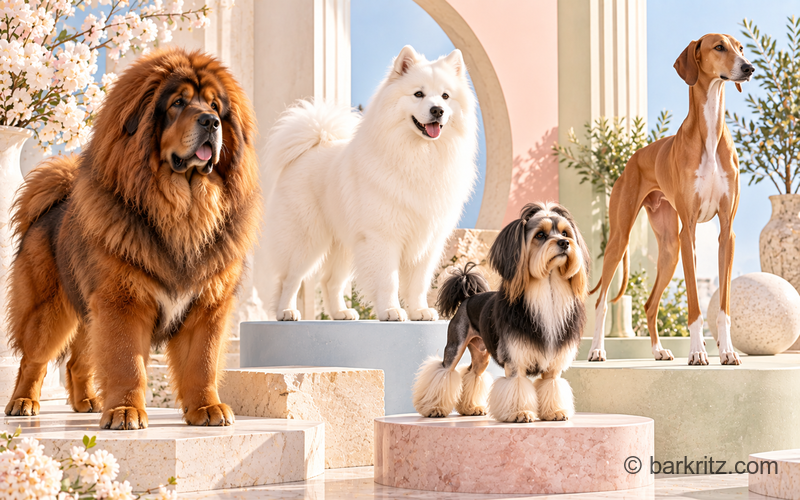
The most expensive rare dog breeds tend to combine limited availability, specialized breeding requirements, and strong demand, although prices vary substantially by country, breeder, pedigree, and individual dog.
Several breeds have developed reputations for commanding premium prices, particularly when puppies come from carefully documented, health-tested lines. The Tibetan Mastiff is frequently associated with extraordinary asking prices in China, while the Samoyed, Löwchen, and Canadian Eskimo Dog can also involve considerable acquisition or import costs in particular markets.
Notable examples include:
- Tibetan Mastiff: A powerful guardian breed originating on the Tibetan Plateau, historically valued for protecting livestock and property in demanding environments.
- Samoyed: A northern working breed recognized for its white coat, characteristic expression, and heritage as a sled dog and companion.
- Löwchen: A small European companion breed sometimes called the Little Lion Dog, notable for its distinctive traditional grooming style and limited population in some regions.
- Canadian Eskimo Dog: A rare Arctic working breed with a long history of pulling sleds and surviving in severe northern conditions.
- Azawakh: An elegant West African sighthound prized for its athletic build, speed, and deep cultural heritage.
There is no universally reliable price ranking for these breeds. Published asking prices can be misleading, particularly when they refer to exceptional individual sales rather than typical transactions. Prospective owners should prioritize reputable breeding practices, documented health screening, temperament, and the long-term suitability of the breed over claims of exclusivity.
Why Is the Tibetan Mastiff Associated With Extraordinary Wealth?
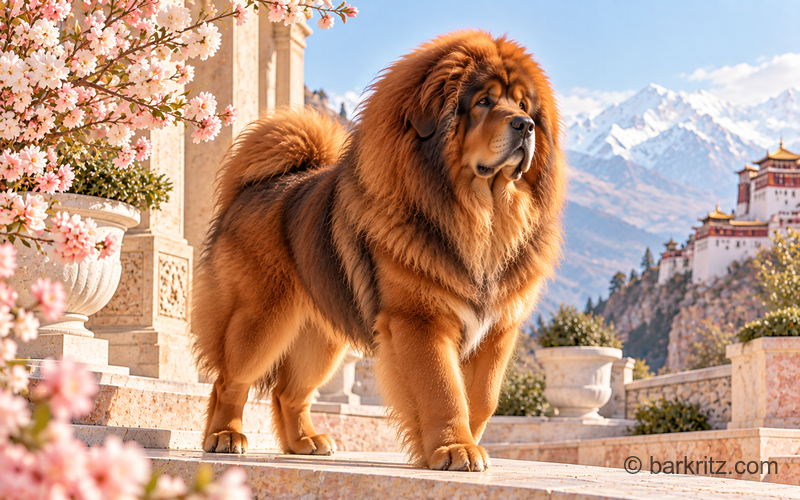
The Tibetan Mastiff has become a symbol of canine prestige because of its imposing appearance, historical guardian role, and occasional headline-making sales, although most responsibly bred dogs do not command the extraordinary sums reported in sensational stories.
Developed in the Himalayan region, this large guardian breed was traditionally used to protect homes, monasteries, and livestock. Its heavy coat, substantial frame, and independent temperament reflect generations of adaptation to challenging environments. Those same characteristics make ownership demanding: the breed needs ample space, consistent management, early socialization, and an owner who understands guardian-dog behavior.
Its reputation for high prices has been amplified by rare high-profile transactions, particularly in China, where certain dogs have been presented as status symbols. Such sales should not be treated as a dependable guide to ordinary market value.
Before choosing a Tibetan Mastiff, prospective owners should consider several practical distinctions:
- Space: A large, powerful guardian generally requires a secure environment and room to move comfortably.
- Temperament: Independence and territorial instincts call for thoughtful socialization and experienced handling.
- Climate: The dense coat is adapted to colder conditions, so heat management is essential in warmer climates.
- Ongoing expenditure: Food, grooming, veterinary care, secure fencing, and professional training can add substantially to lifetime costs.
The breed’s appeal is best understood through its heritage and character rather than its price. A responsible placement should match the dog’s needs with an owner’s experience, environment, and ability to provide consistent care.
Which Uncommon Companion Breeds Offer Exclusivity on a Smaller Scale?
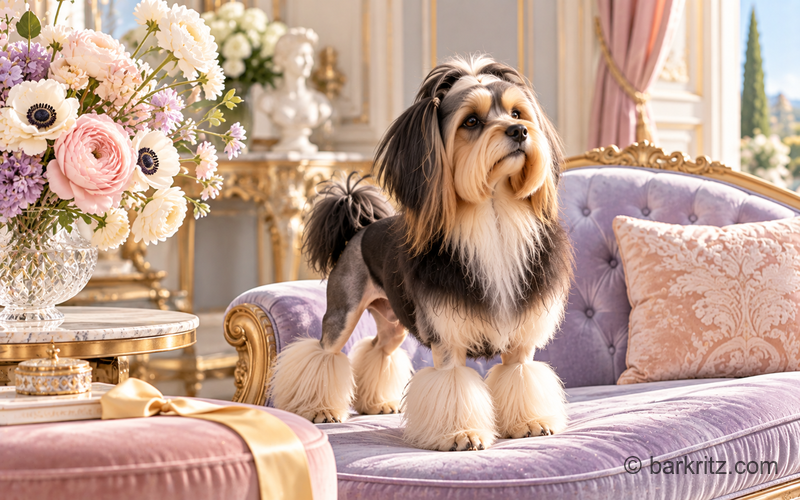
Some of the most sought-after rare breeds are small companion dogs whose limited availability, distinctive appearance, and specialized breeding programs can make them surprisingly costly despite their modest size.
The Löwchen, historically associated with European companion-dog culture, is recognized for its lively disposition and traditional lion-style trim. Its relatively uncommon status in some countries can make locating a responsible breeder more difficult than finding a popular toy breed. Import expenses, health testing, and waiting lists may influence the final cost.
Other small breeds with distinctive histories include:
- Löwchen: An affectionate, alert companion known for its characteristic coat styling and relatively limited population in certain regions.
- Russian Toy: A delicate, energetic companion breed available in smooth-coated and long-coated varieties, with availability varying by country.
- Brussels Griffon: A small, expressive breed with a distinctive face and strong attachment to its people; reputable breeding and health screening remain more important than rarity alone.
- Coton de Tulear: A cheerful companion breed with a soft cotton-like coat, historically associated with Madagascar and now established in several international breeding communities.
These dogs may be physically small, but their care should never be treated as a minor responsibility. Some toy breeds are vulnerable to dental problems, fragile bones, or other size-related concerns, while coat maintenance and regular veterinary examinations remain important regardless of stature.
For buyers, genuine exclusivity means finding a dog whose health, temperament, and breeding history have been carefully considered. A long waiting list is not, by itself, evidence of superior quality.
Which Rare Working and Sighthound Breeds Are Most Difficult to Find?
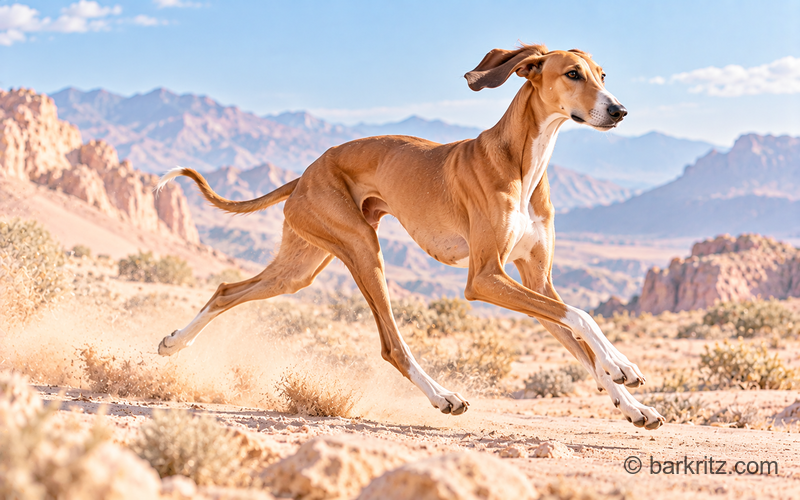
Rare working dogs and sighthounds can be difficult to acquire because their breeding populations are limited, their historical functions are highly specialized, and suitable homes may need to meet demanding exercise or environmental requirements.
The Azawakh illustrates the appeal of a rare, athletic breed with a strong cultural identity. Originating in the Sahel region of West Africa, this slender sighthound was developed for speed, endurance, and life in a demanding climate. It is typically alert and devoted to its household, but it needs appropriate exercise, careful socialization, and secure spaces in which to move.
The Canadian Eskimo Dog represents a very different form of rarity. Historically essential to Arctic transportation and survival, it is a powerful working dog whose welfare depends on appropriate activity, knowledgeable handling, and a climate-conscious lifestyle.
Other uncommon working and primitive breeds include the Thai Ridgeback, known for the distinctive ridge of hair along its back, and the Norwegian Lundehund, a small specialist breed historically used to hunt puffins along steep coastal terrain.
Their differences are considerable:
- Azawakh: A lean, high-speed sighthound with a West African heritage and a need for safe opportunities to run.
- Canadian Eskimo Dog: A robust northern working dog historically associated with sled transport and cold-weather endurance.
- Thai Ridgeback: An athletic, independent breed with a distinctive coat ridge and a need for thoughtful training.
- Norwegian Lundehund: A specialized breed known for unusual anatomical flexibility and a history linked to coastal bird hunting.
Rarity can create challenges beyond price, including limited access to experienced veterinarians, breed-specific expertise, and suitable training resources. Before committing, prospective owners should establish whether they can meet the dog’s exercise, social, environmental, and health-care needs throughout its life.
What Does It Really Cost to Own an Exceptionally Rare Dog?
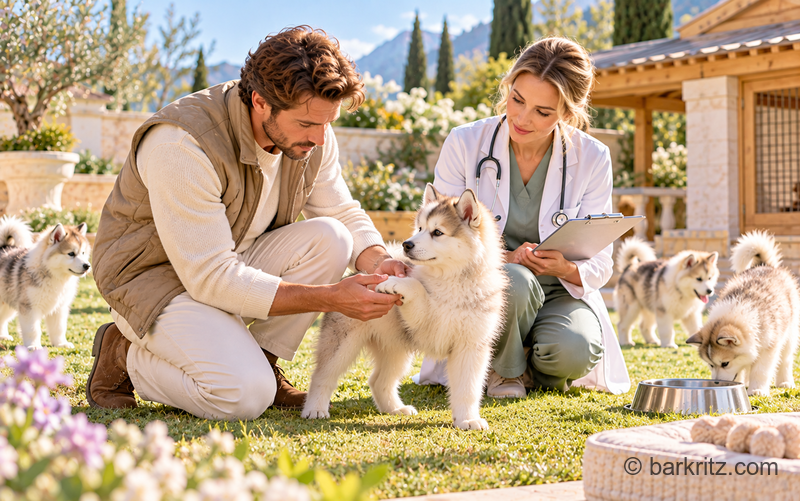
The true cost of an uncommon dog is determined by its lifetime welfare requirements, not simply its purchase price, and responsible owners should budget for routine care, emergencies, training, and breed-specific needs.
The initial acquisition may be only one part of the financial commitment. Importing a dog can involve transport, permits, veterinary certification, and quarantine requirements where applicable. Large breeds may consume substantial quantities of food, while dogs with demanding coats may require regular professional grooming. Training, secure outdoor space, and specialist veterinary care can add further expenses.
A thoughtful ownership budget should account for:
- Acquisition and transport: The purchase price, breeder travel, import fees, and required documentation.
- Routine veterinary care: Preventive examinations, vaccinations, dental care, parasite control, and recommended health screening.
- Breed-appropriate nutrition: A complete diet selected for the dog’s age, size, activity level, and medical needs.
- Training and enrichment: Professional support, safe exercise opportunities, and activities that meet the breed’s behavioral requirements.
- Contingency funds: Savings for unexpected illness, injury, specialist consultations, or emergency treatment.
Responsible buyers should request health records, verify relevant genetic and orthopedic screening, meet the breeder when possible, and assess the conditions in which the puppies are raised. Unusually high prices, claims of guaranteed prestige, or pressure to make an immediate deposit are not evidence of responsible breeding.
Ultimately, the rarest dog is not necessarily the most expensive one. True distinction lies in preserving canine heritage while ensuring that every animal receives a suitable home, attentive care, and a lifetime of commitment. For an informed owner, the greatest privilege is not possessing an uncommon breed, but providing the conditions in which an exceptional companion can thrive.