

How to Travel with a Senior Pet
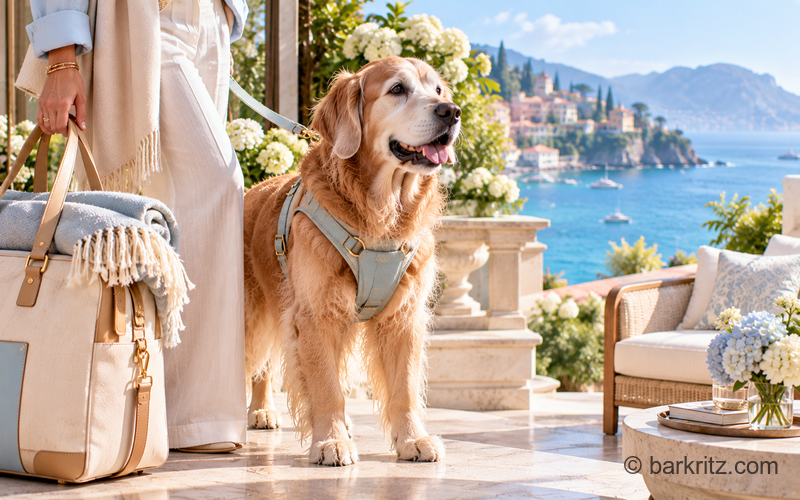
Travel takes on a different character when a beloved companion enters their senior years. The spontaneous weekend escape or transcontinental journey that once required little more than a carrier and a reservation may now call for thoughtful planning, a gentler itinerary, and a closer understanding of changing needs. For New York pet owners accustomed to sophisticated travel, the objective is not simply to bring an older dog or cat along, but to make every stage of the journey comfortable, safe, and rewarding.
Senior pets can continue to enjoy meaningful adventures, from a quiet coastal retreat to a countryside residence or a carefully planned international trip. The key lies in recognizing that age alone does not determine whether travel is appropriate. Mobility, underlying health conditions, temperament, and tolerance for unfamiliar environments all matter. With the right preparation, travel can remain an enriching part of life together while respecting the comfort and dignity of an aging companion.
How Should You Prepare a Senior Pet for a Trip?

The best way to prepare a senior pet for travel is to arrange a veterinary assessment, evaluate the demands of the itinerary, and adapt transportation and accommodation to the animal’s individual health and mobility.
Older pets may experience arthritis, reduced vision or hearing, cardiovascular conditions, kidney disease, or changes in cognitive function. Some conditions remain well managed for years, while others can make a long journey unnecessarily stressful. A pre-travel consultation allows a veterinarian to assess whether the proposed trip is appropriate and recommend any adjustments.
Ideally, schedule the appointment well before departure, particularly when traveling internationally or flying. Discuss the expected duration, climate, planned activities, and access to veterinary care at the destination. If the pet takes prescription medication, confirm the quantity required for the entire trip, the correct storage conditions, and what to do if a dose is missed or delayed.
A senior-pet travel assessment should cover several essential points:
- Mobility: Determine whether the pet can comfortably enter a vehicle, climb steps, stand for transfers, and walk the distances required at the destination.
- Medication: Prepare a written schedule and carry medication in its original packaging, with a reasonable additional supply in case of delays.
- Medical records: Bring vaccination documentation, relevant test results, a current medication list, and your veterinarian’s contact details.
- Identification: Check that the microchip information and identification tag are current, and keep a recent photograph readily accessible.
- Destination suitability: Confirm that accommodation has convenient outdoor access, minimal stairs where possible, suitable flooring, and a quiet place to rest.
Do not introduce a new sedative or calming medication without veterinary guidance. Certain drugs can affect blood pressure, coordination, or temperature regulation, and some are unsuitable for air travel. If anxiety management is necessary, discuss safe options well in advance rather than experimenting on departure day.
The most important decision may be whether the trip should happen at all. A stable senior pet who enjoys familiar routines may travel comfortably, while an animal experiencing uncontrolled pain, breathing difficulties, or significant confusion may be better served by staying at home with trusted care. Thoughtful travel begins with the pet’s needs, not the destination.
What Is the Safest and Most Comfortable Way to Transport an Older Pet?
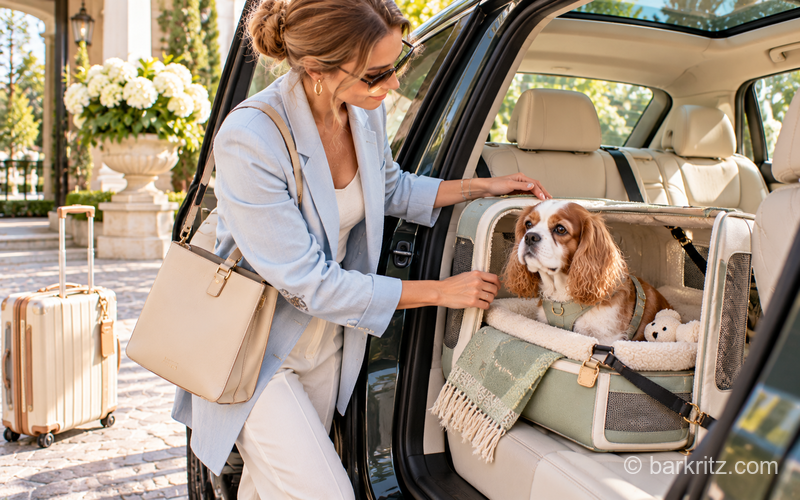
For most senior pets, the best transportation method is the one that minimizes physical strain, temperature extremes, prolonged confinement, and exposure to unfamiliar or stressful situations.
A private vehicle often offers the greatest flexibility because owners can control the temperature, take breaks, and adjust the journey around the animal’s comfort. Air travel may be appropriate for some older pets, but it requires more careful evaluation because airport procedures, noise, waiting periods, pressure changes, and limited opportunities for movement can create additional challenges.
For a road journey, plan shorter driving intervals when practical and allow sufficient time for toileting, hydration, gentle movement, and rest. The ideal frequency and duration of breaks depend on the pet’s medical needs, mobility, and ability to settle comfortably. A dog with arthritis may benefit from frequent opportunities to change position, while a cat may feel safer remaining in a secure carrier during stops.
A few transportation principles can make a meaningful difference:
- Private car: Offers flexible stops, familiar surroundings, and direct control over temperature and noise.
- Commercial flight: Requires advance confirmation of airline rules, carrier dimensions, health documentation, and whether the pet can travel in the cabin.
- Train travel: May offer a smoother alternative on some routes, but pet policies, crowding, transfers, and station accessibility must be checked.
- Pet transport services: Can help with complex journeys, provided the provider has appropriate experience, transparent safety procedures, and a plan for senior animals.
Regardless of transport mode, use a secure, appropriately sized carrier or a properly fitted vehicle restraint. Never allow a pet to roam freely in a moving car, and do not place a carrier where it can slide or tip. For dogs with joint discomfort, a nonslip ramp or stable step can reduce the strain of entering and leaving the vehicle. Lift only when necessary and use a technique recommended by a veterinary professional if the animal is heavy or has spinal or orthopedic problems.
Temperature management is particularly important. Older animals may regulate body temperature less effectively, and enclosed vehicles can become dangerously hot even when the weather feels mild. Never leave a pet unattended in a parked car. Maintain comfortable ventilation, provide water when appropriate, and watch for signs of distress, including unusual panting, weakness, restlessness, or disorientation.
For air travel, consult the veterinarian and airline before booking. Some senior pets should avoid flying because of their health conditions, and cargo travel may present additional risks for animals with impaired mobility, breathing problems, or temperature sensitivity. A direct route, when feasible, can reduce transfers and handling. If the journey is not medically advisable, a different destination or transportation method may be the more considerate choice.
How Can You Make a Hotel or Vacation Rental Senior-Pet Friendly?

The ideal accommodation for a senior pet combines convenient access, a quiet sleeping area, safe flooring, predictable routines, and enough space to move without unnecessary physical effort.
A beautifully appointed hotel is not automatically suitable for an aging companion. Marble stairs, slippery floors, distant elevators, noisy corridors, and long walks to outdoor relief areas can turn an otherwise attractive property into a daily obstacle course. Before booking, assess the layout as carefully as the room category.
In New York and other major cities, request a room near an elevator or on a convenient lower floor when appropriate, while also considering noise levels and emergency access. For a countryside stay, verify that outdoor areas are securely enclosed and that uneven terrain, steep steps, or nearby roads will not create difficulties. A vacation rental with a ground-floor bedroom and direct garden access may be more practical than a larger property with multiple staircases.
Before confirming the reservation, ask about:
- Accessibility: Elevator access, low thresholds, ramps, and minimal stairs between the room and outdoor areas.
- Flooring: Nonslip surfaces or permission to use washable rugs in areas where the pet walks and rests.
- Resting arrangements: Space for a familiar bed, easy access to water, and a quiet corner away from doors and foot traffic.
- Outdoor access: The distance to appropriate toileting areas, secure fencing, and the availability of shaded spaces.
- Nearby veterinary care: The location of an emergency clinic and whether the property can assist with transportation if needed.
Bring familiar items from home, including bedding, food and water bowls, grooming supplies, and a few well-loved toys. Their scent can make an unfamiliar room feel more reassuring. Keep feeding, medication, toileting, and bedtime routines as consistent as possible, particularly for animals that become unsettled by changes in their environment.
Avoid scheduling a full itinerary immediately after arrival. Allow time for the pet to explore the room at their own pace, identify resting and toileting areas, and recover from transportation. A senior companion may enjoy a shorter outing followed by a long, uninterrupted rest more than a packed day of sightseeing.
Luxury travel for an older pet is ultimately measured by ease rather than excess. A convenient room, attentive service, a peaceful atmosphere, and a comfortable bed can contribute far more to the experience than elaborate amenities that the animal cannot use.
What Should You Pack for a Senior Pet’s Comfort and Medical Needs?

A senior pet’s travel kit should include essential medical supplies, familiar comfort items, appropriate mobility aids, food, water, and practical equipment for managing the animal’s daily routine away from home.
Packing for an older companion requires more than the standard leash, carrier, and food container. A pet with arthritis may need help navigating stairs, while an animal with reduced vision may rely on familiar bedding and a consistent room layout. Those receiving regular treatment may need careful medication storage and a reliable dosing schedule throughout the journey.
Prepare a dedicated bag that remains accessible rather than packing everything into checked luggage or the deepest part of the car. Keep critical supplies together so that medication, identification, and medical records are available during delays or unexpected changes.
A considered packing list includes:
- Medical essentials: Prescription medication, written dosing instructions, medical records, vaccination certificates, and your veterinarian’s contact information.
- Food and hydration: The pet’s usual food, treats that are already tolerated, portable bowls, and drinking water for the journey.
- Comfort items: Familiar bedding, a favorite toy, and an appropriate carrier or blanket.
- Mobility equipment: A nonslip mat, a suitable ramp, a supportive harness, or other aids recommended for the individual pet.
- Hygiene supplies: Waste bags, absorbent pads when needed, grooming products, cleaning cloths, and spare bedding.
- Identification and emergency information: Current identification, microchip details, a recent photograph, and contact information for an emergency veterinary clinic near the destination.
Maintain the pet’s usual diet whenever possible. Abrupt food changes can cause digestive upset, which is particularly inconvenient during a journey. If refrigeration is required for medication or food, plan how it will be maintained safely during transit and at the destination.
For pets with limited mobility, consider how they will enter the carrier, vehicle, hotel, or rental property before departure. A ramp should be stable and appropriately angled, while a harness should support the animal without placing pressure on the throat or painful joints. Cats should generally remain in a secure carrier during transport, even if they appear calm.
If traveling across borders, research documentation and entry requirements well ahead of time. Depending on the destination, these may include microchip identification, vaccination records, veterinary certificates, import permits, or other official documentation. Requirements vary by jurisdiction and can change, so confirm the current rules with the relevant authorities and your veterinarian rather than relying on an old checklist.
A well-organized kit reduces avoidable stress and makes it easier to respond calmly when a senior pet needs extra care.
How Can You Recognize When a Senior Pet Needs Rest or Veterinary Attention During Travel?
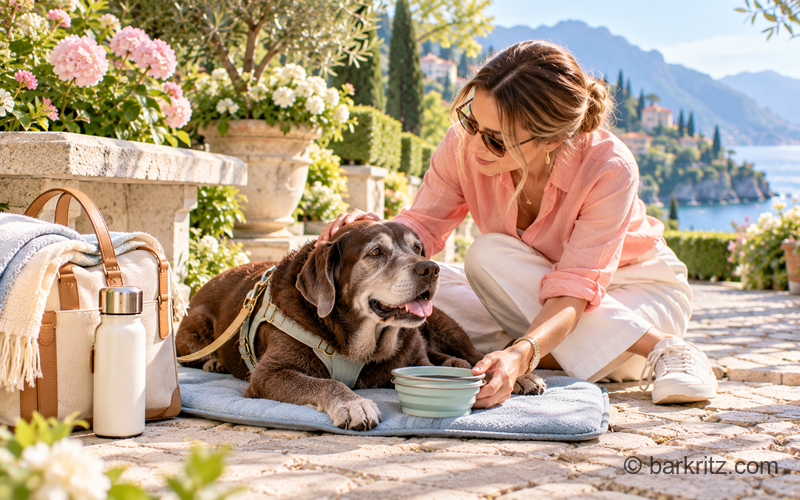
The safest approach is to build generous rest periods into the itinerary and respond promptly to changes in breathing, mobility, appetite, behavior, or awareness rather than expecting an older pet to maintain a younger animal’s pace.
Travel can be tiring even for a healthy senior companion. Unfamiliar sounds, altered routines, long periods of sitting, and changes in temperature may affect an animal more noticeably with age. A quieter schedule allows owners to distinguish ordinary fatigue from signs that the pet is struggling.
Plan one principal activity at a time, with ample opportunity for rest afterward. A gentle neighborhood walk, a brief visit to a pet-friendly outdoor café, or a short excursion to a quiet park may be more rewarding than a long day of sightseeing. Let the pet’s comfort determine the pace, and avoid strenuous exercise in unfamiliar terrain or extreme weather.
Watch for changes such as persistent panting, repeated attempts to lie down, reluctance to walk, trembling, vomiting, diarrhea, unusual vocalization, or refusal to eat and drink. These signs can have many causes, including stress, pain, dehydration, or illness. If symptoms persist, worsen, or seem unusual for the individual animal, contact a veterinarian rather than assuming that age or travel fatigue explains them.
Seek urgent veterinary attention for difficulty breathing, collapse, seizures, severe weakness, pale or bluish gums, sudden inability to stand, or signs of significant pain. Heat-related illness can also become an emergency quickly, especially when accompanied by excessive panting, drooling, vomiting, confusion, or collapse. Do not delay care while trying to complete the itinerary.
For a more comfortable journey, follow a few simple principles:
- Keep plans flexible: Cancel an outing if the pet appears tired, uncomfortable, or unsettled.
- Preserve familiar routines: Maintain usual meal times, medication schedules, and sleep patterns as closely as possible.
- Limit physical demands: Choose accessible routes, avoid slippery surfaces, and provide assistance when needed.
- Monitor recovery: Notice whether the animal returns to their normal behavior after rest or continues to show signs of discomfort.
- Know where to seek help: Identify a nearby veterinary clinic before arrival and keep emergency contact information readily available.
When the trip ends, allow time to recover at home. Return to familiar routines, monitor appetite and mobility, and contact the veterinarian if the animal does not return to their usual condition.
The most successful journey with a senior pet is not defined by the number of destinations visited or the photographs collected along the way. It is defined by the comfort of the companion beside you, the confidence that their needs have been respected, and the shared pleasure of discovering somewhere new without unnecessary strain. With thoughtful preparation and a willingness to adapt, travel can remain a rewarding part of life together throughout the senior years.