

How to Create a Wellness Plan for Multi-Pet Households
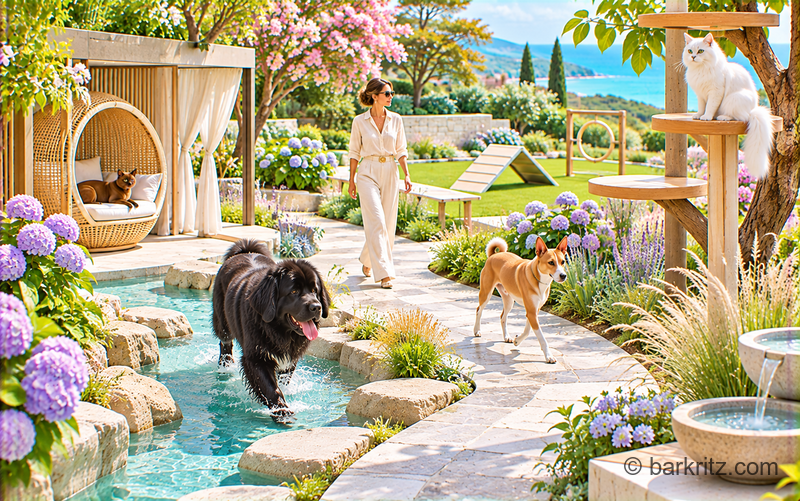
A home shared by several pets has a particular rhythm: different personalities, individual routines, distinct nutritional requirements, and varying approaches to play, rest, and companionship. Whether a household includes two dogs, several cats, or a combination of species, maintaining everyone’s well-being requires more than simply providing food, comfortable beds, and regular veterinary appointments.
A thoughtfully designed wellness plan brings these responsibilities together in a coordinated approach. It recognizes that every animal has individual health requirements while establishing household routines that support physical fitness, emotional balance, preventive care, and harmonious relationships between companions.
For discerning pet owners, the objective is not to impose an identical lifestyle on every animal, but to create an environment in which each companion receives precisely the attention it needs. With careful organization and consistent observation, even a complex multi-pet household can enjoy a more balanced and rewarding daily routine.
How Should You Assess the Individual Wellness Needs of Every Pet?
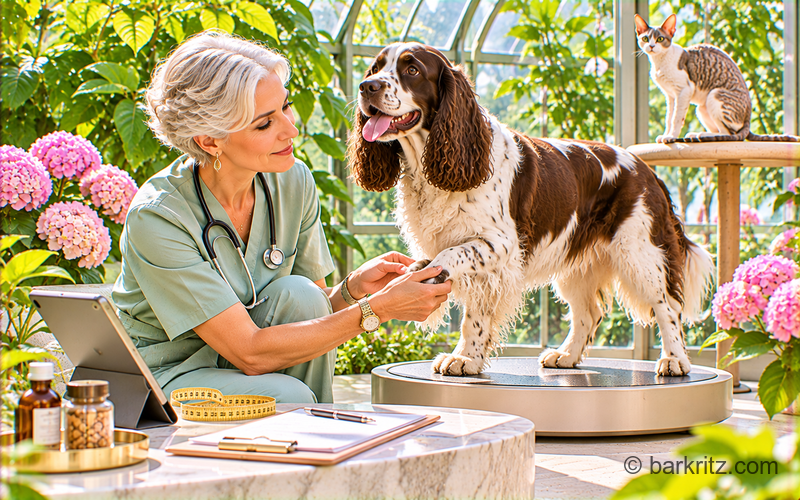
An effective multi-pet wellness plan begins with an individual assessment of each animal’s age, breed, medical history, temperament, activity level, and nutritional requirements.
Even pets of the same species can have remarkably different needs. A senior Labrador may require joint-health monitoring and moderate exercise, while a young Border Collie in the same household may need considerably more physical activity and mental stimulation. Similarly, an indoor cat with a sedentary lifestyle may require a different nutritional approach from an energetic younger feline.
Begin by creating an individual wellness profile for every companion, recording the information most relevant to its health and daily care.
Important details include:
- Age and life stage: puppies, kittens, adults, and senior animals have different nutritional, exercise, and preventive-care requirements.
- Breed characteristics: inherited tendencies, body structure, coat type, and breed-related health considerations can influence the care routine.
- Medical history: document previous illnesses, surgeries, allergies, chronic conditions, medications, and known sensitivities.
- Body condition: monitor weight and body condition regularly rather than relying on appearance alone.
- Activity requirements: distinguish between animals that need vigorous exercise and those better suited to gentle, shorter activities.
- Behavioral characteristics: record anxiety triggers, social preferences, resource-guarding tendencies, and interactions with other household animals.
A practical approach is to maintain a separate veterinary record for each pet, including vaccination dates, parasite-prevention treatments, dental assessments, laboratory results, and upcoming appointments.
It is also important to establish individual baseline observations. Note each animal’s normal appetite, drinking habits, sleeping patterns, energy level, and bathroom routine. Changes in these patterns can sometimes provide early indications that veterinary attention is needed.
The resulting profiles become the foundation of the household wellness plan. They allow owners to coordinate care without overlooking the individual differences that make every companion unique.
How Can You Coordinate Nutrition and Feeding Routines in a Multi-Pet Household?
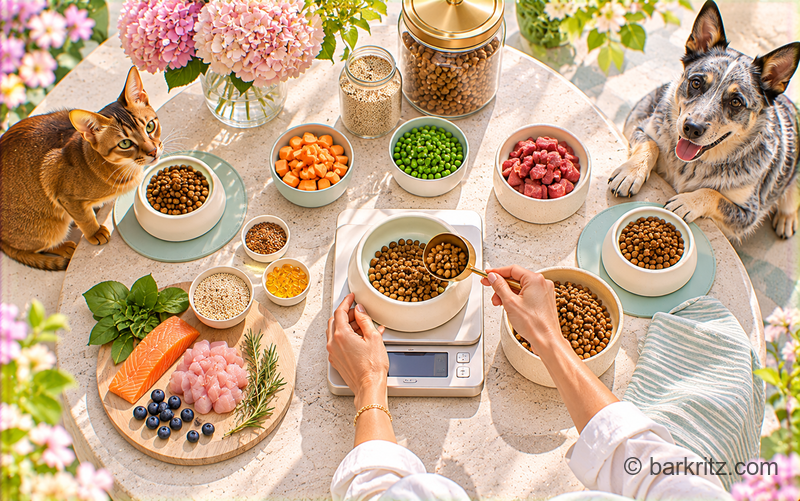
The healthiest feeding arrangement provides every animal with a complete, appropriately portioned diet while preventing competition, food stealing, and unnecessary dietary changes.
Nutrition is one of the most important areas to organize when several pets share a home. Different animals may require different food formulations, portion sizes, feeding frequencies, or veterinary-prescribed diets. Allowing them to eat from shared bowls can make accurate nutritional management considerably more difficult.
A structured feeding system should account for each animal’s individual requirements.
Consider these distinctions:
- Puppies and kittens: generally require age-appropriate diets formulated for growth and development.
- Adult animals: need balanced nutrition matched to their body condition, activity level, and health status.
- Senior pets: may benefit from individually selected diets that account for changing energy requirements and age-related health considerations.
- Animals with medical conditions: may require veterinary-prescribed therapeutic diets, with strict attention to consistency.
- Pets with different activity levels: may need different calorie allocations even when they are similar in size.
Portion control is particularly important in households where animals have access to one another’s food. A dog that regularly finishes a cat’s leftovers, for example, may consume more calories than intended, while the cat may not receive its complete daily ration.
Separate feeding stations are therefore preferable. Cats can be fed in elevated or otherwise protected areas where dogs cannot reach their bowls, while animals that eat at different speeds should have enough distance and supervision to prevent competition.
A coordinated feeding routine should include:
- Individual bowls and clearly identified food containers.
- Measured portions based on veterinary recommendations and the food’s nutritional information.
- Consistent feeding times where appropriate.
- Fresh drinking water available throughout the day.
- Monitoring of food intake, appetite, and body weight.
- Secure storage of food and supplements to prevent accidental access.
Treats should also be included in the daily nutritional calculation. Frequent rewards given by several family members can contribute substantial additional calories without anyone realizing how much an animal is consuming.
For pets with specific medical or dietary requirements, owners should consult their veterinarian before introducing supplements, changing food formulations, or adopting raw-feeding practices.
A well-organized feeding system makes nutrition more predictable, reduces competition, and allows owners to recognize changes in appetite before they become more significant concerns.
How Can You Design Exercise and Mental Enrichment for Pets With Different Needs?

A successful multi-pet exercise routine combines individual activity schedules with shared experiences that are appropriate for the species, physical abilities, and temperaments of the animals involved.
Not every companion needs the same amount or type of exercise. A young sporting dog may benefit from structured walks, training, and interactive games, while an older dog may be more comfortable with several shorter outings. Cats, meanwhile, benefit from opportunities to climb, explore, stalk toys, and engage in activities that stimulate natural hunting behaviors.
The most effective household plan distinguishes between individual enrichment and activities that pets can safely enjoy together.
For dogs, consider a combination of:
- Daily walks adjusted to age, breed, fitness, and veterinary guidance.
- Supervised games involving retrieving, scent work, or problem-solving.
- Short training sessions that reinforce useful behaviors.
- Appropriate opportunities for social interaction and exploration.
For cats, enrichment can include:
- Interactive wand toys that encourage controlled chasing and stalking.
- Climbing trees, elevated resting platforms, and secure observation points.
- Food puzzles and foraging activities.
- Rotating toys and introducing new forms of environmental stimulation.
For households containing both dogs and cats, shared activities should never be forced. A dog may enjoy resting near a cat, but that does not mean the cat wants to participate in the dog’s play routine. Cats should always have access to elevated escape routes and private resting areas.
Exercise should also be adapted as animals age or develop medical conditions. Pets with joint problems, heart disease, respiratory difficulties, or mobility limitations may need carefully modified activity plans.
A useful weekly structure might include:
- Daily: walks or appropriate physical activity, interactive play, and opportunities for exploration.
- Several times a week: structured training, scent games, puzzle feeding, or more challenging enrichment.
- Regularly: inspection of toys and equipment, rotation of enrichment materials, and assessment of each animal’s interest and physical comfort.
The quality of enrichment matters more than the number of toys or the duration of every activity. Short, engaging sessions can provide meaningful stimulation without exhausting an animal.
Most importantly, observe how each pet responds. Reluctance to participate, unusual fatigue, stiffness, excessive panting, or changes in movement should not be dismissed as ordinary behavior. Persistent or sudden changes warrant veterinary assessment.
How Can You Maintain Preventive Veterinary Care for Several Pets?
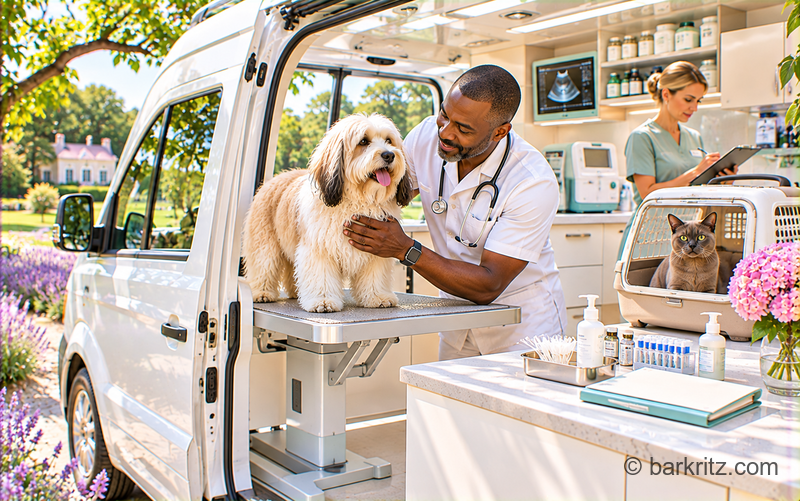
A reliable preventive-care system uses an individual veterinary schedule for each animal, supported by a shared household calendar that keeps appointments, vaccinations, dental assessments, and parasite prevention organized.
When several pets live together, preventive care can become surprisingly complicated. Vaccination dates may differ, medications may require different intervals, and one animal’s health condition may influence the care requirements of another.
A centralized calendar helps prevent missed appointments while preserving individual medical records.
The principal areas of preventive care include:
- Routine examinations: schedule veterinary checkups according to each animal’s age, medical history, and risk factors.
- Vaccinations: follow the vaccination schedule recommended by the veterinarian for the animal’s species, lifestyle, and location.
- Parasite prevention: maintain appropriate flea, tick, and internal parasite prevention according to veterinary advice.
- Dental health: monitor oral hygiene and arrange professional dental assessments when recommended.
- Weight monitoring: record body weight and discuss significant changes with the veterinary team.
- Laboratory screening: consider bloodwork, urine testing, and other investigations when appropriate for age or medical history.
Senior animals and pets with chronic conditions may require more frequent monitoring than healthy young adults. The appropriate interval should be determined individually rather than applying one schedule to the entire household.
Medication management deserves particular attention. Keep each animal’s prescriptions in clearly labeled containers, record administration times, and maintain a separate list of dosage instructions. Never assume that a medication suitable for one pet is safe for another, even if they are the same species.
Multi-pet households should also have a clear emergency plan. Owners should know which veterinary clinic provides after-hours care, how to transport each animal safely, and where essential medical records are stored.
It is useful to keep a dedicated emergency kit containing:
- Individual identification and veterinary information.
- Carriers or secure transport equipment appropriate for each animal.
- Basic pet first-aid supplies.
- Contact details for the regular veterinarian and emergency clinic.
- A list of current medications and known allergies.
Preventive care is most effective when it is consistent and individualized. A shared calendar provides structure, but the veterinarian’s recommendations for each animal should always determine the actual schedule.
How Can You Create a Calm and Harmonious Environment for Multiple Pets?
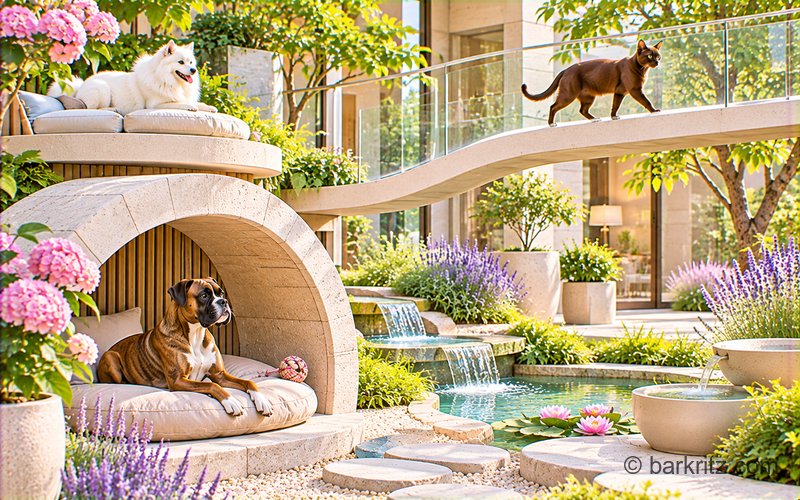
A harmonious multi-pet household depends on predictable routines, sufficient individual resources, appropriate personal space, and careful management of interactions between animals.
Physical health is only one part of a comprehensive wellness plan. Emotional security and social compatibility also influence how comfortably animals live together.
Competition over food, sleeping areas, toys, litter boxes, or attention can create tension even among pets that appear to get along. Providing sufficient resources reduces the need for animals to compete and allows each companion to establish comfortable routines.
A thoughtfully arranged home should include:
- Separate resting spaces: every animal should have a comfortable place where it can relax without interruption.
- Multiple feeding stations: provide enough distance to prevent competition and food-related tension.
- Species-appropriate facilities: cats need accessible litter boxes, scratching surfaces, and elevated spaces, while dogs benefit from suitable beds and designated resting areas.
- Safe retreat areas: allow animals to withdraw from social interaction whenever they choose.
- Predictable routines: maintain reasonably consistent feeding, walking, play, and resting schedules.
- Supervised introductions: introduce unfamiliar animals gradually and monitor their interactions.
For cats, the familiar environmental principle of providing multiple separated resources is particularly useful. In multi-cat households, a commonly recommended starting point is one litter box per cat plus one additional box, distributed in accessible locations rather than grouped together. Individual circumstances, available space, and the cats’ preferences may require adjustments.
Dogs also benefit from clearly defined personal spaces, especially when several animals share toys, beds, or human attention. Owners should observe interactions around high-value resources and intervene appropriately if tension develops.
Emotional wellness also includes meaningful individual attention. A pet should not have to compete constantly for affection or stimulation. Even a few minutes of dedicated grooming, play, training, or quiet companionship can reinforce the relationship between owner and animal.
Watch for behavioral changes such as withdrawal, persistent hiding, inappropriate elimination, excessive vocalization, destructive behavior, or new aggression. These signs may reflect stress, environmental conflict, or an underlying medical problem and should be evaluated rather than automatically treated as disobedience.
Finally, review the household wellness plan regularly. Changes in age, health, household composition, or living arrangements may require adjustments to feeding, exercise, and environmental organization.
A truly successful multi-pet household is not one in which every animal follows the same routine, but one in which individual needs are understood and respected. Through thoughtful nutrition, preventive veterinary care, appropriate enrichment, and a peaceful home environment, owners can create a wellness structure that supports every companion while making shared life more rewarding for the entire family.