

Dog Breeds for Yacht Life and Travel
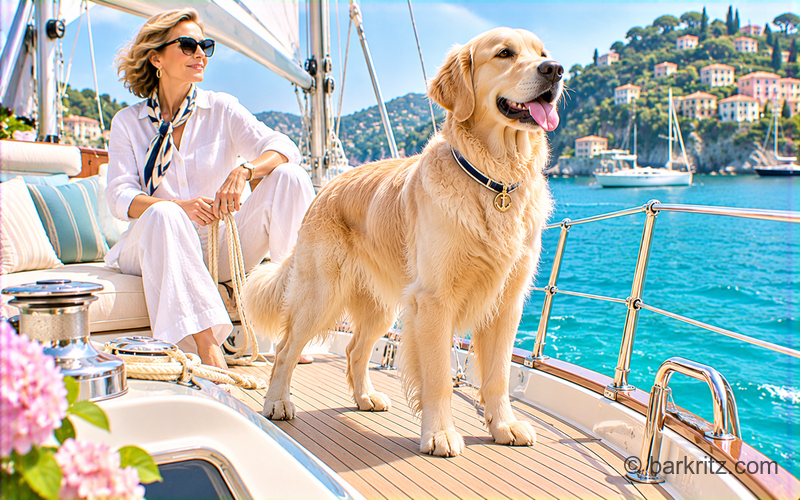
Life aboard a yacht offers an extraordinary combination of freedom, exploration, and time spent surrounded by the sea. For dog owners, sharing that experience with a four-legged companion can make every voyage more memorable, whether cruising along the Mediterranean coastline, exploring secluded Caribbean islands, or spending a summer between private marinas.
Yet not every dog is naturally suited to life on the water. A yacht presents distinctive challenges: limited indoor space, unfamiliar movement underfoot, exposure to sun and wind, steep steps, narrow passages, and the need to remain comfortable around engines, ropes, and changing surroundings. A dog’s temperament, physical characteristics, adaptability, and training are therefore just as important as its appearance.
Certain breeds have qualities that can make them particularly appealing companions for nautical adventures. Others may thrive aboard with thoughtful preparation and an environment adapted to their needs. The ideal yacht dog is not necessarily the smallest or most athletic, but one whose individual personality and requirements are compatible with life at sea.
Which Dog Breeds Are Best Suited to Life Aboard a Yacht?
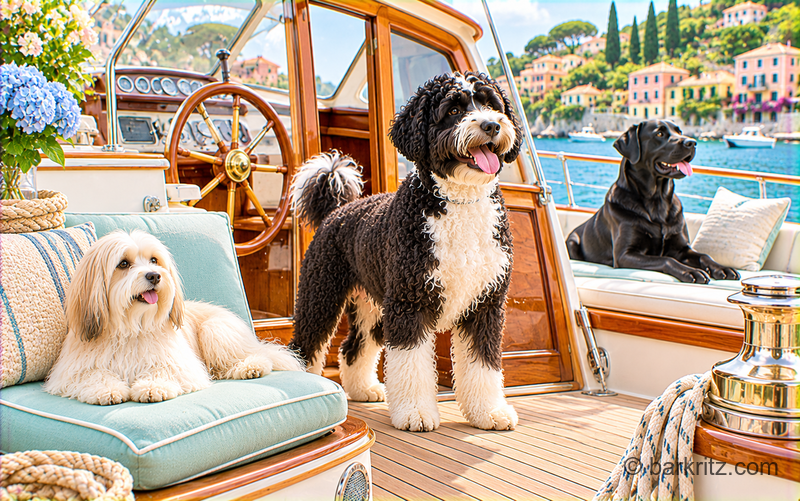
The Portuguese Water Dog, Miniature Poodle, Havanese, Cocker Spaniel, and Labrador Retriever are among the breeds worth considering for yacht life because of their adaptability, companionship, and, in some cases, historical association with water.
Portuguese Water Dog
Developed in Portugal to assist fishermen, the Portuguese Water Dog has one of the most distinctive maritime backgrounds of any companion breed. Traditionally used for retrieving equipment, carrying messages between vessels, and helping with fishing activities, it combines intelligence, athleticism, and an affinity for water. Its curly or wavy coat and strong swimming ability make it an appealing choice for active owners, although regular grooming and careful management of its exercise needs are essential.
Miniature Poodle
Intelligent, responsive, and relatively compact, the Miniature Poodle can be an excellent companion for owners who value an adaptable dog with a manageable physical presence. Its curly coat requires consistent professional grooming, but its trainability can be particularly useful in an environment where reliable commands and calm behavior matter.
Havanese
The Havanese is a sociable, affectionate companion with a compact build and an adaptable temperament. Its smaller size can make movement around a yacht easier, while its desire for human company suits owners who spend much of their time aboard. However, its coat requires regular maintenance, particularly after exposure to saltwater and wind.
English Cocker Spaniel
The English Cocker Spaniel combines an affectionate disposition with an energetic, outdoors-oriented character. Its moderate size makes it more manageable aboard than many larger sporting breeds, while its enthusiasm for exploration can complement an active coastal lifestyle. Owners should pay attention to its long ears and feathered coat, which need careful drying and grooming after swimming.
Labrador Retriever
The Labrador Retriever has a long-standing association with retrieving work around water and is often an excellent companion for active families. Its friendly nature, athletic build, and enthusiasm for swimming can suit owners who enjoy beach excursions and outdoor adventures. Nevertheless, its size means that a yacht must provide adequate floor space, secure resting areas, and safe access on and off the vessel.
These breeds offer different advantages:
- Strong maritime heritage: Portuguese Water Dog and Labrador Retriever.
- Compact dimensions: Havanese and Miniature Poodle.
- Active coastal companionship: English Cocker Spaniel and Portuguese Water Dog.
- Trainability and responsiveness: Poodles and Portuguese Water Dogs.
- Affectionate companionship in confined spaces: Havanese and many individual Miniature Poodles.
Breed tendencies are useful starting points, not guarantees. An individual dog’s confidence, training, age, health, and previous experiences will ultimately determine how comfortably it adapts to life aboard.
Which Small Dog Breeds Are Most Comfortable on a Yacht?
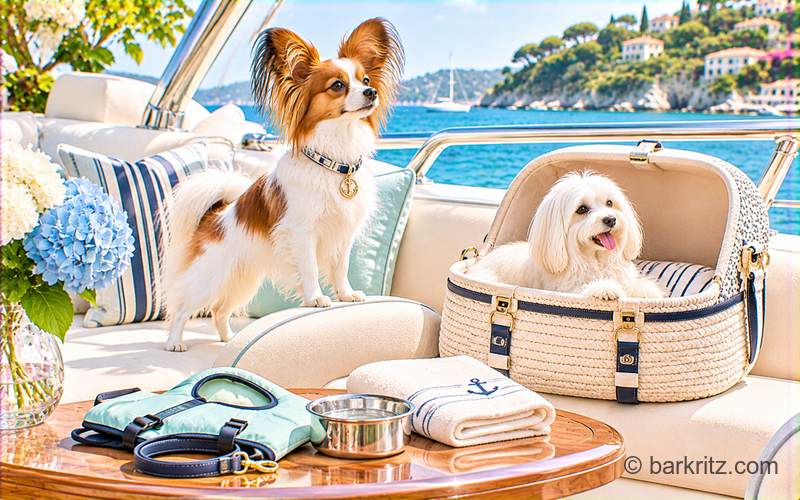
Small, adaptable breeds such as the Havanese, Bichon Frise, Miniature Poodle, Maltese, and Papillon can be particularly convenient yacht companions because they require less physical space and are generally easier to accommodate in compact interiors.
A smaller dog can move more comfortably through narrow passages and may be easier to lift when boarding a tender or navigating steep marina gangways. However, small size alone does not make a dog suitable for sailing. Confidence, balance, noise tolerance, and the ability to settle calmly in unfamiliar surroundings remain essential.
Havanese: Its affectionate, sociable nature makes it a natural companion for owners who spend long periods aboard. It generally enjoys being close to its family and can adapt well to a consistent routine.
Bichon Frise: Cheerful and people-oriented, the Bichon Frise offers a compact, companionable presence. Its coat requires regular grooming, and owners should dry it thoroughly after exposure to sea spray or swimming.
Miniature Poodle: Its intelligence and responsiveness make it particularly attractive for owners who want a small dog capable of learning structured onboard routines. It benefits from mental enrichment as well as physical activity.
Maltese: Elegant and devoted, the Maltese can adapt to a quieter yacht lifestyle, particularly when provided with comfortable resting areas and consistent companionship. Its fine coat requires protection from tangles and careful maintenance.
Papillon: Despite its delicate appearance, the Papillon is an energetic, alert, and intelligent little dog. Its enthusiasm for exploration can be appealing, although owners should pay particular attention to secure deck access and its comfort around moving vessels.
When comparing small breeds for yacht life, consider:
- Grooming requirements: long-coated breeds such as the Maltese and Havanese require more frequent coat maintenance.
- Activity needs: the Papillon and Miniature Poodle benefit from regular mental and physical stimulation.
- Social preferences: Havanese and Bichon Frise dogs often enjoy close human companionship.
- Physical handling: small dogs are easier to lift, but must still be secured safely when moving between vessels.
- Temperature sensitivity: smaller dogs may need additional protection from cold wind, prolonged sun exposure, and wet conditions.
One important consideration is deck safety. Small dogs can slip through openings that would not pose the same risk to larger breeds. Secure barriers, properly fitted canine life jackets, and designated onboard resting areas are therefore essential.
Which Water-Loving Dog Breeds Are Best for Swimming and Coastal Adventures?
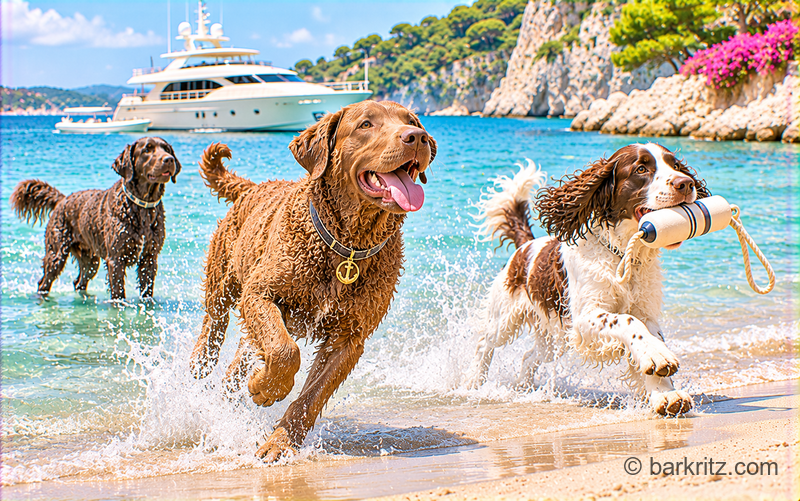
Portuguese Water Dogs, Labrador Retrievers, Golden Retrievers, and certain Spaniel breeds are particularly appealing to owners who enjoy swimming, beach excursions, and active coastal exploration.
Some breeds have historical working backgrounds connected with retrieving or assisting around water, while others simply tend to enjoy swimming as individuals. Their enthusiasm should never be mistaken for an ability to navigate every maritime situation safely.
Portuguese Water Dog: Its maritime heritage is particularly relevant to yacht owners, with a muscular build, webbed feet, and a water-resistant coat. It is an energetic breed that benefits from regular exercise and mental challenges.
Labrador Retriever: Naturally athletic and often enthusiastic about swimming, the Labrador can be an excellent companion for beach visits and water-based recreation. Its substantial build, however, requires a vessel with adequate space and safe boarding arrangements.
Golden Retriever: Friendly, cooperative, and often fond of water, the Golden Retriever can suit owners who enjoy longer coastal excursions. Its dense coat should be rinsed when necessary and thoroughly dried after swimming, especially around the ears and undercoat.
American Water Spaniel: Developed as a versatile hunting and retrieving dog, this medium-sized breed combines athleticism with a distinctive curly or wavy coat. Its energy and water-oriented heritage can make it interesting for active yacht owners, although it needs consistent training and exercise.
English Springer Spaniel: An enthusiastic sporting companion with considerable stamina, the Springer Spaniel may enjoy swimming and exploring beaches. Its long ears and feathered coat require particular attention after saltwater exposure.
Several characteristics distinguish these breeds:
- Portuguese Water Dog: notable maritime working heritage and a strong association with water.
- Labrador Retriever: athletic retrieving background and generally enthusiastic swimming behavior.
- Golden Retriever: cooperative temperament and adaptability to active family outings.
- American Water Spaniel: compact sporting build and historical versatility around water.
- English Springer Spaniel: energetic outdoor temperament and strong scenting instincts.
Regardless of breed, swimming should always be supervised. Currents, waves, cold water, fatigue, and distance from the vessel can create serious risks even for confident swimmers. A dog should wear a properly fitted canine life jacket with a sturdy lifting handle whenever conditions warrant it.
Owners should also remember that swimming in the sea is not the same as swimming in a controlled pool. A dog that enjoys a quiet beach may be uncomfortable around a moving tender, an active marina, or a busy anchorage.
What Temperament and Physical Characteristics Matter Most for Yacht Dogs?
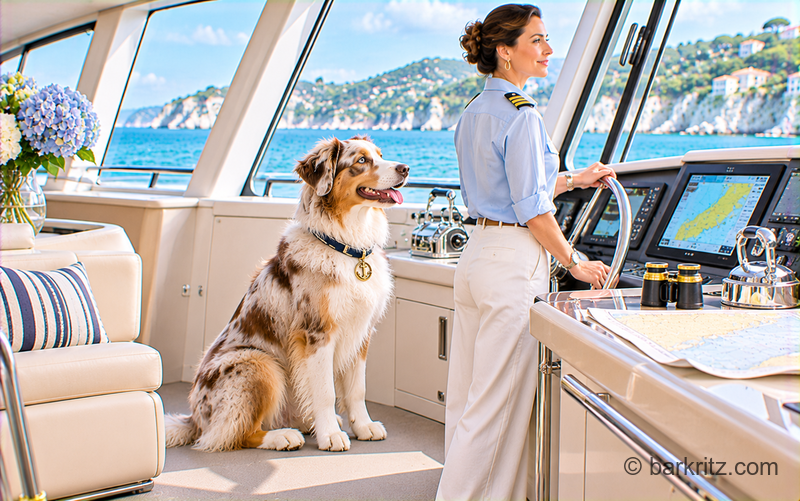
The most suitable yacht companion is confident, adaptable, responsive to training, comfortable with unfamiliar sounds, and physically capable of navigating a carefully secured vessel.
A yacht is a distinctive living environment. Even a spacious vessel has limited room compared with a house, and daily life involves movement, vibration, changing weather, and frequent transitions between enclosed and open spaces. A dog’s ability to remain relaxed under these conditions is often more important than its breed classification.
Several characteristics deserve particular attention.
Temperament and social behavior
A dog should be comfortable spending time near its owners without becoming excessively distressed when routines change. Calm behavior around visitors, crew members, other dogs, and unfamiliar marina environments is also valuable.
Trainability
Reliable responses to basic commands can make onboard life considerably safer. Particularly useful skills include:
- Coming when called, including in distracting environments.
- Staying in a designated resting area.
- Waiting before passing through doors or moving onto a gangway.
- Responding calmly to handling and equipment.
- Accepting a harness and life jacket without resistance.
Physical balance and mobility
Dogs must navigate surfaces that can become wet, slippery, or unstable. Animals with good coordination and comfortable mobility may adapt more easily, although age, joint health, and previous injuries should always be considered.
Tolerance of noise and movement
Engine sounds, wind, dock activity, and changes in vessel movement can unsettle some animals. Gradual exposure to these experiences is preferable to introducing a dog directly into a demanding offshore environment.
Coat and skin characteristics
A dense coat may offer protection in cooler conditions but can retain moisture and require considerable grooming. Short-coated dogs may need additional protection from cold wind and strong sunlight. Every coat type requires attention after exposure to saltwater.
Owners should also consider the dog’s susceptibility to heat. Brachycephalic breeds, including French Bulldogs and Pugs, can be particularly vulnerable to overheating and breathing difficulties. A hot deck, limited airflow, and strenuous activity may create additional risks, making many such dogs less suitable for warm-weather sailing.
Ultimately, the best yacht dog is an animal that can relax as comfortably as it can explore. Confidence, emotional stability, and reliable training are essential qualities for a companion expected to share a vessel with its family.
How Can You Prepare a Dog for Safe and Comfortable Yacht Travel?
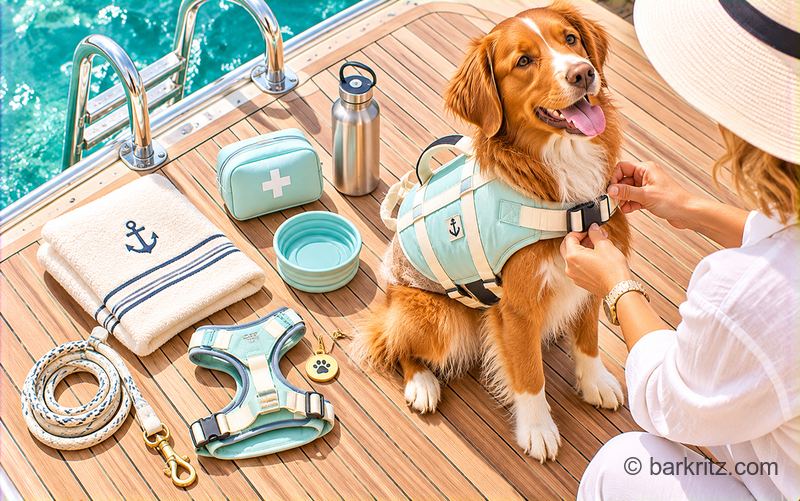
Preparing a dog for yacht travel requires gradual acclimatization, appropriate safety equipment, veterinary planning, and a vessel arranged to accommodate the animal’s everyday needs.
A dog should become familiar with the boat before embarking on a long voyage. Begin with short visits while the vessel is stationary, allowing the animal to investigate its surroundings at its own pace. Gradually introduce engine sounds, movement, boarding procedures, and short trips in calm conditions.
Essential onboard preparations include:
- A properly fitted life jacket: choose a canine-specific design with secure fastening, appropriate buoyancy, and a lifting handle.
- Non-slip surfaces: provide secure footing on deck and in frequently used passageways.
- A designated resting area: create a comfortable, shaded, and well-ventilated space where the dog can retreat.
- Fresh drinking water: provide constant access and prevent the animal from drinking seawater.
- Secure boarding arrangements: use suitable ramps or controlled lifting procedures when moving between the yacht, tender, and shore.
- Identification: ensure that the dog wears appropriate identification and has current microchip information.
- A first-aid kit: include veterinarian-approved supplies and the dog’s essential medical information.
The yacht itself should be inspected from a dog’s perspective. Check gaps in railings, access to engine compartments, exposed ropes, electrical equipment, hot surfaces, and areas where an animal could become trapped. Deck doors and hatches should be managed carefully to prevent accidental falls or escapes.
Grooming is another important part of maritime care. Saltwater can leave residue in the coat and irritate the skin, so rinse the dog with fresh water after swimming when appropriate. Dry the ears, paws, and coat thoroughly, and check the skin for irritation.
Owners should also prepare for motion sickness. Some dogs experience nausea during boat travel, particularly when first introduced to a moving vessel. A veterinarian can advise on gradual acclimatization and appropriate treatment if needed. Never administer human motion-sickness medication without veterinary guidance.
For international voyages, check the animal-entry requirements of every destination and transit country well in advance. Vaccination records, microchip documentation, health certificates, and other permits may be required. Marina regulations and local restrictions should also be confirmed before arrival.
Finally, consider the dog’s individual comfort throughout the journey. Provide regular opportunities for shore walks, appropriate exercise, quiet rest, and familiar routines. Avoid leaving a dog unattended on deck or in a hot enclosed cabin.
A yacht can become an extraordinary home for the right canine companion, offering new landscapes, shared adventures, and a remarkable bond between owner and animal. The secret is choosing a dog whose individual character suits the experience and preparing the vessel with the same attention given to every other member of the crew. For the Four-Legged Elite, life at sea is at its finest when adventure and responsible care sail together.