

Best Organic Pet Foods for Health-Conscious Owners
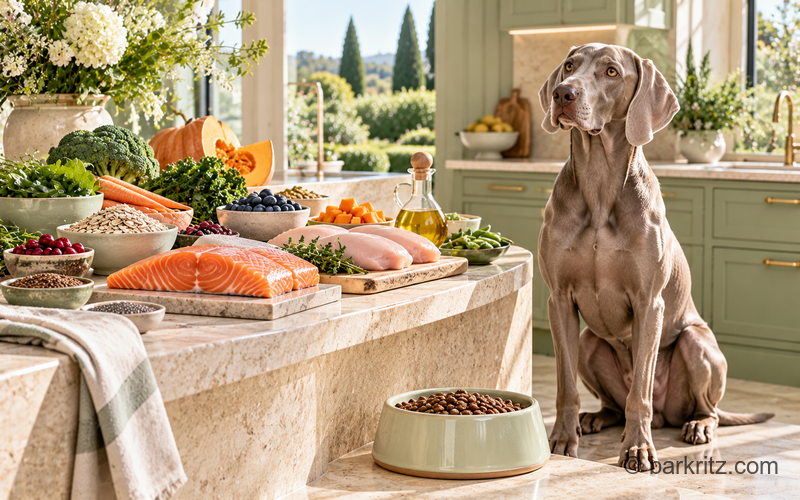
For health-conscious pet owners, choosing an organic diet is about more than following a trend: it is a deliberate decision to pay closer attention to ingredient quality, agricultural practices, nutritional balance, and the long-term well-being of a beloved companion. From carefully sourced proteins to thoughtfully formulated recipes, organic pet foods offer an appealing option for households seeking greater transparency in the bowl. Yet an elegant label alone does not guarantee superior nutrition. The most considered choice balances credible organic certification, complete and balanced formulation, appropriate life-stage nutrition, and the individual needs of each animal.
What Makes Organic Pet Food Worth Considering for a Health-Conscious Household?

Organic pet food is distinguished primarily by how its agricultural ingredients are produced and verified, rather than by an automatic promise of better nutrition. Certified organic ingredients are subject to specific production and handling standards, which may restrict the use of certain synthetic pesticides, fertilizers, and genetically engineered ingredients, depending on the applicable certification system. These standards appeal to owners who value agricultural traceability and a more deliberate approach to sourcing.
However, organic status should never be confused with nutritional completeness. A food made with organic chicken, vegetables, and grains can still be unsuitable if it does not provide the nutrients a pet requires in the correct proportions. Equally, a well-formulated conventional diet may meet an animal’s nutritional needs exceptionally well.
When evaluating an organic product, look beyond the front of the package and consider:
- Certification: Is the organic claim supported by a recognized certification or clearly explained production standard?
- Nutritional adequacy: Is the food formulated to be complete and balanced for the intended species and life stage?
- Ingredient transparency: Are the primary protein sources, fats, carbohydrates, and supplementary nutrients clearly identified?
- Manufacturing standards: Does the company explain its quality-control procedures, food-safety practices, and sourcing policies?
- Individual suitability: Does the formula support the pet’s age, activity level, body condition, and any veterinary dietary recommendations?
The distinction matters because organic certification addresses production practices, while nutritional adequacy concerns the finished food. A conscientious owner should expect both to be considered independently.
Which Organic Pet Food Ingredients Deserve the Closest Attention?
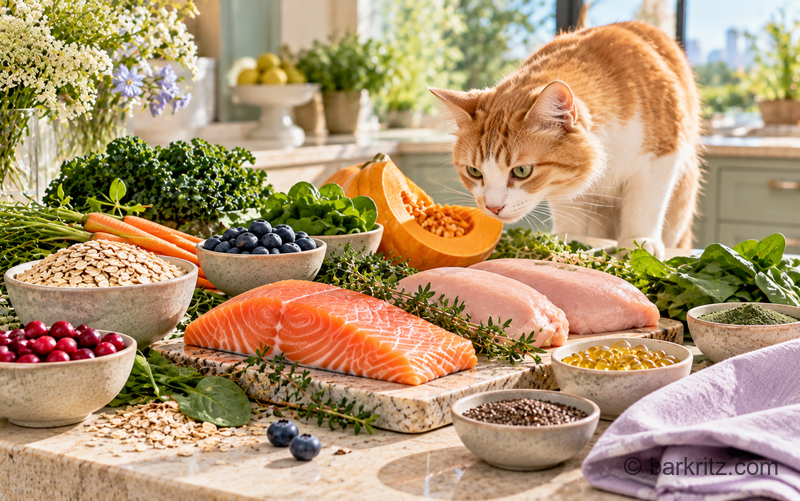
The most valuable ingredients are those that supply appropriate protein, digestible energy, essential fats, vitamins, and minerals in a formulation designed for the animal receiving it. Organic sourcing can add reassurance about agricultural production, but the nutritional contribution of each ingredient remains the central consideration.
For dogs, animal proteins such as chicken, turkey, beef, and fish can provide essential amino acids, while properly formulated plant ingredients may contribute energy, fiber, and micronutrients. Cats have different nutritional requirements: as obligate carnivores, they need a diet formulated to provide nutrients such as taurine, preformed vitamin A, and arachidonic acid in appropriate amounts. An ingredient list alone cannot establish whether these requirements have been met.
Several details deserve particular attention:
- Clearly identified protein sources: Named ingredients make it easier to understand the recipe, although no single protein is inherently best for every pet.
- Appropriate fats: Essential fatty acids support normal skin function, coat condition, and other physiological processes.
- Digestible carbohydrates and fiber: Grains, vegetables, and other plant ingredients can have useful roles when appropriately selected and balanced.
- Vitamins and minerals: A complete food must deliver essential nutrients in suitable amounts, whether they come from ingredients, supplements, or both.
- Controlled calorie density: Even a high-quality organic recipe can contribute to weight gain if portions consistently exceed an animal’s energy needs.
Owners should be cautious about recipes that rely on broad claims such as “natural,” “farm fresh,” or “ancestral” without explaining the nutritional rationale behind the formulation. Likewise, the absence of grains does not automatically make a food healthier, and grain-free diets are not inherently preferable for pets without a relevant dietary indication.
How Can Owners Identify the Best Organic Food for Dogs and Cats?

The best organic food is one that combines verifiable sourcing with complete nutrition, reliable manufacturing, and a formulation appropriate for the individual animal. Rather than choosing solely by brand reputation or packaging, owners should assess the company’s nutritional expertise and the specific purpose of its recipe.
For dogs, a suitable formula should account for life stage, body size, activity, and any special nutritional requirements. Puppies need diets designed for growth, with particular care required for large-breed puppies. Adult dogs generally benefit from an appropriate balance of energy and nutrients that helps maintain a healthy body condition. Senior dogs may require adjustments based on activity, muscle maintenance, dental comfort, or diagnosed health conditions.
Cats require equally careful selection. Kittens need growth-appropriate nutrition, while adult cats benefit from a complete diet that supports lean body condition and normal urinary and digestive function. Cats with medical conditions may require veterinary therapeutic diets; an organic label is not a substitute for those specialized formulations.
Before committing to a product, investigate the following:
- Whether the food is labeled as complete and balanced for the relevant species and life stage.
- Whether the manufacturer employs qualified animal nutrition professionals.
- Whether nutrient analysis and feeding guidance are available.
- Whether the company can explain its testing, ingredient sourcing, and quality-control procedures.
- Whether the recipe suits the pet’s known intolerances, allergies, and medical needs.
A reputable manufacturer should be able to explain what its food provides, how nutritional adequacy is established, and how the finished product is monitored for consistency. Owners who want to change a pet’s diet should also consult a veterinarian when the animal is young, elderly, pregnant, medically vulnerable, or already following a prescribed feeding plan.
Are Fresh, Dry, and Wet Organic Foods Equally Suitable?

Organic dry, wet, and fresh foods can all be appropriate choices when they are complete and balanced, safely manufactured, and matched to a pet’s nutritional requirements. Their differences lie primarily in moisture content, storage, convenience, calorie density, and the way they fit into a household’s feeding routine.
Dry food is convenient to measure, store, and serve, making it practical for owners who need a consistent feeding schedule. Its calorie density means portions should be measured carefully, particularly for indoor cats and less active dogs. Dry kibble should not be assumed to clean teeth effectively unless the specific product has demonstrated dental benefits.
Wet food generally contains substantially more moisture and can be useful for animals that prefer a softer texture or need additional dietary water. It may be especially appealing to some cats, although individual preferences vary. Once opened, wet food requires appropriate refrigeration and careful handling.
Fresh or refrigerated organic recipes may appeal to owners who value visible ingredients and less conventional presentation. Nevertheless, appearance is not a reliable measure of nutritional completeness or safety. Owners should confirm whether the product is intended as a complete diet or as a complementary food, follow storage instructions, and observe strict hygiene practices. Raw diets warrant particular caution because uncooked animal products can carry pathogens that threaten pets and people.
The practical differences can be summarized as follows:
- Organic dry food: Convenient storage, easy portion measurement, and typically concentrated calories.
- Organic wet food: Higher moisture content, a softer texture, and specific refrigeration requirements after opening.
- Fresh cooked organic food: Often attractive to owners seeking a minimally processed presentation, but it still requires verified nutritional balance and careful temperature control.
- Raw organic food: Not automatically safer or more nutritious; organic sourcing does not eliminate microbial hazards.
The ideal format is the one that meets the animal’s nutritional needs, can be handled safely, and remains practical enough for consistent feeding.
How Should Owners Transition to Organic Food Without Disrupting Pet Wellness?

A gradual transition over approximately seven to ten days is a sensible starting point for many healthy pets, allowing the digestive system time to adjust while the owner monitors appetite, stool quality, and overall comfort. Some animals need a slower transition, while pets on veterinary-prescribed diets may require individualized instructions before any change is made.
Begin by mixing a small amount of the new food with the existing diet, then increase its proportion gradually if the pet tolerates it well. Avoid introducing several new foods, treats, and supplements simultaneously, because doing so makes it difficult to identify the cause of any reaction.
During the transition, pay attention to:
- Appetite: Persistent refusal to eat deserves attention, particularly in cats, for whom prolonged food avoidance can become dangerous.
- Digestive changes: Mild temporary changes can occur, but repeated vomiting, significant diarrhea, blood in the stool, or marked discomfort warrant veterinary advice.
- Skin and coat: Observe changes over time rather than assuming that an immediate improvement proves the new food is superior.
- Body condition: Recalculate portions when the calorie density changes and monitor weight regularly.
- Energy and behavior: Look for sustained normal activity, comfortable digestion, and a healthy overall routine.
Owners should also resist the temptation to change food repeatedly in pursuit of a perfect ingredient list. Consistency, adequate nutrition, suitable portions, fresh drinking water, and regular veterinary care are more meaningful foundations for long-term wellness than frequent dietary experimentation.
Ultimately, choosing organic pet food is most rewarding when it reflects a broader commitment to informed care. Verified production standards can help owners make sourcing decisions that align with their values, but the strongest choice remains a complete, balanced, safe, and individually appropriate diet. For the discerning household, true quality is found not in a label alone, but in the combination of thoughtful ingredients, transparent manufacturing, sound nutritional science, and the everyday well-being of the animal.