

How to Manage Weight in Indoor Luxury Cats
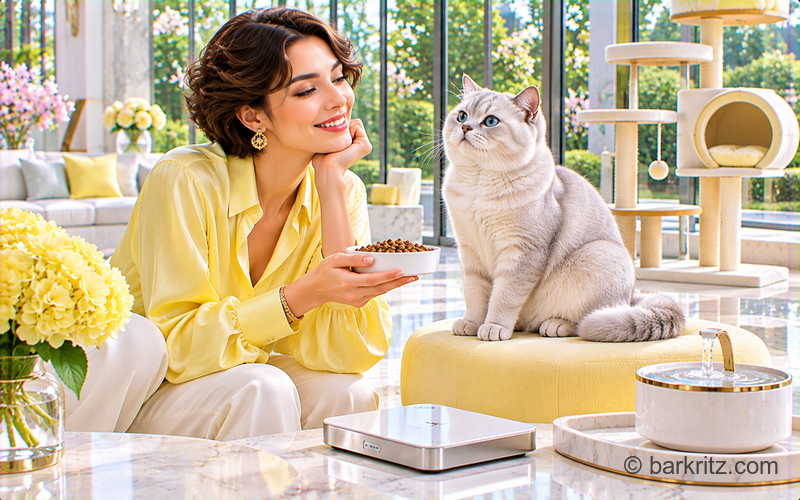
An indoor cat enjoys a life of comfort: beautifully appointed surroundings, carefully selected nutrition, soft resting places, and the reassurance of a familiar home. Yet this exceptionally comfortable lifestyle can present a subtle challenge. Without the natural movement, exploration, and hunting opportunities available to outdoor cats, indoor companions may gradually consume more energy than they expend.
Weight management is therefore an essential part of responsible feline wellness. Excess body weight can increase the risk of diabetes, joint problems, urinary complications, and other health concerns, potentially affecting both longevity and quality of life. The challenge is to maintain a healthy physique without compromising the pleasure, enrichment, and comfort that define a well-cared-for indoor cat.
The most effective approach combines appropriate nutrition, structured feeding routines, engaging physical activity, and regular veterinary assessments. Rather than focusing exclusively on the number displayed on a scale, owners should consider their cat’s body condition, muscle tone, daily habits, and individual nutritional requirements.
How Can You Tell Whether Your Indoor Cat Is Overweight?
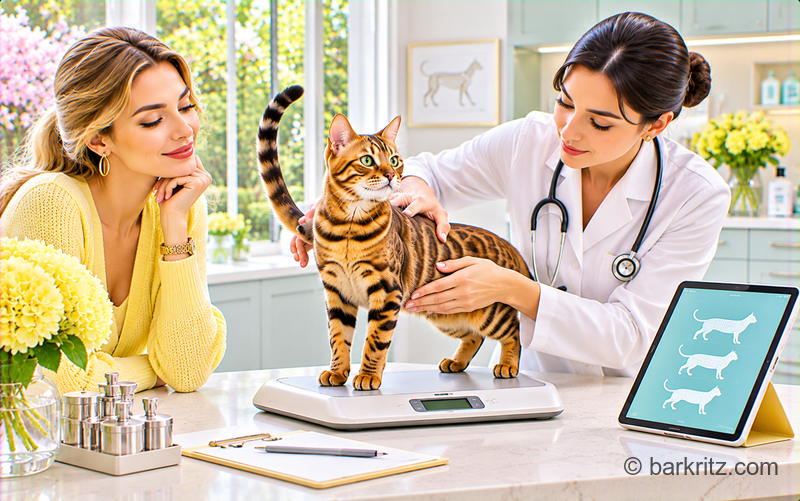
The most reliable way to identify excess weight is to assess your cat’s body condition alongside its weight, using veterinary guidance rather than relying on appearance alone.
A cat’s ideal weight varies considerably according to breed, frame size, sex, age, and muscle development. A Maine Coon, for example, naturally has a much larger build than a Singapura, making a single weight target inappropriate for both. Even within the same breed, healthy body weight can differ between individuals.
Veterinarians commonly use a nine-point Body Condition Score (BCS) to assess whether a cat is underweight, at an ideal weight, or overweight. A score of 4–5 out of 9 is generally considered ideal.
Owners can look for several practical indicators at home:
- Waist definition: when viewed from above, a healthy cat should have a visible narrowing behind the ribs.
- Abdominal contour: from the side, the abdomen should generally slope upward toward the hind legs, although a loose primordial pouch is normal in many cats.
- Rib coverage: the ribs should be easy to feel beneath a thin layer of fat without being prominently visible.
- Mobility: a healthy-weight cat should move comfortably, jump onto appropriate surfaces, groom itself, and engage in normal play.
- Grooming ability: difficulty reaching the back, hindquarters, or tail area may indicate excessive weight or another mobility problem.
It is important not to confuse a naturally loose abdominal flap with obesity. The primordial pouch is a normal anatomical feature found in many cats, including those at an ideal weight.
Regular weighing provides another useful measure. Record your cat’s weight consistently, ideally using the same scale and similar conditions, and discuss meaningful changes with a veterinarian. Gradual weight gain can be difficult to notice when an animal is seen every day, making written records particularly valuable.
What Is the Best Feeding Routine for an Indoor Cat to Maintain a Healthy Weight?
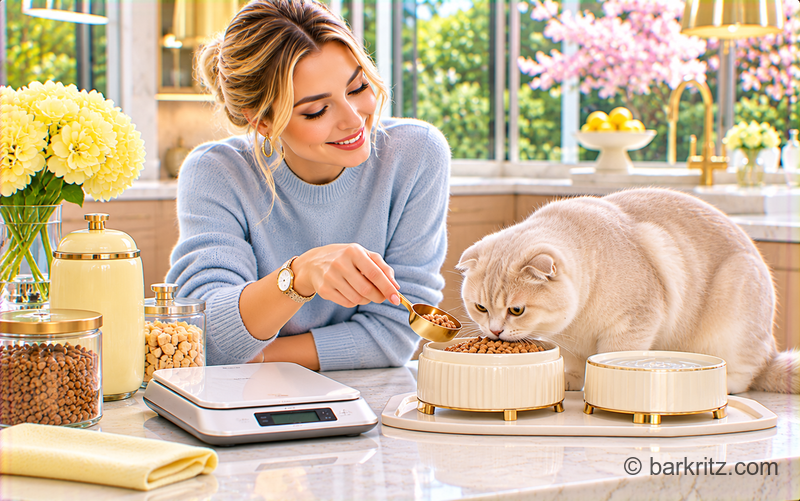
The best feeding routine combines accurately measured portions, nutritionally complete food, controlled treats, and a consistent schedule tailored to the cat’s individual energy requirements.
Indoor cats often have fewer opportunities to expend energy, making portion control especially important. Leaving a large bowl of food available throughout the day can encourage some cats to eat beyond their nutritional needs, particularly when meals become a source of stimulation or comfort.
Begin by determining your cat’s appropriate daily calorie allowance with a veterinarian. The correct amount depends on its current body condition, ideal weight, age, activity level, reproductive status, and health. Feeding recommendations printed on commercial packaging provide a starting point, but they may not accurately reflect every individual cat’s needs.
A more structured approach includes:
- Measured meals: weigh or measure each portion rather than estimating quantities by eye.
- Consistent feeding times: divide the daily allowance into several smaller meals to create a predictable routine.
- Treat management: include treats within the total daily calorie allowance rather than offering them as additional food.
- Nutritional completeness: choose food labeled as complete and balanced for the cat’s relevant life stage.
- Fresh water: provide clean drinking water at all times, with multiple water stations if appropriate.
Wet and dry food can both form part of a healthy feeding plan. Wet food generally contains more moisture and fewer calories per gram than many dry formulations, which can help with portion management. Dry food, however, can be useful in puzzle feeders and automated feeding systems when portions are carefully controlled.
The choice should reflect the cat’s nutritional needs, preferences, dental considerations, and any medical conditions. Some cats benefit from a combination of both formats.
Avoid making abrupt dietary changes or significantly reducing food portions without professional advice. Cats that lose weight too rapidly or stop eating can develop hepatic lipidosis, a potentially serious liver condition. A veterinarian should establish an appropriate weight-loss plan and monitor progress, particularly for cats with substantial excess weight.
Which Indoor Activities Help Cats Burn Energy and Stay Fit?

The most effective indoor exercise combines short, engaging play sessions with opportunities to climb, chase, explore, and express natural hunting behaviors.
Cats are instinctive hunters, and their activity patterns often consist of several brief periods of movement rather than one prolonged exercise session. A stimulating indoor environment can encourage these natural behaviors while reducing boredom and excessive resting.
Interactive play is one of the simplest ways to increase daily activity. Wand toys, feather attachments, and controlled chase games encourage cats to stalk, pursue, leap, and capture moving objects. Allow the cat to catch its toy periodically so that play provides a satisfying conclusion rather than continuous frustration.
Consider introducing several forms of enrichment:
- Interactive wand toys: encourage stalking, chasing, jumping, and coordination.
- Food puzzles: make meals more engaging while encouraging problem-solving and movement.
- Climbing structures: provide opportunities to jump, stretch, and explore vertical space.
- Tunnels and hiding places: stimulate curiosity and encourage short bursts of activity.
- Rotating toys: maintain interest by introducing different objects throughout the week.
- Window perches: provide visual stimulation and opportunities to observe birds, trees, and outdoor activity.
A practical starting routine is two or three interactive play sessions of approximately 10–15 minutes each day, adjusted to the cat’s age, fitness, temperament, and veterinary recommendations. Some cats prefer several shorter sessions, while others enjoy longer periods of exploration.
Environmental design can also make a significant difference. A tall, stable cat tree, secure wall-mounted shelves, and accessible elevated resting places create opportunities for movement throughout the day. Ensure that climbing structures are appropriate for the cat’s physical abilities, particularly if it is older or has joint problems.
For cats that are reluctant to exercise, begin gradually. Place toys near familiar resting areas, encourage gentle movement with a favorite wand toy, and reward curiosity with attention or a small portion of their normal food allowance.
The objective is not to turn an indoor cat into an athlete, but to make movement a natural and enjoyable part of its daily environment.
How Should You Choose Nutrition for an Indoor Cat Prone to Weight Gain?
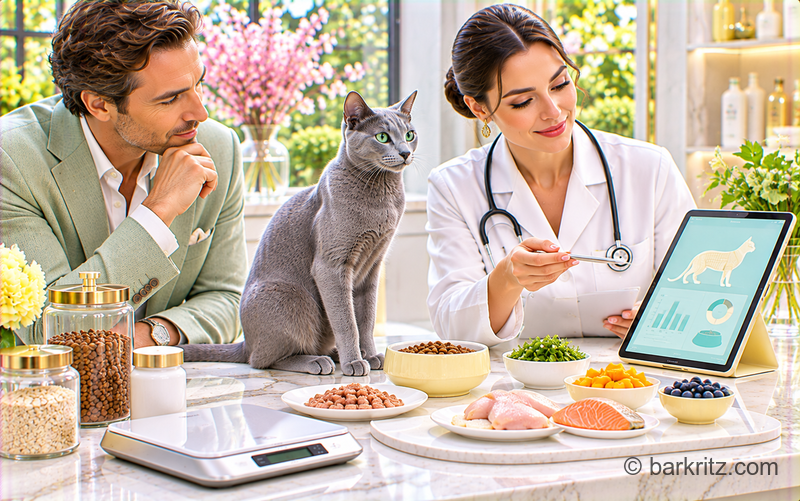
The ideal diet for a weight-prone indoor cat provides complete nutrition, appropriate calories, adequate protein, and a balance of nutrients that supports muscle maintenance and overall health.
Indoor-specific formulas are often designed with calorie density and activity levels in mind, but the label alone does not guarantee that a particular product is appropriate. Nutritional composition, portion size, and the individual animal’s requirements remain more important than marketing terminology.
Protein deserves particular attention because cats are obligate carnivores with specific dietary requirements. During weight management, maintaining adequate protein intake helps support lean muscle mass while body fat is gradually reduced.
When evaluating a food, consider:
- Protein quality: a complete feline diet should provide appropriate amounts of essential amino acids, including taurine.
- Calorie density: compare the calories per serving or per measured quantity, not simply the size of the package.
- Fat content: dietary fat is essential, but calorie intake must remain appropriate for the individual cat.
- Fiber: certain formulations contain additional fiber to support satiety and digestive health.
- Life-stage suitability: kittens, adult cats, and senior cats have different nutritional requirements.
Weight-management diets may be particularly useful for cats that need to reduce body fat while preserving muscle. Some veterinary formulations are designed to provide adequate nutrients at a lower calorie intake, making controlled weight loss easier to manage.
Breed and age can also influence dietary decisions. A large Maine Coon may have different energy and joint-support considerations from a petite Oriental Shorthair, while senior cats may require additional attention to muscle preservation and underlying health conditions.
Avoid assuming that grain-free, premium-priced, or boutique-branded food is automatically better for weight control. The most suitable diet is the one that meets established nutritional standards and supports the cat’s individual health requirements.
Before switching to a new formulation, consult your veterinarian. Introduce the food gradually, monitor appetite and digestion, and evaluate weight changes over time rather than expecting immediate results.
How Can You Maintain Your Cat’s Ideal Weight Throughout Its Life?
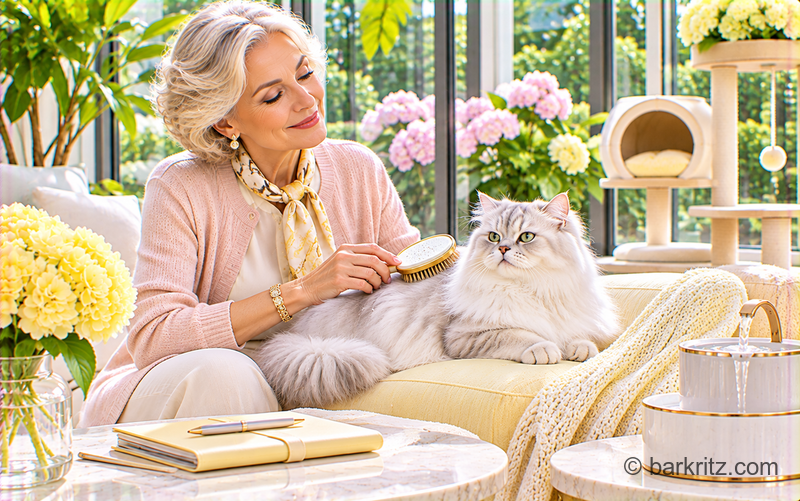
Long-term weight management depends on consistent monitoring, age-appropriate nutrition, regular veterinary examinations, and a home environment that encourages healthy daily habits.
A cat’s energy requirements change throughout its life. Kittens need sufficient calories for growth, healthy adults benefit from stable portion control, and senior cats may become less active while facing additional challenges involving muscle loss, mobility, or underlying disease.
Spaying and neutering can also influence energy requirements. Some cats experience changes in appetite and metabolism after the procedure, making it especially important to reassess feeding portions rather than continuing with the same routine automatically.
A practical lifelong wellness strategy includes:
- Monthly weight checks: monitor trends and investigate gradual increases before they become significant.
- Regular body-condition assessments: ask your veterinarian to evaluate body fat and muscle condition.
- Annual veterinary examinations: healthy adult cats generally benefit from at least yearly checkups, with more frequent visits for senior cats or those with medical concerns.
- Age-appropriate nutrition: reassess calorie intake and nutritional composition as your cat matures.
- Daily enrichment: maintain opportunities for interactive play, climbing, and exploration.
- Controlled rewards: use measured food portions and non-food rewards such as attention, grooming, or play.
If your cat is already overweight, establish a realistic target with your veterinarian and agree on a safe rate of weight loss. Progress should be gradual, with periodic reassessment of body condition and muscle mass. Cats with significant obesity may need a supervised nutritional program rather than a simple reduction in their usual food.
It is equally important to recognize that unexplained weight changes are not always related to feeding. Sudden weight loss, increased thirst, changes in appetite, vomiting, or alterations in litter-box habits may indicate an underlying medical problem and warrant veterinary attention.
Ultimately, maintaining a healthy weight is one of the most meaningful investments an owner can make in an indoor cat’s long-term well-being. A thoughtfully designed home, carefully measured nutrition, and engaging daily routines allow a cat to enjoy comfort without sacrificing mobility or vitality. The finest feline lifestyle is not defined by indulgence alone, but by the balance between exceptional care and lasting health.