

Best At-Home Wellness Checks for Dogs and Cats
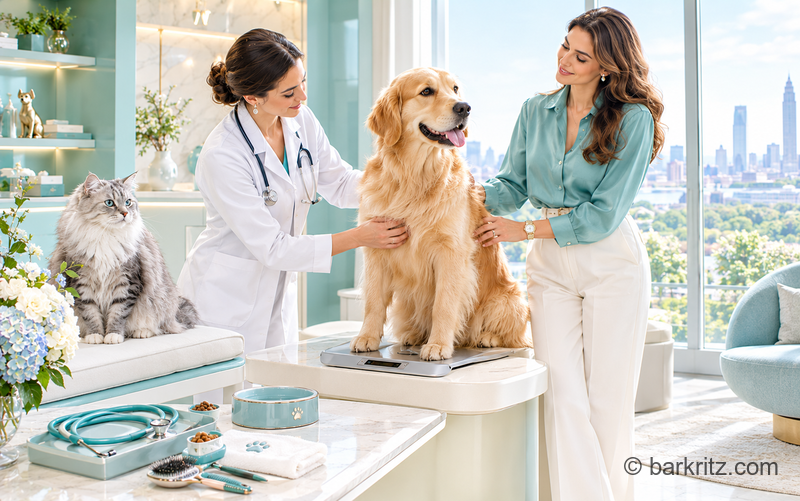
A pet’s well-being is often reflected in small details: the brightness of the eyes, the condition of the coat, the ease of movement, and subtle changes in appetite or behavior. While regular veterinary examinations remain essential, attentive owners can establish a simple at-home wellness routine that helps identify potential concerns before they become more serious.
For dogs and cats, these checks do not require specialized medical equipment or advanced knowledge. A few minutes spent observing, gently examining, and recording everyday changes can provide valuable insight into an animal’s health. From monitoring body condition and dental hygiene to checking ears, paws, and hydration, a thoughtful routine allows owners to become more familiar with their companion’s individual baseline.
At-home wellness checks are not a substitute for veterinary diagnosis, but they can make preventive care more effective and help owners communicate meaningful observations to their veterinarian.
How Can You Check Your Dog’s or Cat’s Overall Body Condition at Home?
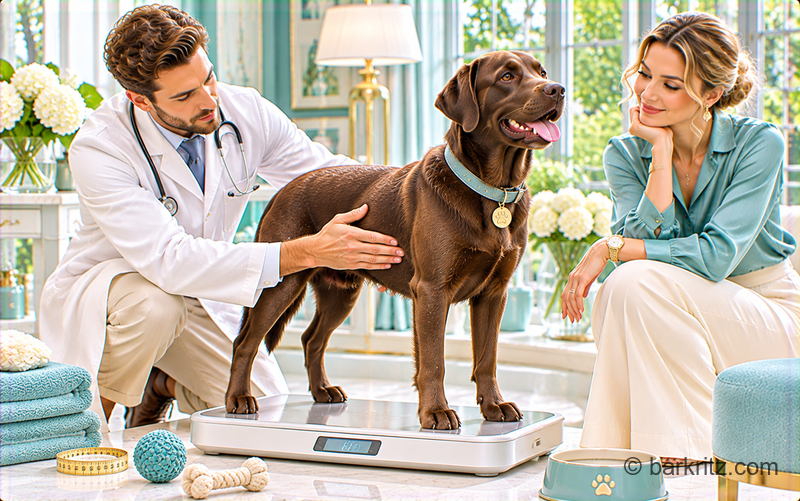
The most useful at-home assessment begins with observing your pet’s body shape, muscle condition, weight trends, and everyday movement rather than relying on appearance alone.
Weight changes can develop gradually, making them difficult to notice when an owner sees the animal every day. A regular assessment helps establish whether a dog or cat is maintaining a healthy body condition or gradually gaining or losing weight.
Begin by looking at your pet from above and from the side. In an animal with an appropriate body condition, the waist should generally be visible behind the ribs when viewed from above, while the abdomen should show a gentle upward tuck when viewed from the side. You should be able to feel the ribs beneath a light layer of fat without having to press firmly, although the ideal appearance varies by breed and body type.
A practical home assessment includes:
- Rib coverage: ribs should be easy to feel without being prominently visible in most healthy adult pets.
- Waist definition: dogs and cats should generally have a visible waist when viewed from above.
- Abdominal profile: the underside of the abdomen should show an appropriate upward contour.
- Muscle condition: look for changes in the muscles around the spine, hips, shoulders, and hind legs.
- Weight trend: monitor gradual increases or decreases rather than focusing on a single measurement.
- Mobility: observe whether your pet rises, walks, climbs stairs, and jumps as comfortably as usual.
For smaller dogs and cats, a suitable digital pet scale can make regular monitoring easier. Larger dogs can often be weighed at a veterinary practice or on a suitable platform scale. Record measurements under similar conditions each time, ideally using the same scale.
Body condition scoring can also provide a more structured assessment. The commonly used nine-point scale considers fat coverage and body shape, with a score around 4–5 generally considered ideal for many adult dogs and cats. However, individual recommendations may differ according to age, breed, muscle mass, and medical history.
A sudden or unexplained change in weight deserves veterinary attention, particularly when accompanied by increased thirst, appetite changes, vomiting, diarrhea, or reduced activity.
Which Eyes, Ears, Nose, and Mouth Checks Should You Perform Regularly?
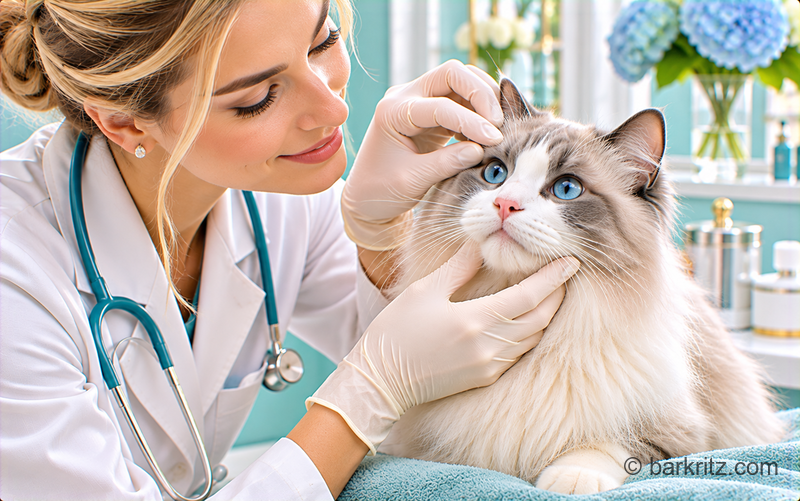
A gentle head-to-tail facial examination can reveal early signs of irritation, infection, dental disease, and other conditions that may initially produce only subtle visible changes.
The eyes should appear clear and comfortable, without persistent redness, cloudiness, excessive discharge, or repeated squinting. Some breeds naturally have more visible tear staining or facial folds, but a noticeable change from your pet’s usual appearance should not be dismissed.
The ears should be checked for unusual odor, redness, swelling, excessive wax, discharge, or frequent scratching and head shaking. Dogs with floppy ears and cats with certain ear shapes may require more attentive observation, although excessive cleaning can irritate the ear canal. Never insert cotton swabs or other objects into the ear.
The nose should be examined for unusual discharge, crusting, swelling, or visible injury. A healthy nose does not have to be consistently wet or cold; temperature and moisture alone are not reliable indicators of illness.
Oral health deserves particular attention because dental disease can develop without obvious early symptoms. Lift the lips gently to examine the teeth and gums. Look for heavy tartar, persistent bad breath, bleeding, redness, swelling, or changes in the way your pet chews.
A useful comparison of normal observations and potential warning signs includes:
- Eyes: clear and comfortable versus persistent discharge, cloudiness, redness, or squinting.
- Ears: no unusual odor or irritation versus scratching, head shaking, swelling, or discharge.
- Nose: no new lesions or concerning discharge versus persistent bleeding, crusting, or swelling.
- Teeth: relatively clean surfaces versus heavy tartar, fractured teeth, or visible discoloration.
- Gums: generally pink and comfortable versus redness, bleeding, swelling, or unusually pale or blue coloration.
Dental care should extend beyond visual inspection. Daily toothbrushing with pet-specific toothpaste is an excellent preventive habit when an animal tolerates it. Human toothpaste should never be used because some ingredients can be harmful to pets.
Seek veterinary advice for persistent bad breath, difficulty eating, drooling, pawing at the mouth, or visible oral discomfort. Eye pain, sudden cloudiness, marked redness, or repeated squinting should be assessed promptly.
How Can You Monitor Your Pet’s Skin, Coat, Paws, and Nails at Home?
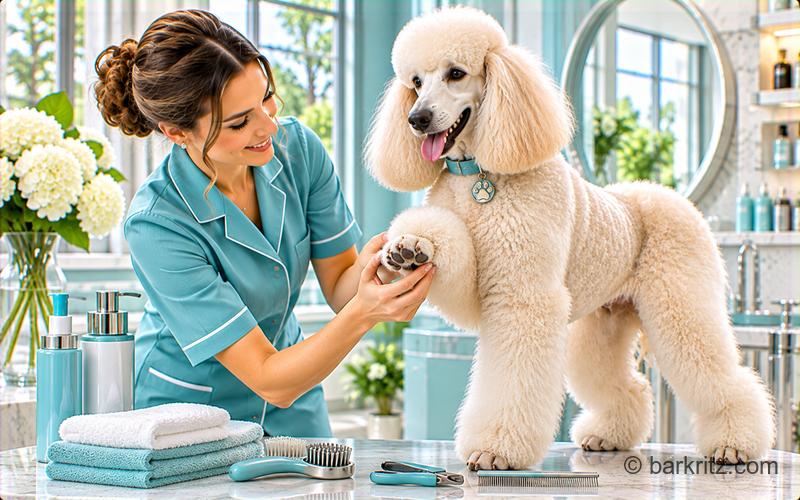
Regularly examining the skin, coat, paws, and nails helps identify parasites, irritation, injuries, infections, and changes that may affect an animal’s comfort and mobility.
Begin with a gentle inspection of the coat, moving your hands in the direction of hair growth. Look for unusual shedding, bald patches, dandruff, redness, scabs, lumps, or areas of tenderness. Part longer hair in several places to examine the skin underneath, paying particular attention to the abdomen, armpits, groin, and areas around the ears.
A fine-toothed flea comb can help identify flea dirt or visible parasites, especially around the base of the tail and along the back. Small black particles that turn reddish-brown when placed on a damp white tissue may indicate flea dirt. However, a negative combing result does not rule out an infestation.
Paw examinations are equally important. Check the pads, spaces between the toes, and the areas around the nails for cuts, swelling, foreign objects, redness, or excessive licking. During colder months, inspect for irritation caused by ice, salt, and de-icing products; in warmer weather, hot pavement and rough surfaces can injure sensitive paw pads.
Nails should be checked for excessive length, splitting, and abnormal growth. Overgrown nails can alter the way a pet distributes its weight and may contribute to discomfort when walking. Cats also benefit from regular nail inspections, particularly older animals that may scratch less frequently.
A simple wellness routine should include:
- Coat: look for unusual shedding, matting, bald areas, or changes in texture.
- Skin: check for lumps, bumps, redness, scabs, and persistent itching.
- Parasites: inspect for fleas, ticks, flea dirt, and signs of skin irritation.
- Paw pads: examine for cracks, cuts, swelling, and foreign material.
- Between the toes: look for redness, moisture, debris, and excessive licking.
- Nails: monitor length, shape, and signs of breakage or discomfort.
If you discover a new lump, record its approximate location and size and arrange a veterinary examination rather than assuming it is harmless. Do not squeeze, puncture, or attempt to remove unfamiliar growths at home.
Persistent itching, hair loss, inflamed skin, unusual odors, or repeated paw licking can indicate an underlying condition that requires professional assessment.
How Can You Check Your Pet’s Hydration, Digestion, and Daily Bathroom Habits?
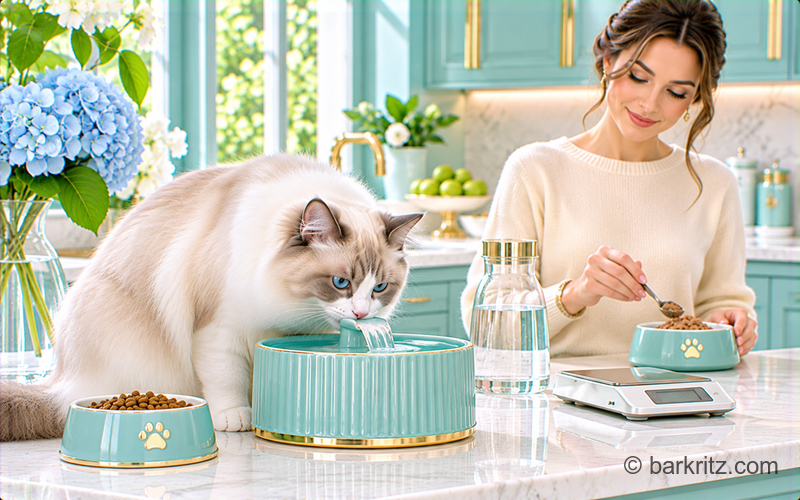
Monitoring water consumption, appetite, urination, and stool consistency provides valuable information about digestive and urinary health in both dogs and cats.
Hydration is particularly important because changes in drinking habits can be among the earliest noticeable signs of an underlying problem. Observe how often your pet visits its water bowl and whether its usual consumption appears to change. Increased thirst can be associated with several medical conditions, including kidney disease, diabetes, and hormonal disorders, while reduced drinking may contribute to dehydration.
You can also assess the gums: they should generally feel moist rather than persistently dry or sticky. Skin-tenting tests, in which the skin is gently lifted and released, are less reliable in older animals and certain breeds, so they should not be used as a definitive home diagnosis of dehydration.
Digestive health can be monitored through appetite, vomiting episodes, stool consistency, and frequency of bowel movements. A sudden change may reflect a dietary issue, stress, parasites, infection, or another medical condition.
For cats, litter-box habits deserve particular attention. Owners should monitor changes in urine volume, frequency, stool production, and the animal’s behavior when using the box. Straining, repeated attempts to urinate, crying in the litter box, or producing little or no urine can indicate a serious urinary problem. In particular, inability to pass urine is an emergency, especially in male cats.
For dogs, changes in urination frequency, unusual accidents indoors, persistent diarrhea, or difficulty passing stool also warrant attention.
Consider recording the following observations:
- Water intake: note noticeable increases or decreases in drinking.
- Appetite: monitor skipped meals, unusual hunger, or difficulty eating.
- Stool: observe consistency, color, frequency, mucus, and visible blood.
- Urination: watch for straining, unusual frequency, accidents, or changes in urine volume.
- Vomiting: record how often it occurs and whether it is accompanied by other symptoms.
- Digestive comfort: notice bloating, abdominal sensitivity, excessive gas, or changes in posture.
For a more accurate picture, measure the amount of water offered and remaining over a 24-hour period when practical, taking into account multiple pets, spills, and water contained in wet food. Avoid restricting access to water to obtain a measurement.
Repeated vomiting, persistent diarrhea, blood in the stool, significant changes in thirst, or difficulty urinating should prompt veterinary assessment. Repeated unsuccessful attempts to urinate require immediate emergency care.
How Often Should You Perform At-Home Wellness Checks, and When Should You Call the Veterinarian?

A brief daily observation combined with a more deliberate weekly examination creates a practical preventive routine, while any concerning or sudden change should be evaluated according to its severity rather than waiting for the next scheduled check.
Daily observation does not need to feel like a medical examination. Simply notice whether your pet eats normally, drinks as usual, moves comfortably, interacts with family members, and behaves in a familiar way. Cats in particular can conceal discomfort, so even subtle changes in hiding, grooming, jumping, or social interaction deserve attention.
A weekly examination can include a more systematic review of the following:
- Weight and body condition: check regularly and record measurements at consistent intervals.
- Eyes and ears: look for irritation, discharge, unusual odor, or changes in appearance.
- Mouth: inspect the teeth and gums when your pet comfortably allows it.
- Skin and coat: look for lumps, parasites, hair loss, or persistent scratching.
- Paws and nails: check for injuries, swelling, and excessive nail length.
- Behavior and mobility: notice changes in sleep, activity, posture, or willingness to move.
- Eating and elimination: monitor appetite, water consumption, urination, and stool.
A simple wellness journal can make these observations more useful. Record the date, weight, appetite, water intake when measurable, unusual symptoms, and any changes in behavior. Photographs can also help document the development of a skin lesion or visible change, although they should never delay an examination.
It is important to distinguish routine observations from warning signs that require immediate care.
Arrange a veterinary appointment promptly if you notice:
- Persistent changes in appetite or thirst.
- Unexplained weight loss or gain.
- Repeated vomiting or diarrhea.
- New lumps, persistent itching, or skin lesions.
- Bad breath, difficulty chewing, or oral discomfort.
- Changes in walking, jumping, or general mobility.
- Unusual lethargy or changes in normal social behavior.
Seek emergency veterinary care for:
- Difficulty breathing or severe respiratory distress.
- Collapse, loss of consciousness, or seizures.
- Suspected poisoning or ingestion of a dangerous substance.
- Severe bleeding or major trauma.
- A swollen abdomen accompanied by distress or unsuccessful attempts to vomit.
- Inability to urinate, particularly in cats.
- Sudden severe pain or rapidly deteriorating condition.
Home wellness checks should complement, not replace, preventive veterinary care. Puppies, kittens, senior animals, and pets with chronic conditions may require more frequent professional monitoring. Even apparently healthy adult dogs and cats benefit from regular examinations, with the recommended schedule determined by their age, medical history, and individual risk factors.
The most effective wellness routine is one that becomes a natural part of everyday life. By learning what is normal for their companion and recognizing meaningful changes, owners can make more informed decisions, seek veterinary attention at the appropriate time, and support a healthier, more comfortable life for the animals who share their homes.