
Pet Fashion for Formal Occasions
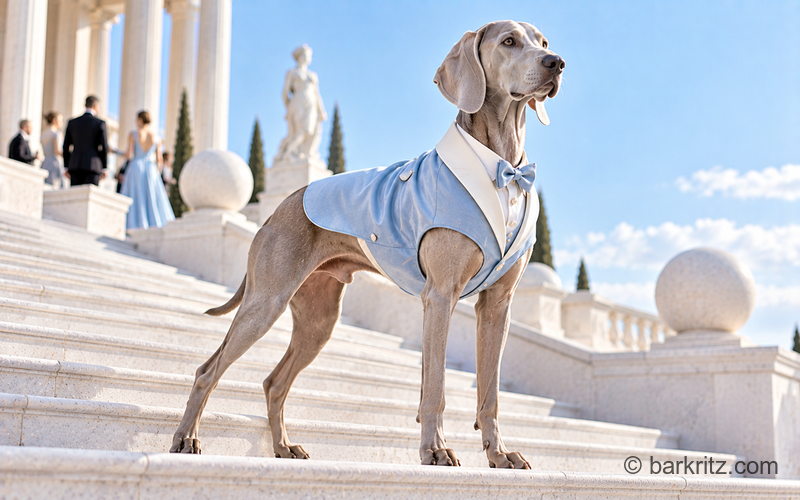
Formal occasions offer an opportunity for pets to make a sophisticated style statement, with carefully selected fabrics, impeccable tailoring, and considered accessories transforming an outfit into an expression of individual character. From black-tie galas and elegant weddings to private celebrations and prestigious charity events, the finest pet fashion balances visual refinement with comfort, allowing four-legged companions to look exceptional without compromising their well-being. For the discerning pet owner, the objective is not simply to dress a dog for the occasion, but to create a harmonious look that complements the event, the setting, and the owner’s personal style.
What Should a Dog Wear to a Black-Tie Event?
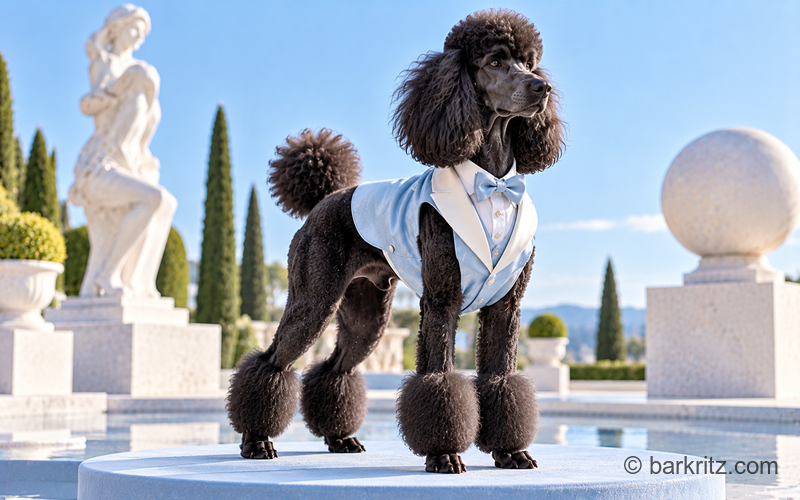
The most successful black-tie look for a dog combines clean tailoring, understated embellishment, and premium materials that echo the sophistication of traditional eveningwear.
A miniature tuxedo jacket, a precisely fitted dinner vest, or a structured bow-tie collar can provide the right degree of formality without overwhelming the animal’s natural silhouette. Black, midnight navy, ivory, and deep burgundy remain particularly effective choices, while subtle satin details introduce a refined evening finish. For smaller breeds, a well-proportioned vest can create a polished appearance without the bulk of a full jacket; larger dogs often suit a tailored bandana or a formal collar with restrained detailing.
Material selection is equally important. Soft velvet creates depth under evening lighting, while breathable cotton blends and lightweight wool offer a more practical foundation for extended wear. Satin should be used selectively, particularly around the neck and chest, where excessive friction can cause discomfort.
Consider these formalwear essentials:
- Classic tuxedo vest: A versatile choice for dinner parties, evening receptions, and black-tie gatherings.
- Satin bow tie: An understated accent that introduces a formal finish without restricting movement.
- Velvet dinner jacket: Particularly striking for cool-weather celebrations and indoor events.
- Embellished formal collar: A sophisticated alternative for dogs that dislike wearing clothing over their bodies.
The guiding principle is proportion: every element should complement the dog’s build, coat, and movement rather than conceal its natural elegance.
Which Fabrics and Colors Look Most Sophisticated for Formal Petwear?
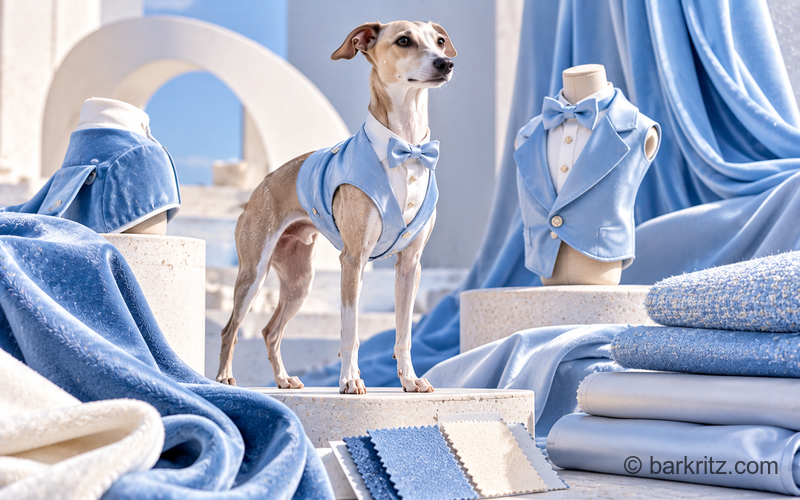
The most sophisticated formal petwear uses tactile, breathable fabrics and a restrained color palette that photographs beautifully while remaining comfortable throughout the event.
Velvet, fine cotton, soft wool blends, and smooth satin accents each offer a distinct visual character. Velvet lends richness and structure to evening ensembles, while cotton provides comfort for longer celebrations. Lightweight wool blends can work beautifully for autumn and winter occasions, provided they are soft against the skin and appropriate for the temperature.
Color should be selected in relation to the event’s dress code, the owner’s outfit, and the pet’s natural coloring. Coordinated styling is most effective when it suggests a deliberate connection rather than reproducing an entire human ensemble in miniature.
A considered formal palette might include:
- Black and ivory: Timeless for black-tie dinners, formal portraits, and evening receptions.
- Midnight blue and silver: Elegant for winter celebrations and contemporary evening events.
- Champagne and soft blush: Particularly suited to weddings, garden receptions, and spring festivities.
- Burgundy and deep forest green: Rich seasonal choices for autumn gatherings and holiday celebrations.
- Pale blue and lavender: Refined alternatives for daytime ceremonies and summer occasions.
Fabric weight matters as much as color. Heavy materials can cause overheating, especially for thick-coated breeds, while dangling trims, stiff seams, and decorative elements near the mouth or paws may create unnecessary hazards. A premium appearance should never come at the expense of freedom of movement, comfortable breathing, or the ability to regulate body temperature.
How Can Pet Accessories Elevate a Formal Outfit Without Looking Excessive?
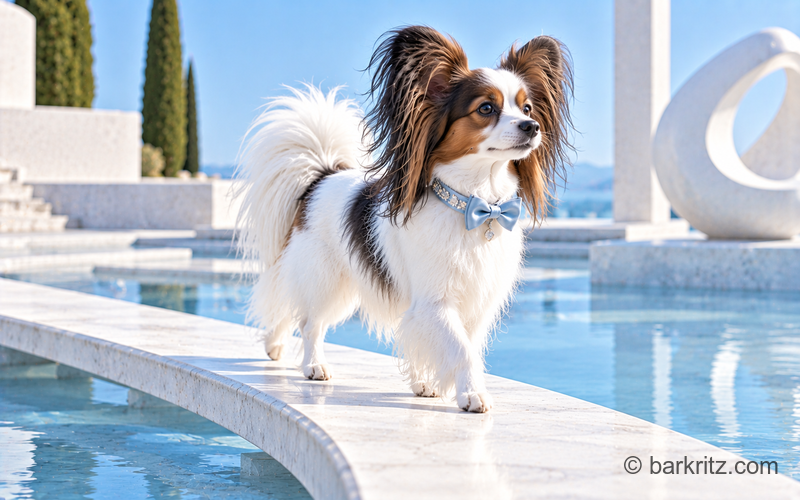
The finest formal pet accessories are selected with restraint, using one or two carefully chosen details to create a cohesive look rather than an accumulation of decorative elements.
A silk bow tie, a finely finished collar, or a small floral accent can transform an otherwise simple ensemble. For weddings, a detachable flower in a soft complementary shade may provide an elegant connection to the ceremony’s floral arrangements. For evening events, a discreet metallic collar detail or a coordinated velvet accessory can introduce visual interest without competing with the pet’s natural features.
The most effective approach is to choose a single focal point. If the outfit already features satin lapels or textured velvet, accessories should remain simple. A minimal vest, by contrast, can accommodate a more distinctive bow tie or collar.
Breed-specific considerations also influence the final result. Long-haired dogs may benefit from lightweight accessories that do not tangle or pull at the coat, while short-haired breeds can carry structured collars and small fabric accents particularly well. For brachycephalic breeds, including Pugs and French Bulldogs, accessories must never interfere with breathing, and restrictive neckwear should be avoided.
Personalization can make an ensemble feel distinctive without making it ostentatious. A discreet monogram on a removable bandana, a color drawn from the owner’s pocket square, or a bow tie that echoes the event’s floral palette can create a thoughtful connection between the pet and the occasion.
What Should Pets Wear to Weddings, Galas, and Other Special Celebrations?
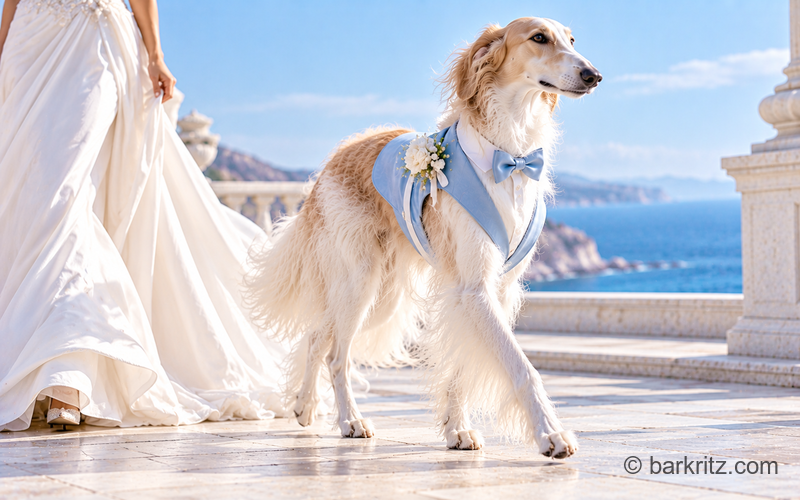
The ideal formal outfit depends on the event’s setting, duration, dress code, and expected level of activity, with daytime ceremonies generally calling for lighter styling than evening celebrations.
For weddings, petwear should complement the overall visual atmosphere without distracting from the couple. A soft ivory or pale-blue bow tie, a floral collar, or a lightweight vest can suit a dog participating in photographs or accompanying the wedding party. White garments should be chosen thoughtfully when the couple has established specific dress preferences, and any floral accessories must use pet-safe materials without toxic plants or easily swallowed decorations.
At black-tie galas and evening receptions, a tailored vest or tuxedo-inspired jacket provides a more formal silhouette. However, event policies should be confirmed in advance, as many venues do not permit animals even when the occasion is pet-friendly.
Garden parties and daytime celebrations lend themselves to linen-look fabrics, pastel bandanas, and lightweight collars. For winter events, a well-fitted formal coat may provide warmth outdoors, but it should be removed indoors whenever the environment becomes too warm.
Before selecting an outfit, consider the following practical distinctions:
- Wedding ceremony: Prioritize coordinated colors, secure accessories, and comfort during photographs.
- Black-tie reception: Choose structured, understated pieces that reflect the evening dress code.
- Garden celebration: Favor breathable fabrics and lighter colors suited to outdoor conditions.
- Winter gathering: Select weather-appropriate outerwear that does not restrict walking or toileting.
- Long formal event: Keep a simpler backup outfit available and allow regular breaks away from crowds.
A formal appearance should never prevent a dog from resting, drinking water, moving naturally, or withdrawing when overstimulated. A quiet resting area and a designated caregiver are especially valuable when an event lasts several hours.
How Can Owners Ensure Formal Petwear Fits Perfectly and Remains Comfortable?
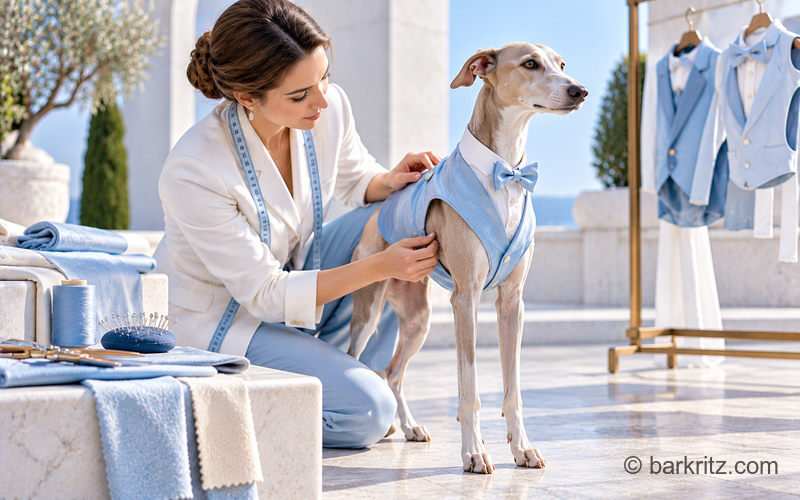
Perfect formal petwear should follow the dog’s natural proportions, permit unrestricted movement, and remain comfortable from the first photograph to the end of the celebration.
Accurate measurements are more useful than choosing an outfit solely by breed or estimated weight. Owners should measure the neck, chest, and back according to the garment manufacturer’s instructions, paying particular attention to chest circumference and shoulder movement. The garment should not pull when the dog sits, walk awkwardly when it moves, or press against the throat.
A fitting session at home is essential before the event. Allow the dog to wear the outfit for short, supervised periods, using treats and positive reinforcement to create a calm association. If the animal repeatedly scratches at the garment, freezes, attempts to remove it, or shows signs of distress, simplify the outfit or leave clothing off altogether.
A final pre-event checklist helps ensure that style and well-being remain equally important:
- Check that seams, fasteners, and closures do not rub against the skin.
- Remove loose beads, detachable buttons, and other small parts that could be swallowed.
- Avoid long ribbons, trailing fabric, and accessories that may catch on furniture or outdoor obstacles.
- Confirm that collars and harnesses remain functional and do not interfere with safe leash attachment.
- Monitor the dog for overheating, especially when wearing layered garments or attending crowded indoor events.
- Keep the outfit clean, dry, and free from strong fragrances or irritating textile treatments.
For especially important occasions, bespoke tailoring can provide a superior fit for unusual proportions, deep chests, broad shoulders, or distinctive coat types. Nevertheless, custom construction is valuable only when the finished garment remains practical and comfortable.
The most memorable formal pet style is defined by thoughtful restraint. A beautifully fitted vest, a refined collar, or a perfectly chosen bow tie can communicate more sophistication than an elaborate ensemble. When quality, proportion, and comfort guide every decision, a four-legged companion can take its place at a special occasion with effortless distinction.