

Most Expensive Dog Breeds for Luxury Owners
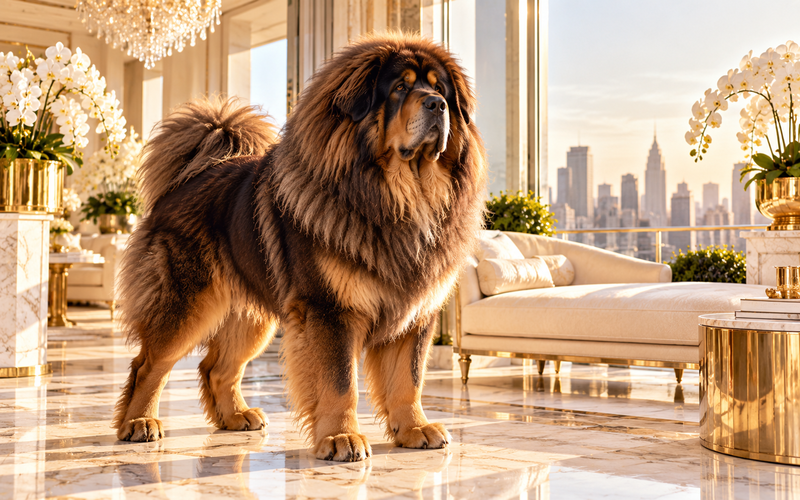
For discerning owners, acquiring an exceptional dog is rarely determined by the purchase price alone. Pedigree, rarity, bloodline, geographic availability, breeding standards, grooming requirements and lifelong care can make certain breeds considerably more demanding investments than their initial price suggests. Among the world’s most sought-after dogs, the true distinction lies in provenance, temperament, health, conformation and the expertise required to maintain the animal at its best.
Which Dog Breeds Command the Highest Purchase Prices?
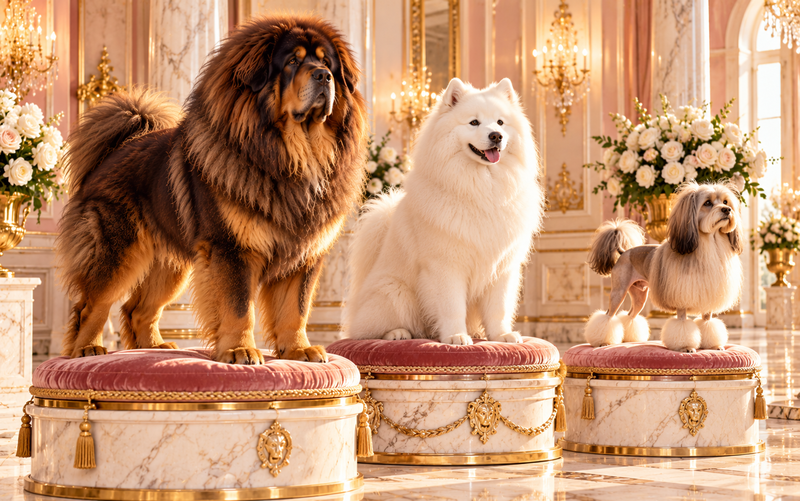
Tibetan Mastiffs, Samoyeds and Löwchens are among the breeds most often associated with exceptionally high acquisition prices because of rarity, pedigree and specialized breeding.
The Tibetan Mastiff remains the most famous example of extraordinary canine pricing, particularly among exceptional animals from highly regarded bloodlines. Samoyeds command substantial prices because responsible breeding, genetic screening and the maintenance of their distinctive coat require considerable expertise. The Löwchen, meanwhile, has long been one of Europe’s rarer companion breeds.
Key distinctions include:
- Tibetan Mastiff: Exceptional pedigree animals can command very high five-figure prices, although extraordinary reported sales should not be confused with normal market values.
- Samoyed: Well-bred puppies from established lines can cost several thousand dollars, with show-quality animals potentially commanding considerably more.
- Löwchen: A historically rare European companion breed known for its distinctive “little lion” appearance.
- Primary value drivers: Pedigree, health, lineage, rarity and breeder reputation.
- Market reality: Record-setting transactions are exceptional rather than representative of typical breed prices.
Which Rare Dog Breeds Offer the Greatest Sense of Exclusivity?
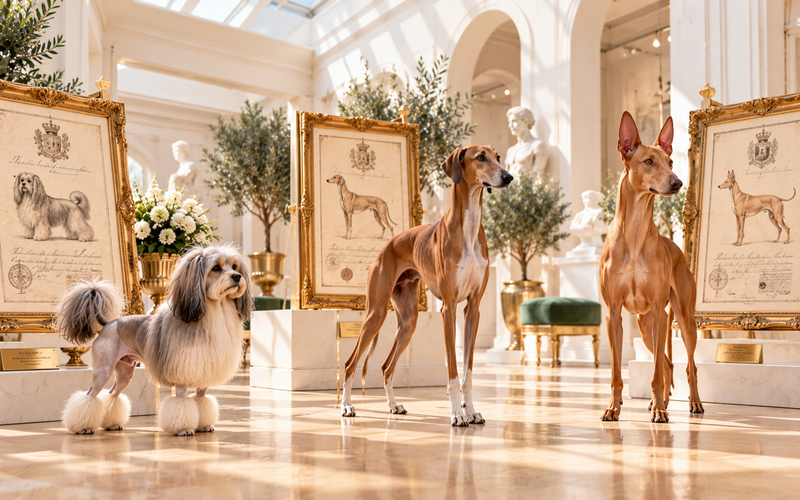
For owners seeking genuine rarity rather than simply a high purchase price, the Löwchen, Azawakh and Pharaoh Hound offer particularly distinctive combinations of limited availability and deep breed heritage.
Their appeal lies partly in their relative scarcity among companion animals. Finding a reputable breeder can require considerable patience, international communication and careful verification of bloodlines.
Their distinguishing characteristics include:
- Löwchen: A historic European companion breed with a distinctive clipped silhouette and relatively limited global population.
- Azawakh: A West African sighthound traditionally associated with the Sahel and known for its elegant, highly athletic form.
- Pharaoh Hound: A Mediterranean hunting breed particularly associated with Malta and distinguished by its athletic build and expressive appearance.
- Availability: Responsible breeding programs may have lengthy waiting lists.
- Provenance: Documented lineage and established breeding history can be more meaningful than a high asking price alone.
For the sophisticated owner, genuine rarity is compelling when it reflects authentic breed history and responsible preservation rather than artificial scarcity or short-lived fashion.
Which Expensive Breeds Demand the Greatest Investment After Acquisition?
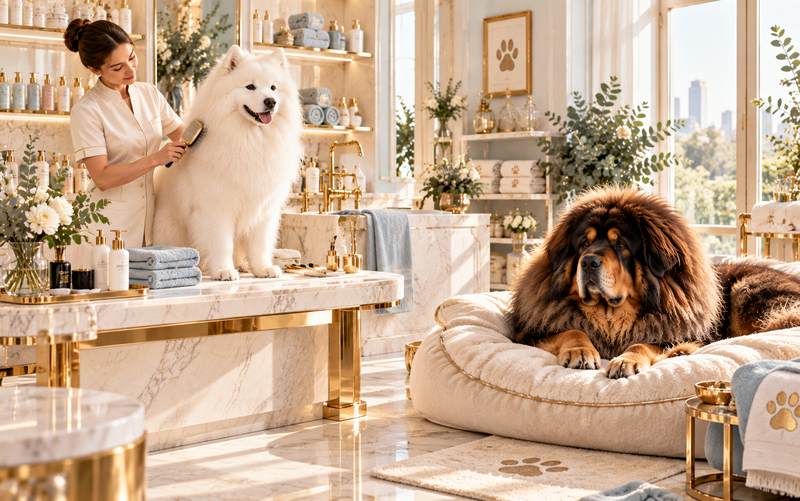
The most expensive dog to own is not necessarily the one with the highest purchase price, because grooming, nutrition, veterinary care, training, insurance and specialist maintenance can dramatically increase lifetime expenditure.
Samoyeds provide a clear example: their dense double coat requires consistent grooming, while their energetic nature calls for regular exercise and mental stimulation. Tibetan Mastiffs present a different ownership profile, with their considerable size, independent character and powerful guarding instincts requiring experienced handling.
Long-term expenditure can include:
- Grooming: Dense or specialized coats may require professional grooming alongside regular home maintenance.
- Nutrition: Large breeds can consume substantially more food over their lifetime.
- Veterinary care: Breed-specific screening, preventative medicine and age-related care can become significant expenses.
- Training: Independent, powerful or strongly protective breeds may benefit from professional behavioral guidance.
- Insurance: Premiums vary according to breed, age, location and coverage.
- Travel: Large or uncommon breeds can require more complex transportation arrangements.
The sophisticated approach is therefore to calculate total ownership costs rather than focusing exclusively on the initial acquisition price. A carefully bred puppy with a moderate purchase price can ultimately require a greater financial commitment than a more expensive puppy whose breed is easier to maintain.
Which High-Value Breeds Combine Pedigree Prestige With an Exceptional Lifestyle?
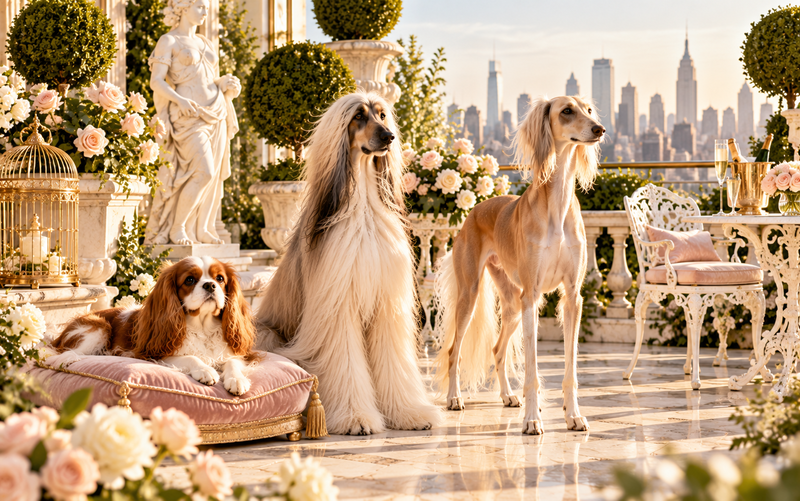
For owners who value heritage, presence and compatibility with an elevated lifestyle, breeds such as the Cavalier King Charles Spaniel, Afghan Hound and Saluki offer distinctive advantages beyond simple rarity.
The Cavalier King Charles Spaniel has centuries of aristocratic association and an adaptable temperament, while the Afghan Hound brings extraordinary visual presence and a heritage rooted in the hunting traditions of Afghanistan. The Saluki, one of the world’s oldest recognized breeds, combines an elegant silhouette with remarkable athleticism.
Their lifestyle profiles differ considerably:
- Cavalier King Charles Spaniel: Compact, sociable and well suited to sophisticated city living when properly exercised and cared for.
- Afghan Hound: Dramatic appearance, independent temperament and a coat requiring substantial grooming expertise.
- Saluki: Ancient sighthound heritage, exceptional athleticism and an understated elegance.
- Best for urban living: Cavalier King Charles Spaniels generally require less space than large sighthounds.
- Best for visual impact: Afghan Hounds possess one of the most immediately recognizable silhouettes in the canine world.
- Best for heritage: Salukis have an exceptionally deep historical association with the ancient Middle East.
The most compelling breed is ultimately the one whose temperament and physical requirements genuinely match the owner’s lifestyle. Pedigree prestige means little if the animal’s daily needs cannot be met properly.
What Should Discerning Owners Look for When Buying an Expensive Dog?
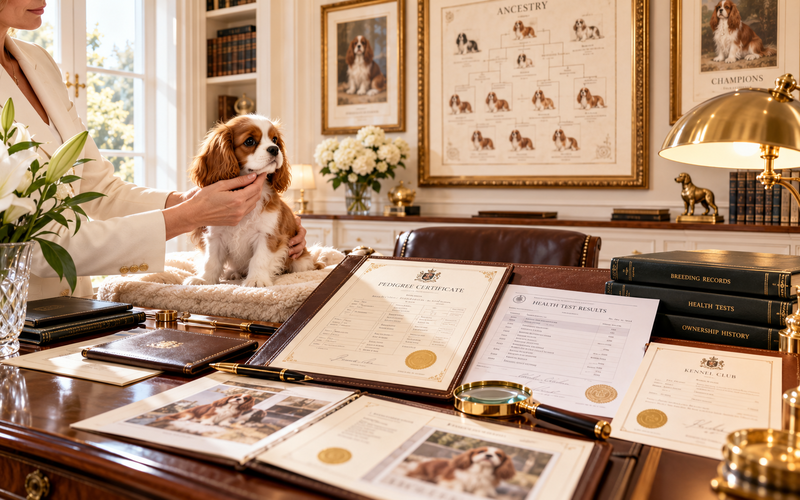
The most important investment is not the highest-priced puppy but a transparent pedigree from a responsible breeder who prioritizes health, temperament and long-term breed preservation.
A sophisticated acquisition should begin with documentation rather than aesthetics. Photographs, social-media popularity and an impressive asking price are not substitutes for health records, genetic testing, verifiable lineage and evidence of responsible breeding practices.
Before committing to a high-value puppy, examine:
- Pedigree: Verify the documented ancestry and registration with the relevant recognized kennel organization.
- Health testing: Ask for breed-appropriate genetic, orthopedic, cardiac or ophthalmic screening.
- Breeding practices: Understand how often the parents are bred and how puppies are raised and socialized.
- Temperament: Meet the parents where possible and discuss behavioral characteristics honestly.
- Contract: Review health guarantees, registration conditions and breeder responsibilities carefully.
- Lifetime support: The strongest breeders remain available for guidance throughout the dog’s life.
- Provenance: For unusually valuable or rare animals, maintain comprehensive documentation of ownership, lineage and veterinary history.
The most sophisticated canine acquisition is ultimately an exercise in discernment. A remarkable breed is valuable not because it carries the highest price tag, but because exceptional breeding, sound health, distinctive heritage and an extraordinary bond with its owner converge in one animal. That is the form of canine distinction that retains its meaning long after the transaction itself has been forgotten.