

Rare Persian Cat Colors and Their Show Standards
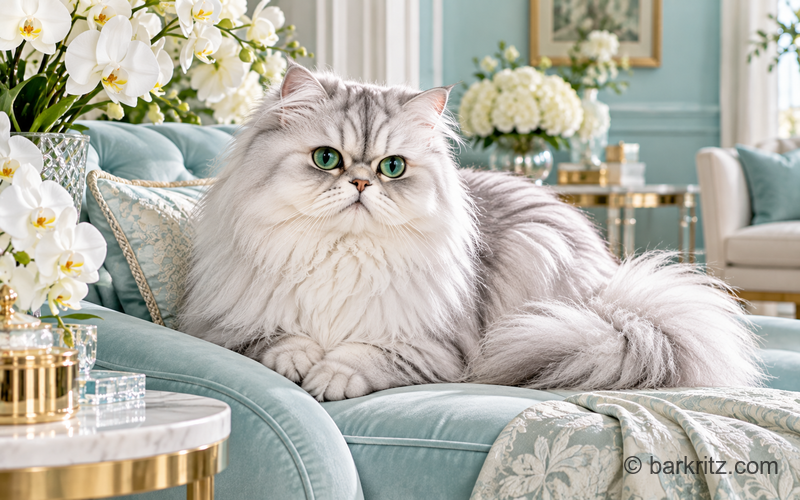
The Persian cat has long captivated breeders, judges, and devoted feline enthusiasts with its rounded silhouette, luxurious coat, expressive eyes, and unmistakably composed presence. Yet beyond the familiar white, black, and blue varieties lies a fascinating spectrum of less commonly encountered colors and patterns, each shaped by genetics, breeding history, and the exacting standards of organized cat shows. From the luminous contrast of a silver shaded coat to the delicate coloration of a lilac Persian, these distinctive varieties demonstrate how subtle differences in pigmentation can transform an already remarkable breed. Understanding their show standards requires more than an appreciation of beauty: it calls for an informed eye capable of distinguishing correct color, pattern clarity, coat quality, and overall breed type.
Which Persian Cat Colors Are Considered Rare in the Show World?
Rare Persian cat colors are best understood in the context of recognized color classifications, breeding populations, and the standards used by individual feline registries rather than through a universal ranking of rarity.
The Persian breed encompasses an extraordinary range of solid colors, silver and golden varieties, shaded coats, smoke patterns, tabby markings, and colorpoint combinations. Some are less frequently encountered in particular breeding programs or show circuits, although availability varies by country, registry, and breeder specialization. A color that appears uncommon in one region may be relatively familiar in another.
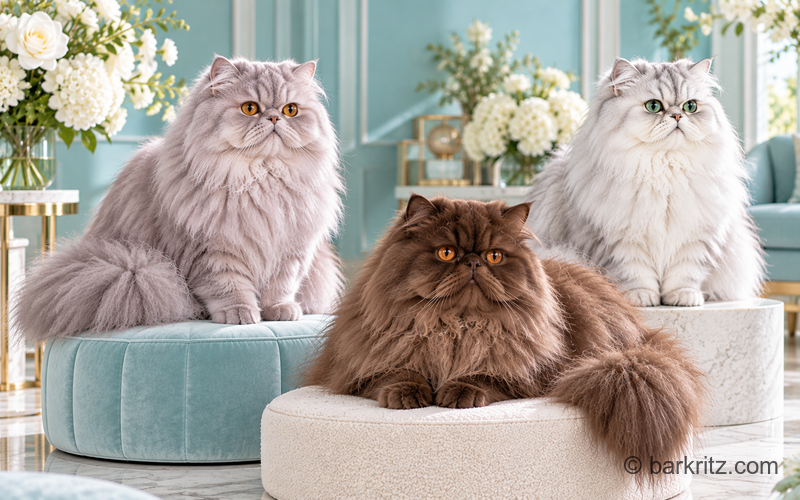
Among the more distinctive varieties are lilac, chocolate, shaded silver, shell cameo, golden shaded, and certain carefully defined smoke or colorpoint combinations. Their appeal lies in the interaction between pigment, undercoat, tipping, and the Persian’s characteristic long, flowing coat.
Several distinctions are especially useful when comparing these varieties:
- Lilac: a diluted form of chocolate, typically presenting a soft, pinkish-gray or pale lavender tone.
- Chocolate: a warm brown pigment that can appear particularly striking against copper or orange eyes in solid-color Persians.
- Silver shaded: a pale undercoat with darker pigment concentrated toward the ends of the hairs, producing a refined, graduated appearance.
- Golden shaded: a warm golden undercoat with darker tipping, creating depth without obscuring the underlying color.
- Shell cameo: a predominantly pale coat with delicate red or cream tipping, depending on the classification and individual coloration.
- Smoke: a coat that appears dark at rest but reveals a substantially paler undercoat when the hairs are parted.
These categories are not interchangeable, and visual impressions alone may not establish a cat’s formal classification. Breed registries maintain specific definitions for recognized colors and patterns, making accurate documentation essential when evaluating a Persian for exhibition.
How Do Silver and Golden Persians Meet Show Standards?
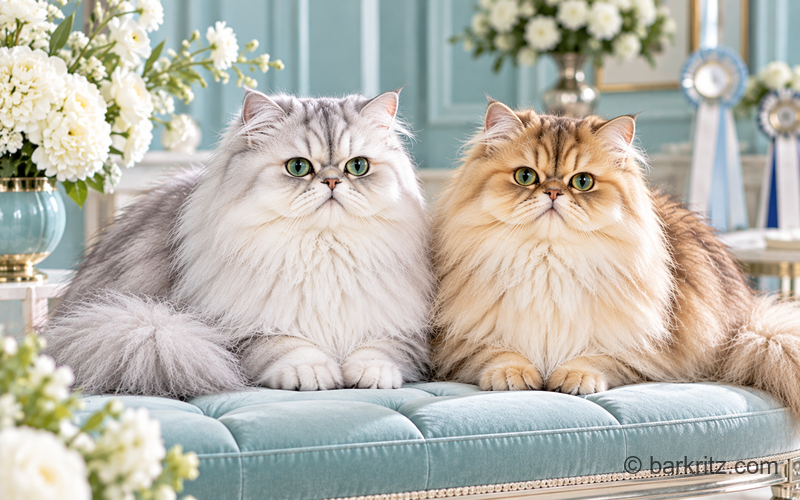
Silver and golden Persians are judged by the clarity of their coat pattern, the quality of their undercoat, the distribution of pigment, and their conformity to the applicable color description.
Silver varieties are particularly admired for their contrast. In a silver shaded Persian, the pale undercoat creates a luminous foundation while darker tipping adds definition along the coat. The overall impression should be balanced and refined rather than heavily darkened or unevenly colored. Excessive shading, muddy tones, or inconsistent pigment distribution may detract from the desired appearance, depending on the specific classification.
Golden Persians present a different visual character. Their undercoat ranges through warm cream and golden tones, with darker tipping providing depth. A well-presented golden shaded cat should retain a clear, warm ground color without appearing excessively dark, dull, or patchy.
The distinction between shaded and shell varieties is especially important in the show ring. Shaded cats generally display more extensive tipping, while shell varieties have lighter tipping that creates a delicate, almost translucent effect.
Judges may assess several elements together:
- Undercoat clarity: the pale or golden foundation should remain visually distinct from the darker pigment.
- Tipping distribution: colored hair ends should create the appropriate overall pattern rather than irregular patches.
- Color consistency: the coat should correspond to the recognized description for the entered variety.
- Persian type: color cannot compensate for shortcomings in head shape, eye expression, body structure, coat condition, or other breed characteristics.
The ideal presentation depends on the registry’s precise wording and the color class entered. A beautifully colored Persian with poor coat condition or an incorrect classification may not receive the same evaluation as a cat that combines accurate coloration with excellent breed type and preparation.
What Makes Chocolate and Lilac Persian Cats Distinctive in Competition?
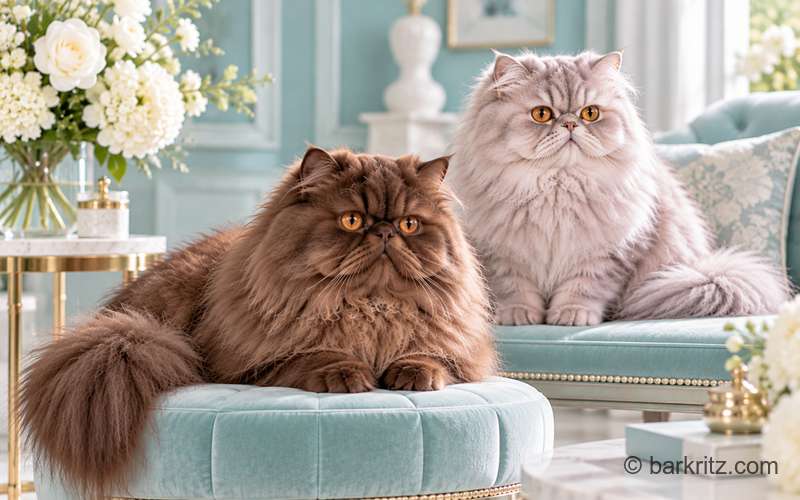
Chocolate and lilac Persians are distinguished by the depth and temperature of their pigmentation, with chocolate presenting a warmer brown appearance and lilac a softer, diluted pinkish-gray tone.
Chocolate coloration results from a genetic variation affecting black pigment, while lilac is associated with dilution of chocolate pigment. These differences influence not only the coat but also the overall visual harmony of the cat’s features. In recognized solid-color varieties, judges look for a coat that appears consistent from head to tail, with appropriate pigmentation and no unwanted color variation that conflicts with the relevant standard.
Chocolate Persians generally display a rich brown coat, although the precise shade depends on the individual and the registry’s description. Lilac Persians are often admired for their subtle, cool-toned appearance, which can be particularly striking when paired with the breed’s rounded head, full cheeks, and large expressive eyes.
Important comparisons include:
- Chocolate: deeper brown coloration, typically warmer in overall impression.
- Lilac: diluted chocolate pigment producing a softer, paler tone with a pinkish-gray cast.
- Solid-color presentation: requires attention to uniformity, coat quality, and the correct shade for the class.
- Overall breed assessment: emphasizes the Persian’s established physical characteristics in addition to color.
Eye color requirements must be considered alongside the specific color class. Solid-color Persians are commonly associated with copper or deep orange eyes, while other color and pattern categories may have different requirements. The applicable registry standard, rather than assumptions based on appearance, determines the correct criteria.
Because chocolate and lilac are influenced by inherited genetic factors, responsible breeders consider pedigree, health, and genetic compatibility when planning matings. The goal should be to preserve the breed’s defining qualities while producing healthy cats with accurately classified coloration.
How Are Smoke and Colorpoint Persian Patterns Evaluated?
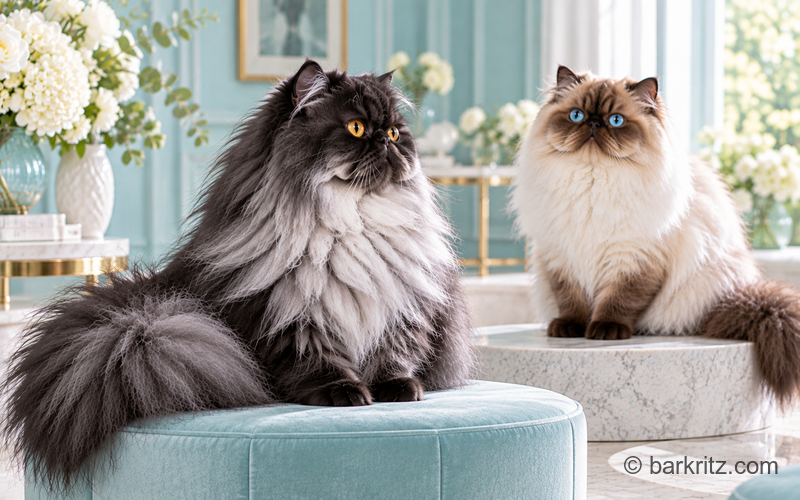
Smoke and colorpoint Persians are evaluated according to different visual principles: smoke cats are defined by contrast between colored hair tips and a pale undercoat, whereas colorpoint cats display darker pigmentation concentrated on the extremities.
A smoke Persian can appear almost uniformly dark when the coat lies naturally, yet reveal a pale undercoat when the hairs move or are parted. This contrast is central to the pattern’s identity. Depending on the color variety, the visible pigment may be black, blue, chocolate, lilac, red, or cream, subject to the registry’s recognized classifications.
Colorpoint Persians display a different distribution of pigmentation. Their faces, ears, legs, feet, and tails are darker than their bodies, with the degree of contrast influenced by genetics, age, and temperature. These cats are sometimes described as Himalayan Persians in registries or breeding traditions that recognize the Himalayan as a distinct division or category.
The principal differences are straightforward:
- Smoke: dark tipping over a pale undercoat, with the contrast becoming apparent when the coat is disturbed.
- Colorpoint: darker extremities contrasting with a lighter body.
- Smoke presentation: requires sufficient visibility of the pale undercoat and appropriate distribution of colored tips.
- Colorpoint presentation: depends on correctly defined points, body color, and the eye-color requirements of the relevant standard.
Age can complicate evaluation, particularly in colorpoint cats whose coloration may deepen as they mature. Coat length, seasonal changes, and grooming can also influence how clearly a pattern is displayed.
For show purposes, the precise color and pattern designation matters. A Persian entered in an incorrect class may be evaluated against criteria that do not match its actual appearance. Breeders and exhibitors should therefore confirm the classification before registration and consult the relevant standard for details concerning undercoat, tipping, points, and permissible shading.
Which Show Standards Matter Most When Selecting a Rare-Colored Persian?
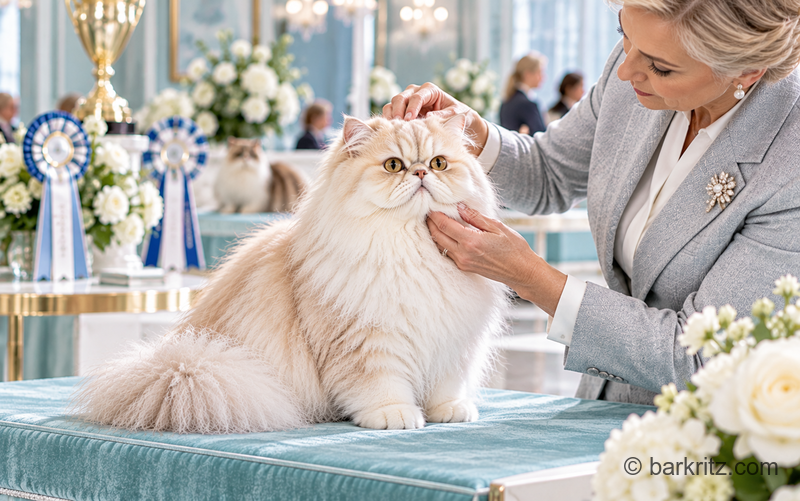
The most important show standard is the complete breed specification adopted by the organizing registry, because rare coloration is only one element of a Persian’s overall exhibition quality.
Persians are recognized for their substantial, compact bodies, broad heads, small rounded ears, full cheeks, short noses, large expressive eyes, and abundant coats. Although the exact wording and scoring systems differ among organizations, coat color does not replace the fundamental requirements of breed type, condition, and presentation.
A rare-colored Persian should be assessed through several complementary considerations:
- Breed conformation: the head, ears, eyes, body, and overall proportions should correspond to the applicable Persian standard.
- Coat texture and condition: the long coat should be clean, well maintained, and appropriate to the breed.
- Color accuracy: the pigmentation and pattern should match the registered color class.
- Eye color: the eyes must meet the requirements specified for that particular variety.
- Health and temperament: the cat should be in suitable condition for exhibition, with responsible care taking precedence over appearance.
The major registries may differ in how they organize Persian color classes, whether they recognize particular combinations, and how they describe shaded, shell, smoke, or colorpoint patterns. Exhibitors should consult the current standards of the organization governing their intended show rather than assuming that a classification accepted in one system automatically applies in another.
In the United States, the Cat Fanciers’ Association and The International Cat Association maintain their own breed and color classifications. Their standards provide the relevant framework for understanding eligibility and judging expectations, including distinctions that may be significant for less common varieties.
Ultimately, the rarest Persian color is not necessarily the most successful in the show ring. A remarkable coat attracts attention, but lasting distinction comes from the harmony of color, structure, coat quality, health, and temperament. For breeders and owners alike, the most rewarding achievement is a Persian whose individual beauty complements the defining characteristics of this historic breed.