

How to Identify a Genuine Purebred Savannah Cat
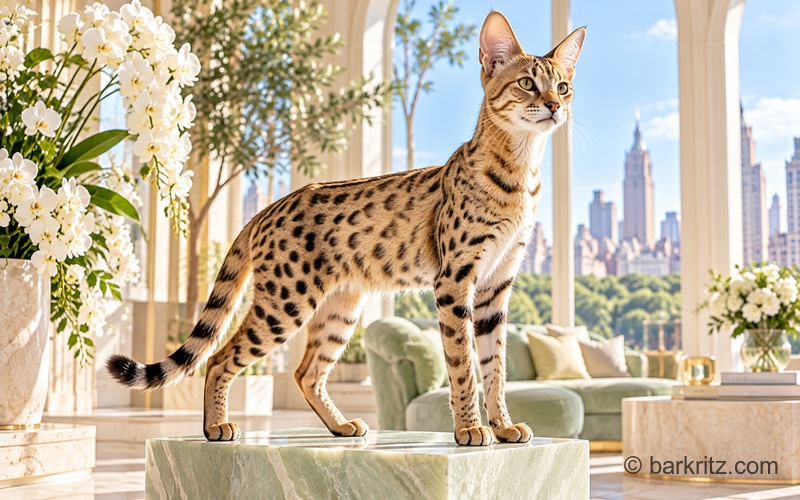
The Savannah cat stands apart in the feline world for its tall, athletic silhouette, striking spotted coat, oversized ears, and distinctive wild-inspired appearance. Developed through crosses between the African serval and domestic cats, the breed combines an exotic visual character with a complex pedigree shaped by generations of selective breeding. Yet a dramatic appearance alone cannot establish whether a cat is a genuine Savannah, much less verify its generation or registration status. For prospective owners, the most reliable approach combines physical characteristics with documented ancestry, breeder transparency, and independent verification from a recognised feline registry.
What Physical Features Distinguish a Genuine Savannah Cat?
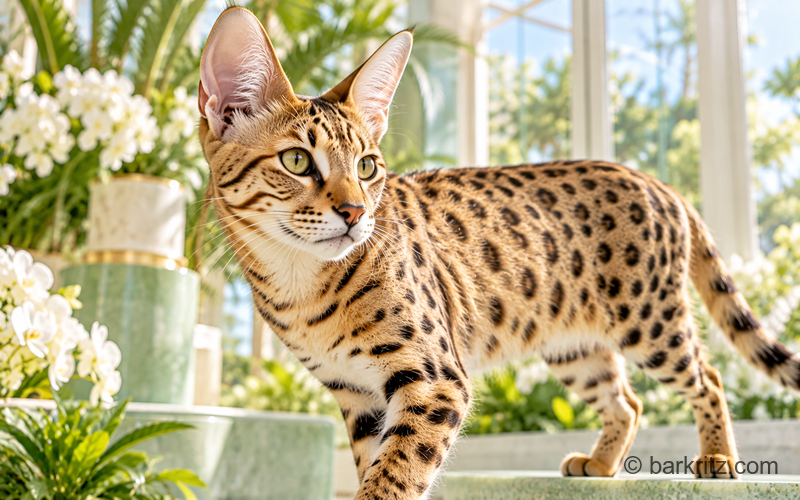
A genuine Savannah typically has a tall, lean, long-legged body, large upright ears, a relatively small triangular head, and a spotted coat, although individual appearance varies considerably by generation and genetic background. These characteristics can help identify a cat that resembles the breed, but physical appearance alone cannot prove pedigree.
The breed’s defining impression is one of athletic elegance rather than heavy musculature. Its body is generally elongated, its neck relatively long, and its hindquarters powerful enough to support impressive jumping ability. The ears are usually broad at the base and set high on the head, while the eyes may be hooded or slightly almond-shaped. A dark tear-mark pattern running from the inner eye toward the sides of the muzzle can contribute to the characteristic serval-inspired expression.
Look for the following features when assessing a cat:
- Coat pattern: Distinct, solid dark spots are a hallmark of the breed; the background coat may range from golden or tawny to silver, smoke, or other recognised colours and patterns, depending on the registry standard.
- Body proportions: Long legs, an elongated torso, a relatively small head, and a graceful, athletic build are typical characteristics.
- Ears: Large, upright ears positioned high on the head contribute strongly to the breed’s recognisable silhouette.
- Tail: The tail is generally medium in length, with dark rings and a dark tip in many standard colour varieties.
- Movement: A Savannah often appears alert, agile, and physically coordinated, although behaviour and activity levels vary between individuals.
There is no single physical measurement that proves authenticity. Domestic cats and other spotted breeds can share some of these traits, while genuine Savannahs may differ substantially in size and appearance. A particularly large cat is not automatically a higher-generation Savannah, and a smaller individual is not necessarily less authentic.
The key distinction is between breed resemblance and documented breed identity. Visual assessment is useful as an initial step, but it must be supported by reliable records.
How Can Pedigree Documents Verify a Savannah Cat’s Authenticity?
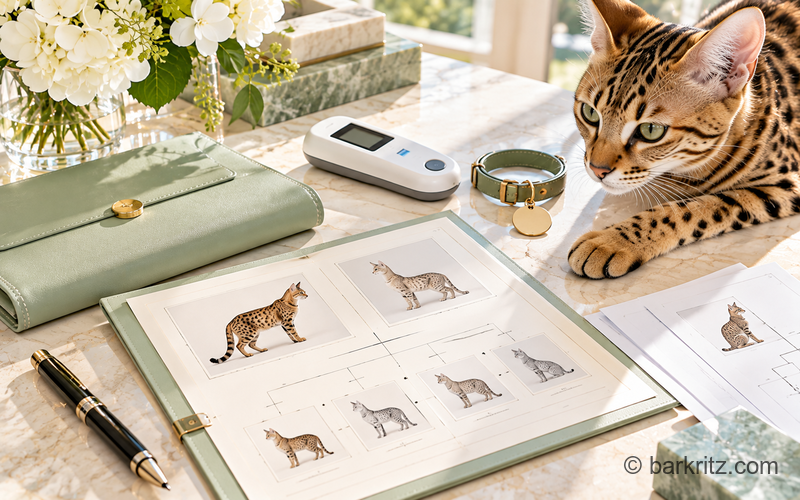
The most reliable way to verify a Savannah cat is to examine its documented lineage and confirm that its registration records are consistent with the requirements of a recognised feline registry, such as The International Cat Association (TICA). A distinctive coat or an impressive pedigree certificate supplied without verifiable registration details is not sufficient on its own.
A responsible breeder should be able to explain the cat’s ancestry, generation, date of birth, parentage, and registration status. The records should correspond to the individual cat rather than simply identify its parents as Savannahs.
When reviewing documentation, look for:
- Pedigree records: These should identify the cat and provide information about its recorded ancestry.
- Registration details: Ask which registry issued the documents and whether the registration can be independently verified.
- Parent information: The breeder should provide consistent details about the sire and dam, including their identities and relevant registration records.
- Generation designation: The documents and breeder’s explanation should establish the cat’s filial generation, commonly written as F1, F2, F3, and so forth.
- Purchase and health records: A written sales agreement, veterinary records, vaccination history, and identification details help establish the cat’s provenance and care history.
Microchip identification can help connect a cat to its veterinary and ownership records, but a microchip alone does not establish breed. Likewise, DNA testing may provide useful information about ancestry or genetic relationships, depending on the test, but it should not be treated as an automatic substitute for recognised pedigree documentation.
If registration information is unclear, contact the relevant registry directly rather than relying exclusively on screenshots, social-media posts, or documents supplied by a seller. Requirements differ between registries, and not every organisation uses identical registration rules.
What Do F1, F2, F3, and Later Savannah Generations Mean?
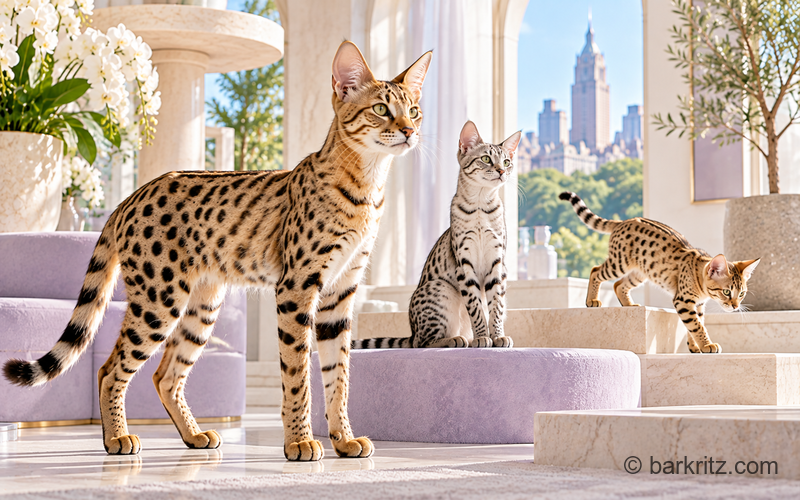
The F-generation designation describes a Savannah cat’s position in the breeding lineage relative to its serval ancestor, with F1 representing the earliest filial generation and later numbers indicating subsequent generations of breeding. It is a pedigree designation, not a guarantee of size, temperament, appearance, or quality.
Understanding the distinction is important because Savannah cats can vary considerably depending on their ancestry. Early generations generally have a more recent serval ancestor, while later generations have more generations of domestic-cat ancestry.
The commonly used designations indicate the following:
- F1 Savannah: The first filial generation, generally resulting from a serval crossed with a domestic cat.
- F2 Savannah: The second filial generation, with a serval grandparent in the conventional pedigree structure.
- F3 Savannah: The third filial generation, with a serval great-grandparent in the conventional pedigree structure.
- F4 and later: Subsequent generations with progressively more distant serval ancestry, although exact pedigree relationships depend on the individual lineage.
Generation labels should be supported by breeding records, not assigned according to how wild-looking a cat appears. An F5 Savannah may have a particularly dramatic spotted coat, while an earlier-generation cat may have a less exaggerated appearance.
Generation can also affect ownership considerations. Early-generation Savannahs may have more demanding behavioural and environmental needs, and their ownership may be subject to additional legal restrictions. Prospective owners should investigate local laws before committing to a purchase, particularly because regulations may distinguish between generations.
The most informed decision considers documented ancestry, the cat’s individual temperament, the breeder’s practices, and the owner’s ability to provide an appropriate environment.
How Can You Distinguish a Reputable Savannah Breeder from a Misleading Seller?
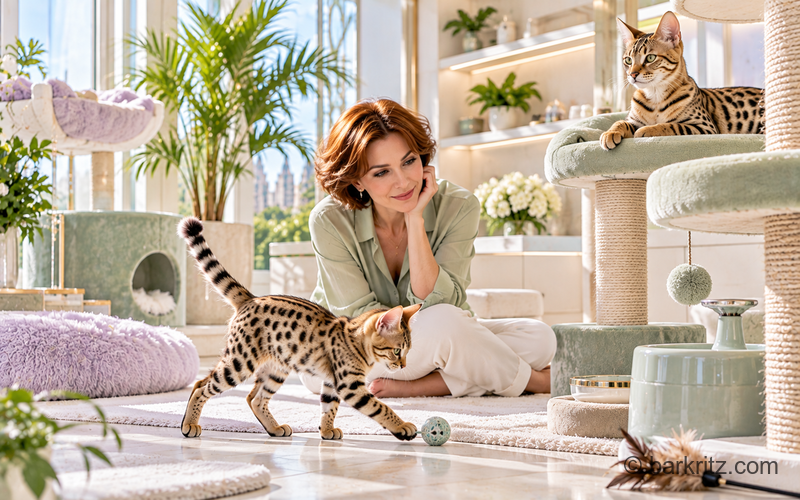
A reputable Savannah breeder provides transparent pedigree documentation, prioritises feline health and welfare, answers detailed questions about ancestry, and allows prospective owners to understand how the kittens are raised. Sellers who rely on dramatic photographs or unsupported claims of exceptional purity deserve additional scrutiny.
The breeding environment and the quality of the records matter as much as the cat’s appearance. A responsible breeder should be willing to discuss the health history of the parent cats, veterinary care, socialisation, feeding, and the practical responsibilities associated with the kitten’s generation.
Before making a commitment, consider these indicators:
- Transparent ancestry: The breeder explains the lineage and provides documentation that can be checked.
- Appropriate veterinary care: Health records are available, and the breeder discusses known medical concerns honestly.
- Realistic descriptions: Claims about adult size, temperament, rarity, or future appearance are not presented as guaranteed outcomes.
- Responsible placement: The breeder asks about your experience, household, available space, and ability to meet the cat’s needs.
- Clear contractual terms: The agreement specifies the cat’s identity, registration status, health provisions, and any applicable breeding restrictions.
- Ongoing support: The breeder is prepared to answer questions after the cat has moved to its new home.
Be cautious when a seller offers a cat as a guaranteed F1 or F2 Savannah without verifiable ancestry, pressures you to pay immediately, refuses reasonable questions, or claims that appearance alone proves purity. Unusually low prices are not proof of fraud, but they may justify closer examination of the seller’s records and practices.
A video call, a visit to the breeding environment where appropriate, and direct verification of documentation can help reduce uncertainty. No single precaution guarantees a trustworthy transaction, but several consistent sources of evidence provide a much stronger basis for confidence.
Which Health, Behavioural, and Legal Considerations Matter Before Buying a Savannah Cat?
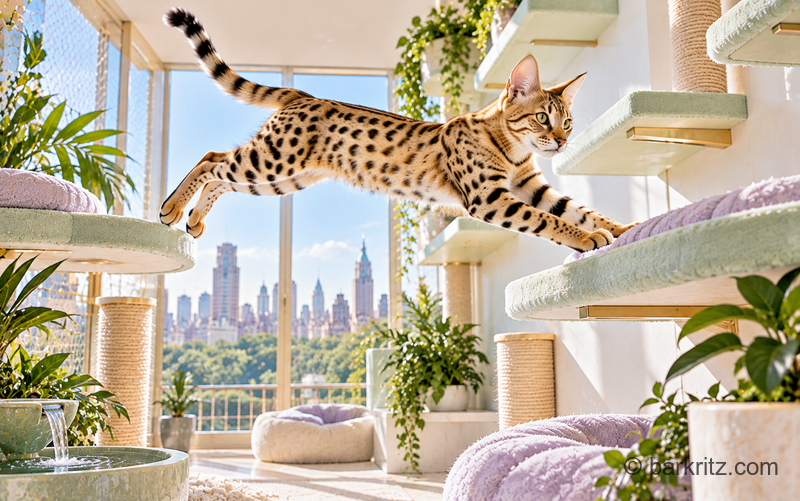
Choosing a Savannah cat responsibly requires evaluating its health, individual temperament, living requirements, and legal status alongside its pedigree. Authenticity establishes ancestry; it does not automatically establish good health, suitable behaviour, or compatibility with a particular household.
Savannah cats are often energetic, curious, and highly engaged with their surroundings, although individual personalities differ. They generally benefit from climbing structures, interactive play, secure spaces, and consistent routines. Prospective owners should consider whether they can provide adequate stimulation and manage an athletic cat that may jump onto high surfaces or explore cupboards and doors.
Important considerations include:
- Veterinary assessment: Arrange an examination and review the cat’s medical history with a veterinarian experienced in feline care.
- Genetic and family health history: Ask about relevant health screening and any known conditions in the lineage; no test can guarantee a lifetime free of disease.
- Socialisation: Discuss how the kitten has been introduced to people, household sounds, handling, and ordinary domestic experiences.
- Home environment: Provide secure windows, appropriate climbing opportunities, enrichment, and a safe indoor environment.
- Legal requirements: Check local regulations governing ownership, permits, importation, and generation-specific restrictions before acquiring the cat.
- Long-term commitment: Consider expected veterinary expenses, suitable nutrition, enrichment, and arrangements for travel or periods away from home.
The legal position deserves particular attention because Savannah ownership rules vary between countries, states, and municipalities. Some jurisdictions restrict or prohibit certain early generations, while others apply different requirements to later-generation cats. A seller’s assurance that ownership is legal should never replace checking the rules with the relevant authority.
Ultimately, a genuine Savannah cat is identified through a combination of recognisable breed characteristics and verifiable ancestry. The most dependable purchase is supported by transparent documentation, responsible breeding, veterinary oversight, and a clear understanding of the animal’s needs. For prospective owners, these standards offer something more valuable than appearance alone: confidence that the cat’s identity and welfare have both been taken seriously.