

How to Choose the Right Vet for a Luxury Pet
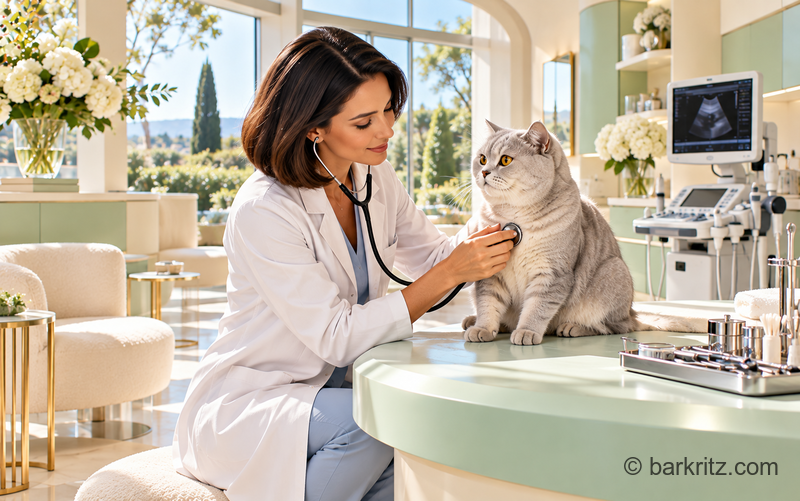
Exceptional pet care begins with a relationship built on clinical expertise, thoughtful communication, and a genuine understanding of an animal’s individual needs. For owners who invest in premium nutrition, tailored grooming, carefully planned travel, and a comfortable home environment, veterinary care deserves the same considered approach. Yet an impressive clinic interior or a long list of premium services does not necessarily indicate superior medicine. The right veterinarian combines evidence-based treatment with attentive service, preventive planning, and a clear commitment to the pet’s long-term wellbeing.
Whether you share your home with a pedigreed cat, an athletic dog, or an older companion requiring more specialised attention, choosing a veterinary practice is an important decision. The objective is to find a trusted medical partner who understands your pet’s lifestyle while placing health, comfort, and welfare above appearances.
What Qualifications and Clinical Expertise Should You Look for in a Private Veterinarian?

The best veterinarian for a premium-care pet is a properly licensed clinician whose experience, diagnostic skills, and professional judgement match the animal’s specific health requirements. Credentials and clinical competence should come before the appearance of the practice or the exclusivity of its client services.
Start by verifying that the veterinarian is registered with the appropriate regulatory body in your jurisdiction. Ask about postgraduate training, areas of clinical interest, and experience treating your pet’s breed, age group, or known risk factors. A veterinarian who regularly treats brachycephalic dogs, for example, may be particularly familiar with the respiratory concerns associated with flat-faced breeds, while a feline-focused clinician may offer valuable insight into the behavioural and medical needs of cats.
Important qualifications to evaluate include:
- Professional registration: Confirm the veterinarian’s current licence or registration and check whether any relevant disciplinary information is publicly available.
- Clinical experience: Ask how frequently the practice treats animals with needs similar to your pet’s.
- Advanced training: Look for relevant postgraduate qualifications or recognised expertise in areas such as dermatology, cardiology, dentistry, or internal medicine.
- Diagnostic capabilities: Establish whether laboratory testing, imaging, and other routine investigations are available in-house or through trusted referral partners.
- Referral relationships: A strong general practice recognises when a specialist is needed and coordinates referrals without unnecessary delay.
A sophisticated veterinary practice should also explain its diagnostic reasoning. If a clinician recommends bloodwork, imaging, or a particular treatment, you should understand what the investigation is intended to establish, which alternatives exist, and how the results may influence the care plan.
For pedigree animals, breed knowledge can be especially valuable, but it should never replace individual assessment. Breed-associated risks can inform screening decisions without assuming that every animal will develop the same condition. A veterinarian who treats your pet as an individual, rather than simply as an example of its breed, is more likely to build an appropriate long-term plan.
How Can You Evaluate a Veterinary Clinic’s Facilities, Technology, and Standard of Care?
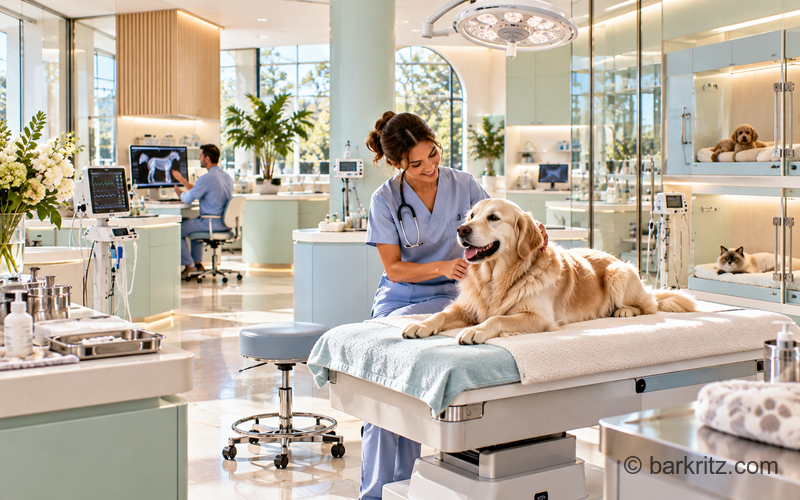
A high-quality veterinary clinic combines clean, well-organised facilities with reliable diagnostic equipment, appropriate infection-control procedures, and a team capable of explaining how its services improve patient care. Technology is valuable when it supports accurate diagnosis and safer treatment, not merely when it creates an impressive impression.
During an introductory visit, observe how the practice manages appointments, handles animals, and communicates with owners. Staff should interact calmly with patients, take time to gather relevant medical information, and explain procedures before proceeding. Cats and dogs may benefit from separate waiting areas or other measures that reduce exposure to unfamiliar animals and stressful stimuli.
Consider the following features when comparing practices:
- Diagnostic services: Access to appropriate laboratory testing, digital radiography, ultrasound, and other investigations can reduce delays when these services are clinically indicated.
- Surgical standards: Ask about anaesthetic monitoring, pain management, recovery supervision, and the procedures used to maintain sterility.
- Patient comfort: Low-stress handling, suitable examination spaces, and thoughtful arrangements for anxious animals can improve the experience of veterinary visits.
- Medical records: The practice should maintain organised records and provide copies of test results, prescriptions, and treatment plans when requested.
- Transparent pricing: Estimates should explain anticipated costs, possible additional investigations, and the circumstances in which further authorisation will be sought.
The size of a clinic is not a reliable measure of its quality. A smaller practice with excellent clinicians and established specialist partnerships may provide more suitable care than a larger facility whose services do not match your pet’s needs. Similarly, advanced imaging equipment is useful only when the clinical team can interpret the findings appropriately or arrange expert review.
Ask how the practice handles emergencies outside normal opening hours. Some clinics provide their own overnight service, while others refer patients to a dedicated emergency hospital. Either arrangement can work well, provided the process is clear, records can be transferred promptly, and urgent patients have access to appropriate care.
Which Preventive Health Services Should a Veterinary Practice Offer for Long-Term Pet Wellness?
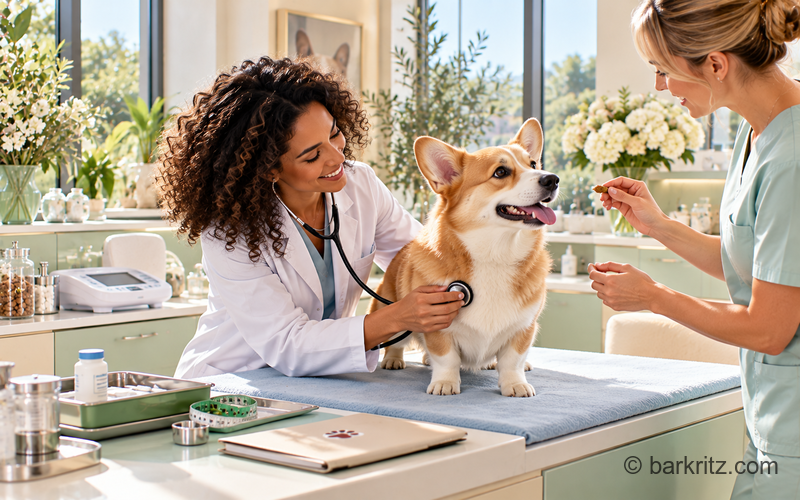
A reliable veterinary practice should offer an individualised preventive-care programme that adapts to your pet’s age, lifestyle, medical history, and risk factors rather than applying the same schedule to every animal. Preventive medicine is most effective when it identifies concerns early and supports practical decisions throughout the pet’s life.
Routine consultations create opportunities to monitor weight, dental health, mobility, skin condition, appetite, behaviour, and other indicators that may change gradually. Vaccination, parasite prevention, nutrition guidance, and screening tests should be selected according to the animal’s circumstances and current veterinary recommendations.
A comprehensive preventive-care plan may include:
- Regular wellness examinations: Establish a baseline for physical health and identify changes that may require investigation.
- Dental assessment: Evaluate gum health, tartar accumulation, oral pain, and the need for professional dental treatment.
- Nutrition and weight management: Review body condition, feeding routines, treats, and any dietary requirements associated with age or illness.
- Vaccination planning: Determine which vaccinations are appropriate based on local disease risks, lifestyle, and medical history.
- Parasite prevention: Select suitable protection against relevant parasites, taking account of travel, outdoor exposure, and regional risks.
- Age-appropriate screening: Consider blood tests, urine analysis, blood-pressure measurement, or other investigations when justified by age, breed, symptoms, or medical history.
- Behavioural and mobility monitoring: Discuss changes in sleep, activity, anxiety, movement, or social behaviour that may indicate discomfort or illness.
Preventive care should be proactive without becoming indiscriminate. Not every pet needs every available screening test at every visit. The veterinarian should explain the potential benefits, limitations, and costs of each recommendation and help you prioritise investigations according to clinical relevance.
Nutrition deserves particular attention in animals receiving premium diets, fresh-food plans, or supplements. A high price does not guarantee nutritional suitability, and supplements can interact with medication or provide unnecessary nutrients. A veterinarian can assess whether a diet is complete and appropriate for the animal’s life stage, body condition, and health status, referring to a veterinary nutrition specialist when needed.
Owners should also expect continuity. A practice that tracks changes over time can interpret a result more effectively when it is compared with previous examinations, laboratory findings, and the animal’s established baseline.
How Can You Tell Whether a Veterinarian Provides Truly Personalised Care?

Personalised veterinary care is demonstrated by careful listening, individualised recommendations, shared decision-making, and a willingness to explain both the benefits and limitations of proposed treatments. It is not defined by expensive packages, exclusive waiting rooms, or the number of optional services offered.
During the first consultation, notice whether the veterinarian asks about your pet’s daily routine, feeding habits, exercise, travel, temperament, and previous medical experiences. These details can influence preventive planning, medication choices, and the practicality of a treatment programme. An animal that travels frequently, for example, may need a different discussion of parasite prevention and travel documentation from one that rarely leaves home.
Look for these signs of a strong professional relationship:
- Attentive consultation: The veterinarian listens to your concerns and asks relevant follow-up questions before making recommendations.
- Clear explanations: Diagnoses, test results, treatment options, and potential side effects are communicated in understandable language.
- Individualised planning: Advice reflects the pet’s actual medical needs rather than a standard premium package.
- Respect for informed decisions: The clinician explains reasonable alternatives and gives you the opportunity to ask questions.
- Consistent follow-up: The practice explains when results will be available, how progress will be assessed, and whom to contact if symptoms change.
- Respectful handling: The team responds appropriately to fear, discomfort, and behavioural signals instead of forcing unnecessary interactions.
Personalised service should make veterinary care easier to navigate without creating pressure to purchase unnecessary treatments. A good clinician will distinguish between medically indicated procedures, reasonable optional services, and interventions that are unlikely to provide meaningful benefit.
Communication is especially important when a pet has a chronic condition or requires ongoing medication. Ask how prescriptions are reviewed, whether dosage changes require an examination, how repeat prescriptions are managed, and what information should be recorded at home. For complex conditions, a written care plan can help owners understand monitoring requirements and recognise signs that warrant reassessment.
Trust also depends on professional honesty. No veterinarian can guarantee a particular outcome, and a responsible clinician will acknowledge uncertainty, explain the likely range of possibilities, and recommend specialist assessment when the case exceeds the practice’s expertise.
What Questions Should You Ask Before Choosing Your Pet’s Permanent Veterinary Practice?

Before committing to a veterinary practice, ask direct questions about access, emergency arrangements, fees, communication, and continuity of care so you can judge whether its services fit your pet’s needs. A short introductory consultation or practice visit can reveal important differences that are difficult to assess through a website alone.
Use these questions as a practical starting point:
- Appointments: How far in advance are routine consultations usually booked, and are urgent appointments available on the same day?
- Emergency care: Where should patients go after hours, and how are records transferred to the emergency provider?
- Specialist referrals: Which specialists does the practice work with, and can it coordinate consultations and follow-up?
- Costs and estimates: Will you receive a written estimate before non-emergency procedures, and how are unexpected costs discussed?
- Continuity: Can you request appointments with the same veterinarian, and how are medical records shared when another clinician is needed?
- Communication: How are test results delivered, and what is the process for discussing questions after a consultation?
- Travel support: Can the practice advise on health certificates, vaccination records, and destination-specific requirements for international journeys?
- Medication management: How are repeat prescriptions, adverse reactions, and treatment reviews handled?
It is sensible to compare two or three practices before making a decision, especially if your pet has complex needs. Evaluate each one against the same criteria rather than relying on online reviews alone. Reviews can help identify recurring communication or scheduling concerns, but they cannot reliably establish clinical competence in an individual case.
Once you choose a veterinarian, establish a complete medical record that includes previous diagnoses, vaccination history, medications, allergies, test results, and details of any surgical procedures. Keep copies of important documents and make sure you know how to access them if you move or travel.
The right practice should also make it easy to seek a second opinion when appropriate. A confident, professional veterinarian understands that complex decisions sometimes benefit from specialist input and will help you obtain the relevant records.
Ultimately, the ideal veterinarian for a luxury pet is not necessarily the one with the most elaborate facilities or the most expensive service menu. It is the clinician who combines sound medicine, thoughtful prevention, clear communication, and respect for the animal’s individual character. When expertise and trust form the foundation of the relationship, premium care becomes more than a service: it becomes a considered investment in your companion’s health, comfort, and quality of life.