

How to Maintain Healthy Weight in Small Dog Breeds

Small dogs bring an extraordinary amount of personality into a relatively compact frame, but their diminutive size makes weight management particularly important. Even a modest increase in body fat can have a noticeable effect on mobility, joint health, cardiovascular function, and overall quality of life. For breeds such as Chihuahuas, Pomeranians, Yorkshire Terriers, Dachshunds, and Toy Poodles, maintaining an appropriate weight is not simply an aesthetic consideration; it is an essential part of long-term wellness.
The challenge is that small dogs often live indoors, receive frequent treats, and require surprisingly little food to meet their daily energy needs. A few extra bites can therefore represent a substantial proportion of their calorie intake. The most effective approach combines carefully measured nutrition, consistent physical activity, appropriate portion sizes, and regular monitoring. With a thoughtful routine, owners can help their companions remain energetic, agile, and comfortably fit throughout every stage of life.
What Is a Healthy Weight for Small Dog Breeds?
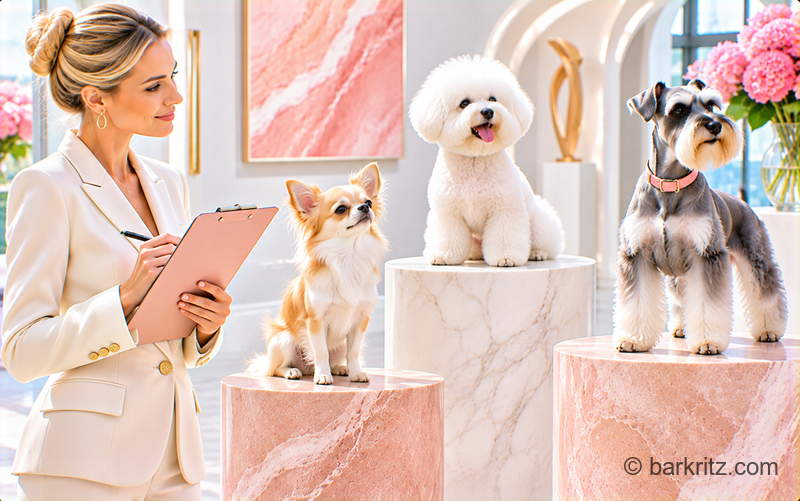
A healthy weight for a small dog is determined by its individual body structure, breed characteristics, muscle condition, and body condition score rather than by a single universal number.
Two dogs of the same breed can have different healthy weights because of variations in height, bone structure, muscle mass, and overall proportions. Breed-weight charts provide a useful starting point, but they should never replace an individual assessment by a veterinarian.
One of the most practical tools is the nine-point Body Condition Score (BCS), commonly used in veterinary medicine to evaluate whether an animal is underweight, at an appropriate weight, or overweight. For most dogs, an ideal body condition corresponds to a score of 4–5 out of 9.
Owners can look for several physical indicators:
- Ribs: should be easily felt beneath a thin layer of fat without requiring firm pressure.
- Waist: should be visible when viewed from above, narrowing behind the rib cage.
- Abdominal tuck: the abdomen should rise gently toward the hind legs when viewed from the side.
- Muscle condition: the dog should maintain healthy muscle mass rather than appearing thin or excessively rounded.
- Movement: walking, climbing, and playing should not appear unnecessarily difficult.
Typical adult weight ranges can offer a general reference, although individual standards vary:
- Chihuahua: approximately 2–6 pounds, depending on the individual and breed standard.
- Yorkshire Terrier: generally up to 7 pounds under the American Kennel Club standard.
- Pomeranian: approximately 3–7 pounds under the American Kennel Club standard.
- Toy Poodle: generally 4–6 pounds under the American Kennel Club standard.
- Dachshund: size varies considerably by variety, with miniature and standard dogs having very different weight expectations.
Owners should not attempt to make a naturally sturdy or muscular dog conform to the smallest figure on a breed chart. The objective is a healthy body condition, not an artificially low number on the scale. A veterinarian can establish an appropriate target weight and help determine whether gradual weight reduction is necessary.
How Much Should a Small Dog Eat to Maintain an Ideal Weight?
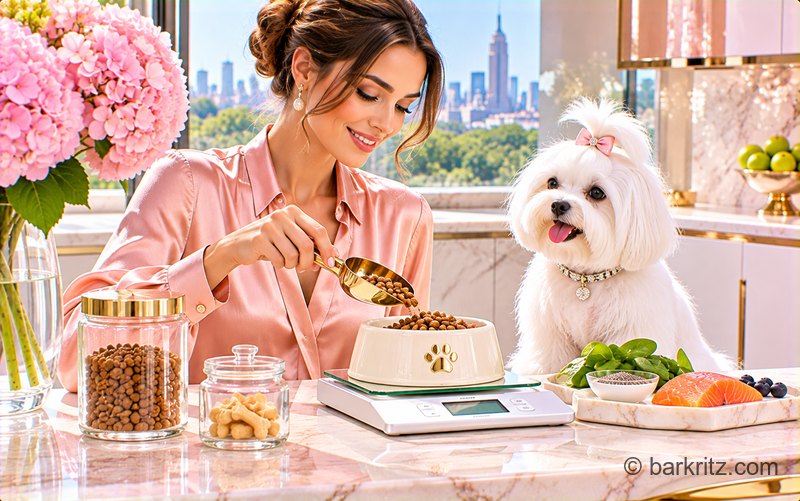
A small dog should receive a measured daily calorie allowance based on its ideal body weight, age, activity level, metabolism, and health status rather than an arbitrary portion suggested by appearance alone.
Because small breeds have relatively low daily energy requirements, inaccurate portions can quickly contribute to weight gain. A Chihuahua that receives several unmeasured treats throughout the day may consume considerably more energy than its owner realizes, even when its main meals appear modest.
The most reliable approach begins with understanding the calorie content of the dog’s food. Manufacturers generally provide feeding recommendations, but these should be treated as starting points rather than precise prescriptions.
Several principles help establish an appropriate feeding routine:
- Measure every meal: use a kitchen scale or a suitable measuring tool instead of estimating portions by eye.
- Calculate the complete daily allowance: include meals, treats, dental chews, training rewards, and food used for medication.
- Maintain consistent portions: avoid alternating between unusually large and small meals.
- Choose complete and balanced food: select a formula appropriate for the dog’s life stage and nutritional requirements.
- Reassess regularly: adjust portions gradually when body condition or activity levels change.
Treats deserve particular attention. As a general guideline, treats and other foods outside a complete and balanced diet should account for no more than 10% of a dog’s daily calorie intake, with the remaining 90% or more coming from nutritionally complete food.
For small dogs, even this allowance can be surprisingly limited. Breaking treats into tiny pieces, using part of the regular daily food ration as training rewards, and avoiding repeated table scraps can make portion control considerably easier.
Some dogs benefit from two or more smaller meals rather than one large serving. This can help establish a predictable routine and make it easier to monitor appetite, although the ideal feeding frequency depends on the individual animal.
Owners should consult a veterinarian before introducing a weight-management diet, particularly when a dog has existing medical conditions, food sensitivities, or a history of digestive problems. A nutritional plan should preserve muscle mass while reducing excess body fat, rather than simply cutting food indiscriminately.
Which Exercises Help Small Dogs Stay Fit Without Overexertion?
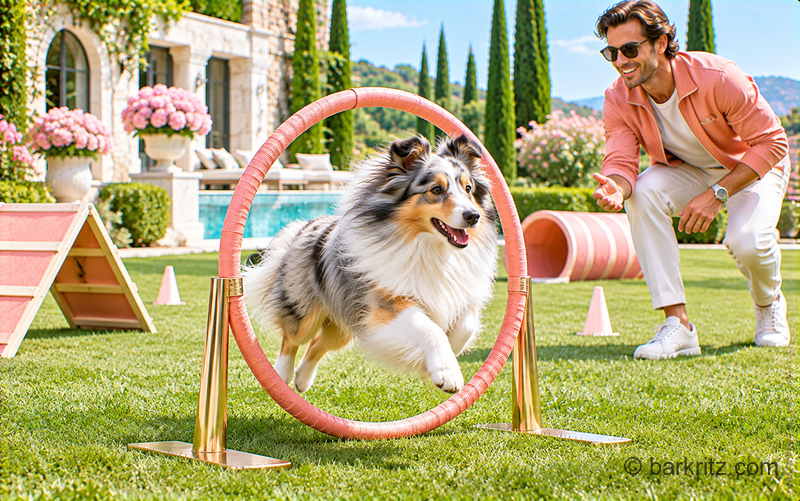
The most effective exercise routine for small dogs combines regular walks, interactive play, and age-appropriate activities that maintain muscle strength without placing excessive stress on their joints.
Small breeds are not necessarily low-energy companions. Many Chihuahuas, Jack Russell Terriers, Miniature Schnauzers, and Toy Poodles enjoy considerable activity, while other individuals may prefer shorter walks and gentler games. Exercise should reflect the dog’s physical condition, temperament, and veterinary recommendations.
A varied routine helps maintain interest while encouraging consistent movement:
- Daily walks: provide cardiovascular activity, mental stimulation, and opportunities to explore.
- Interactive games: gentle fetch, hide-and-seek, and supervised toy play encourage movement indoors.
- Training sessions: short obedience exercises combine mental engagement with light physical activity.
- Scent games: searching for hidden toys or appropriately portioned treats encourages natural investigative behavior.
- Controlled indoor movement: navigating low obstacles or practicing simple commands can provide activity when outdoor conditions are unsuitable.
The amount of exercise required differs considerably between breeds and individual dogs. A healthy adult Toy Poodle may enjoy longer walks and energetic games, while a short-legged Dachshund needs activities that respect its distinctive spinal structure.
Certain precautions are particularly important:
- Dachshunds should avoid repeated high-impact jumping and activities that place excessive strain on their backs.
- Flat-faced breeds, including some Pugs, may have reduced tolerance for strenuous exercise, especially in warm or humid weather.
- Very small dogs can be sensitive to cold temperatures and may require appropriate protection during winter walks.
- Puppies and senior dogs need exercise routines adapted to their developmental or physical limitations.
Consistency is more valuable than occasional intense activity. Several enjoyable sessions distributed throughout the day can be easier for a small dog to tolerate than one demanding workout.
Owners should watch for excessive panting, reluctance to continue, limping, unusual fatigue, or difficulty recovering after activity. These signs indicate that the routine may need adjustment and, when persistent, veterinary assessment.
How Can You Prevent Weight Gain Through Everyday Feeding and Lifestyle Habits?
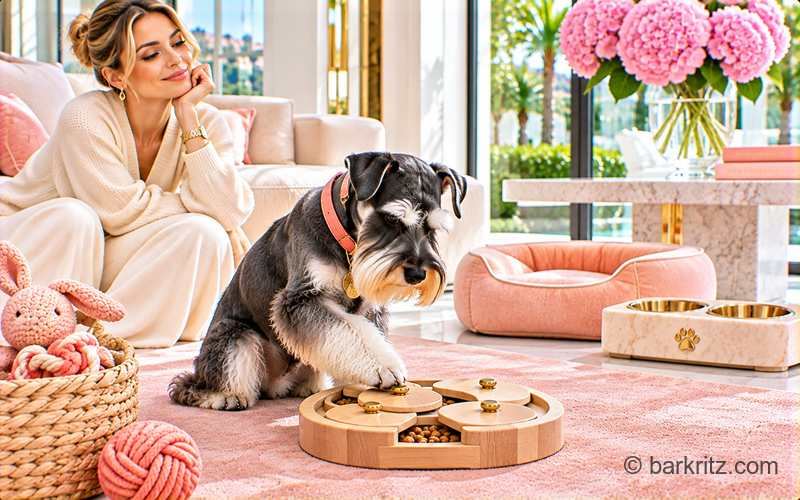
Preventing weight gain in small dogs depends on creating a consistent household routine in which food portions, treats, exercise, and family interactions all support the same nutritional goals.
Many weight-management challenges develop through seemingly insignificant habits. A dog receives a biscuit after breakfast, a piece of cheese during lunch preparation, a training reward in the afternoon, and another treat before bedtime. Each portion appears harmless, but the combined calorie intake can exceed the animal’s daily needs.
A more structured approach makes healthy choices easier for everyone in the household.
Consider introducing these practical habits:
- Establish a feeding schedule: provide meals at consistent times rather than leaving unlimited food available throughout the day, unless a veterinarian recommends otherwise.
- Create a treat allowance: decide in advance how many calories can be allocated to rewards.
- Coordinate family members: make sure everyone understands the dog’s feeding plan and avoids duplicate treats.
- Use enrichment toys: offer appropriately portioned food through puzzle feeders rather than adding unnecessary snacks.
- Maintain an activity routine: schedule walks and play sessions as part of the dog’s daily lifestyle.
- Monitor body condition: check the waistline and rib coverage regularly rather than relying exclusively on visual impressions.
Food puzzles and slow feeders can be particularly useful for dogs that eat quickly or appear constantly interested in food. They encourage more deliberate eating and provide mental stimulation without necessarily increasing calorie intake.
It is also important to recognize that begging does not always indicate hunger. Dogs may learn to associate attention, affection, and interaction with receiving food. Owners can reinforce positive behavior through play, grooming, praise, and companionship instead of automatically offering another snack.
A weekly weighing routine can help identify gradual changes, especially in very small breeds. However, weighing should be interpreted alongside body condition and muscle development. A dog may gain weight while appearing relatively unchanged to an owner who sees it every day.
When Should You Seek Veterinary Advice About Your Small Dog’s Weight?
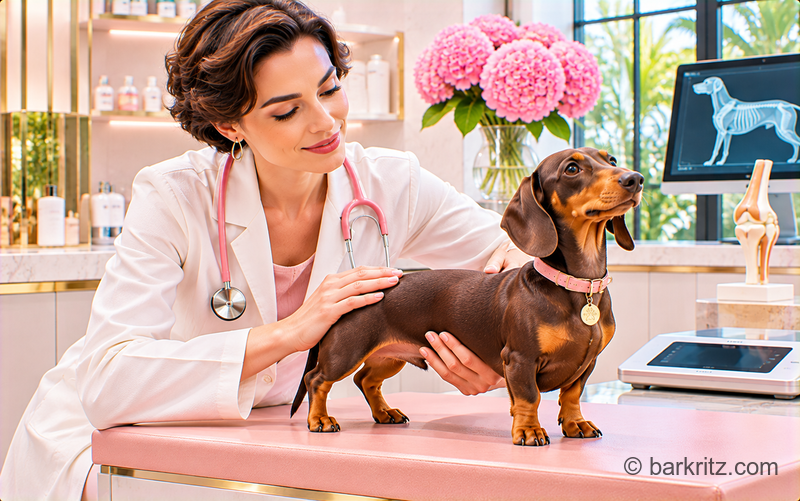
Veterinary advice is essential when a small dog gains weight unexpectedly, struggles to lose excess body fat, develops changes in appetite, or shows signs that its weight is affecting mobility and general health.
Weight gain is not always the result of excessive feeding or insufficient exercise. Certain medical conditions, medications, hormonal changes, and age-related reductions in activity can influence body composition and energy requirements.
A professional assessment can help distinguish lifestyle-related weight gain from an underlying health problem.
Owners should arrange a veterinary consultation if they notice:
- Rapid or unexplained weight gain: particularly when food intake and activity have not changed.
- Persistent difficulty losing weight: despite carefully measured portions and an appropriate exercise routine.
- Reduced mobility: reluctance to climb stairs, jump, walk, or participate in familiar activities.
- Changes in appetite or thirst: especially when accompanied by weight fluctuations.
- Loss of muscle definition: which may indicate that changes in body composition are more complex than simple weight gain.
- Unusual fatigue or breathing difficulties: particularly during activities the dog previously tolerated comfortably.
Excess body fat can place additional strain on joints and may increase the risk of metabolic and other health complications. In small dogs, the consequences can be especially noticeable because even a relatively modest amount of additional weight represents a significant proportion of their total body mass.
A veterinarian can calculate an appropriate calorie target, assess muscle condition, recommend suitable food, and establish a realistic rate of weight reduction if necessary. Weight loss should be gradual and monitored; severe calorie restriction can lead to nutritional deficiencies and loss of valuable muscle tissue.
Senior dogs may need particular attention because declining activity, changes in muscle mass, and age-related health conditions can alter their nutritional requirements. Puppies also require carefully balanced nutrition to support normal growth, so restrictive weight-loss diets should never be introduced without veterinary direction.
Maintaining a healthy weight in a small dog is ultimately an expression of attentive, informed care. Thoughtfully measured meals, suitable exercise, controlled treats, and regular health assessments create a foundation for lasting well-being. The goal is not simply a slimmer silhouette, but a companion who moves comfortably, enjoys daily activities, and retains the vitality to make the most of every year.