

Turkish Angora Traits and Care Guide
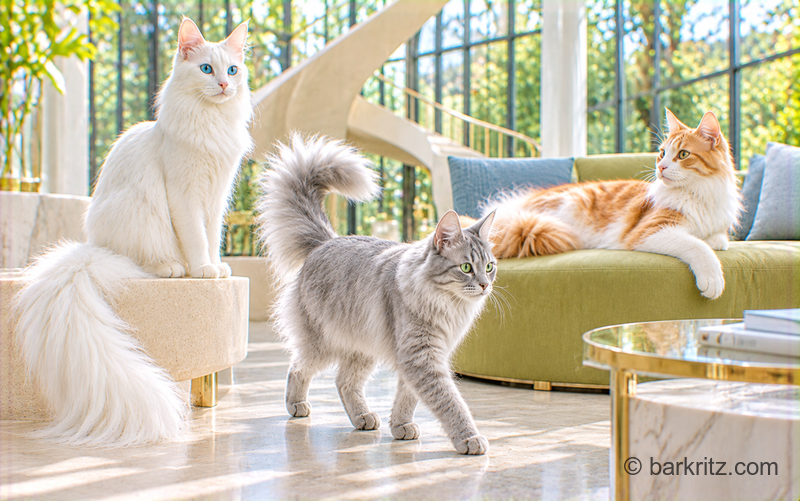
Elegant, athletic, and remarkably expressive, the Turkish Angora is one of the most distinctive natural cat breeds, celebrated for its silky coat, graceful proportions, and lively intelligence. Often associated with a pristine white appearance, this historic breed actually comes in a variety of beautiful colors and patterns, each revealing a different expression of its refined feline character.
Beyond its striking appearance, the Turkish Angora possesses a spirited personality that makes it an engaging companion. These cats are typically curious, socially attentive, playful, and deeply interested in their surroundings. They enjoy interaction and mental stimulation, often forming particularly close relationships with the people who share their homes.
Caring for a Turkish Angora means understanding both its physical elegance and its active temperament. Its coat requires thoughtful maintenance, its athletic nature benefits from daily enrichment, and responsible health care helps preserve its well-being throughout every stage of life.
What Are the Distinctive Physical Characteristics of the Turkish Angora?
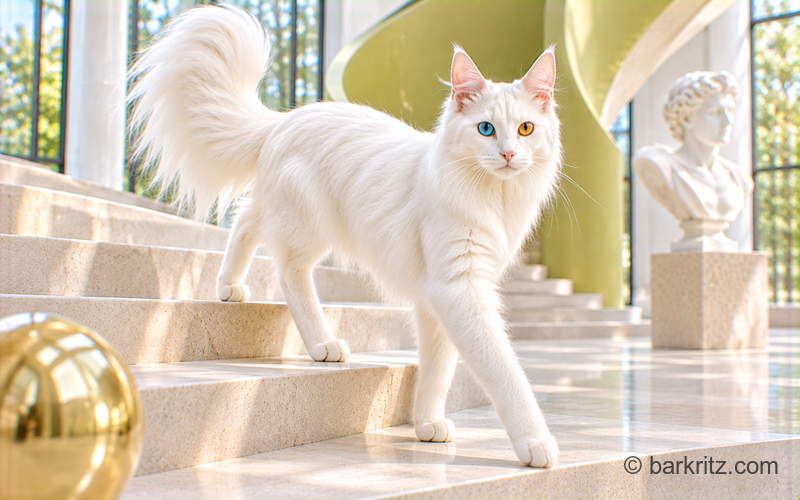
The Turkish Angora is distinguished by its elegant, fine-boned physique, silky semi-long coat, large expressive ears, and graceful, fluid movements.
This breed has a naturally athletic silhouette rather than the heavier proportions associated with some other longhaired cats. Its body is slender but muscular, with long legs, a fine-boned structure, and a long, tapering tail carried with remarkable elegance.
The head is moderately long, with a smooth wedge-shaped outline and a gently rounded profile. Large ears sit high on the head, contributing to the breed’s alert expression, while almond-shaped eyes may appear green, amber, blue, or other colors depending on the individual cat’s coat genetics.
Although white Turkish Angoras remain particularly recognizable, the breed is not exclusively white. Recognized coat colors and patterns vary between registries and may include:
- White: the classic appearance, often associated with the breed’s historical image.
- Black: a sleek, dramatic coat that emphasizes the cat’s elegant outline.
- Blue: a soft, uniform gray coloration with a refined appearance.
- Red and cream: warmer shades that create a distinctive contrast with the breed’s bright eyes.
- Tabby: patterned coats featuring stripes or other characteristic markings.
- Tortoiseshell and other combinations: varied distributions of color that make individual cats visually distinctive.
The Turkish Angora’s coat is generally silky and relatively fine, with little to no dense woolly undercoat compared with many other longhaired breeds. Its tail is particularly impressive, often appearing as a flowing plume.
The breed also develops gradually. Kittens may have a less pronounced coat and body structure, with their characteristic elegance becoming more apparent as they mature. Full physical development can take several years.
One important distinction concerns eye color and hearing. Blue eyes and white coats are associated with an increased risk of congenital deafness in cats, particularly when the white coloration is genetically linked to this condition. Some white cats with blue eyes have normal hearing, while others may have unilateral or bilateral hearing loss. A BAER hearing test can help establish an individual’s hearing status.
The Turkish Angora’s appeal lies in the balance between delicate appearance and athletic construction: an elegant cat with the physical capabilities of an agile, energetic hunter.
What Is the Turkish Angora’s Temperament and Personality Like?
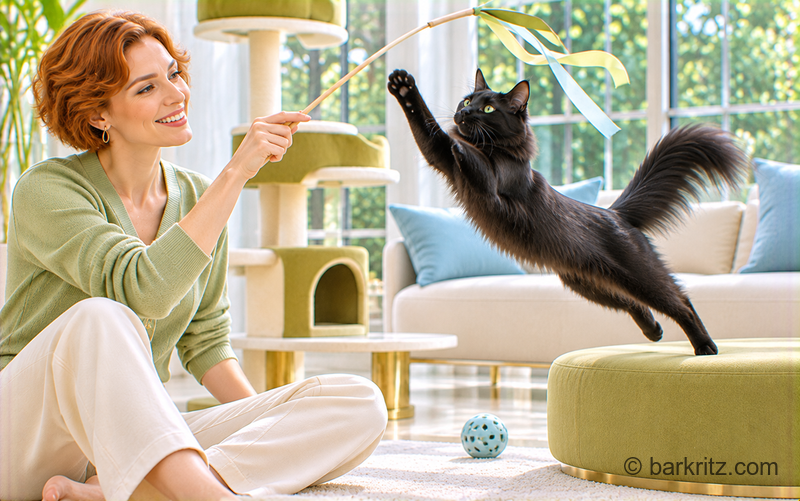
The Turkish Angora is generally intelligent, energetic, affectionate, and curious, making it an engaging companion for owners who appreciate an interactive and socially attentive cat.
Unlike cats that prefer to remain unnoticed throughout the day, Turkish Angoras often enjoy being involved in household activities. They may follow their owners between rooms, investigate unfamiliar objects, and seek opportunities to participate in everyday routines.
Their intelligence is one of their most recognizable personality traits. Many individuals learn household patterns quickly and can become skilled at opening doors, exploring cabinets, or discovering how interactive toys work. Puzzle feeders and reward-based training can provide valuable mental stimulation.
Common temperament characteristics include:
- Social engagement: many Turkish Angoras enjoy human company and prefer environments where they receive regular attention.
- Playfulness: their athletic bodies and curiosity make climbing, chasing, and interactive games particularly appealing.
- Intelligence: they often respond well to training, problem-solving activities, and consistent routines.
- Confidence: many individuals are comfortable exploring new environments once they feel secure.
- Affection: they may develop close relationships with their owners, although individual preferences for physical contact vary.
- Vocal communication: some are quite communicative, using a range of sounds to attract attention or express interest.
Their relationship with children and other animals depends largely on socialization, individual temperament, and the quality of introductions. A well-socialized Turkish Angora may coexist successfully with respectful children and compatible pets, but interactions should always be supervised and animals should have opportunities to retreat.
Their energy level is an important consideration. A Turkish Angora that receives insufficient stimulation may become restless or find its own entertainment, sometimes by climbing furniture or investigating objects that owners would prefer left undisturbed.
A stimulating home environment should include:
- Tall, stable cat trees and climbing structures.
- Interactive toys that encourage chasing and problem-solving.
- Elevated resting platforms and secure window perches.
- Regular play sessions with wand toys.
- Rotating toys to maintain curiosity and prevent boredom.
Although affectionate, the Turkish Angora is not necessarily a lap cat at every moment. Some individuals prefer to remain close to their owners without constant physical contact. Respecting these preferences helps build a trusting relationship.
For owners seeking an intelligent, active, and socially engaging feline companion, the Turkish Angora offers a particularly rewarding personality.
How Should You Groom and Maintain a Turkish Angora’s Silky Coat?
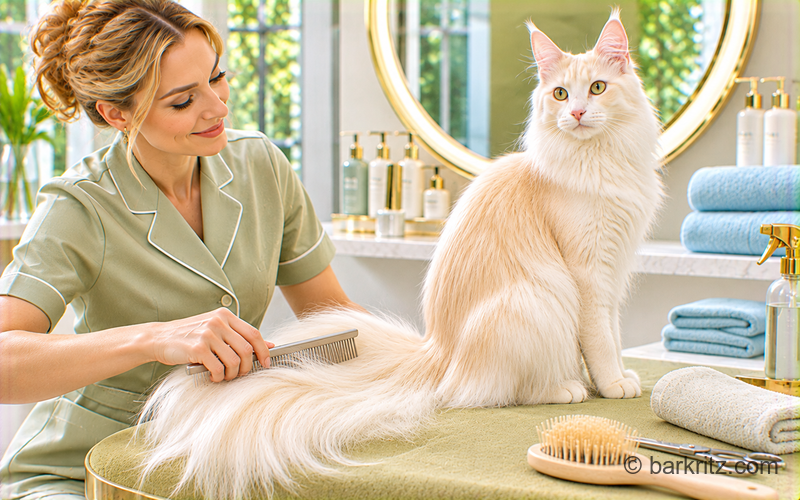
The Turkish Angora’s silky semi-long coat is relatively manageable compared with many dense longhaired breeds, but regular brushing is essential for preventing tangles and maintaining its natural condition.
Its fine-textured fur typically lacks the heavy undercoat found in breeds such as the Persian. This gives the coat a lighter, flowing appearance and often reduces the tendency toward severe matting. Nevertheless, loose hair can accumulate, particularly during seasonal shedding.
A practical grooming routine should include several elements:
- Brushing: use a soft slicker brush or suitable metal comb approximately two or three times per week, adjusting frequency according to shedding and coat condition.
- Seasonal maintenance: increase brushing during periods of heavier shedding to remove loose hair.
- Tail care: pay particular attention to the long, plume-like tail, where loose fur can become tangled.
- Ear inspection: check the ears regularly for excessive wax, redness, or unusual discharge.
- Nail trimming: maintain the claws with regular inspections and appropriate trimming.
- Dental hygiene: introduce toothbrushing with a feline-specific toothbrush and toothpaste as early as possible.
Bathing is not usually necessary on a frequent schedule. A healthy Turkish Angora generally maintains its coat through normal self-grooming, and excessive bathing can remove natural oils or irritate sensitive skin. When a bath is necessary, use products formulated specifically for cats.
Dental care deserves particular attention because periodontal disease is common among domestic cats. Regular brushing and veterinary dental examinations help identify problems before they become advanced.
The breed’s white individuals may show visible staining around the eyes or mouth. Gentle cleaning with a soft, damp cloth can help maintain cleanliness, but persistent discharge, irritation, or discoloration should be discussed with a veterinarian rather than treated as a purely cosmetic concern.
Hair ingestion during grooming can contribute to hairballs. Regular brushing helps reduce the amount of loose fur a cat swallows, although repeated vomiting, constipation, or changes in appetite should never automatically be attributed to hairballs.
A consistent, gentle grooming routine also provides an opportunity to notice changes in the skin, coat, body condition, and general health. For the Turkish Angora, coat care is therefore as much about preventive observation as it is about appearance.
What Nutrition and Exercise Does a Turkish Angora Need to Stay Healthy?
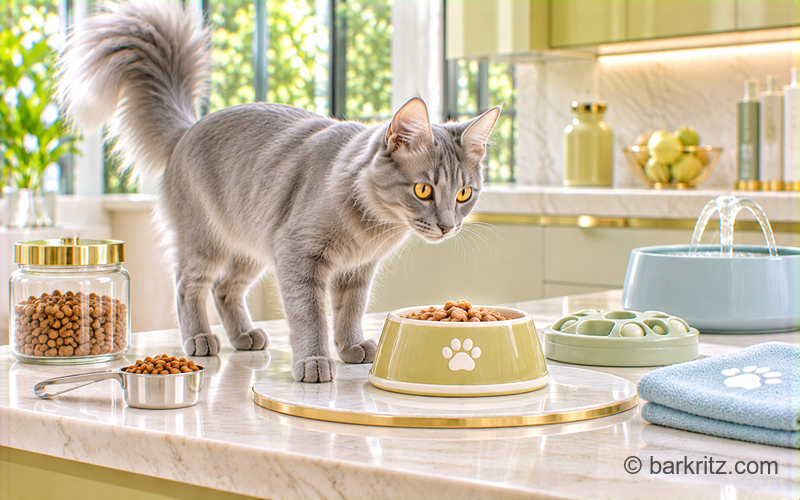
A Turkish Angora thrives on a complete, balanced feline diet combined with regular interactive exercise that supports its naturally athletic body and active temperament.
As obligate carnivores, cats require diets formulated to provide appropriate levels of animal-derived nutrients, including essential amino acids such as taurine. Their nutritional requirements should be met through a complete commercial diet or a carefully formulated veterinary nutrition plan.
The appropriate food depends on the cat’s age, body condition, activity level, reproductive status, and individual health. Kittens require diets designed for growth, adults need balanced maintenance nutrition, and senior cats may benefit from adjustments based on their changing health requirements.
Important nutritional considerations include:
- High-quality protein: supports muscle maintenance and normal body function.
- Essential fatty acids: contribute to healthy skin and coat condition.
- Taurine: an essential feline nutrient required for normal heart and eye function.
- Appropriate calorie intake: helps maintain a lean, athletic body condition.
- Adequate hydration: supports normal urinary and kidney function.
- Life-stage suitability: ensures that nutritional composition matches the cat’s changing needs.
Wet food can contribute to daily water intake, while fresh drinking water should always be available. Some cats prefer wide, shallow bowls, while others show greater interest in circulating water fountains.
Portion sizes should be adjusted according to the individual cat rather than determined solely by feeding instructions on packaging. Regularly monitoring body condition and weight helps identify gradual changes before they become more difficult to manage.
Physical activity is equally important. Turkish Angoras are naturally agile and generally benefit from several short interactive play sessions throughout the day.
Suitable activities include:
- Chasing wand toys that imitate the movement of prey.
- Climbing and exploring stable vertical structures.
- Searching for treats in puzzle feeders.
- Practicing simple reward-based training exercises.
- Exploring supervised, secure outdoor enclosures when available.
Because the breed is often curious and adventurous, environmental safety should not be overlooked. Secure windows, protected balconies, and appropriate supervision help reduce the risks associated with climbing and exploring.
The goal is to preserve the Turkish Angora’s natural athleticism without encouraging excessive feeding or overexertion. A balanced diet, consistent activity, and regular veterinary weight assessments provide a strong foundation for long-term health.
What Health Problems Should Turkish Angora Owners Know About?
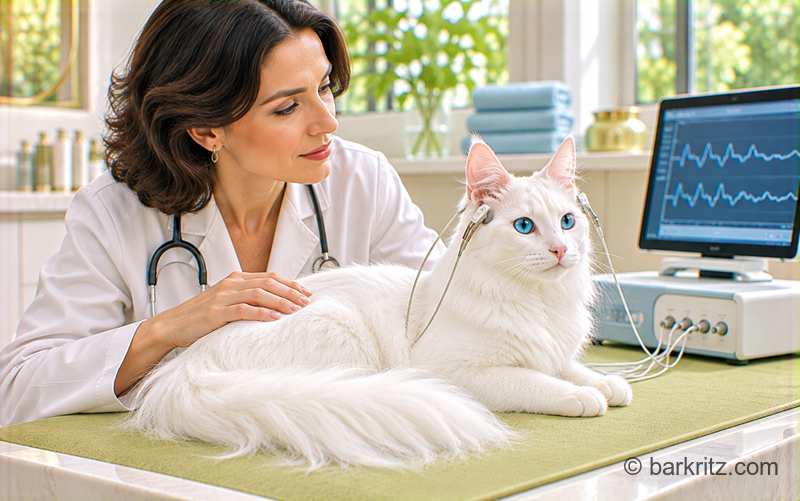
Turkish Angoras are generally considered a healthy, athletic breed, but responsible owners should pay particular attention to hearing, inherited conditions, dental health, and routine preventive veterinary care.
One of the best-known health considerations involves congenital deafness in some white cats, particularly those with blue eyes. The association is related to pigmentation genetics rather than being an inevitable characteristic of the Turkish Angora breed itself. Hearing can be normal, partially impaired, or absent in one or both ears.
A BAER (Brainstem Auditory Evoked Response) test is the established method for evaluating hearing in cats. Responsible breeders should be willing to discuss hearing assessment and provide relevant information about the kitten’s health history.
Another condition worth understanding is hypertrophic cardiomyopathy (HCM), a disease in which the heart muscle becomes abnormally thick. HCM occurs in domestic cats of various breeds, and its prevalence in Turkish Angoras is not as clearly established as in some recognized predisposed breeds. Veterinary examination and echocardiography may be recommended when clinical findings, family history, or other risk factors justify further investigation.
A responsible health program should include:
- Regular veterinary examinations: assess general condition, weight, heart, eyes, ears, and oral health.
- Hearing evaluation: particularly important for white cats with blue eyes or suspected hearing difficulties.
- Cardiac assessment: investigate heart murmurs or other concerning findings when identified by a veterinarian.
- Dental examinations: monitor gum health, plaque accumulation, and signs of periodontal disease.
- Vaccination and parasite prevention: follow a schedule appropriate to the cat’s age, lifestyle, and regional risks.
- Reproductive health: discuss appropriate timing of spaying or neutering with a veterinarian.
The breed’s active nature can sometimes make changes in health less immediately obvious. Owners should therefore pay attention to alterations in appetite, weight, grooming habits, activity, breathing, and social behavior.
For white cats that spend time outdoors, protection from prolonged direct sunlight is also important. Lightly pigmented ears and other exposed areas can be more susceptible to sun damage. Keeping cats indoors during intense sunlight and discussing any skin changes with a veterinarian are sensible precautions.
When selecting a Turkish Angora kitten, ask the breeder about the parents’ health, hearing history, veterinary records, and any known inherited conditions in the lineage. A responsible breeder should welcome questions and provide transparent documentation.
The Turkish Angora’s natural elegance is matched by its lively intelligence and athletic character. With appropriate nutrition, regular grooming, environmental enrichment, and preventive veterinary care, this remarkable breed can enjoy a fulfilling life as an affectionate and engaging companion. The finest care recognizes not only the beauty of its silky coat and graceful silhouette, but also the individual needs that support its health and happiness throughout every stage of life.