

How to Mix Pet Accessories with Home Decor
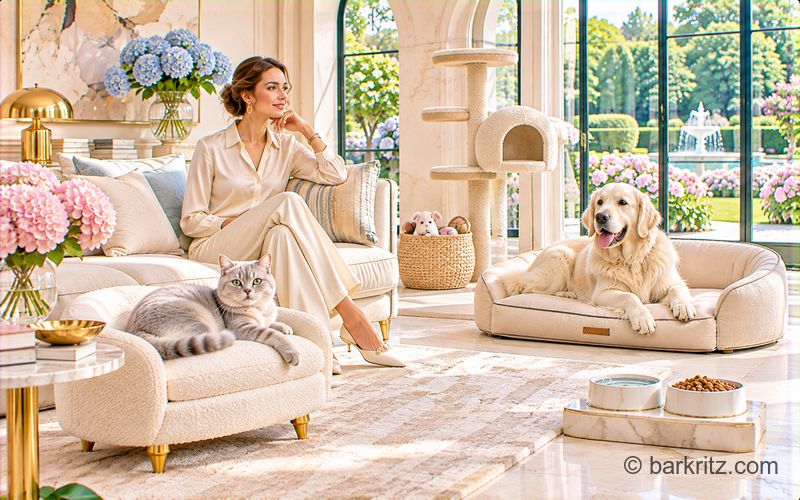
A beautifully designed home is defined not only by its furniture, artwork, and architectural details, but also by the objects that make everyday life comfortable. For households with dogs and cats, pet accessories are an increasingly visible part of the interior landscape. Feeding stations, beds, scratching posts, toys, carriers, and storage solutions no longer need to look like practical afterthoughts; with thoughtful selection, they can become natural extensions of a carefully curated home.
The art of integrating pet accessories with interior design lies in finding a balance between aesthetics, functionality, and the individual needs of an animal. A sculptural feeding station can complement a contemporary kitchen, a beautifully upholstered pet bed can feel at home in a formal living room, and a carefully chosen scratching structure can become an architectural feature rather than an eyesore.
The most successful approach treats pet accessories as part of the home’s overall design language, considering materials, proportions, textures, colors, and placement with the same attention given to every other furnishing.
How Can You Match Pet Beds and Furniture with Your Interior Design Style?
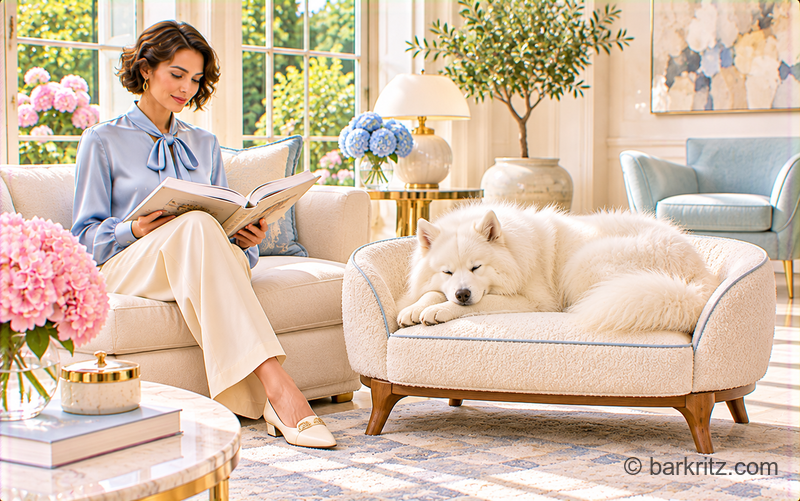
The most harmonious pet beds and furniture are those that echo the shapes, materials, and visual character of the room while providing genuine comfort for the animal.
A pet bed occupies a surprisingly prominent position in many homes, particularly when a dog or cat prefers to rest near its owners. Rather than hiding it in an unused corner, consider its placement as part of the room’s furniture arrangement.
In a contemporary interior, a low-profile bed with clean lines, neutral upholstery, and a discreet frame can complement minimalist furniture. Traditional rooms benefit from more decorative silhouettes, textured fabrics, and refined detailing. In coastal or country-inspired interiors, natural fibers and relaxed upholstery can create a softer visual connection.
Consider these combinations:
- Contemporary interiors: geometric pet beds, smooth upholstery, discreet metal details, and sculptural wooden frames.
- Classic interiors: upholstered beds with elegant piping, traditional wood finishes, and subtle decorative detailing.
- Mid-century modern rooms: tapered wooden legs, warm walnut finishes, and simple rectangular silhouettes.
- Coastal interiors: washable linen-look fabrics, woven textures, pale wood, and soft blue accents.
- Country-estate settings: natural canvas, durable cotton, textured wool, and understated leather details.
Proportion matters as much as appearance. A bed should accommodate the animal’s natural sleeping position without dominating the room. Large dogs need sufficient space to stretch out, while cats often appreciate raised or enclosed resting places that offer a sense of security.
Material selection deserves particular attention. Removable covers, durable upholstery, and washable inserts make maintenance easier, especially in homes where pets spend considerable time on sofas, chairs, and rugs. Avoid delicate fabrics that snag easily or finishes that become difficult to clean.
A well-chosen pet bed should look as though it belongs in the room, but its primary purpose remains providing a comfortable place for the animal to rest.
Which Colors and Materials Make Pet Accessories Feel Like Part of a Refined Home?
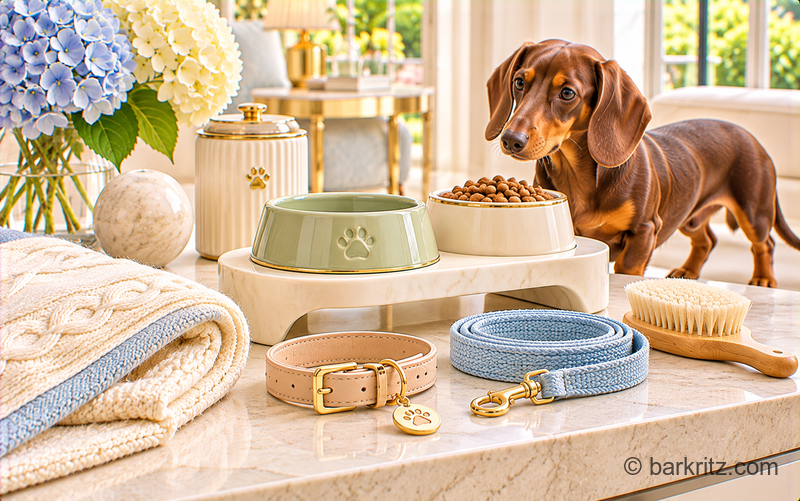
The easiest way to integrate pet accessories into an established interior is to repeat a limited selection of its colors, finishes, and textures rather than introducing an entirely separate decorative palette.
A home with warm oak flooring, ivory upholstery, and natural stone surfaces will feel more cohesive when pet accessories follow a similar visual direction. A bright contemporary apartment with polished metal, glass, and cool-toned furniture may benefit from accessories in pale gray, soft blue, or restrained monochromatic shades.
Color coordination does not require exact matching. Subtle tonal relationships often look more sophisticated than identical colors throughout a room.
Useful combinations include:
- Ivory and natural oak: suitable for Scandinavian-inspired interiors and understated contemporary spaces.
- Sage green and walnut: an elegant pairing for traditional rooms and interiors with botanical influences.
- Powder blue and pale stone: particularly attractive in coastal-inspired and light-filled homes.
- Charcoal and brushed metal: appropriate for modern apartments with architectural finishes.
- Blush and warm beige: a softer combination for bedrooms, dressing rooms, and romantic interiors.
Materials should also complement the room while standing up to everyday use.
Natural wood brings warmth to modern spaces, while ceramic feeding bowls introduce a tactile, architectural quality. Leather details can connect a pet’s accessories with existing furniture or decorative objects, although they should be selected with durability and cleaning requirements in mind.
For textiles, consider tightly woven upholstery, removable cotton covers, washable performance fabrics, and materials that resist excessive hair retention. Delicate boucle, loosely woven linen, and easily snagged fabrics may require additional care in homes with active pets or animals with long claws.
It is equally important to consider safety. Avoid finishes that may be harmful if chewed, loose decorative elements that can be swallowed, and unstable furniture that could tip during play. A beautiful material is only a successful choice when it is appropriate for the animal using it.
How Can You Integrate Feeding Stations, Bowls, and Pet Storage into a Stylish Kitchen?
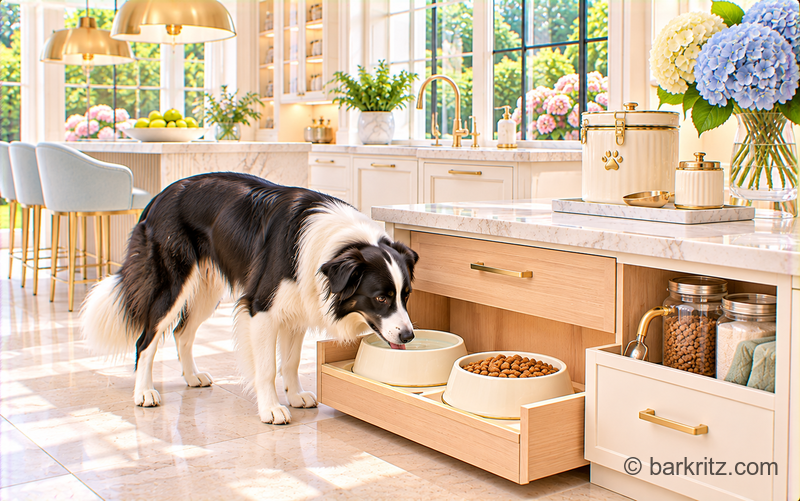
A thoughtfully designed feeding station should feel like a natural part of the kitchen, combining easy cleaning, appropriate placement, and materials that complement the cabinetry and surrounding surfaces.
Food and water bowls are among the most frequently used pet accessories, which makes their location and design particularly important. Instead of placing them wherever space happens to be available, consider creating a dedicated feeding area with enough room for the animal to eat comfortably.
Built-in feeding drawers, low cabinetry niches, and discreet pull-out platforms can help keep the kitchen organized. For homes with larger dogs, a raised feeding station may be worth considering if recommended for the individual animal, although elevation is not appropriate for every dog and should not be assumed to improve digestion.
The visual treatment can be surprisingly elegant:
- Ceramic bowls: introduce refined colors and tactile finishes while remaining easy to clean.
- Stainless-steel bowls: offer durability and straightforward maintenance, particularly for everyday use.
- Stone-look feeding platforms: complement marble, limestone, and contemporary kitchen surfaces.
- Wooden bowl stands: connect pet accessories with natural cabinetry and furniture finishes.
- Concealed storage drawers: keep food containers, measuring scoops, and feeding accessories organized.
Storage deserves the same attention as the feeding station itself. Airtight food containers help preserve freshness, while dedicated drawers can accommodate treats, grooming supplies, waste bags, and cleaning essentials.
For a more integrated appearance, select containers that coordinate with the kitchen’s hardware and finishes. A set of simple ceramic canisters or carefully designed storage boxes can look considerably more harmonious than brightly colored packaging left on the counter.
Hygiene should remain central to the design. Feeding surfaces need to be easy to wipe down, bowls should be cleaned regularly, and food should be stored according to its packaging instructions. Keep cleaning products and potentially hazardous ingredients securely out of reach.
A beautiful feeding station is ultimately one that makes everyday routines easier for both the animal and its owner.
How Can You Make Cat Trees, Scratching Posts, and Pet Play Areas Complement Your Decor?
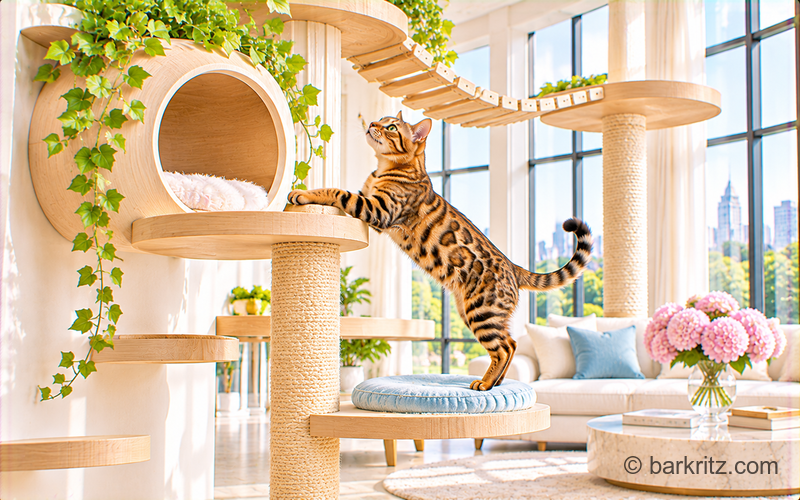
The most successful pet play areas combine appropriate enrichment with architectural forms, attractive materials, and carefully considered placement.
Cats need opportunities to climb, scratch, observe their surroundings, and retreat to comfortable resting places. These needs can be accommodated without relying on brightly colored plastic structures or visually dominant furniture.
Modern cat furniture increasingly draws inspiration from interior architecture. Wall-mounted climbing shelves, sculptural scratching posts, integrated window perches, and modular structures can provide useful activity while maintaining a coherent design aesthetic.
For different interior styles, consider:
- Minimalist apartments: wall-mounted platforms, simple vertical scratching panels, and discreet monochromatic structures.
- Contemporary homes: sculptural climbing towers, curved plywood forms, and modular furniture.
- Classic interiors: upholstered window perches, natural wood scratching posts, and refined fabric-covered hideaways.
- Large open-plan residences: freestanding climbing structures that create a dedicated activity zone without obstructing circulation.
Material choice is particularly important. Sisal remains a popular scratching surface because it provides a satisfying texture for many cats. Natural wood can create attractive climbing structures, while washable cushions and removable fabric covers make resting platforms easier to maintain.
Placement should reflect feline behavior rather than purely decorative preferences. Cats often appreciate elevated positions from which they can observe a room, and many enjoy resting near windows where they can watch outdoor activity. Scratching posts should be stable and tall enough for the cat to stretch fully.
Dogs also benefit from dedicated play and relaxation zones. A carefully selected toy basket, washable play mat, or compact storage bench can keep toys accessible without allowing them to spread throughout the living room.
The objective is not to conceal every sign of pet ownership. It is to give animals appropriate spaces for natural behavior while ensuring that those spaces contribute positively to the home’s visual character.
How Can You Organize Pet Accessories Without Creating Visual Clutter?
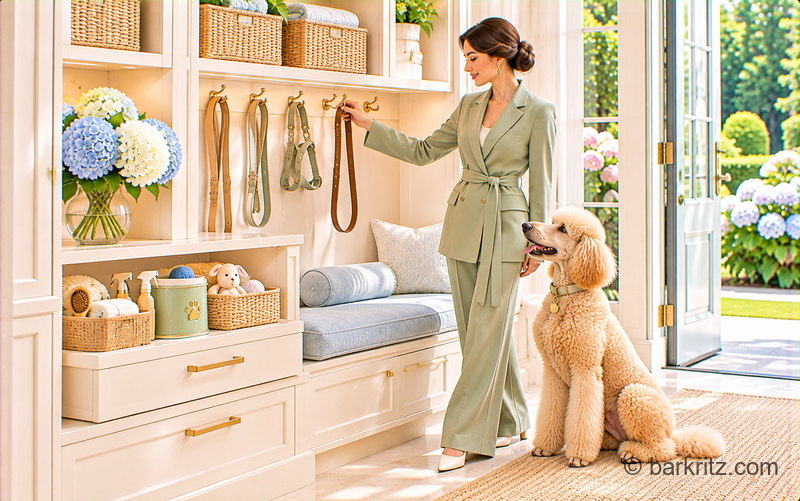
The most elegant pet-friendly interiors rely on purposeful storage, consistent materials, and a carefully edited selection of accessories that keeps everyday essentials accessible without overwhelming the room.
Even beautifully designed pet products can create visual disorder when too many are displayed at once. Leashes, harnesses, grooming brushes, toys, treats, blankets, and travel accessories all require convenient storage, but they do not need to occupy visible surfaces throughout the home.
A considered organization system begins by identifying where each item is used. Walking accessories belong near the entrance, feeding supplies should remain close to the kitchen, and grooming products are best stored near the place where routine care takes place.
Useful storage solutions include:
- Entrance cabinetry: concealed hooks, drawers, and baskets for leads, harnesses, coats, and walking bags.
- Decorative baskets: attractive containers for frequently used toys and blankets in living areas.
- Built-in cabinetry: discreet compartments for food, treats, grooming equipment, and cleaning supplies.
- Bedroom storage: dedicated drawers for spare bedding, travel accessories, and seasonal pet clothing.
- Multipurpose furniture: benches, side tables, and storage ottomans that provide practical space without introducing additional visual clutter.
Consistency creates a more polished result. Choose a small family of storage materials and repeat them throughout the home. For example, woven baskets in the living room can coordinate with natural wood cabinetry, while leather hooks and metal fittings in the entrance can echo existing hardware.
Regular editing is equally valuable. Remove damaged toys, replace worn accessories, wash pet blankets, and keep only the items currently in use within easy reach. Seasonal clothing, travel equipment, and occasional-use accessories can be stored separately.
It is also important to keep potentially dangerous items securely out of reach. Medication, cleaning products, small detachable accessories, and food that may be harmful to animals should never be stored in accessible open baskets or low cabinets.
Ultimately, the most sophisticated pet-friendly home is not one in which every accessory is hidden, but one in which each object has a considered place. When pet beds, feeding stations, toys, and storage are selected with the same design discipline as the rest of the interior, practical necessities become part of a coherent living environment. The result is a home that feels beautifully composed while remaining genuinely welcoming to its four-legged residents.