

How to Choose Pet Shoes and When They Actually Help
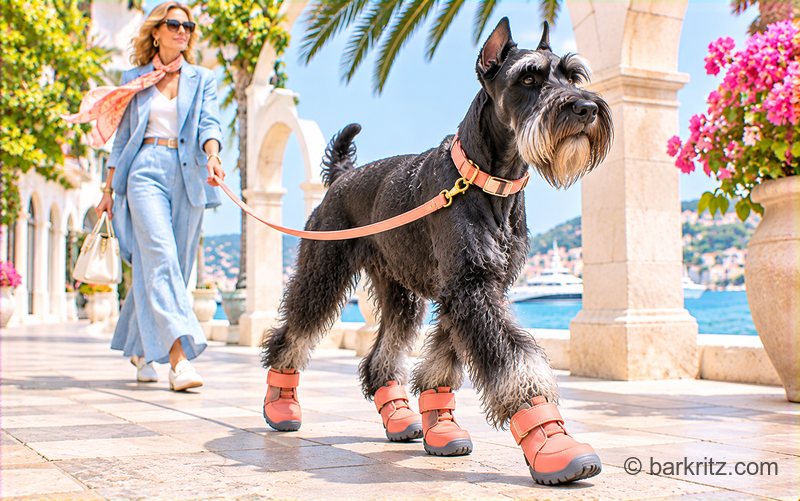
Pet footwear has evolved from a specialized protective accessory into a considered part of modern pet styling, with designs ranging from lightweight breathable booties to weather-resistant walking shoes and elegant protective paw covers. For dogs navigating city streets, exploring rugged landscapes, or accompanying their owners through changing seasons, the right footwear can offer practical benefits beyond appearance.
Yet pet shoes are not universally necessary. Healthy paws are naturally equipped to handle many everyday surfaces, and poorly fitted footwear can cause discomfort, restrict movement, or interfere with natural traction. The decision to introduce shoes should therefore be guided by the animal’s environment, physical needs, and individual tolerance.
For discerning owners, the ideal choice combines functional protection, appropriate materials, precise sizing, and understated design. Understanding when footwear genuinely helps—and when bare paws are preferable—is the foundation of a thoughtful pet wardrobe.
When Do Dogs Actually Need Shoes for Paw Protection?
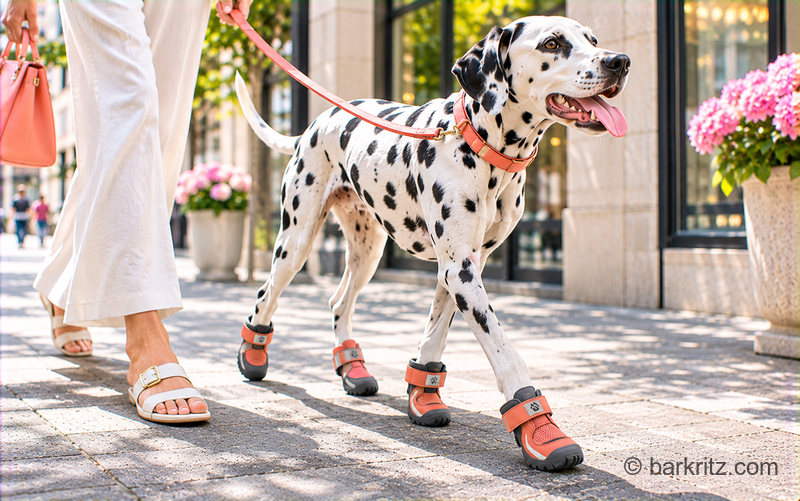
Dog shoes are most useful when environmental conditions expose paws to surfaces or substances that can cause injury, irritation, or excessive discomfort.
In ordinary conditions, healthy canine paw pads provide natural protection against everyday walking surfaces. However, extreme temperatures, abrasive terrain, chemical treatments, and certain medical conditions can make additional protection worthwhile.
Hot pavement is one of the most important reasons to consider protective footwear. Asphalt and other urban surfaces can become considerably hotter than the surrounding air, creating a risk of paw-pad burns. Shoes may provide an additional barrier, although avoiding excessively hot surfaces and walking during cooler hours remain the best precautions.
Winter conditions can also justify footwear. Ice, compacted snow, sharp frozen surfaces, and road-treatment chemicals may irritate or injure sensitive paws. Some dogs are particularly uncomfortable when snow accumulates between their toes.
Other situations in which protective shoes may help include:
- Rough hiking terrain: gravel, sharp stones, thorny vegetation, and rugged trails can cause abrasions or cuts.
- Urban environments: broken glass, rough pavement, and debris may present localized hazards.
- Chemical exposure: de-icing salts and certain outdoor substances can irritate paw pads and should be avoided or carefully washed off.
- Veterinary recovery: a veterinarian may recommend a protective boot for a specific injury or recovery plan.
- Paw sensitivity: dogs with existing irritation or certain skin conditions may benefit from temporary protection under veterinary guidance.
It is important to distinguish protection from convenience. A dog does not automatically need shoes simply because it walks on city streets or accompanies its owner to fashionable destinations.
Observe the paws after walks. Persistent licking, redness, tenderness, limping, cracks, or visible injuries deserve attention. Footwear should never be used to conceal an untreated problem, and a veterinarian should assess suspected burns, wounds, or persistent discomfort.
Which Pet Shoe Materials and Designs Offer the Best Protection?
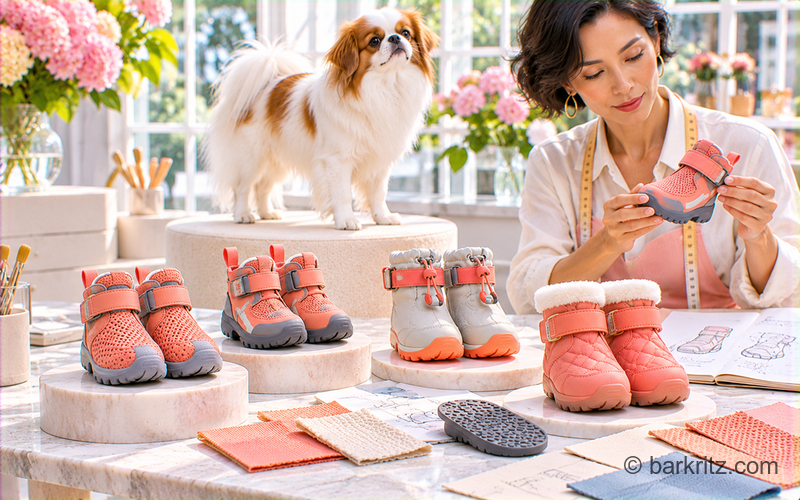
The best pet shoes combine a flexible, appropriately grippy sole with a breathable upper material and secure fastening that protects the paw without restricting natural movement.
Different environments require different footwear characteristics, making material selection more important than decorative details.
Rubber-soled shoes are useful for protecting paws against abrasive surfaces, rough pavement, and certain outdoor hazards. The sole should provide reliable traction without being excessively thick or rigid.
Soft fabric booties can offer lightweight protection against cold, mild surface irritation, and debris. Their flexibility may make them more comfortable for dogs that are new to footwear, although they are not necessarily suitable for wet or rugged conditions.
Water-resistant designs are practical for rainy walks and wet outdoor environments. Look for materials that repel moisture while allowing sufficient ventilation, since prolonged dampness and trapped heat can irritate the skin.
Insulated winter boots can help protect paws from snow, ice, and cold surfaces. They should be reserved for conditions that genuinely require additional insulation rather than used automatically throughout winter.
When comparing designs, consider:
- Sole flexibility: a flexible sole allows more natural paw movement than a rigid, heavy construction.
- Traction: textured rubber or other suitable grip materials can improve stability on slippery surfaces.
- Breathability: mesh panels and moisture-managing fabrics may reduce heat and moisture accumulation.
- Water resistance: useful for wet conditions, although waterproof construction can reduce ventilation.
- Fastening: adjustable straps should secure the shoe without compressing the paw or restricting circulation.
- Interior finish: smooth seams and soft linings help reduce friction and irritation.
The upper material should also suit the dog’s coat and skin. Rough seams, exposed stitching, and stiff edges can rub against the toes or ankles, particularly during longer walks.
A premium appearance should never take priority over construction. Elegant colors, refined hardware, and coordinated accessories are welcome, but the most successful pet footwear is designed around comfort, function, and natural movement.
How Should You Measure Your Dog’s Paws and Choose the Correct Shoe Size?
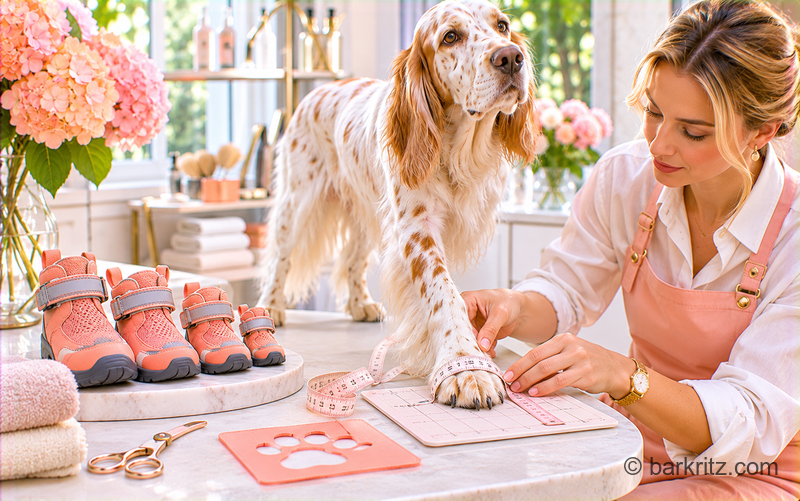
Accurate paw measurements, taken while the dog is standing naturally with weight distributed across the foot, are essential for selecting footwear that remains comfortable and secure.
Pet shoe sizing varies considerably between manufacturers, so relying on breed names or estimated weight alone is rarely sufficient. Two dogs of similar size can have very different paw widths, toe shapes, and proportions.
To measure accurately, place the dog on a sheet of paper and allow it to stand naturally. Mark the front and rear boundaries of the paw, then measure its length and widest point. Repeat the process for each paw, as small differences between feet are normal.
For the most reliable result:
- Measure all four paws rather than assuming they are identical.
- Take measurements while the dog is standing, not while the paw is lifted.
- Include the natural spread of the toes under weight.
- Compare both length and width with the manufacturer’s sizing chart.
- Follow the brand’s specific instructions if it recommends measuring in a different way.
A shoe should fit securely without squeezing the toes, pressing against the dewclaw, or sliding around during movement. There should be enough room for natural toe movement, but excessive space can cause twisting, friction, and instability.
Once the footwear arrives, test it indoors on a clean, non-slip surface. Watch how the dog stands, walks, turns, and changes direction. Check for slipping, unusual paw lifting, repeated attempts to remove the shoes, or changes in gait.
After removing the shoes, inspect the skin for redness, pressure marks, dampness, or rubbing. Any persistent irritation indicates that the design, size, or duration of use needs to be reconsidered.
If a dog has unusually shaped paws, orthopedic concerns, or a medical condition affecting mobility, ask a veterinarian or qualified rehabilitation professional for guidance before choosing specialized footwear.
How Can You Introduce Pet Shoes Without Causing Stress or Discomfort?
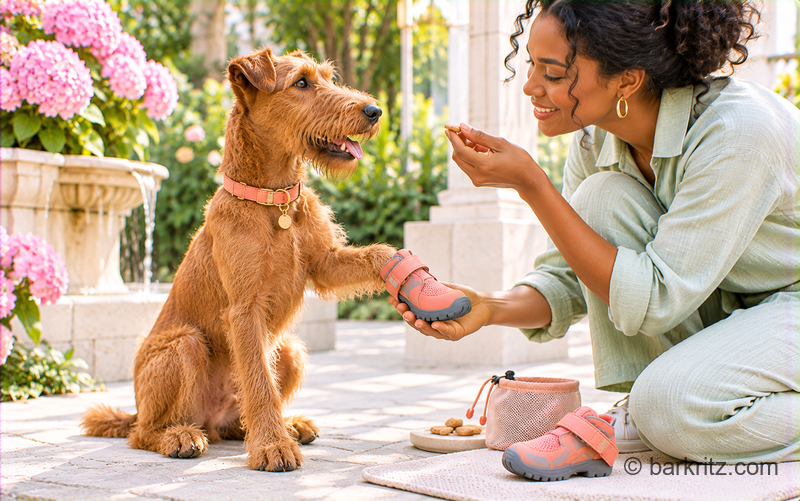
The most comfortable introduction to pet footwear is gradual, positive, and limited to short sessions that allow the dog to become familiar with the sensation before wearing shoes outdoors.
Many dogs initially respond to footwear by lifting their paws unusually high, walking stiffly, freezing, or attempting to remove the shoes. These reactions do not necessarily indicate that shoes are unsuitable, but they do show that the animal needs time and careful observation.
Begin by placing the shoes near the dog’s resting area and allowing it to investigate them voluntarily. Reward calm curiosity with praise or a small treat.
Next, briefly touch each paw with a shoe before attempting to fasten it. Introduce one shoe at a time, keeping the first sessions short and relaxed.
A practical introduction can follow this sequence:
- Familiarization: allow the dog to sniff and inspect the footwear.
- Brief contact: gently place a shoe against each paw without fastening it.
- Short fitting: put on one shoe, reward calm behavior, and remove it.
- Gradual progression: introduce all four shoes for a short indoor session.
- Movement practice: encourage a few natural steps on a safe, non-slip surface.
- Outdoor trial: begin with a brief walk in suitable conditions, checking the fit afterward.
Avoid forcing a dog to continue if it appears distressed. Repeated attempts to bite the footwear, persistent freezing, limping, or signs of pain should prompt a reassessment of the fit and suitability.
It is equally important to monitor the dog’s gait. Footwear that causes an unnatural stride, prevents normal paw placement, or makes the animal unstable should not be used simply because the dog eventually stops resisting it.
Some dogs never become comfortable wearing shoes, and that preference should be respected. Alternative measures—such as choosing cooler walking hours, avoiding abrasive terrain, using paw balm where appropriate, or rinsing paws after exposure to irritating substances—may be more suitable.
How Should You Care for Pet Shoes and Know When to Replace Them?
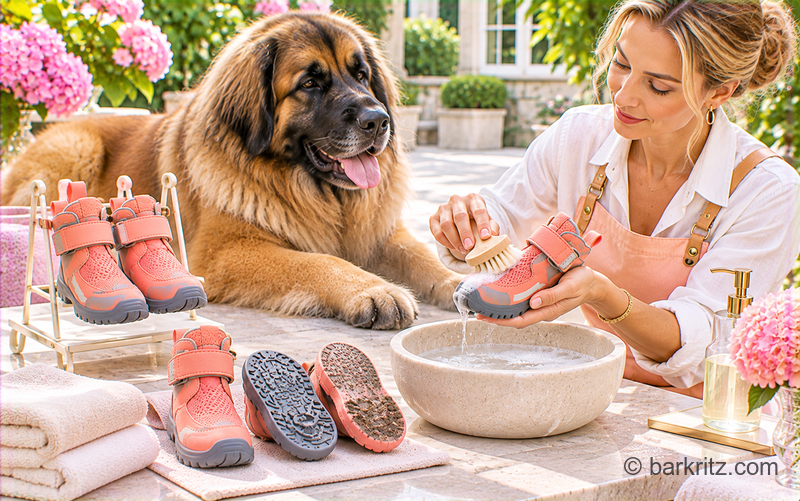
Pet shoes remain effective only when they are clean, dry, structurally sound, and checked regularly for signs of wear that could compromise protection or comfort.
Paw footwear is exposed to dirt, moisture, grit, road residue, and repeated friction. Without proper maintenance, the interior can become irritating, while worn soles may lose their grip.
After outdoor use, inspect each shoe for trapped stones, plant material, moisture, and debris. Clean the footwear according to the manufacturer’s instructions, paying particular attention to the sole and interior lining.
A sensible maintenance routine includes:
- Cleaning after walks: remove dirt, mud, and outdoor residue before it accumulates.
- Thorough drying: allow shoes to dry completely before storing them to discourage unpleasant odors and moisture-related problems.
- Sole inspection: check for cracks, thinning, detached sections, and loss of traction.
- Fastener inspection: make sure straps, zippers, and closures remain secure and adjustable.
- Interior checks: look for rough seams, damaged linings, or accumulated grit that could irritate the paws.
- Regular fit reassessment: check sizing again if the dog’s weight, coat around the feet, or paw condition changes.
Replace footwear when the sole becomes excessively worn, the fastening no longer holds securely, the material loses its shape, or the interior develops damage that could cause rubbing.
Seasonal storage also deserves attention. Clean and dry shoes should be kept in a ventilated place away from direct sunlight, excessive heat, and moisture. Keeping different pairs for distinct conditions—such as lightweight summer protection and insulated winter footwear—can help preserve their performance.
Above all, shoes should be treated as occasional protective equipment rather than an accessory that must remain on throughout the day. Remove them when they are no longer needed, and allow the paws to remain uncovered in safe, comfortable environments.
The most considered approach to pet footwear is ultimately one of restraint. A beautifully designed pair of shoes can be a valuable addition to a dog’s wardrobe when the environment calls for protection, but healthy paws do not need unnecessary accessories. The right choice is the one that supports natural movement, addresses a genuine need, and allows every walk to remain comfortable.