

How to Build a Timeless Pet Wardrobe
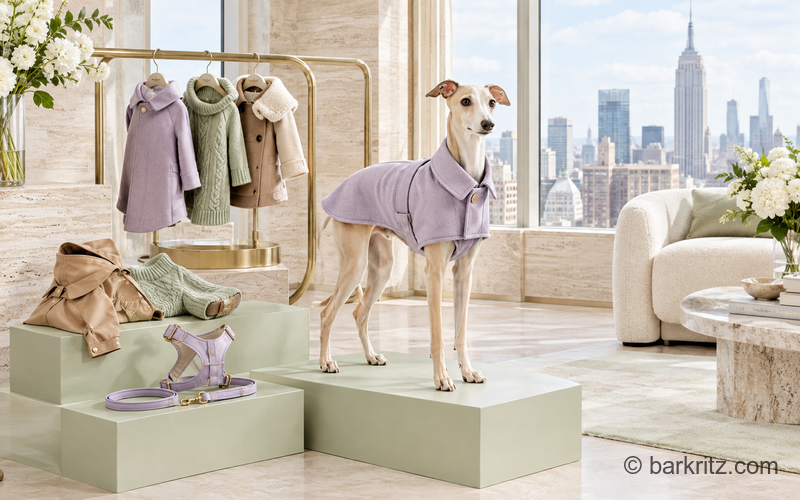
A thoughtfully curated pet wardrobe is less about seasonal novelty and more about enduring design, impeccable fit, and pieces that serve a genuine purpose. For discerning New York pet owners, the most compelling approach borrows from the principles of a well-edited human wardrobe: invest in versatile essentials, choose refined materials, favor harmonious colors, and let individual character guide every decision. The result is a collection that feels polished without compromising the comfort, mobility, or natural dignity of a beloved companion.
Which Essential Pieces Belong in a Timeless Pet Wardrobe?
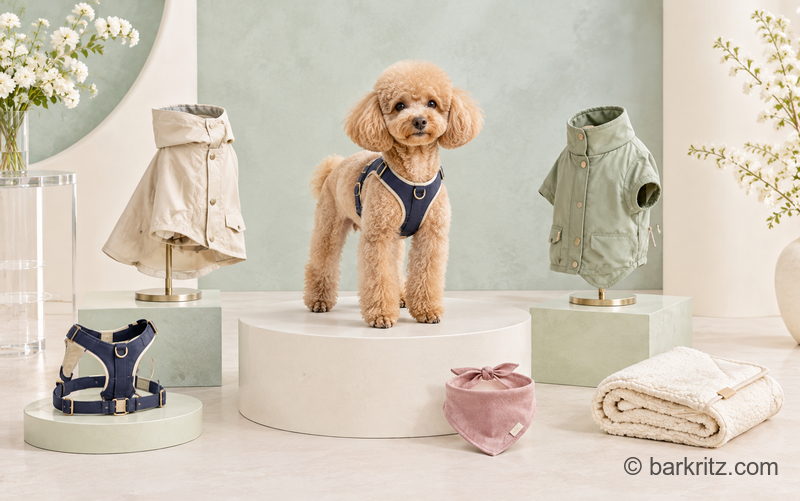
A timeless pet wardrobe begins with a small collection of well-fitting essentials that address everyday comfort, changing weather, and the practical demands of a pet’s lifestyle.
Rather than accumulating outfits for every occasion, start with pieces that earn their place through repeated use. A lightweight layer for cool mornings, a weather-resistant coat for rainy walks, and a comfortable harness for daily outings provide a more dependable foundation than a closet filled with decorative garments.
The ideal selection depends on the animal’s breed, coat, age, activity level, and sensitivity to temperature. A short-haired dog living in Manhattan may benefit from a warm winter coat, while a thick-coated breed may need little insulation during ordinary city walks. Cats generally have different clothing requirements, and most do not need garments indoors unless a veterinarian recommends them for a specific reason.
A considered starter collection may include:
- An everyday walking harness: Prioritize secure adjustment, comfortable contact points, and unrestricted shoulder movement.
- A weather-appropriate coat: Choose insulation for genuine cold-weather needs or a water-resistant outer layer for wet conditions.
- A lightweight indoor or travel layer: Select a breathable design only if the pet tolerates clothing and has a practical reason to wear it.
- A functional bandana or collar accessory: Introduce personality through a lightweight accent that does not interfere with movement or identification.
- A dedicated travel blanket: Extend the wardrobe’s visual language into a familiar, washable accessory for cars, carriers, and hotel stays.
The principle is simple: every item should solve a problem, support comfort, or contribute meaningfully to the pet’s daily routine.
How Should You Choose Colors and Patterns That Never Go Out of Style?
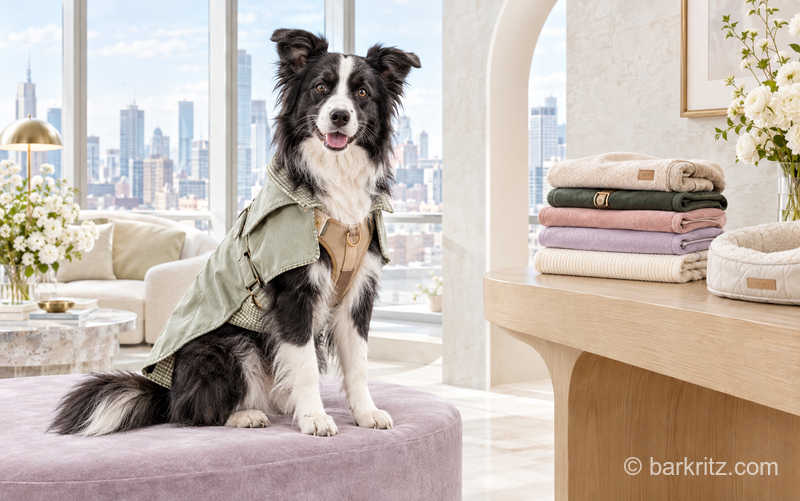
The most enduring pet wardrobes rely on a restrained palette of complementary neutrals, subtle patterns, and one or two distinctive accent colors.
Color coordination creates visual consistency without requiring every piece to match exactly. Shades such as oatmeal, camel, charcoal, cream, forest green, and navy work across seasons and pair naturally with a wide range of coat colors. Soft pistachio, dusty rose, and muted lavender can introduce a contemporary touch without making the collection feel tied to a single trend.
The pet’s natural coloring should inform the palette. A cream-colored Poodle may look particularly elegant in sage or deep navy, while a black Labrador can wear warm camel, burgundy, and ivory beautifully. For a ginger cat, if a functional garment is necessary, soft blue or muted green can provide a pleasing contrast.
Consider these useful combinations:
- Warm neutrals: Camel, oatmeal, and ivory create a classic, understated appearance.
- Cool neutrals: Charcoal, slate, and navy offer a crisp, architectural look.
- Nature-inspired shades: Sage, olive, and forest green bring depth without excessive ornamentation.
- Soft seasonal accents: Dusty rose, pale lavender, and pastel pistachio refresh the palette while remaining versatile.
- Classic patterns: Fine stripes, subtle checks, and restrained geometric motifs add character without overwhelming the silhouette.
A useful editing technique is to select two or three foundational colors and build most purchases around them. Accent shades can evolve over time, while the core palette remains consistent.
Prints should also be considered in proportion to the garment. A small checked lining or a narrow stripe often feels more enduring than a large seasonal motif. Above all, the design should complement the animal rather than compete with its natural appearance.
Which Fabrics and Construction Details Are Worth Investing In?
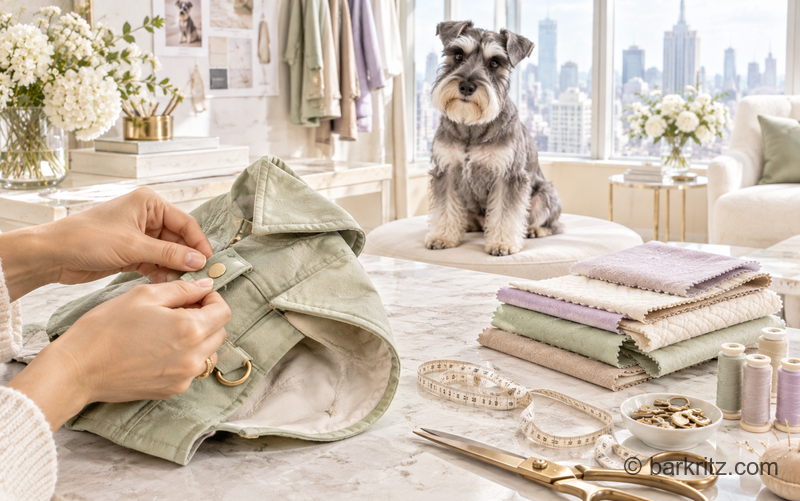
The most valuable pet garments combine skin-friendly materials, durable construction, easy maintenance, and a fit that allows the animal to move naturally.
Material selection should begin with the intended use rather than the label or price. A coat for winter walks requires different properties from a lightweight travel layer, while a decorative accessory should never compromise safety or comfort.
For everyday wear, breathable cotton blends can be practical in mild conditions, while appropriately designed technical fabrics can offer weather resistance and easier cleaning. Soft linings help reduce friction, and carefully finished seams can minimize irritation in sensitive areas. Natural fibers are not automatically superior for every application; performance, construction, and suitability for the pet matter more than a material’s prestige.
When evaluating a garment, pay attention to the following details:
- Fabric hand: The material should feel comfortable against the coat and skin, without abrasive surfaces or stiff edges.
- Seam placement: Seams should avoid rubbing the armpits, neck, and other areas where movement creates friction.
- Secure closures: Fastenings should remain closed during ordinary activity but allow quick removal when necessary.
- Adjustability: Straps and closures should accommodate the animal’s shape without restricting breathing or movement.
- Washability: Pieces that tolerate regular cleaning are more practical for everyday use.
- Construction quality: Even stitching, reinforced stress points, and durable hardware generally contribute to longer service life.
Fit deserves particular attention. A garment should not pull across the chest, press against the throat, drag on the ground, or prevent the animal from walking, sitting, and toileting naturally. Check the fit again after washing, since some materials can shrink or change shape.
For cats, clothing requires special caution because it can interfere with grooming, climbing, and normal movement. Unless a garment serves a clear purpose and the cat accepts it comfortably, a well-designed collar or non-wearable accessory may be the better choice.
How Can You Adapt a Pet Wardrobe to Every Season and Occasion?
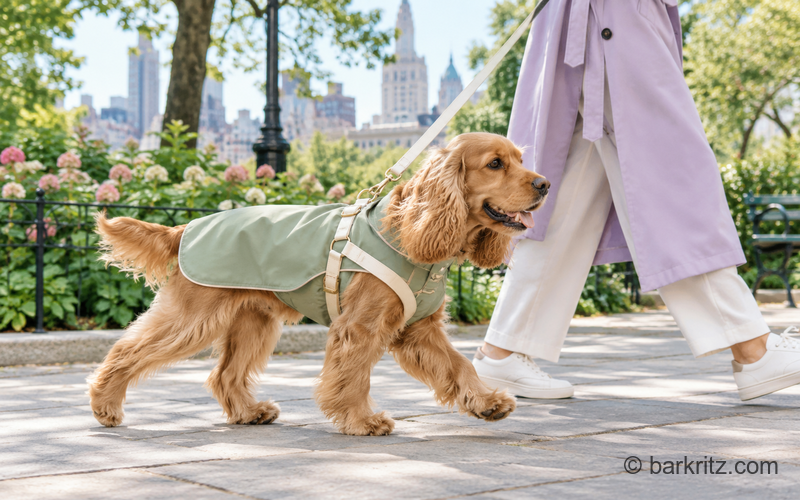
A well-planned pet wardrobe changes according to weather, activity, and the animal’s individual needs rather than following the fashion calendar alone.
In New York, where a morning walk may involve chilly wind, afternoon sunshine, or sudden rain, practical layering can be especially useful for dogs that need additional protection. The objective is to respond to real conditions while avoiding unnecessary insulation or prolonged wear.
A seasonal approach helps keep the collection compact:
- Spring: Lightweight rain protection and quick-drying accessories can be useful during changeable weather.
- Summer: Prioritize shade, hydration, and avoiding overheating; most pets do not need fashionable clothing in hot conditions.
- Autumn: A light jacket may suit short-haired or cold-sensitive dogs during cooler walks.
- Winter: Insulated coats can help some dogs in cold weather, particularly those with short coats, smaller bodies, or limited cold tolerance.
Occasion dressing should follow the same logic. A polished leash and well-fitted harness may be all a dog needs for a restaurant patio or a city stroll. For travel, a familiar blanket and a secure carrier can be more useful than a complete outfit. At formal gatherings, a simple accessory may provide a refined finishing touch without introducing discomfort.
Temperature tolerance varies substantially among pets, so no single seasonal formula applies to every breed. Watch for signs of overheating, shivering, reluctance to walk, or attempts to remove clothing. Remove garments when they become wet, restrictive, or uncomfortable, and follow veterinary advice when a pet has specific health needs.
The most elegant wardrobe is one that responds intelligently to the environment instead of treating every outing as a styling opportunity.
How Can You Keep a Pet Wardrobe Elegant, Organized, and Sustainable?
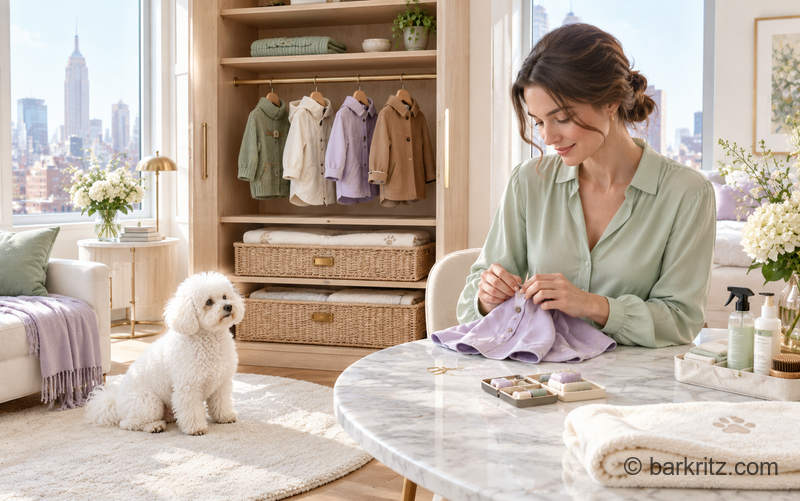
A timeless pet wardrobe stays refined through deliberate purchasing, regular editing, proper care, and a willingness to replace quantity with quality.
Before buying a new item, consider whether it fills a genuine gap, coordinates with existing pieces, and can withstand the demands of everyday use. A garment that works with several accessories and suits multiple settings will generally provide more value than one designed for a single photograph.
An annual wardrobe review can help identify what remains useful and what no longer fits. Puppies and kittens grow quickly, while adult animals can change shape with age or changes in health. Check sizing regularly and retire anything that restricts movement, has damaged fastenings, or shows signs of wear that could create a safety risk.
A considered maintenance routine includes:
- Wash according to care instructions: Remove dirt, allergens, and odors without damaging the fabric.
- Inspect closures and hardware: Check buckles, snaps, zippers, and stitching before use.
- Store clean and dry: Keep garments away from moisture and direct sunlight to help preserve their condition.
- Repair where practical: Replace a loose fastening or mend a small seam when the item remains safe and well-fitting.
- Donate responsibly: Pass on clean, usable items only when an appropriate organization accepts them and the garments meet its hygiene requirements.
Sustainability also means purchasing fewer pieces and using them for longer. Durable construction, versatile colors, easy laundering, and thoughtful storage all contribute to a more efficient collection. However, a garment should never be kept simply because it was expensive if the pet has outgrown it or no longer tolerates wearing it.
Ultimately, a timeless pet wardrobe is an exercise in thoughtful restraint. A few carefully chosen essentials, a coherent color palette, comfortable materials, and a practical understanding of the animal’s needs create a style that remains relevant well beyond a single season. The finest expression of pet style is not an elaborate outfit, but a companion who looks comfortable, feels secure, and moves through the world with effortless confidence.