

How to Build a Seasonal Pet Wardrobe
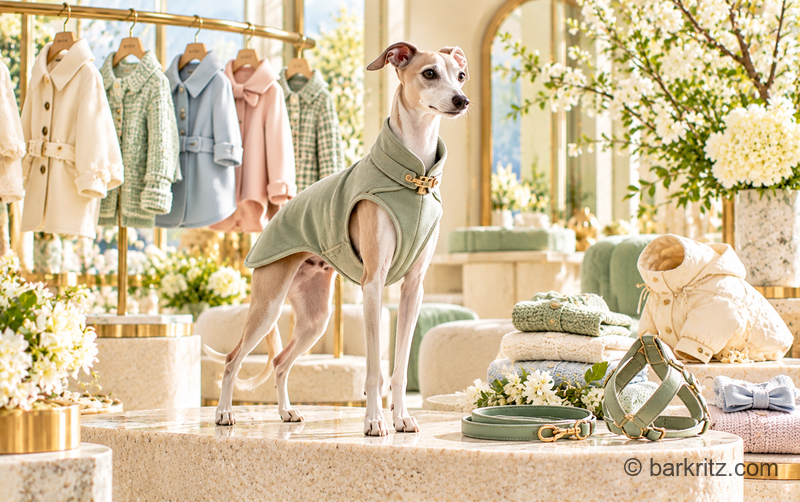
A thoughtfully assembled pet wardrobe is less about accumulating miniature outfits and more about choosing beautiful, functional pieces that respond to changing weather, daily routines, and an animal’s individual needs. Just as a well-edited human wardrobe relies on versatile essentials, considered layering, and quality materials, a seasonal collection for a dog should prioritize comfort, fit, and longevity. The most successful pieces combine refined design with practical details, allowing pets to move naturally while looking impeccably put together.
For discerning pet owners, the process begins with understanding the seasons, identifying the garments that genuinely serve a purpose, and investing in a coordinated selection that can be worn repeatedly. From lightweight spring layers to protective winter outerwear, every addition should earn its place.
How Do You Choose the Essential Pieces for a Seasonal Pet Wardrobe?
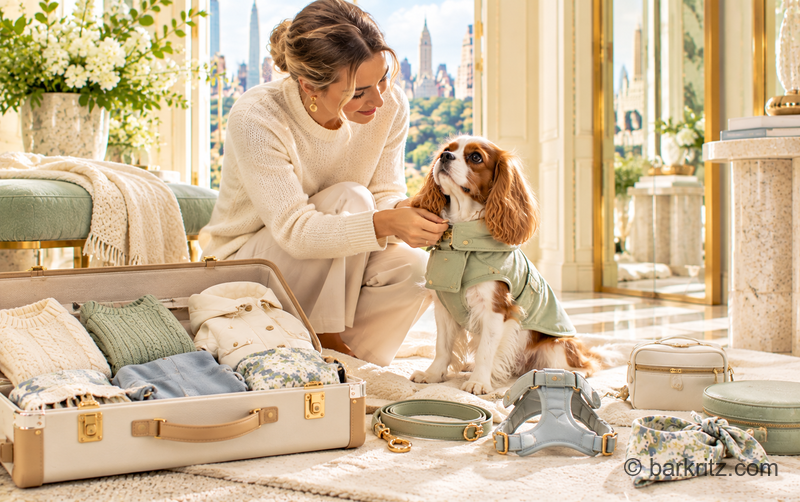
A versatile seasonal pet wardrobe begins with a small collection of well-fitting essentials selected for the animal’s coat, body shape, activity level, and local climate.
The foundation should consist of practical garments that serve distinct purposes rather than multiple versions of the same outfit. A lightweight layer for cool mornings, a breathable summer accessory when appropriate, a water-resistant outer layer for wet weather, and a warmer coat for winter can cover many everyday situations without creating unnecessary bulk.
Start with the essentials:
- Lightweight everyday layer: A soft cotton or breathable jersey piece can provide modest coverage on cool spring mornings or in air-conditioned interiors, provided the pet tolerates clothing comfortably.
- Rain-resistant shell: A lightweight waterproof or water-resistant coat helps keep a dog’s body dry during walks in wet weather. Look for secure closures, appropriate coverage, and unrestricted movement.
- Insulating winter coat: A well-fitted fleece-lined or insulated garment can benefit short-haired, small, senior, or cold-sensitive dogs during chilly outings.
- Functional walking accessory: A well-designed harness, collar, or leash in a coordinating color can complete the overall look while serving an essential practical purpose.
- Special-occasion piece: A refined bandana, bow, or lightweight decorative accessory offers an easy way to introduce seasonal colors without compromising comfort.
Cats generally have different wardrobe requirements from dogs. Most healthy indoor cats do not need routine clothing, and many find garments restrictive or stressful. If a cat has a specific medical or environmental need for clothing, seek veterinary guidance and choose a garment designed for that purpose.
The key principle is selectivity. Three or four carefully chosen garments that fit well and perform reliably are more useful than a crowded collection of novelty outfits. Before purchasing anything, consider how often it will be worn, whether it can be cleaned easily, and whether it will remain comfortable during the activities for which it is intended.
Which Fabrics and Colors Work Best for Each Season?
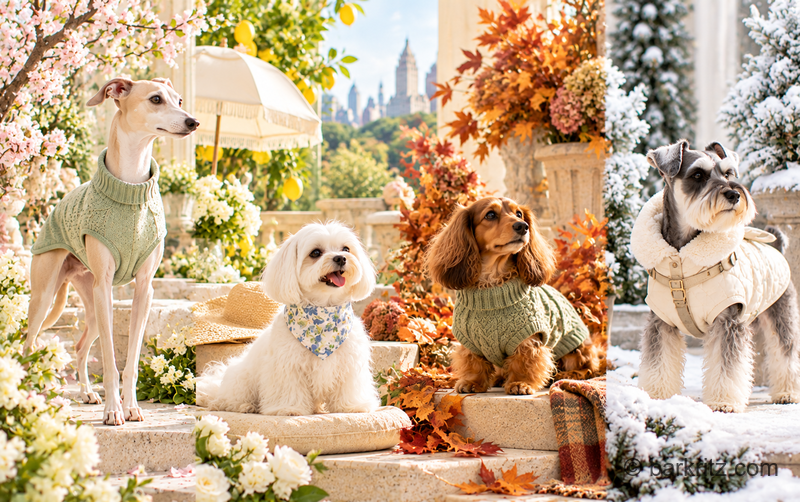
The most effective seasonal wardrobe pairs breathable, skin-friendly fabrics with colors and finishes that suit the weather while remaining practical for everyday wear.
Fabric selection should begin with function. A beautiful material is worthwhile only when it performs appropriately for the conditions in which the pet will wear it. The garment should never trap excessive heat, restrict movement, or irritate the skin.
Spring: Lightweight Texture and Fresh Color
Spring calls for breathable cotton, soft jersey, and lightweight woven fabrics that provide modest coverage without unnecessary insulation. Pastel green, pale blue, soft lilac, and warm ivory introduce a fresh seasonal palette. For dogs who enjoy outdoor walks, a water-resistant shell is often more useful than a decorative knit when showers are frequent.
Summer: Breathability Before Decoration
In warm weather, minimal clothing is usually the best choice. Lightweight cotton accessories may be appropriate for pets who tolerate them, but full garments can increase the risk of overheating, particularly in direct sunlight. Pale colors and breathable materials are preferable when clothing is genuinely needed. Never assume that a garment provides reliable sun protection unless it is specifically designed and tested for that purpose.
Autumn: Texture, Layering, and Richer Tones
As temperatures fall, lightweight fleece, soft knits, and flexible midweight fabrics can provide additional warmth for dogs who need it. Forest green, muted burgundy, slate blue, and caramel accents offer a seasonal palette that pairs well with practical outerwear. Layering should remain simple: one comfortable base layer and one appropriate outer layer are generally easier to fit and monitor than several overlapping garments.
Winter: Insulation and Weather Protection
Winter garments should provide warmth without restricting the shoulders, chest, or legs. Fleece, insulated technical fabrics, and water-resistant outer shells can be useful depending on the climate and the dog’s coat. Deep navy, charcoal, evergreen, and classic red are visually appealing options, but reflective details can be especially valuable for visibility during dark walks.
When comparing fabrics, consider these distinctions:
- Cotton jersey: Soft and breathable for mild conditions, but it absorbs water and is not ideal as the only layer in persistent rain.
- Fleece: Lightweight and insulating, making it useful for some cold-sensitive dogs in dry weather.
- Water-resistant technical fabric: Appropriate for wet walks when the construction and coverage suit the conditions.
- Wool blends: Potentially warm and elegant, but they require careful attention to fit, washing instructions, and skin sensitivity.
- Mesh or lightweight woven fabric: Useful for ventilation when a garment is appropriate, although mesh alone should not be treated as protection against harsh weather.
A seasonal palette creates visual coherence, but fabric performance should always come first. The best wardrobe looks considered because each piece has a clear purpose, not because every item follows a trend.
How Should You Measure Your Pet for a Perfect Fit?
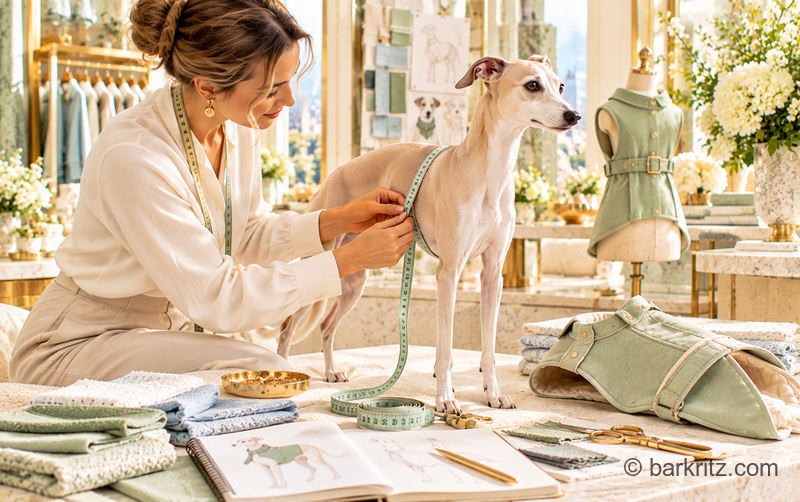
Accurate measurements and an understanding of natural movement are essential to choosing pet clothing that looks polished without causing discomfort or interfering with normal activity.
A garment can be beautifully constructed and still be unsuitable if it pulls across the chest, presses against the throat, or restricts the legs. Fit should therefore be assessed before color, pattern, or decorative detail.
For dogs, three measurements are especially useful:
- Neck circumference: Measure around the base of the neck, where a garment’s neckline or collar would sit, allowing enough room for comfortable movement.
- Chest girth: Measure around the broadest part of the rib cage, usually just behind the front legs; this is often the most important measurement when selecting coats and sweaters.
- Back length: Measure from the base of the neck to the point where the tail begins, following the manufacturer’s instructions for the garment.
Use a flexible measuring tape and keep it comfortably against the body without pulling it tight. Compare the measurements with the specific brand’s size chart rather than relying on generic labels such as small, medium, or large. Sizing can vary considerably between manufacturers and garment styles.
Once the garment arrives, check that the pet can walk, sit, lie down, turn, and relieve itself normally. The neckline should not press against the throat, closures should not rub the skin, and fabric should not drag on the ground. Harnesses must remain correctly positioned and should never be made less secure by an incompatible coat.
For cats, clothing deserves particular caution. If a veterinarian recommends a garment for a specific reason, it should be appropriately designed, closely monitored, and removed if the cat shows distress or restricted movement. A cat that freezes, struggles, hides, pants, or repeatedly tries to remove clothing is communicating discomfort; do not force the garment to remain on.
The fitting process should be calm and gradual. Allow the pet to investigate the garment, introduce it for short periods when appropriate, and reward relaxed behavior. Never leave a pet unattended in clothing that could catch on furniture, become entangled, or interfere with breathing or movement.
How Can You Create a Coordinated Wardrobe Without Buying Too Much?
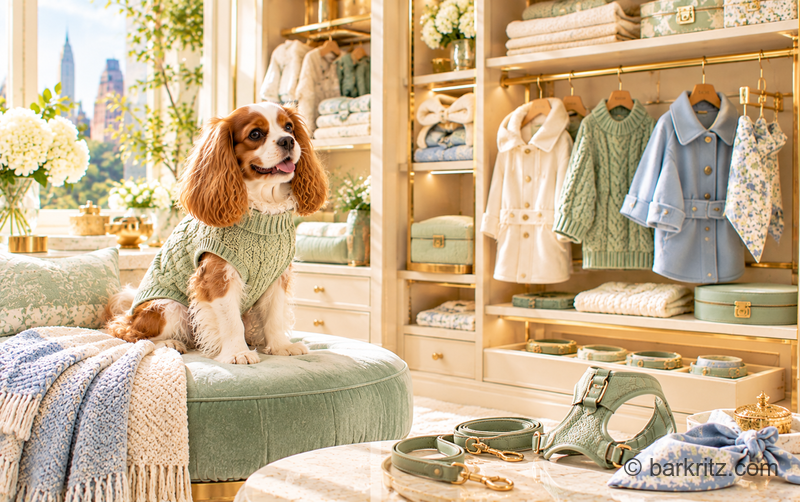
A coordinated pet wardrobe is most effective when a limited color palette, interchangeable accessories, and durable essentials make each purchase useful across multiple outfits and occasions.
The most sophisticated collections are edited rather than extensive. Choosing two or three complementary colors allows a raincoat, sweater, bandana, and walking accessories to work together without requiring a separate ensemble for every season.
Begin by selecting a core palette that complements the pet’s coat and suits the owner’s personal style. A neutral foundation—such as ivory, navy, charcoal, or soft gray—can be paired with one or two seasonal accent colors. For example, sage green and pale blue work well in spring, while burgundy or evergreen can introduce autumnal depth.
A practical wardrobe formula might include:
- One lightweight layer for mild weather.
- One protective raincoat for wet conditions.
- One insulating coat for cold-sensitive dogs in winter.
- One or two washable accessories for introducing seasonal color.
- One well-fitting harness and leash suitable for everyday walks.
This is a starting point, not a universal shopping list. A double-coated dog living in a mild climate may need little additional insulation, while a small, short-haired dog in a cold region may benefit from more substantial protection. Cats generally need no seasonal clothing unless there is a specific, professionally advised reason.
Before buying a new piece, consider whether it fills a genuine gap. A second coat may be worthwhile if the first is frequently being washed or is unsuitable for heavy rain, but a nearly identical decorative sweater may add little practical value. Prioritize reliable construction, washable materials, secure closures, and designs that can accommodate the pet’s normal range of movement.
Care also determines how long a wardrobe remains useful. Follow each garment’s washing instructions, remove dirt promptly, inspect seams and fastenings regularly, and allow wet clothing to dry completely before storing it. Retire items with damaged closures, frayed edges, or stretched openings that could compromise fit or safety.
How Do You Keep Seasonal Pet Styling Safe, Comfortable, and Timeless?
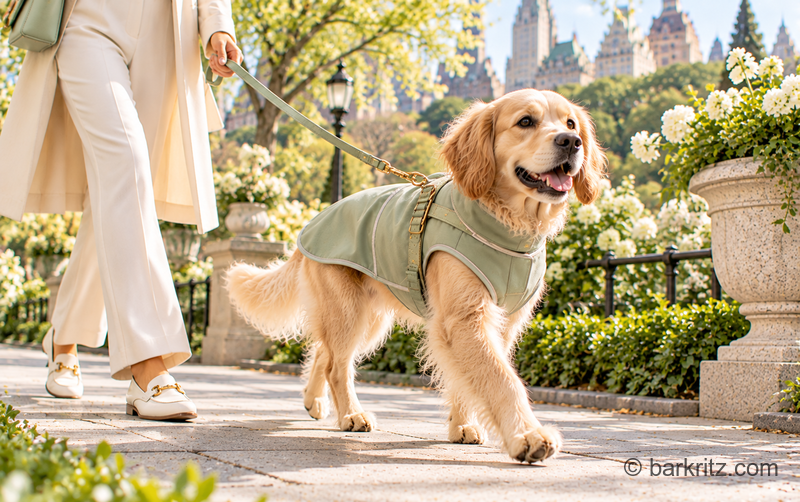
The most successful pet styling combines understated design with careful supervision, weather-appropriate choices, and a willingness to leave clothing off whenever it is unnecessary.
A polished appearance should never come at the expense of an animal’s comfort. Clothing is an optional addition to a pet’s life, not a requirement, and its suitability depends on the individual animal, the environment, and the garment itself.
For dogs, choose outerwear according to temperature, wind, precipitation, coat type, body size, age, and health. A short-haired dog may benefit from a coat during a cold walk, while a healthy dog with a dense double coat may need little additional insulation. Watch for shivering, lifting paws, slowing down, or seeking shelter in cold conditions, and for excessive panting, restlessness, or lethargy when temperatures rise.
Never rely on clothing alone to keep a pet safe in extreme weather. Provide access to shade and water in hot conditions, limit exposure when necessary, and dry a wet dog promptly in cold weather. Avoid leaving a dressed pet in a hot car or other poorly ventilated space.
Accessories also require careful selection. Decorative elements should be securely attached and free from small parts that could be chewed off or swallowed. Scarves, bows, and loose ribbons should not be placed where they can tighten around the neck or become caught during movement. Clothing must not obstruct vision, hearing, breathing, toileting, or access to water.
For cats, the most elegant seasonal styling may be no clothing at all. A beautiful collar designed for feline safety, a comfortable resting place, or a coordinated carrier can offer a considered aesthetic without imposing an unnecessary garment. If a cat needs protective clothing for a medical reason, follow veterinary instructions and monitor it closely.
Finally, let timelessness guide the aesthetic. Well-made essentials, subtle seasonal accents, and appropriate materials will remain useful longer than novelty pieces purchased for a single photograph. A seasonal pet wardrobe should reflect the same thoughtful principles as any carefully curated collection: quality over quantity, function before ornament, and respect for the individual who wears it.