

Pet Fashion for Travel and Jet-Setting
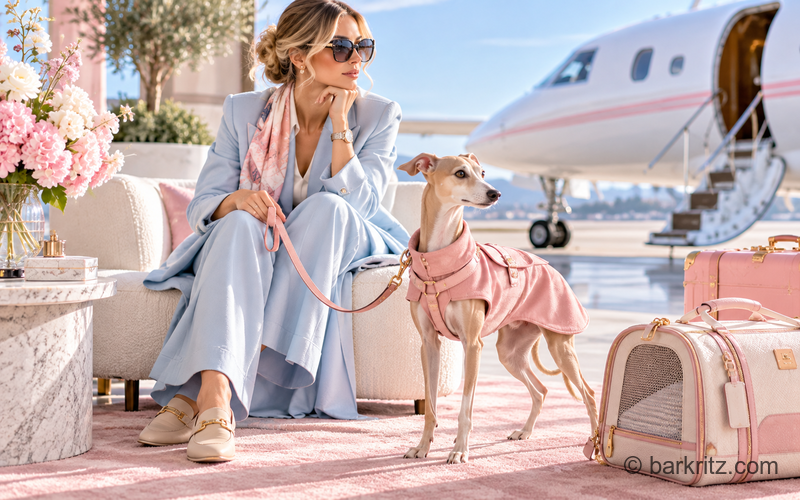
For the modern jet-setting pet, style must travel as effortlessly as its owner. From private aviation terminals and boutique hotels to coastal retreats and countryside estates, the most sophisticated travel wardrobes combine refined aesthetics with comfort, practicality, and thoughtful craftsmanship. The art lies not in dressing an animal for spectacle, but in selecting pieces that complement its proportions, accommodate its needs, and adapt gracefully to changing environments. With carefully chosen fabrics, intelligent accessories, and a considered approach to layering, pet fashion can become an elegant extension of a well-planned journey.
How Should You Build a Travel Wardrobe for a Stylish Pet?
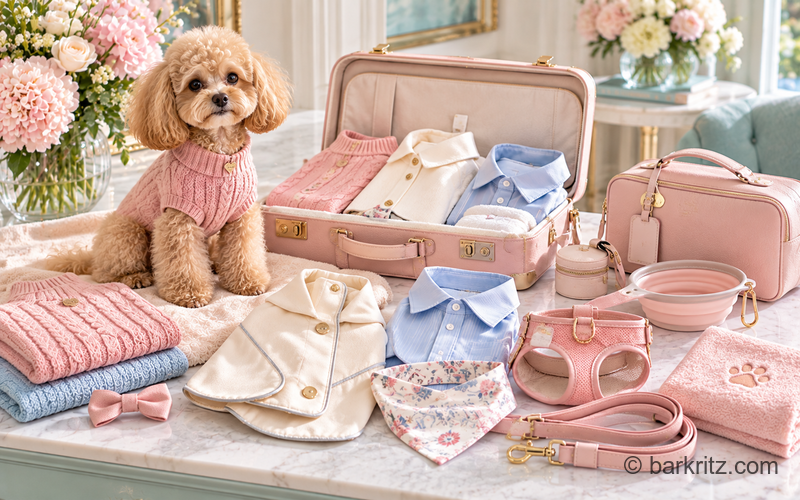
A well-curated travel wardrobe begins with versatile, comfortable essentials that suit the destination, climate, duration of the journey, and individual needs of the animal.
Rather than packing an elaborate collection of outfits, prioritize a few well-made pieces that coordinate easily and serve a clear purpose. A lightweight sweater may be useful for a cool aircraft cabin or a breezy evening, while a breathable shirt can provide light coverage during a sunny stroll when appropriate for the animal. A weather-resistant coat is valuable in rain or wind, provided it fits correctly and does not restrict movement.
The most successful travel wardrobes follow the principles of a human capsule wardrobe: thoughtful selection, complementary colors, and pieces that perform more than one function. For pets, however, appearance must always remain secondary to comfort and safety.
Consider these essential categories:
- The signature layer: a lightweight knit or soft jacket for cool environments, selected according to the pet’s coat and temperature needs.
- The weather-ready piece: a properly fitted raincoat for wet destinations or an insulated layer for cold conditions when the animal needs additional protection.
- The everyday accessory: a coordinated collar, harness, or leash chosen for secure handling rather than decoration alone.
- The destination accent: a simple bandana or understated bow for photographs and relaxed social occasions, provided the pet tolerates it comfortably.
- The practical travel set: a collapsible water bowl, familiar blanket, waste bags, and a compact carrier or travel mat appropriate to the journey.
A restrained palette makes coordination effortless. Soft navy, stone gray, ivory, muted sage, and deep forest green work well across seasons, while a single accent color can give the collection a distinctive signature. For pets with very light coats, washable fabrics and colors that conceal everyday marks may be particularly practical.
The objective is a small, adaptable collection rather than a miniature fashion show. A pet that feels comfortable in its surroundings will always look more naturally elegant than one distracted by restrictive clothing or unfamiliar accessories.
Which Fabrics and Silhouettes Are Best for Traveling Pets?
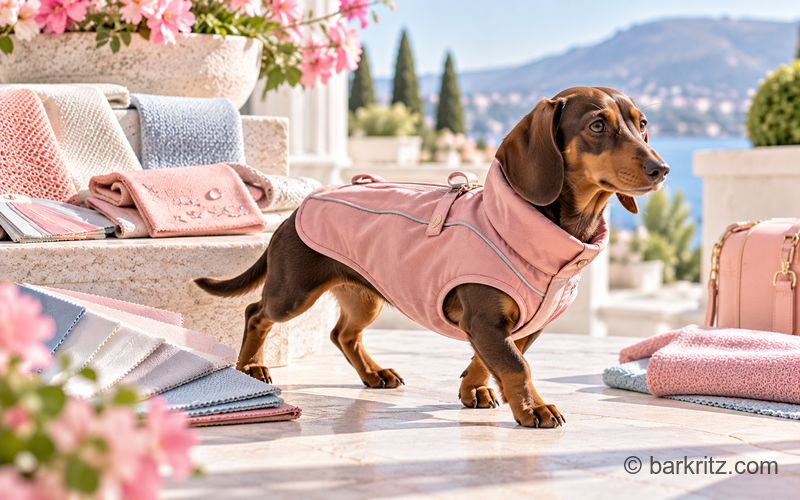
The best travel garments use lightweight, breathable, soft-touch fabrics and simple silhouettes that accommodate natural movement without creating unnecessary heat or pressure.
Fabric selection should reflect the destination and the animal’s coat, age, build, and tolerance for clothing. Soft cotton jersey and lightweight knits can work well in mild conditions, while smooth linings may reduce friction around the chest and underarms. Technical fabrics can provide useful protection against wind or light rain, but their breathability and fit deserve careful attention.
A beautiful garment should never compromise mobility. Dogs need unrestricted shoulder movement, a natural stride, and freedom to sit, lie down, pant, and eliminate comfortably. Cats generally tolerate clothing less readily than many dogs, so garments should be considered only when the individual cat is comfortable wearing them and there is a genuine practical reason.
Several fabric and design options deserve consideration:
- Cotton jersey: soft, breathable, and suitable for lightweight garments in moderate conditions.
- Fine merino wool: useful for some pets that need additional warmth, provided the garment is not itchy, heavy, or excessively insulating.
- Technical water-resistant fabric: appropriate for rain protection when the construction remains breathable and the garment does not trap excessive heat.
- Smooth, flexible lining: helps minimize rubbing at the chest, belly, and underarms.
- Stretch panels and adjustable closures: can improve fit when they remain secure without restricting breathing or movement.
Silhouette matters as much as material. Short-backed designs may suit compact breeds, while longer-bodied dogs often need cuts that accommodate their proportions without leaving the garment twisted. Deep-chested breeds may require adjustable chest panels, and pets with thick coats need additional room to avoid compressing the fur uncomfortably.
Avoid dangling ties, loose embellishments, heavy decorative hardware, and closures that can catch on carrier doors or other objects. Garments should be removed whenever they cause panting, agitation, overheating, restricted movement, or repeated attempts to escape.
The most sophisticated travel design is often the least conspicuous: a clean line, an excellent fit, and a fabric chosen for the conditions rather than its label.
What Accessories Make Pet Travel Both Elegant and Practical?
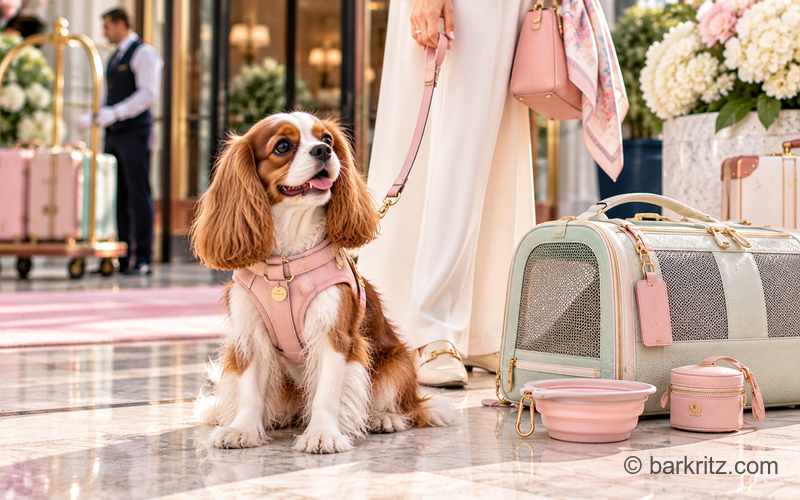
The most effective travel accessories combine a coordinated visual identity with secure handling, easy maintenance, and immediate access to the essentials a pet needs on the move.
Accessories are often the defining details of a travel look, but their function should determine their design. A beautifully made harness can complement a coat while distributing pressure more appropriately than a collar alone for certain dogs, depending on the individual and the fit. A well-constructed leash should feel comfortable in the hand, remain securely attached, and be appropriate for the animal’s size and behavior.
A coordinated set can create visual continuity across airports, hotel arrivals, and destination walks without requiring the pet to wear a complete outfit. Matching colors, understated metal finishes, and durable materials often create a more polished effect than prominent logos or excessive ornamentation.
A considered travel-accessory collection may include:
- A well-fitted harness: selected for the pet’s anatomy and activity, with secure fastenings and sufficient freedom of movement.
- A durable leash: made from a comfortable, easy-to-clean material with reliable hardware.
- A personalized identification tag: carrying current contact information, attached securely without creating an entanglement risk.
- A compact travel bowl: lightweight and easy to clean, helping maintain familiar hydration routines.
- A washable travel mat: providing a recognizable resting surface in hotel rooms, lounges, and other suitable environments.
- A secure carrier: sized appropriately for the animal, with adequate ventilation and construction suitable for the intended mode of transport.
For pets traveling by air, the carrier is particularly important. Requirements differ among airlines and between cabin and cargo transport, so dimensions, closure systems, ventilation, and acceptance policies must be confirmed before departure. A fashionable carrier is not suitable merely because it looks refined; it must meet the relevant transport requirements and allow the animal to travel safely.
Leather, coated canvas, technical textiles, and washable woven fabrics can all work well when their construction suits the purpose. Hardware should be sturdy but not unnecessarily heavy, while interiors should be easy to clean after long journeys.
A restrained combination of complementary materials and colors creates a polished appearance without compromising the practical demands of travel.
How Can You Dress a Pet for Different Destinations and Climates?
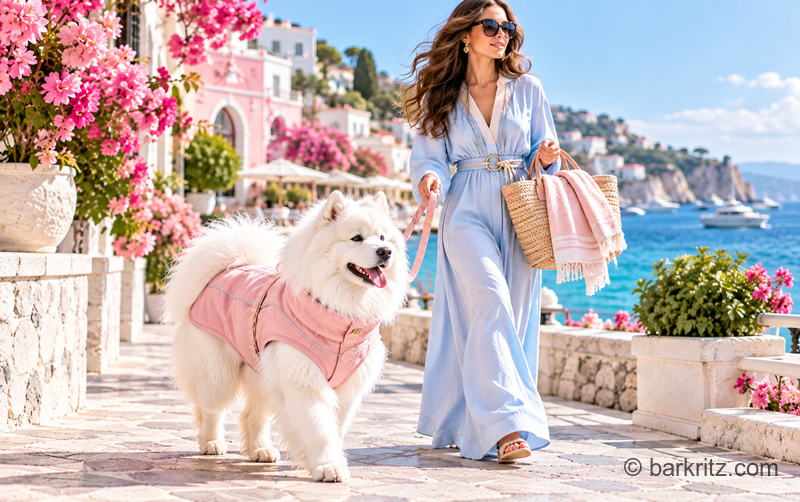
Destination-appropriate pet fashion adapts to weather, terrain, local expectations, and the animal’s physical needs rather than following a single aesthetic across every journey.
A coastal escape calls for different choices from a winter retreat or a city weekend. Lightweight, breathable pieces may be appropriate in mild conditions, while wet or windy environments may justify a protective outer layer for a pet that benefits from one. Cold-weather clothing can help certain short-coated, small, elderly, or otherwise vulnerable dogs, but thick-coated animals may require little or no additional insulation.
Temperature management is especially important because clothing can increase the risk of overheating. Pets cannot communicate discomfort in the same way people do, and an animal’s needs may change with activity level, humidity, sunlight, and the temperature of the surrounding environment. Never assume that a garment is beneficial simply because the weather feels cold to its owner.
A destination-led approach helps keep the wardrobe appropriate:
- City stays: choose a secure harness, comfortable walking gear, and a lightweight layer when conditions warrant it.
- Coastal destinations: prioritize breathable materials, sun protection through shade and scheduling, and quick-drying accessories where useful.
- Mountain or winter retreats: consider protective outerwear for pets that need warmth, along with suitable paw care and safe walking equipment.
- Countryside escapes: select durable, washable pieces that tolerate outdoor activity without catching on vegetation.
- Warm-weather resorts: minimize clothing, provide shade and water, and avoid unnecessary layers that trap heat.
Travelers should also consider the destination’s rules. Some accommodations, transport providers, restaurants, and attractions have specific pet policies, while local conditions may make certain accessories impractical. Confirm arrangements in advance rather than relying on assumptions about pet access.
For international journeys, preparation extends beyond fashion. Owners should check applicable animal-entry requirements, vaccination documentation, identification rules, and transport arrangements well before departure.
The most polished destination wardrobe is one that responds to the environment without calling attention to itself. A pet should be able to walk, rest, explore, and regulate its temperature comfortably, whether the itinerary includes a city promenade or a quiet country path.
How Can You Maintain a Pet’s Signature Style Throughout a Journey?
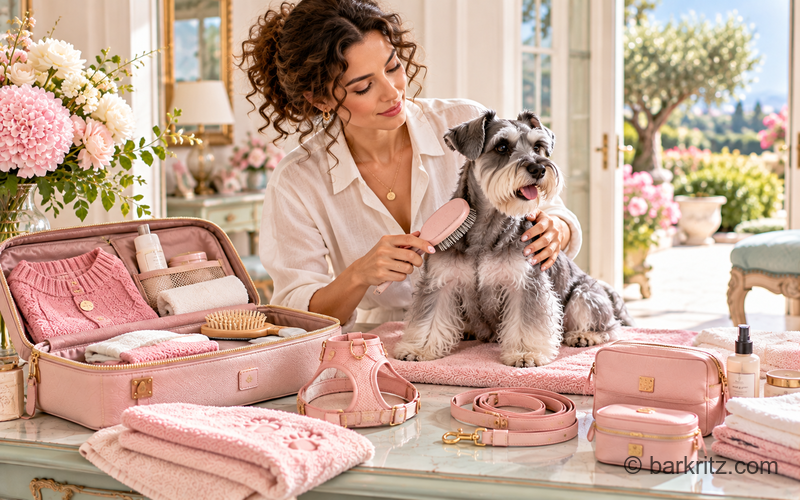
A pet’s signature travel style is easiest to maintain through a compact packing system, regular garment care, familiar routines, and a willingness to prioritize the animal’s comfort over photographs or formal occasions.
Travel introduces changes in routine, unfamiliar surfaces, different temperatures, and potentially stressful transport experiences. A carefully organized wardrobe can simplify preparation, but it should never become another demand placed on an already unsettled animal.
Before departure, check every garment for loose stitching, damaged fasteners, sharp edges, and components that could be chewed or swallowed. Introduce new items at home well before the trip, allowing the pet to investigate them and wear them briefly if comfortable. An animal that freezes, repeatedly scratches at a garment, or tries persistently to remove it is communicating that the experience may not be suitable.
A practical packing routine can help maintain both appearance and organization:
- Prepare complete outfits in advance: coordinate garments and accessories according to expected conditions rather than packing unnecessary alternatives.
- Use separate storage pouches: keep clean clothing apart from used items, grooming tools, and feeding equipment.
- Pack familiar comforts: include the pet’s usual blanket, bedding, or favorite toy to support relaxation in unfamiliar surroundings.
- Clean garments promptly: follow care instructions and allow items to dry completely before repacking.
- Inspect equipment daily: check harnesses, leash clips, carrier fastenings, and garment closures for wear or damage.
- Allow clothing-free time: remove unnecessary garments during rest and whenever clothing interferes with comfort or temperature regulation.
Grooming should remain practical and gentle. A soft brush, pet-safe wipes, and a small towel can help maintain coat condition after outdoor excursions, while regular checks of the paws, ears, and skin may reveal irritation before it becomes more serious. Products should be appropriate for the animal, and scented human cosmetics should not be substituted for pet-specific care.
Most importantly, style should remain an invitation rather than an obligation. Some pets enjoy wearing a soft sweater or a lightweight coat; others prefer their natural coat and a well-chosen harness. Both can travel with distinction.
True sophistication in pet fashion is not measured by the number of outfits packed or the attention an accessory attracts. It is reflected in thoughtful preparation, excellent fit, practical craftsmanship, and an unwavering respect for the animal wearing each piece. When comfort leads every decision, a pet’s travel wardrobe becomes a natural expression of care, individuality, and effortless style.