

How to Choose Pet Accessories for Small Dog Breeds
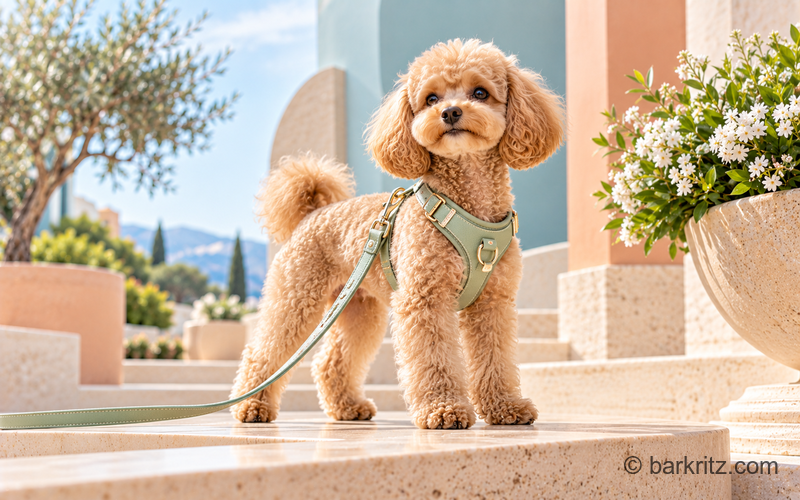
Small dogs may have petite proportions, but their accessories deserve the same thoughtful consideration as any carefully assembled wardrobe. From a perfectly fitted harness to a travel carrier that combines structure with comfort, the right pieces should complement a dog’s anatomy, temperament, and daily routine without compromising freedom of movement. For the style-conscious owner, selecting accessories for a Chihuahua, Toy Poodle, Pomeranian, or Maltese is an exercise in proportion, material quality, and functional elegance. The finest choices are not simply miniature versions of standard designs; they are purposefully made for the distinctive needs of smaller companions.
What Should You Look for When Choosing a Harness or Collar for a Small Dog?
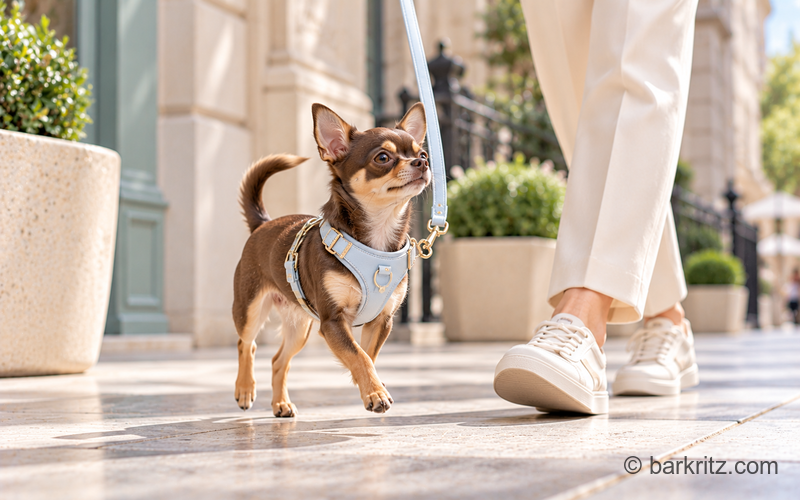
The ideal harness or collar for a small dog is lightweight, correctly proportioned, securely fitted, and designed to distribute pressure comfortably without restricting breathing or movement.
Small breeds vary considerably in neck circumference, chest depth, body shape, and coat density, so choosing accessories by breed name or weight alone is rarely sufficient. A Chihuahua may have a delicate neck and narrow frame, while a Pomeranian’s abundant coat can make a seemingly appropriate fit difficult to assess. Toy Poodles may have longer limbs and a different chest profile, requiring another approach to sizing.
For everyday walks, a well-fitted harness is often a practical choice because it can distribute leash pressure across the chest and torso rather than concentrating it on the neck. This can be especially helpful for dogs prone to coughing or airway sensitivity, although no harness can eliminate all respiratory risks. A collar remains useful for identification tags, but it should not be relied upon to control a dog that pulls forcefully.
Before purchasing, measure your dog according to the manufacturer’s instructions and check the fit with the coat in its normal condition. The harness should be secure without rubbing behind the front legs, restricting shoulder movement, or pressing against the throat. You should be able to assess the fit comfortably with your fingers beneath the straps, following the product’s guidance.
Consider the differences between common options:
- Y-shaped harness: Often allows natural shoulder movement when properly designed and fitted.
- Vest-style harness: Can offer a broader contact area and soft lining, although excessive bulk may restrict movement or cause overheating.
- Lightweight collar: Suitable for identification and some walking situations, provided it fits securely and does not put pressure on the airway.
- Adjustable harness: Offers flexibility as coat length, seasonal clothing, or body condition changes, but adjustment points must remain secure.
- Decorative harness: Adds visual character, yet should be chosen only when its construction and fit meet the same practical standards as everyday equipment.
Material matters just as much as silhouette. Soft, breathable mesh may suit warm weather, while smooth webbing with carefully finished edges can reduce friction. Hardware should be lightweight but reliable, with secure closures that are easy for the owner to operate. A refined accessory should feel almost imperceptible to the dog while remaining dependable in daily use.
Which Leash, Walking Bag, and Everyday Essentials Best Suit Petite Dogs?
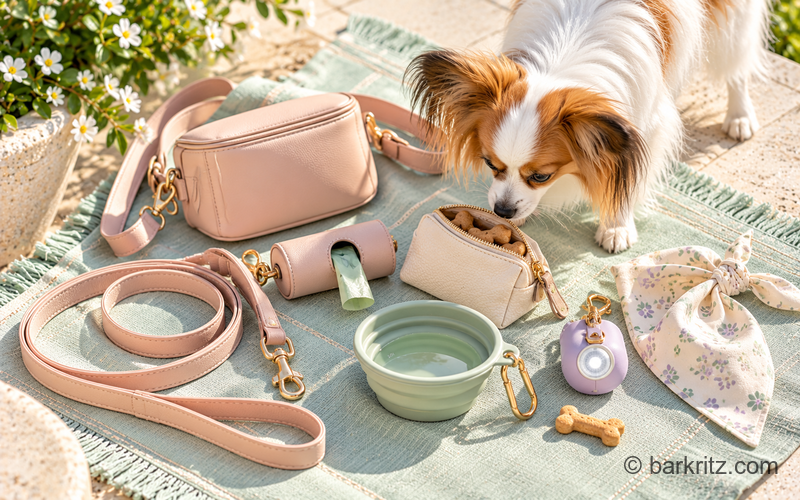
The most suitable walking accessories for small dogs combine low weight, reliable handling, compact dimensions, and easy access to essentials without creating unnecessary bulk.
A heavy leash can feel cumbersome for a petite dog, while an oversized clasp may swing uncomfortably against its harness. Choose a leash with a comfortable handle for the owner, secure hardware scaled appropriately to the dog, and enough length to allow controlled exploration. A fixed-length leash is often straightforward for urban walks, while longer training lines may be useful in appropriate open spaces under supervision.
Retractable leashes require particular caution. Their tension can encourage pulling, and the thin line may cause injury or become difficult to manage around pedestrians, bicycles, or other dogs. For crowded New York sidewalks, a conventional leash usually offers more predictable control.
A compact walking bag can keep essential supplies organized without turning a simple outing into an expedition. Look for easy-clean interiors, secure pockets, and a closure that allows quick access to waste bags. Crossbody styles leave both hands available, while a small belt bag can be convenient for shorter walks.
A well-considered everyday kit may include:
- Waste-bag holder: Lightweight, easy to refill, and securely attached to the leash or bag.
- Collapsible water bowl: Useful for warm days, longer outings, and travel.
- Small treat pouch: Keeps training rewards accessible without filling every pocket.
- Reflective detail or light: Improves visibility during early-morning or evening walks.
- Identification tag: Displays current contact information and attaches securely to a collar or harness.
- Weather protection: A lightweight coat or rain layer when conditions call for it, provided the dog can move naturally.
For small breeds, the relationship between weight and usability is especially important. A beautifully designed accessory that swings, slips, catches on the coat, or requires constant adjustment will rarely remain a favorite. Prioritize pieces that disappear into the routine, leaving the dog free to walk, sniff, and explore comfortably.
How Can You Choose Coats, Sweaters, and Other Clothing Without Restricting Movement?
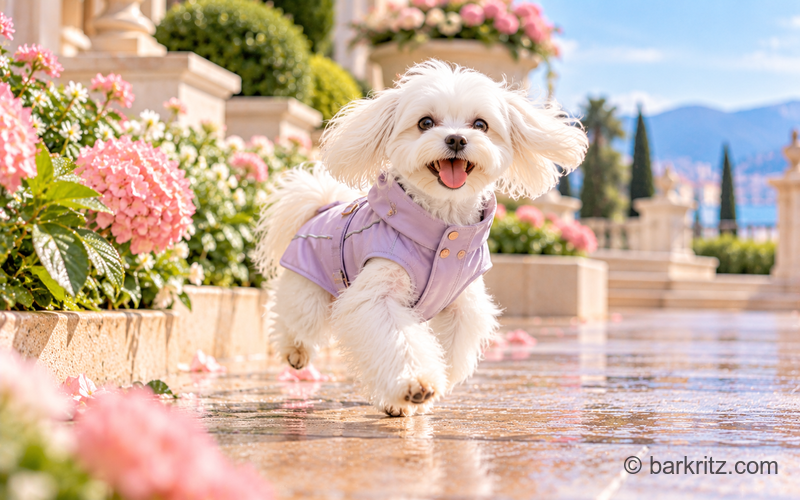
The best clothing for a small dog provides appropriate warmth or weather protection while allowing unrestricted movement, comfortable breathing, and natural elimination.
Chihuahuas and other fine-coated dogs may become uncomfortable in cold weather, while some small breeds with dense coats need less insulation than their size might suggest. Individual tolerance varies with age, health, coat type, activity, and environmental conditions, so clothing should respond to the dog rather than follow a fashion calendar.
Fit begins with accurate measurements. Check the length from the base of the neck to the base of the tail, the chest circumference at its broadest point, and the neck measurement where the garment sits. Follow the individual brand’s sizing guide, since a size labeled “extra small” can vary substantially between manufacturers.
A garment should not pull across the shoulders, press into the armpits, or bunch around the abdomen. It should also allow the dog to urinate and defecate without soiling the fabric. Observe your dog walking, sitting, turning, and lying down while wearing the item; a garment that looks impeccable while standing still may become uncomfortable in motion.
Different fabrics serve different purposes:
- Fine merino wool: Offers warmth and a soft feel, but should fit comfortably and be cared for according to its washing requirements.
- Cotton jersey: Lightweight and breathable, making it useful for mild conditions or indoor layering when appropriate.
- Water-resistant technical fabric: Helps protect against drizzle and damp conditions, particularly when paired with a comfortable lining.
- Quilted insulation: Can be useful in cold weather, provided the garment is not overly bulky or restrictive.
- Soft fleece: Provides cozy insulation, although the dog should be monitored for overheating during active walks.
Construction details determine whether clothing remains practical. Flat seams, smooth linings, secure closures, and carefully finished edges can reduce rubbing and tangling. Avoid dangling ties, decorative pieces that can be chewed off, or accessories that interfere with a harness. If a coat covers the area where the harness sits, confirm that the leash can still attach securely without causing pressure or slipping.
Introduce clothing gradually, rewarding calm behavior and removing the garment if your dog freezes, scratches repeatedly, tries persistently to escape it, or shows other signs of distress. Style should enhance comfort, never require the animal to tolerate discomfort for the sake of appearance.
What Materials, Colors, and Design Details Make Small-Dog Accessories Look Refined?
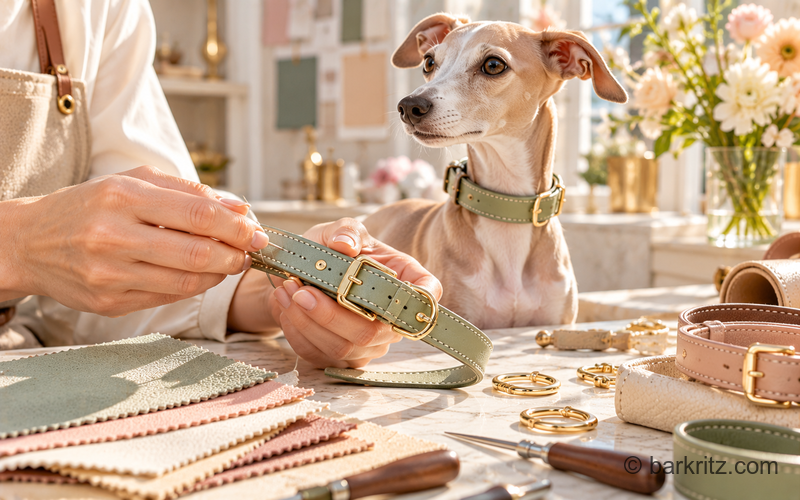
The most refined accessories combine durable materials, restrained design, harmonious colors, and craftsmanship that remains practical for the dog’s daily activities.
Small accessories can become visually overwhelming when they combine oversized hardware, excessive embellishment, and multiple competing patterns. A more considered approach begins with proportion: narrow straps, appropriately scaled buckles, clean stitching, and details that complement rather than dominate the dog’s natural silhouette.
Material selection should reflect both appearance and maintenance. Smooth leather can develop character over time but requires appropriate care and should remain supple rather than stiff against the body. High-quality woven webbing is lightweight and practical for frequent walks, while washable fabrics can be especially useful for dogs that spend time outdoors. Any material touching the skin should be free of rough edges and should not cause irritation.
A versatile palette can make it easier to coordinate walking equipment, outerwear, and travel accessories without accumulating unnecessary pieces. Consider these combinations:
- Ivory and cognac: A timeless pairing for cream-colored Maltese dogs and apricot Toy Poodles.
- Sage and warm beige: A subtle, nature-inspired combination that works across many coat colors.
- Navy and soft gray: A crisp, understated choice for both light and dark coats.
- Burgundy and charcoal: Rich accents that provide contrast without excessive ornamentation.
- Powder blue and taupe: A gentle pastel pairing suited to lightweight seasonal accessories.
These are styling suggestions rather than rules; the dog’s comfort, visibility, and individual coloring should guide the final choice. Reflective trim can be integrated discreetly into a refined design, adding a practical benefit without compromising its appearance.
Inspect the small details before purchasing. Stitching should be even, hardware should operate smoothly, and adjustable components should not slide unexpectedly. For products that may be chewed or mouthed, avoid loose decorations, fragile beads, and detachable parts that could become choking hazards.
A coordinated collection need not be extensive. A reliable everyday harness, a practical leash, a weather-appropriate garment, and a compact travel accessory may serve more effectively than a drawer full of pieces that rarely leave the house. Thoughtful selection creates visual consistency while keeping the dog’s needs at the center of every decision.
Which Travel Carrier, Bed, and Home Accessories Are Best for Small Dog Breeds?
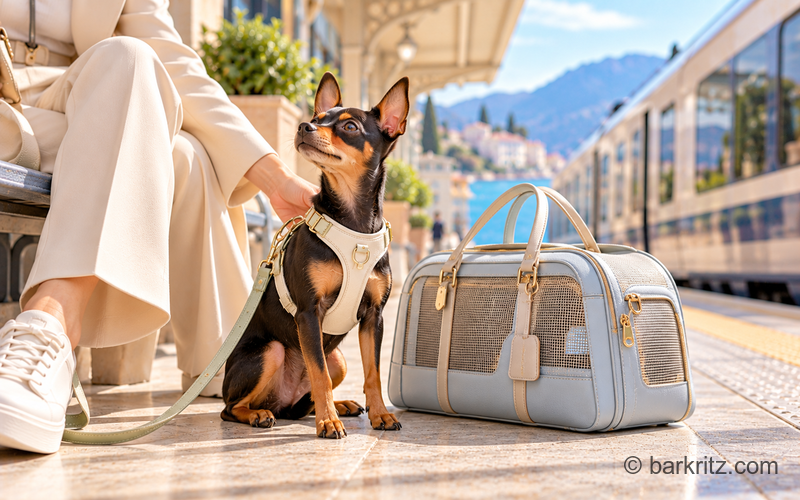
The best home and travel accessories for small dogs provide secure support, appropriate dimensions, easy maintenance, and a comfortable place to rest without making the animal dependent on being carried everywhere.
A travel carrier should be selected according to its intended use, the dog’s size, and any transport provider’s requirements. The dog should have enough room to maintain a natural position and settle comfortably, while the carrier remains secure and well ventilated. For air travel, confirm the airline’s current rules before purchasing; cabin dimensions, construction requirements, and pet policies differ.
A carrier should never be treated merely as a fashion accessory. Strong closures, stable construction, comfortable flooring, ventilation, and reliable handling are essential. Introduce it gradually at home, using familiar bedding and positive reinforcement so that it becomes a recognizable resting space rather than a signal that an unfamiliar journey is imminent.
For car journeys, use an appropriate crash-tested restraint system or secured travel carrier designed for vehicle use. Never allow a small dog to travel loose on a passenger’s lap or near the driver’s feet. A dog that can move freely around the vehicle may distract the driver or be seriously injured during sudden braking.
At home, beds should support comfortable rest and suit the dog’s preferred sleeping position. Some dogs curl tightly into bolstered beds, while others stretch out on flat cushions. Older dogs or those with mobility concerns may benefit from supportive, easily accessible bedding, with the specific choice guided by their needs.
When choosing home and travel accessories, prioritize:
- Travel carrier: Secure closures, good ventilation, stable construction, and suitable interior dimensions.
- Car restraint: A properly fitted, vehicle-appropriate safety system used according to its instructions.
- Everyday bed: Washable covers, supportive cushioning, and a shape that matches the dog’s sleeping habits.
- Portable mat: A lightweight surface that provides a familiar resting place in pet-friendly cafés or while visiting friends.
- Food and water containers: Stable, easy-to-clean designs sized for the dog’s needs.
- Storage solutions: Compact organizers that keep leads, grooming tools, and travel essentials accessible without clutter.
For New York living, compactness and versatility can be particularly useful. A bed that fits neatly into a small apartment, a carrier that is comfortable to handle on public transport where pets are permitted, and washable accessories can make daily life simpler. Always check the rules of the specific transit service or establishment before bringing a dog.
Ultimately, choosing accessories for a small dog is about understanding scale without confusing smallness with fragility. Well-designed pieces respect the animal’s anatomy, make daily routines easier, and express the owner’s personal style through thoughtful details rather than unnecessary ornament. When comfort, safety, and proportion guide every purchase, a petite companion can enjoy a wardrobe and lifestyle that feel considered, practical, and distinctly individual.