

Halloween Costumes for Dogs and Cats: Stylish Ideas for Every Pet
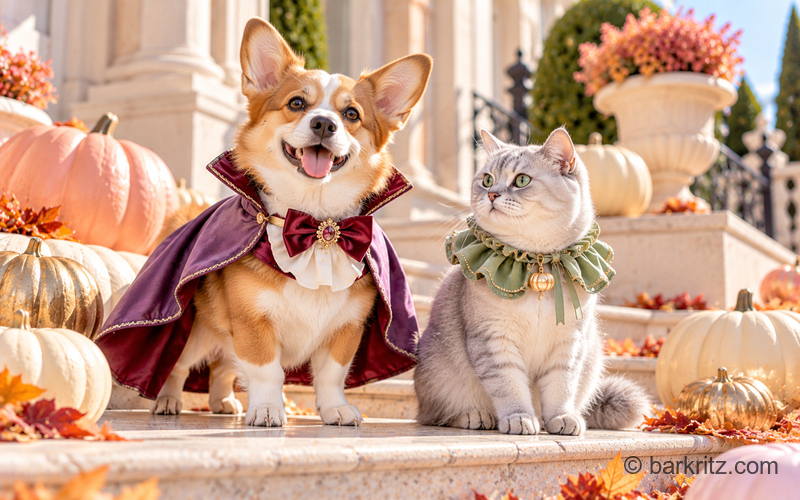
Halloween offers an opportunity to bring a little theatrical flair to the lives of our four-legged companions, transforming an ordinary October evening into a celebration of personality, imagination, and impeccable style. From miniature capes and storybook-inspired collars to sophisticated pumpkin ensembles, the most memorable pet costumes balance visual charm with comfort and freedom of movement. Whether dressing a spirited Dachshund for a neighborhood parade or finding a subtle festive accessory for a discerning feline, the guiding principle is simple: the best look celebrates the animal rather than overwhelming it.
Which Halloween Costumes Look Most Stylish on Dogs of Different Breeds?
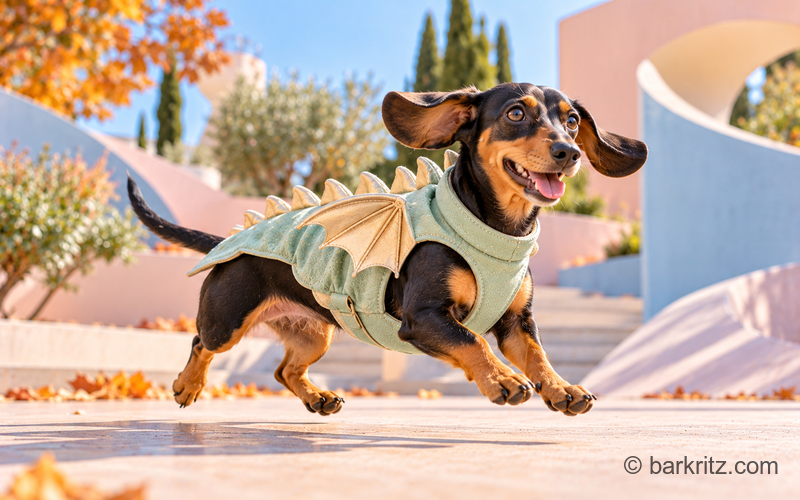
The most flattering Halloween costume for a dog complements its natural proportions, coat, and personality while allowing it to walk, sit, breathe, and interact comfortably.
A costume that looks delightful on a fluffy Pomeranian may overwhelm a sleek Italian Greyhound, while a long-backed Dachshund often suits a different silhouette from a compact French Bulldog. Rather than choosing an outfit solely because it is fashionable, consider how its shape works with the dog’s body and temperament.
For a polished Halloween look, prioritize clean construction, lightweight fabrics, and a secure fit. A soft velvet cape, a neatly tailored bandana, or a simple character-inspired vest can make a stronger visual statement than an elaborate ensemble covered in dangling decorations.
Consider these distinctive costume directions:
- The miniature aristocrat: A burgundy cape with a soft ivory collar suits small breeds with expressive faces, including Maltese dogs and Toy Poodles.
- The woodland explorer: A leaf-inspired cape or forest-green bandana creates a charming autumn look for Beagles, Corgis, and other curious companions.
- The classic pumpkin: A lightweight orange vest with restrained green detailing offers an instantly recognizable seasonal silhouette.
- The storybook gentleman: A soft bow tie and a tailored jacket-inspired vest bring a playful formal touch to breeds such as the Miniature Schnauzer.
- The supernatural star: A simple black cape with a secure, lightweight fastening evokes a miniature vampire or mysterious Halloween character without restricting movement.
Coat type deserves particular consideration. Thick-coated dogs may become overheated in padded or fleece-heavy costumes, while short-haired breeds can be more sensitive to cold outdoor conditions. The garment should suit both the dog and the weather, with enough clearance around the legs and shoulders to preserve a natural stride.
Before heading outside, let your dog wear the costume briefly indoors. Observe whether it moves freely, remains relaxed, and accepts the garment without persistent scratching, freezing, or attempts to remove it. A costume should enhance the occasion, not turn it into an endurance test.
What Halloween Costumes Can Make Cats Look Elegant Without Causing Stress?
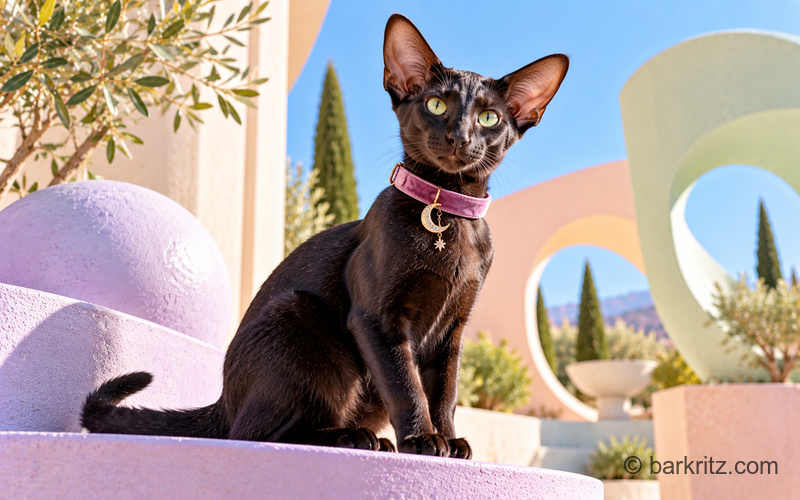
The best Halloween costume for a cat is lightweight, minimally restrictive, and introduced gradually, with simple accessories often preferable to full-body outfits.
Cats are particularly sensitive to unfamiliar sensations around their bodies, and many dislike clothing that changes how they move or groom themselves. A dramatic costume may look impressive in a photograph but prove uncomfortable in practice. For most cats, a festive collar accessory, a soft bandana designed for feline use, or a brief portrait session with a lightweight prop is a more considerate choice.
A cat’s natural silhouette already offers plenty of visual character. A black cat can become a miniature Halloween icon with a simple purple bow or a lightweight bat-inspired accessory, while a white Persian may look striking in a soft pumpkin-colored bandana. A silver British Shorthair can carry a tiny decorative collar detail with understated elegance.
Ideas worth considering include:
- The midnight familiar: A simple purple or plum accent for a black cat, emphasizing its natural coat and bright eyes.
- The little pumpkin: A lightweight orange bandana or soft collar detail for a classic seasonal portrait.
- The storybook royal: A small, comfortable bow or capelet used only if the cat accepts it willingly.
- The woodland spirit: A muted sage accessory for a cream or silver-coated cat, creating a subtle autumn-inspired look.
- The mysterious magician: A brief portrait with a miniature hat positioned nearby rather than attached to the cat.
Never force a cat into an outfit or leave it unattended while wearing costume accessories. Avoid elastic loops, tight neckwear, loose pieces that could be swallowed, and anything that interferes with vision, hearing, breathing, walking, or grooming. A collar should have an appropriate breakaway mechanism, and decorative additions must not compromise its safety.
Watch the cat’s body language throughout the process. Flattened ears, a crouched posture, a lashing tail, repeated attempts to escape, or unusual stillness can indicate discomfort. Remove the accessory immediately if the cat appears distressed. For an animal that dislikes clothing, seasonal toys, a festive blanket, or a carefully styled portrait beside a pumpkin can deliver the same Halloween atmosphere without requiring it to wear anything.
How Can You Coordinate Halloween Looks for Dogs and Cats in the Same Household?
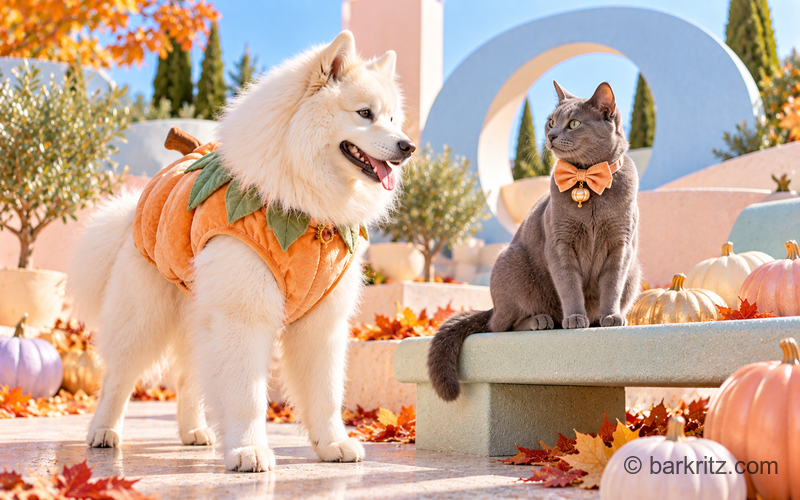
The most sophisticated coordinated pet costumes share a visual theme, complementary colors, and similar levels of detail rather than forcing every animal into an identical outfit.
A matching concept can create a charming photographic moment while allowing each pet’s needs and preferences to remain distinct. A dog might tolerate a tailored vest, whereas its feline companion may prefer a simple collar accessory or no costume at all. The visual connection can come from color, texture, or a shared story rather than identical clothing.
A carefully coordinated palette helps the images feel intentional. Traditional orange and black deliver a recognizable Halloween statement, while plum, sage, cream, and muted copper create a more contemporary interpretation. Velvet, soft cotton, and lightweight felt can add tactile richness, provided the materials remain comfortable and safe.
Consider these pairings:
- Pumpkin and black cat: An orange dog vest paired with a minimal purple accent for the cat.
- Little vampire and moonlit feline: A burgundy cape for a willing dog and a simple silver-toned accessory for the cat.
- Woodland duo: A forest-green bandana for the dog and a sage-colored photographic backdrop for the cat.
- Royal pair: A restrained gold-and-plum palette, with a tailored dog accessory and a simple feline bow.
- Classic Halloween: Coordinated black-and-ivory details that look elegant without relying on excessive decoration.
For a memorable portrait, think about composition as carefully as costume design. Position the animals at a comfortable distance from one another, use a familiar setting, and allow each to settle naturally. A dog can sit beside a decorative pumpkin while a cat observes from a favorite perch, creating a connected scene without demanding that both animals pose in the same way.
Never dress animals alike merely for the photograph if one finds the experience stressful. Use short sessions, familiar rewards, and a quiet environment. Keep props stable, avoid candles and exposed flames, and ensure that decorative cords, artificial foliage, and small ornaments remain out of reach.
The most successful paired looks feel spontaneous rather than staged. Their charm comes from the relationship between the animals and the shared visual theme, not from elaborate costumes or perfect synchronization.
Which Fabrics and Design Details Make Pet Halloween Costumes Comfortable and Safe?
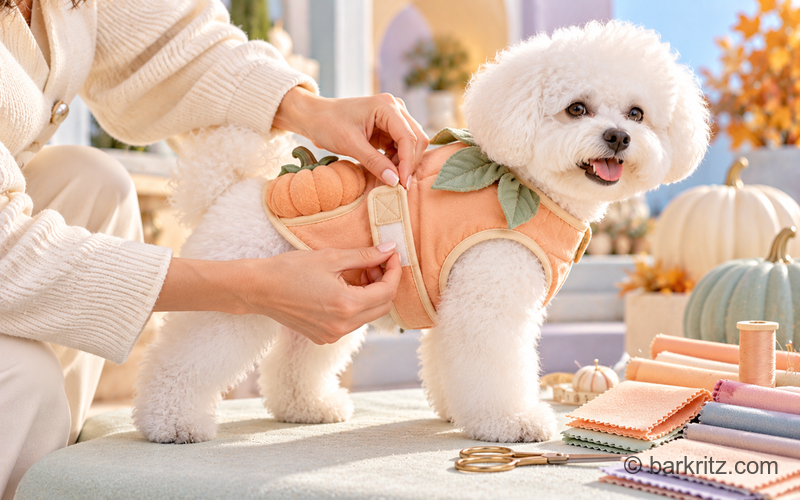
A well-designed Halloween costume uses breathable materials, secure but non-restrictive fastenings, and minimal decoration while leaving the animal’s movement and senses unobstructed.
Visual appeal should never compensate for poor construction. Rough seams, stiff edges, heavy embellishments, and poorly positioned closures can rub against the skin or catch on furniture, branches, and other objects. A garment that looks exquisite on a hanger may be unsuitable once an animal begins to move.
Choose materials according to the pet’s coat, the weather, and the length of time the costume will be worn. Soft cotton blends can be useful for lightweight accessories, while a thin, smooth lining may reduce friction in a vest. Heavy padding, plastic coverings, and thick synthetic layers can trap heat, particularly for dogs with dense coats or pets wearing costumes indoors.
Before purchasing, assess the following details:
- Weight: Lightweight construction is generally easier for small breeds and animals unfamiliar with clothing.
- Fit: The costume should not tighten around the neck, chest, abdomen, or joints.
- Fastenings: Closures should be secure during normal movement but should not create pressure or snag the coat.
- Decoration: Avoid detachable beads, small bells, loose sequins, sharp pieces, and dangling elements that may be chewed or swallowed.
- Visibility: Ensure that hats, hoods, masks, and accessories never cover the eyes or obstruct hearing or breathing.
- Care: Washable materials and colorfast fabrics make it easier to keep the costume clean between uses.
Masks that cover a pet’s face are particularly unsuitable because they can interfere with vision and normal sensory behavior. Long capes may catch under paws, while costumes with tight leg openings can alter a dog’s gait. Accessories that make a pet stumble, scratch persistently, or struggle to remove them should be taken off immediately.
Halloween decorations also require attention beyond clothing. Keep chocolate, sugar-free sweets containing xylitol, raisins, and other potentially toxic treats away from pets. Secure electrical cords and small decorative objects, and use battery-operated lights rather than open flames around curious animals.
A refined costume should feel effortless to wear. If the animal cannot move normally or appears uncomfortable, simplify the look until the practical requirements are fully met.
How Can You Photograph Your Pet’s Halloween Costume for a Magazine-Worthy Result?
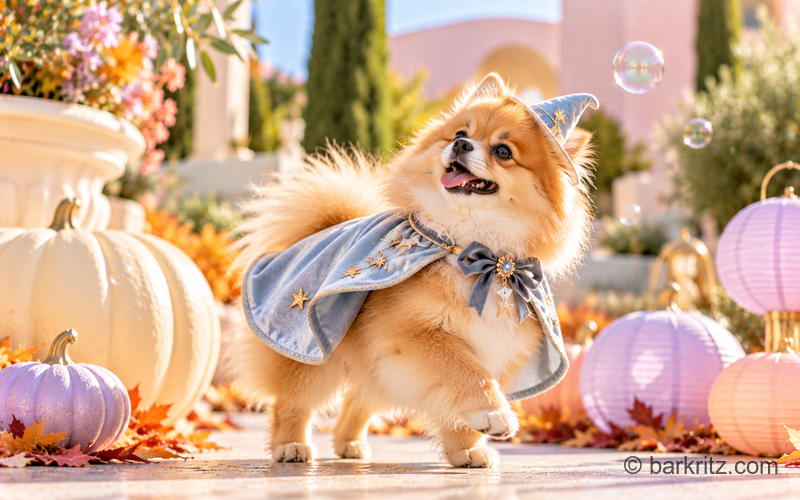
The most compelling Halloween portraits combine flattering natural light, a simple seasonal setting, and a relaxed animal whose expression and personality remain the center of attention.
A beautiful photograph does not require a complicated studio or an elaborate set. Soft daylight near a secure outdoor location, a clean neutral wall, or a simple arrangement of pumpkins can provide all the atmosphere needed. The goal is to show the costume clearly while preserving the individual character that makes the pet distinctive.
For dogs, photograph the outfit while the animal is standing, sitting, or walking naturally. A low camera angle brings the viewer closer to the dog’s perspective and helps the costume appear proportionate. For cats, use a familiar resting place or elevated perch and photograph them when they are calm, rather than repeatedly repositioning them.
A few styling choices can elevate the result:
- Choose one visual focal point: A distinctive cape, bow, or seasonal accessory is usually more effective than several competing details.
- Use a restrained background: Pale stone, warm wood, autumn leaves, or a simple colored backdrop can make the coat and costume stand out.
- Work with natural light: Bright, indirect daylight reveals fur texture and fabric detail without harsh shadows.
- Capture movement: A dog walking toward the camera or a cat investigating a nearby toy often produces a more engaging image than a forced pose.
- Keep sessions short: Photograph in brief intervals and allow the animal to take breaks whenever needed.
For a premium editorial finish, coordinate the costume with the pet’s natural coloring. Rust and cream can complement a white or apricot dog, while plum and sage can create a striking contrast against a dark coat. The colors should enrich the image rather than overwhelm the animal.
Props should remain stable, non-toxic, and safely positioned. Avoid placing pets beside lit candles, using fake cobwebs within reach, or encouraging them to chew decorative objects. If the pet dislikes wearing a costume, photograph it beside a seasonal prop instead; a beautifully lit portrait can be just as effective without clothing.
Above all, let the animal determine the pace. The most memorable photographs capture curiosity, a characteristic head tilt, an energetic stride, or a relaxed expression. Halloween style is at its best when it celebrates the pet’s individuality while preserving the comfort and confidence that make the image feel genuine.