

How to Build a Personalized Wellness Routine for Your Cat
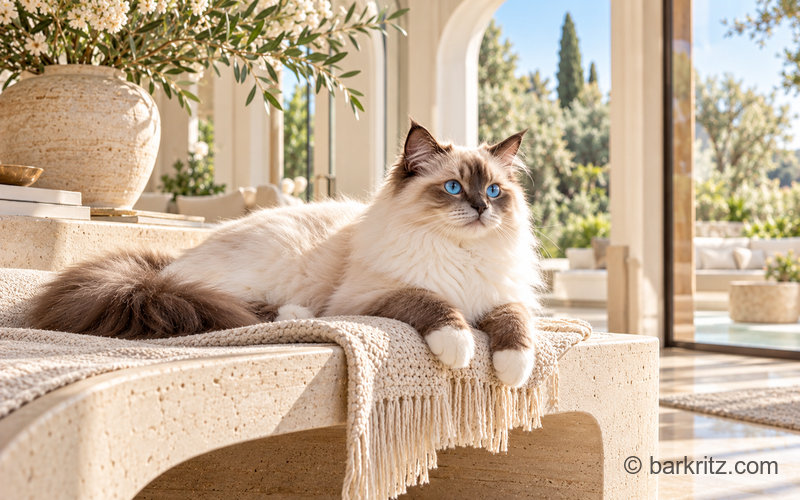
A cat’s well-being is shaped by the details of everyday life: the quality of its nutrition, the rhythm of its activity, the security of its environment, and the consistency of its preventive care. Yet no two cats share precisely the same needs. Age, breed, temperament, body condition, medical history, and living arrangements all influence what an effective wellness routine should look like. For the discerning pet owner, the goal is to create a thoughtful, sustainable approach that supports physical health and emotional balance while respecting the individuality of a beloved companion.
How Should You Personalize a Wellness Routine Around Your Cat’s Age and Health?
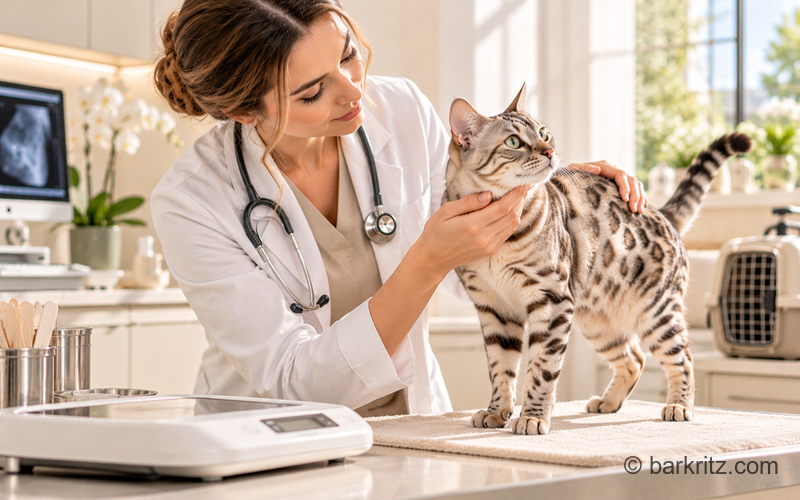
The most effective feline wellness routine begins with an assessment of your cat’s age, medical history, body condition, temperament, and daily habits, ideally developed in partnership with a veterinarian.
Kittens require a different approach from adult cats, while mature and senior animals may benefit from closer monitoring of mobility, dental health, appetite, hydration, and age-related changes. Breed can also influence certain considerations, although individual health history and observed behavior matter more than assumptions based on appearance alone.
A veterinary wellness examination establishes a useful baseline. Your veterinarian can assess weight and body condition, review vaccination and parasite-prevention needs, examine the teeth and gums, and recommend screening appropriate to your cat’s age and risk factors. Cats often conceal discomfort, making routine examinations particularly valuable even when an animal appears perfectly healthy.
A personalized starting profile should include:
- Age and life stage: Kittens need developmental monitoring and frequent preventive care, while senior cats may require more frequent assessments.
- Body condition: Weight trends help guide feeding portions, activity plans, and discussions about healthy body composition.
- Medical history: Existing conditions, medications, allergies, and previous illnesses influence appropriate care.
- Temperament: An outgoing cat may enjoy interactive challenges, whereas a cautious companion may prefer predictable, low-pressure activities.
- Lifestyle: Indoor-only cats, outdoor-access cats, and animals living with other pets have different environmental and preventive-care considerations.
Record your cat’s current weight, usual appetite, water intake, litter-box habits, energy level, and preferred activities. These observations create a practical reference point against which meaningful changes can be recognized. A wellness routine should evolve with the animal rather than remain fixed simply because it once worked well.
What Nutrition and Hydration Habits Support Long-Term Feline Wellness?
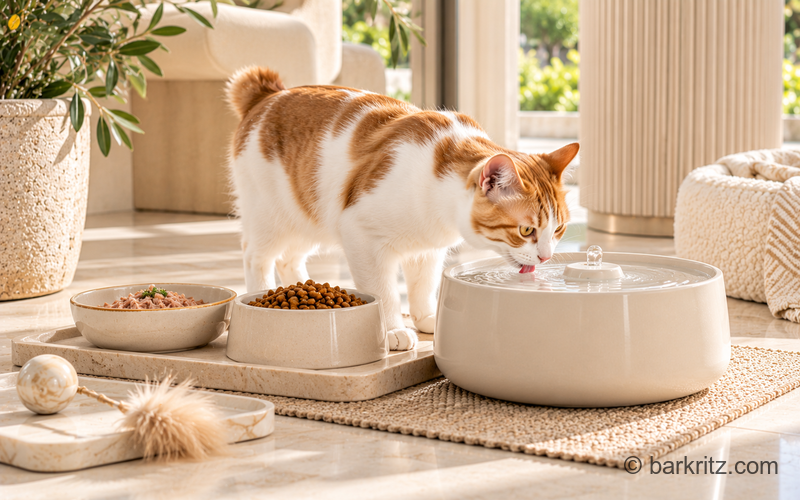
A healthy feline nutrition routine combines a complete and balanced diet appropriate to the cat’s life stage and medical needs with suitable portion sizes, consistent feeding habits, and reliable access to fresh water.
Cats are obligate carnivores, meaning their nutritional requirements reflect their evolutionary dependence on animal-based nutrients. Commercial foods labeled complete and balanced for the appropriate life stage can provide a convenient foundation, while specialized diets may be necessary when recommended by a veterinarian. Homemade diets require particular care because nutritional imbalances can develop without professional formulation.
Portion control is as important as ingredient quality. Feeding guidelines on packaging offer a starting point, but individual requirements vary according to body size, age, activity, neuter status, and health. Regularly monitoring body condition and weight helps determine whether portions need adjustment. Treats should remain a modest part of daily energy intake rather than displacing nutritionally complete food.
A structured feeding routine can support consistency without making mealtimes unnecessarily rigid. Some cats do well with several measured meals throughout the day, while others benefit from puzzle feeders that encourage natural foraging behavior. Automatic feeders can help maintain predictable portions when household schedules vary, provided they are cleaned and checked regularly.
Hydration deserves equal attention. Cats may drink more readily when water is available in several quiet locations, away from litter trays and, for some individuals, away from food bowls. Wide, clean bowls can suit cats that dislike their whiskers touching the sides, while a pet fountain may appeal to those attracted to moving water. Wet food can also contribute meaningfully to total water intake.
Consider these distinctions when refining your cat’s feeding plan:
- Wet food: Provides substantial moisture and may be useful for cats that drink relatively little.
- Dry food: Offers convenience and can be used in measured portions or suitable food puzzles.
- Mixed feeding: Combines both formats when the total diet remains nutritionally appropriate and portions are controlled.
- Veterinary therapeutic diets: Address particular medical needs and should be selected with professional guidance.
- Treats and toppers: Add variety but should not compromise nutritional balance or contribute excessive calories.
Avoid abrupt dietary changes unless medically necessary, and introduce new foods gradually when possible. Persistent changes in appetite, unusual thirst, unexplained weight loss, or difficulty eating warrant veterinary attention rather than a simple adjustment to the menu.
How Much Exercise and Mental Stimulation Does a Cat Need Each Day?
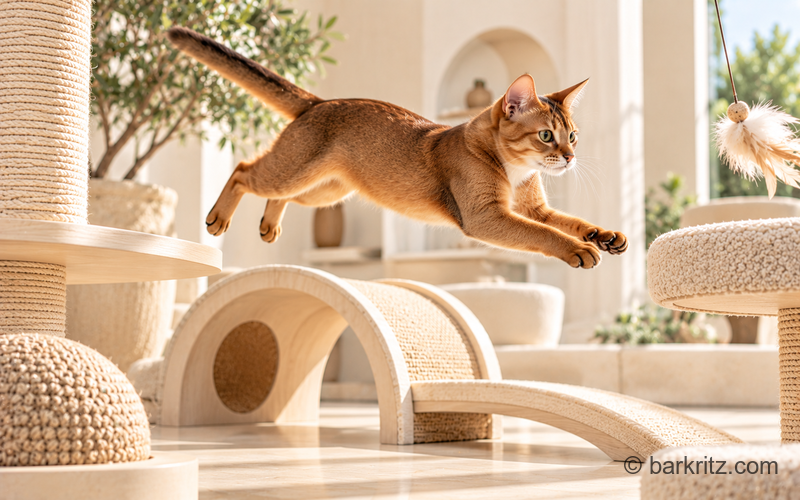
A personalized activity routine should provide regular opportunities for movement, predatory play, exploration, and problem-solving, with the duration and intensity adapted to the cat’s age, fitness, and individual preferences.
Cats are natural hunters, and even indoor companions benefit from activities that allow them to stalk, chase, pounce, climb, and investigate. Short interactive play sessions distributed throughout the day often fit feline behavior better than one prolonged session. A wand toy can encourage chasing and leaping, while a rolling toy or food puzzle may appeal to a cat that prefers independent play.
The right amount of activity depends on the individual. A young, energetic Bengal may welcome vigorous play and climbing opportunities, while a senior Persian may prefer gentler movement and brief sessions with an easily accessible toy. Neither breed nor age determines the entire plan; observe how your cat responds and adjust accordingly.
A varied weekly routine can include:
- Interactive hunting games: Use wand toys or other safe toys to encourage stalking and chasing.
- Vertical exploration: Provide stable cat trees, shelves, or window perches where appropriate.
- Food puzzles: Make selected meals or treats more engaging through supervised problem-solving.
- Scent enrichment: Introduce familiar, safe scents or occasional new objects for investigation.
- Gentle mobility sessions: Encourage comfortable movement with low-impact play, especially for older cats.
Always supervise toys with strings, ribbons, feathers, or small detachable parts, and store them safely after use. Laser pointers should be used thoughtfully, with opportunities to catch a physical toy or receive another satisfying reward at the end of play.
Mental stimulation also includes environmental variety. Rotating a few toys, providing access to secure observation points, and allowing predictable periods of quiet can prevent an indoor environment from becoming monotonous. For cats that enjoy outdoor experiences, a secure enclosure or carefully introduced harness may offer additional enrichment, but outdoor access should never be forced on an uncomfortable animal.
Watch for signs that the routine is too demanding, such as persistent panting, reluctance to continue, or unusual fatigue. Sudden changes in mobility or playfulness may indicate discomfort and should be discussed with a veterinarian.
Which Grooming, Dental Care, and Preventive Health Habits Should Be Part of the Routine?
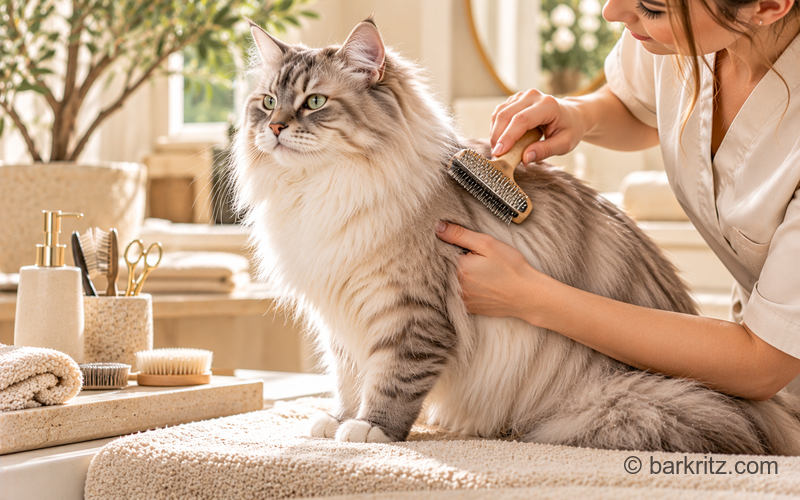
A comprehensive feline wellness routine combines regular coat and nail care, consistent dental attention, parasite prevention, and veterinary checkups tailored to the cat’s health status and environment.
Grooming needs vary considerably by coat type. Long-haired cats may require frequent brushing to prevent tangles and mats, while many short-haired cats need less intensive maintenance. Gentle, consistent sessions are generally more effective than infrequent, lengthy grooming attempts, especially for cats that are sensitive to handling.
Nail checks should be part of routine care, with trimming performed as needed and only to a level that avoids the sensitive quick. Scratching posts and suitable surfaces help support normal scratching behavior, but they do not eliminate the need to inspect the claws. If your cat strongly resists nail care, a veterinarian or qualified groomer can demonstrate safer techniques.
Dental health deserves particular attention because dental disease can develop without obvious early symptoms. Daily toothbrushing with feline toothpaste is an excellent goal when a cat can be gradually accustomed to the process. Never use human toothpaste, which may contain ingredients unsuitable for cats. Dental diets and other products may provide additional support, but they do not replace veterinary oral examinations or professional treatment when needed.
Preventive care should be individualized rather than based on a universal calendar. Your veterinarian can recommend vaccinations, parasite control, and screening according to age, health, geographic exposure, and lifestyle. Indoor cats may still face some parasite and infectious-disease risks, so their needs should be assessed rather than automatically dismissed.
A practical maintenance schedule can include:
- Daily: Observe appetite, water intake, litter-box output, movement, and general behavior.
- Several times a week or as needed: Brush the coat, check for tangles, and inspect the ears, eyes, and claws.
- Regularly: Practice dental care and clean food and water bowls and litter trays.
- At veterinarian-recommended intervals: Review vaccinations, parasite prevention, weight, dental health, and age-appropriate screening.
- Whenever changes appear: Seek professional advice for persistent vomiting, altered urination, reduced appetite, breathing difficulties, or other concerning symptoms.
Consistency makes preventive care easier to manage and helps cats become familiar with gentle handling. If an examination or grooming session causes distress, break it into smaller steps and use positive reinforcement rather than restraint beyond what is necessary for safety.
How Can You Create a Daily Wellness Schedule That Fits Your Cat’s Personality?
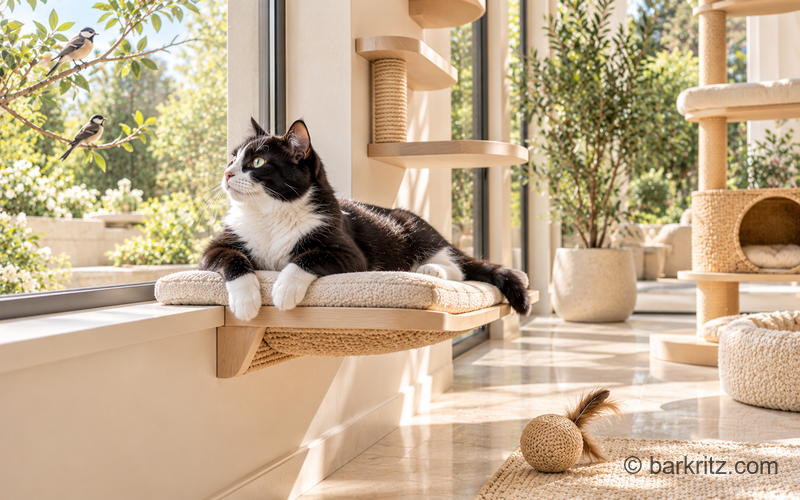
The best daily wellness schedule is a predictable but flexible rhythm that integrates feeding, play, grooming, rest, and observation into the household routine without overwhelming the cat.
Cats often find security in familiar patterns, particularly when mealtimes, play opportunities, and quiet periods occur in a reasonably consistent sequence. However, a useful schedule should accommodate both the animal’s natural preferences and the practical realities of its owner’s day.
A morning routine might begin with fresh water, breakfast, a quick litter-tray check, and a short play session. During the day, food puzzles, accessible resting places, and safe observation points can provide enrichment. In the evening, interactive play followed by a meal may suit cats that become more active around dusk. Grooming or dental care can be added in short, calm sessions when the cat is receptive.
For example, a flexible daily framework might look like this:
- Morning: Refresh water, serve a measured meal, inspect the litter tray, and observe general behavior.
- Midday: Offer independent enrichment, a puzzle feeder, or a comfortable place to watch the outdoors safely.
- Evening: Schedule interactive play, provide the next meal, and spend a few minutes on grooming or dental care.
- Before bedtime: Check water availability, ensure the litter tray is accessible, and confirm that the environment is safe and comfortable.
These are illustrative time blocks, not mandatory durations. Some cats prefer multiple brief play sessions, while others respond well to longer periods of interaction. A cat that hides when visitors arrive may need a protected retreat, whereas a sociable companion may enjoy supervised interaction and additional enrichment.
Keep a simple wellness journal or digital record of weight, appetite, medication, grooming, and unusual behavior. Tracking these details can reveal gradual changes that might otherwise go unnoticed. It also helps you communicate more precisely with your veterinarian when a concern develops.
Most importantly, recognize that wellness is not measured by the number of products purchased or activities completed. It is reflected in comfortable movement, stable eating habits, appropriate elimination, healthy grooming, relaxed behavior, and the ability to express normal feline instincts. If a cat’s behavior or physical condition changes persistently, professional assessment should take priority over modifying the routine independently.
A personalized wellness plan is ultimately an expression of attentive care. By combining preventive veterinary guidance with balanced nutrition, daily enrichment, thoughtful grooming, and a predictable home environment, owners can create a routine that respects their cat’s individuality while supporting long-term health and quality of life.