

How to Plan a Luxury Pet-Friendly Road Trip in Europe
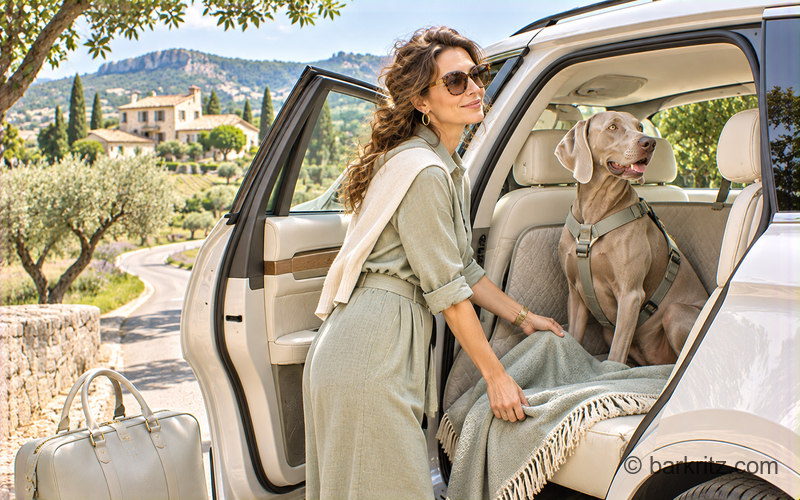
A European road trip offers an appealing way to discover the continent at a more leisurely pace, with the freedom to explore historic towns, countryside estates, coastal retreats, and celebrated culinary destinations along the way. Traveling with a beloved pet adds another dimension to the experience, turning the journey into a shared adventure rather than an extended separation.
From the sunlit roads of Provence to the Alpine passes of Switzerland and the picturesque coastal routes of Italy, Europe offers remarkable possibilities for travelers accompanied by their dogs. The most memorable journeys, however, are rarely improvised. Comfortable transportation, carefully selected accommodations, thoughtful daily itineraries, and an understanding of international pet-travel requirements all contribute to a seamless experience.
A well-planned itinerary should balance discovery with the animal’s individual needs. Rather than rushing between destinations, consider a more considered approach: fewer hotel changes, scenic driving routes, generous rest periods, and properties where pets are genuinely welcomed. With the right preparation, a European road trip can become an elegant and rewarding experience for every member of the traveling party.
How Should You Choose the Best European Route for a Pet-Friendly Road Trip?
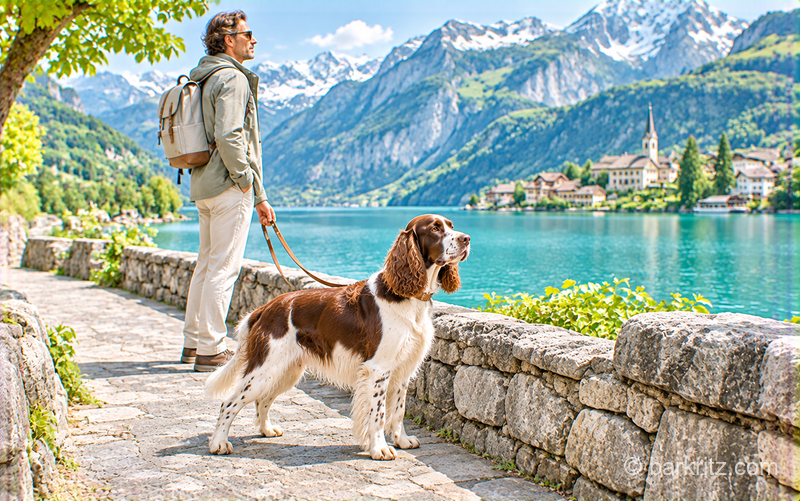
The best European road-trip route for traveling with a pet combines scenic destinations, manageable driving distances, comfortable stopping points, and access to welcoming accommodations.
Europe’s diversity makes it possible to design an itinerary around almost any preference, from Mediterranean coastlines and vineyard landscapes to mountain villages and historic countryside. The key is to choose a route that allows enough time to enjoy each destination without subjecting the animal to unnecessarily long periods in the car.
Several regions are particularly appealing for a leisurely journey:
- Provence and the French Riviera: offer countryside estates, picturesque villages, coastal promenades, and opportunities for relaxed outdoor dining.
- Tuscany and northern Italy: combine vineyard landscapes, historic towns, country hotels, and scenic drives through rolling hills.
- The Swiss Alps: provide spectacular mountain scenery, lakeside destinations, and walking opportunities, although altitude, weather, and trail suitability should be considered.
- The Austrian countryside: offers alpine villages, lakes, and traditional hospitality, with opportunities to combine nature and cultural experiences.
- The Dalmatian Coast in Croatia: features beautiful coastal roads, historic waterfront towns, and seaside properties that may welcome pets.
- The Basque Country and northern Spain: offer a distinctive combination of coastal landscapes, culinary destinations, and attractive countryside routes.
When planning the route, consider limiting daily driving to a distance that suits the individual animal. Some confident adult dogs may tolerate several hours of travel with appropriate breaks, while puppies, senior dogs, and animals prone to motion sickness may need considerably shorter journeys.
A practical itinerary might include two or three nights at each major destination rather than changing hotels every day. This gives pets time to become familiar with their surroundings and allows owners to explore without constantly packing and unpacking.
Scenic roads can also be preferable to the fastest highways. A drive through the Tuscan countryside, for example, may offer more opportunities for leisurely stops than a direct motorway journey. However, winding mountain roads can be challenging for animals sensitive to motion, so route selection should account for their comfort.
Before finalizing the itinerary, identify veterinary clinics, emergency animal hospitals, pet-friendly rest areas, and suitable walking locations along the route. A little advance planning can make unexpected situations considerably easier to manage.
The most successful European road trips are not measured by the number of countries visited, but by the quality of the experiences shared along the way.
What Documents and Travel Requirements Does Your Pet Need to Cross European Borders?
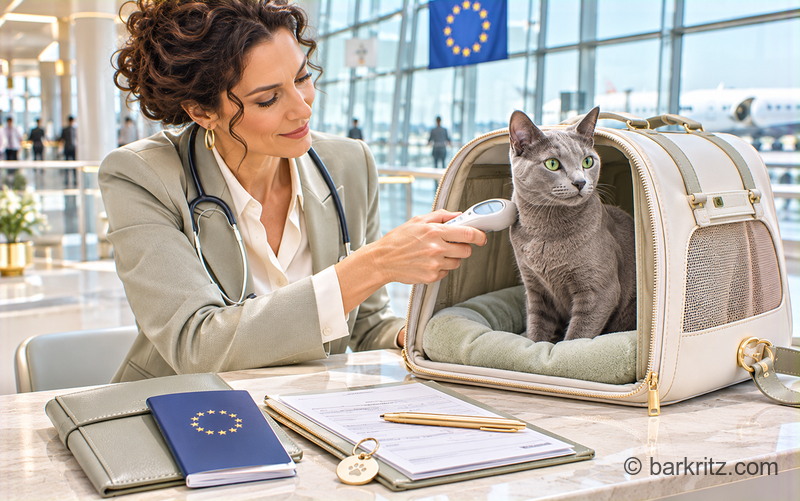
A pet traveling across European borders needs the appropriate identification, vaccination records, and official travel documentation required by every country on the itinerary.
International pet travel requires more preparation than simply bringing an animal’s vaccination booklet. Requirements depend on the country of origin, destination, route, and whether the journey takes place entirely within the European Union or includes non-EU countries.
For dogs, cats, and ferrets traveling between EU countries, the usual requirements include:
- Microchip identification: the animal must have an accepted identification microchip, generally implanted before the rabies vaccination used for travel.
- Valid rabies vaccination: vaccination must meet the applicable timing and validity requirements. For a first vaccination, a waiting period generally applies before travel.
- EU pet passport: issued by an authorized veterinarian in an EU country and used to document identification and vaccination information.
- EU animal health certificate: generally required for qualifying journeys entering the EU from a non-EU country, subject to applicable rules and exceptions.
- Additional country-specific requirements: certain destinations impose supplementary conditions, including specific tapeworm treatment requirements for dogs.
The distinction between EU and non-EU destinations is particularly important. Switzerland and Norway, for example, are not EU members, while the United Kingdom has its own pet-travel rules. A route that crosses several borders should therefore be checked country by country rather than planned around a single general assumption.
Some countries require dogs to receive an approved tapeworm treatment within a specified period before arrival. Finland, Ireland, Malta, and Norway are among the destinations associated with this additional requirement. The treatment must be administered and documented by an authorized veterinarian in accordance with the relevant rules.
Travelers arriving from outside the EU should also check whether a rabies antibody titration test, specific waiting period, or designated entry point is required for their circumstances. Requirements can differ according to the country of origin and its rabies status.
It is advisable to begin the documentation process well before departure. Confirm that the microchip number is recorded correctly, vaccination dates are valid, and all necessary certificates have been completed by an authorized professional.
Keep original documents accessible during the journey, together with digital copies stored securely. Border officials may request to inspect them, and having the paperwork organized makes the process considerably more straightforward.
Rules can change, so verify the current requirements with the official veterinary or government authorities of every country on the itinerary before departure. A veterinarian experienced in international pet travel can also help establish the correct sequence of vaccinations, treatments, and documentation.
How Can You Select Exceptional Pet-Friendly Hotels and Country Estates in Europe?

The finest pet-friendly accommodations combine genuine hospitality toward animals with comfortable rooms, suitable outdoor spaces, convenient walking access, and clearly communicated pet policies.
An elegant property is not necessarily a pet-friendly one, and a hotel that accepts dogs may still impose restrictions that affect the quality of the stay. Before booking, look beyond the general pet-welcome statement and establish exactly what the property offers.
Europe provides a variety of accommodation styles worth considering:
- Country estates in Tuscany and Provence: often offer expansive grounds, outdoor terraces, and a relaxed atmosphere suited to longer stays.
- Boutique hotels in historic towns: provide convenient access to restaurants, architecture, and cultural attractions, although outdoor space may be limited.
- Alpine retreats: can offer direct access to scenic walking routes and nature, subject to local trail conditions and seasonal restrictions.
- Coastal resorts: may provide easy access to promenades and beaches, although dogs can be restricted from certain beach areas.
- Private villas and serviced residences: offer greater privacy, dedicated outdoor space, and more flexibility around daily routines.
When evaluating a property, ask about its pet policy in detail. Some hotels accept dogs only below a specified weight, while others welcome larger breeds. Additional charges, limits on the number of animals, and restrictions on access to restaurants, spas, pools, or common areas may apply.
The most useful questions to ask before confirming a reservation include:
- Are dogs permitted in guest rooms and designated dining areas?
- Is there a pet fee or refundable deposit?
- Are there restrictions on breed, size, or the number of animals?
- Is a private terrace, garden, or nearby walking area available?
- Can pets be left unattended in the room, and under what conditions?
- Are pet beds, bowls, or other amenities provided?
- Is there a veterinarian or emergency animal clinic nearby?
The room itself deserves careful consideration. Ground-floor accommodation with direct outdoor access can be particularly convenient for dogs, while a quiet room away from elevators and busy corridors may suit animals that are easily unsettled.
For a more elevated experience, consider properties offering spacious suites, private gardens, or dedicated pet services. Some establishments provide welcome amenities, specialized menus, grooming arrangements, or access to professional pet-sitting services. Confirm availability in advance rather than assuming these facilities are included.
It is also worth checking local restrictions around hotel grounds and nearby public spaces. A property may welcome dogs while requiring them to remain leashed in gardens or excluding them from certain facilities.
A thoughtfully selected hotel should make the animal feel comfortable without compromising the experience of the human guests. The ideal accommodation is one where the pet is treated as a welcomed companion rather than an exception to the house rules.
How Can You Make Long-Distance Driving Comfortable and Safe for Your Pet?
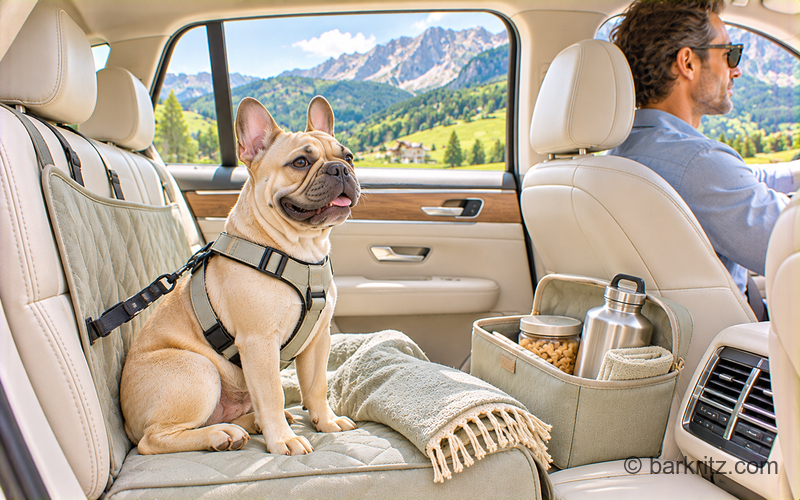
A comfortable European road trip requires a secure travel arrangement, regular rest stops, appropriate hydration, and a driving schedule adapted to the animal’s physical and behavioral needs.
The vehicle should be prepared before departure rather than organized at the last moment. Dogs should travel using an appropriately sized secured crate, a suitable vehicle harness, or another approved restraint system designed for safe transportation. Cats should travel in a secure, well-ventilated carrier that is properly restrained.
Allow the animal to become familiar with the travel equipment before the journey. Short practice drives can help identify signs of anxiety or motion sickness and provide an opportunity to make adjustments.
A well-organized travel kit should include:
- Secure transportation equipment: an appropriately fitted harness, restraint, or carrier.
- Familiar bedding: a blanket or cushion carrying recognizable household scents.
- Food and water: regular meals, fresh drinking water, and portable feeding bowls.
- Cleaning essentials: waste bags, absorbent pads, pet-safe wipes, and spare towels.
- Health documentation: identification details, vaccination records, medication information, and emergency contacts.
- Comfort items: familiar toys and a few favorite treats.
- Climate management: appropriate ventilation and temperature control throughout the journey.
Rest stops should be scheduled regularly, with the frequency adjusted to the animal’s age, health, and comfort. Dogs generally benefit from opportunities to walk, drink, relieve themselves, and explore a safe environment. Cats may prefer a quiet break inside a secure carrier rather than being taken into unfamiliar surroundings.
Never leave an animal unattended in a parked vehicle when temperatures may become uncomfortable or dangerous. Even apparently mild weather can cause the interior of a vehicle to heat rapidly. Air conditioning should never be treated as a substitute for direct supervision.
Feeding schedules also deserve attention. Large meals immediately before driving may increase discomfort in animals prone to motion sickness. Discuss suitable meal timing with a veterinarian, particularly if the pet has a history of nausea or anxiety during transportation.
For dogs, a comfortable travel routine may include:
- A relaxed walk before departure.
- A secure and familiar resting space in the vehicle.
- Regular opportunities to stretch and drink.
- A longer outdoor break after several hours of driving.
- A quiet evening after arrival rather than an immediate schedule of activities.
Cats generally require a more controlled environment. Keep them inside their secured carriers during stops unless there is a genuinely safe, enclosed area and an appropriate harness arrangement. Unfamiliar roadside environments present a significant risk of escape.
Temperature, ventilation, and restraint are essential considerations for every animal. The driver should never allow a pet to move freely around the passenger compartment or sit on a lap while the vehicle is moving.
The objective is to make transportation predictable and comfortable. A calm animal and a well-organized vehicle contribute far more to an enjoyable journey than an ambitious driving schedule.
What Should You Pack and Plan for a Refined Pet-Friendly European Itinerary?
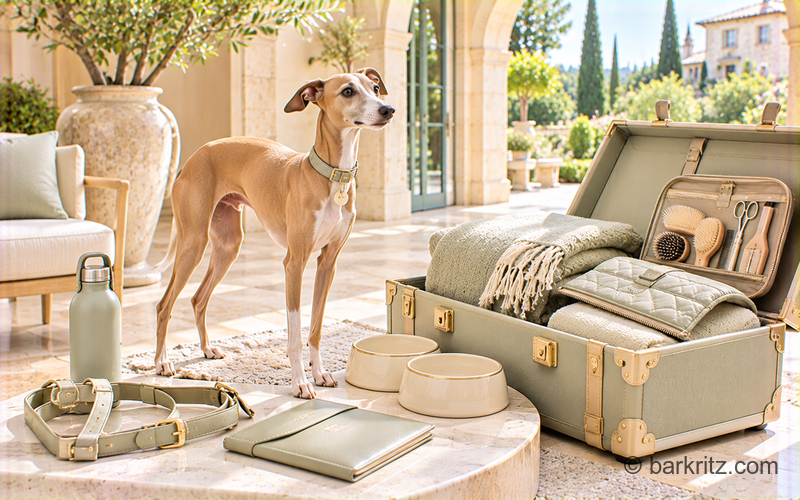
A well-curated pet-travel plan combines familiar everyday essentials, destination-specific equipment, suitable activities, and enough flexibility to accommodate the animal’s changing needs.
Packing for a European road trip is an exercise in thoughtful preparation. The goal is not to bring every item from home, but to ensure that the essentials are available wherever the itinerary leads.
Begin with the animal’s daily routine. Familiar food, regular medication, grooming supplies, and recognizable bedding can make unfamiliar accommodation feel more reassuring.
A considered packing list should include:
- Food and feeding accessories: sufficient food for the initial part of the journey, portable bowls, and airtight storage containers.
- Walking equipment: a well-fitted collar or harness, leash, identification tag, and waste bags.
- Sleeping essentials: a familiar bed or travel blanket.
- Grooming supplies: a brush, suitable cleaning products, towels, and basic coat-care accessories.
- Health supplies: prescribed medication, veterinary records, and a compact first-aid kit prepared with professional guidance.
- Weather protection: a suitable coat, cooling accessories, or protective equipment depending on the season and destination.
- Entertainment: familiar toys, puzzle feeders, and appropriate treats.
Activities should be selected with the same care as accommodation. A dog that enjoys long walks may appreciate countryside trails and coastal promenades, while a senior companion may prefer shorter excursions followed by relaxed afternoons at the hotel.
Research local rules before planning outdoor activities. Dogs may be restricted from certain beaches, nature reserves, public gardens, museums, and historic interiors. National parks and mountain routes can also impose seasonal or leash requirements.
Dining experiences can become a memorable part of the journey. Many European restaurants offer outdoor seating where dogs may be permitted, but individual policies vary. Contact the restaurant in advance, particularly when planning a special dinner or visiting a small establishment with limited terrace space.
A refined itinerary should also include time for spontaneous discoveries. An unplanned stop at a lakeside village, a quiet afternoon at a country estate, or a leisurely walk through a historic town can become the most memorable part of the journey.
Consider the following approach when structuring each day:
- Morning: a comfortable walk, breakfast, and a relaxed departure.
- Midday: a scenic drive with an appropriate rest stop and hydration break.
- Afternoon: arrival at the next destination, time to settle in, and a gentle activity.
- Evening: a pet-friendly dining arrangement or a quiet meal at the accommodation.
Finally, prepare a contingency plan. Keep contact information for veterinary clinics along the route, know how to reach emergency services, and identify an alternative accommodation option in case a reservation becomes unavailable or unsuitable.
The most rewarding road trips allow pets to participate without expecting them to adapt constantly to an exhausting schedule. A carefully chosen route, welcoming accommodations, safe transportation, and a flexible daily rhythm create the foundation for a journey that feels as enjoyable as it is memorable.
Europe is best discovered at a pace that leaves room for its landscapes, architecture, cuisine, and quieter moments. With thoughtful preparation, a pet-friendly road trip can offer precisely that experience: an elegant journey shaped around shared discoveries and the comfort of every traveling companion.