

Holistic Treatments for Common Pet Ailments
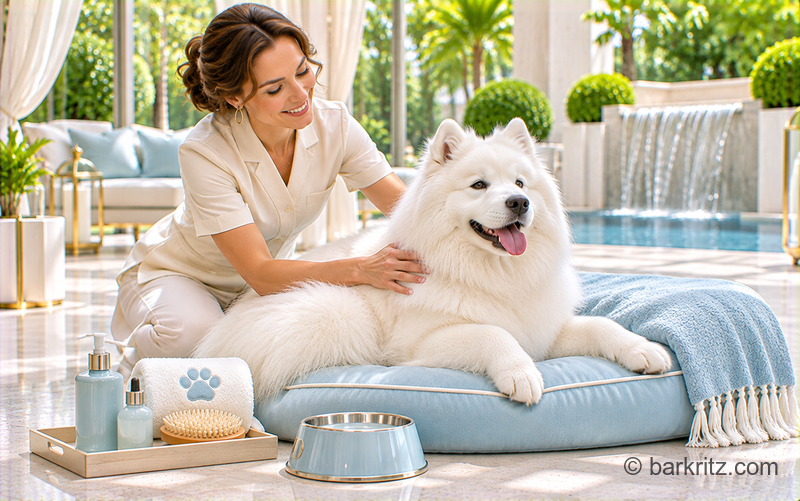
Modern pet wellness increasingly embraces a comprehensive approach to health, recognizing that an animal’s well-being depends on more than treating individual symptoms. Nutrition, physical activity, emotional balance, preventive veterinary care, and appropriate complementary therapies can all contribute to a healthier, more comfortable life.
For discerning pet owners, holistic care offers an opportunity to look at the whole animal: its age, breed, lifestyle, environment, medical history, and individual needs. A dog experiencing joint stiffness may benefit from a carefully designed combination of veterinary treatment, weight management, and physical rehabilitation. A cat with recurring digestive sensitivity may require dietary adjustments alongside appropriate diagnostic investigation.
The most responsible approach is integrative rather than alternative. Complementary treatments should work alongside evidence-based veterinary medicine, not replace necessary diagnosis, medication, or emergency care. Understanding which therapies may help, where their limitations lie, and when professional supervision is essential allows owners to make more informed decisions about their companions’ health.
Which Holistic Treatments Can Help Pets With Joint Pain and Mobility Problems?

For pets experiencing joint discomfort, an individualized combination of veterinary treatment, controlled exercise, weight management, and professionally supervised rehabilitation can help preserve mobility and improve daily comfort.
Joint stiffness is particularly common in senior animals and certain breeds predisposed to orthopedic conditions. Osteoarthritis, previous injuries, excess body weight, and age-related changes can all affect the way a pet walks, climbs stairs, or rises after resting.
An integrative wellness plan may incorporate several complementary approaches:
- Veterinary physiotherapy: targeted exercises help maintain strength, balance, and functional movement.
- Hydrotherapy: supervised swimming or underwater treadmill sessions can provide low-impact exercise for suitable patients.
- Therapeutic massage: professionally performed techniques may help relieve muscle tension and support relaxation, although they do not reverse joint degeneration.
- Weight management: maintaining an appropriate body condition reduces unnecessary mechanical stress on joints.
- Environmental adjustments: non-slip flooring, supportive bedding, ramps, and accessible resting areas can make everyday movement easier.
- Appropriate medication: veterinarian-prescribed pain relief and anti-inflammatory treatment may be essential for controlling discomfort and maintaining quality of life.
Acupuncture is another complementary therapy sometimes incorporated into veterinary pain-management programs. It involves the placement of fine needles at specific anatomical points and may be considered for selected patients under the supervision of a veterinarian trained in the technique. Evidence varies according to the condition being treated, and it should not be presented as a replacement for established arthritis management.
Nutritional support may also be discussed as part of a broader plan. Omega-3 fatty acids, particularly EPA and DHA, have evidence supporting their use in certain dogs with osteoarthritis. However, product quality, dosage, other medications, and individual health conditions must be considered before supplementation.
Owners should pay attention to subtle changes in movement. Reluctance to jump, shorter walks, difficulty rising, altered posture, and reduced interest in play may all indicate discomfort.
The objective of holistic mobility care is not simply to encourage more activity, but to make appropriate movement comfortable and sustainable. A veterinarian can help determine which exercises are suitable and whether imaging, medication, or specialist orthopedic assessment is necessary.
How Can Holistic Care Support Pets With Digestive Sensitivity?
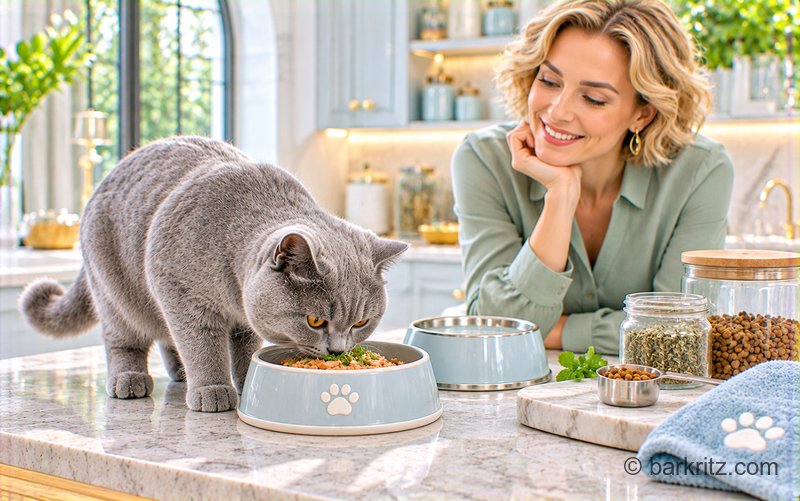
Digestive sensitivity is best managed through veterinary assessment, an appropriate diet, consistent feeding routines, and carefully selected supportive measures that address the underlying cause rather than merely suppressing symptoms.
Vomiting, loose stools, excessive gas, and changes in appetite can have numerous explanations, including food intolerance, dietary indiscretion, parasites, infections, inflammatory conditions, and other medical disorders. Recurrent digestive problems should therefore never be dismissed as ordinary sensitivity without investigation.
Once a veterinarian has assessed the animal, a more comprehensive digestive wellness plan may include:
- Individualized nutrition: a complete and balanced diet selected according to the pet’s age, health, and nutritional requirements.
- Controlled dietary trials: veterinarian-supervised elimination diets can help investigate suspected food allergies or intolerances.
- Appropriate fiber intake: certain types of dietary fiber can support stool quality and intestinal function.
- Probiotics: selected veterinary probiotic products may help support gastrointestinal health in particular circumstances.
- Consistent feeding schedules: predictable meal times and appropriate portion sizes can help maintain dietary stability.
- Hydration: access to fresh water is essential, particularly when digestive disturbances involve fluid loss.
Probiotics deserve particular attention because not all products are interchangeable. Their effects can depend on the bacterial strain, formulation, dosage, and condition being addressed. A supplement marketed for general digestive wellness is not necessarily appropriate for every animal.
Prebiotics, which provide substrates used by beneficial intestinal microorganisms, may also be incorporated into certain veterinary diets. Some formulations combine prebiotics and probiotics, but their suitability should be evaluated individually.
Bone broth, herbal preparations, and homemade diets are sometimes promoted as natural digestive remedies. However, these options require caution. Broths may contain excessive salt, onion, garlic, or other unsuitable ingredients, while unbalanced homemade diets can create nutritional deficiencies over time. Herbal products may also interact with medications or cause adverse reactions.
A particularly important distinction is between occasional mild digestive upset and persistent or severe symptoms. Repeated vomiting, bloody diarrhea, abdominal pain, dehydration, marked lethargy, or inability to keep water down warrants prompt veterinary attention.
For pets with recurring digestive concerns, a carefully documented feeding history can be extremely useful. Recording meals, treats, stool consistency, appetite, and symptom frequency helps a veterinarian identify patterns and evaluate whether dietary changes are producing meaningful improvements.
Which Natural and Complementary Therapies May Help Pets With Anxiety and Stress?

The most effective holistic approach to pet anxiety combines behavioral assessment, environmental enrichment, predictable routines, and veterinarian-guided complementary support when appropriate.
Stress in companion animals can arise from separation, unfamiliar surroundings, loud noises, changes in household routines, previous negative experiences, or underlying medical discomfort. Dogs may respond with excessive vocalization, pacing, destructive behavior, or persistent restlessness. Cats may hide, overgroom, avoid their litter trays, or become unusually withdrawn.
A comprehensive wellness strategy begins by identifying the trigger rather than simply attempting to suppress the visible behavior.
Several supportive approaches may be useful:
- Environmental enrichment: interactive toys, puzzle feeders, climbing structures, and appropriate exploration opportunities provide mental stimulation.
- Predictable routines: consistent feeding, walking, resting, and play schedules can create a greater sense of security.
- Positive-reinforcement training: gradual reward-based exercises can help pets develop confidence in situations they previously found difficult.
- Quiet resting areas: designated spaces away from household traffic allow animals to retreat when they need privacy.
- Pheromone products: certain synthetic feline or canine pheromone products may help selected animals, although individual responses vary.
- Behavioral therapy: a qualified veterinary behaviorist can develop a structured plan for persistent or severe anxiety.
Acupuncture and massage may be considered as complementary relaxation measures in selected cases, particularly when performed by appropriately trained veterinary professionals. Their usefulness for anxiety itself is less established than the role of environmental management and behavioral modification.
Aromatherapy requires special caution around pets. Essential oils are not automatically safe because they are plant-derived. Cats, in particular, can be sensitive to certain compounds, and concentrated oils may cause poisoning through inhalation, skin contact, or ingestion. Diffusers should not be introduced casually into an animal’s environment.
Some owners also consider calming supplements containing ingredients such as L-theanine or alpha-casozepine. Evidence is product- and condition-specific, and these products should be discussed with a veterinarian before use, especially when an animal takes medication or has an existing health condition.
The most important principle is to respect the animal’s individual stress signals. A pet that withdraws, refuses food, or repeatedly attempts to escape should not be forced into interaction. Gentle, gradual changes are generally more appropriate than overwhelming exposure.
When anxiety significantly affects eating, sleeping, social interaction, or everyday functioning, professional behavioral support is essential. In some cases, prescription medication forms an important part of responsible treatment and can be combined with behavioral and environmental interventions.
How Can Holistic Skin and Coat Care Help Pets With Itching and Irritation?
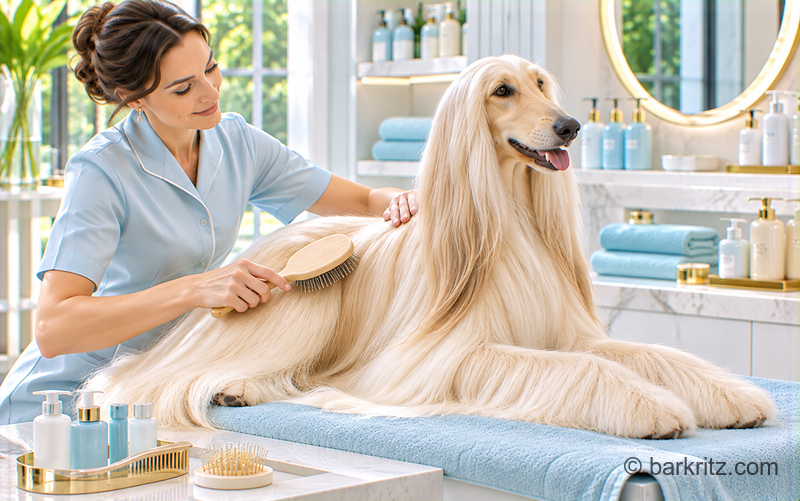
Healthy skin and a well-maintained coat depend on identifying the source of irritation, supporting the skin barrier, providing balanced nutrition, and using veterinary-approved grooming and treatment products.
Itching, redness, excessive shedding, flaky skin, and recurring ear problems can indicate allergies, parasites, infections, hormonal disorders, or other underlying conditions. Although grooming and nutritional support can contribute to skin health, persistent symptoms require veterinary investigation.
A comprehensive skin-care routine may incorporate several measures:
- Appropriate bathing: gentle veterinary-approved shampoos can remove allergens, excess oils, and environmental debris when used according to instructions.
- Regular brushing: suitable brushes help remove loose hair, distribute natural oils, and reveal changes in the skin.
- Omega-3 fatty acids: veterinarian-recommended supplements may support skin-barrier function and help manage certain inflammatory skin conditions.
- Parasite prevention: appropriate flea and tick control is essential because parasite-related irritation can be severe even when parasites are difficult to spot.
- Dietary assessment: suspected food-related skin reactions may require a structured elimination diet under veterinary supervision.
- Environmental management: regular cleaning of bedding and attention to potential irritants can help reduce exposure to certain triggers.
The quality of the grooming products matters. Strong fragrances, harsh detergents, and unsuitable human shampoos may irritate sensitive skin or disrupt its natural protective barrier. Products should be selected according to the animal’s species, skin condition, and veterinary recommendations.
Some owners explore topical botanical preparations, including aloe-based products or herbal balms. These should not be applied indiscriminately. Certain plants and essential oils can be toxic, and pets may ingest topical substances while grooming themselves. Open wounds, infected areas, and persistent inflammation require professional assessment rather than home treatment.
Nutrition is another important component. A complete and balanced diet supplies the protein, essential fatty acids, vitamins, and minerals needed for normal skin and coat maintenance. However, additional supplements are not necessarily beneficial when an animal already receives an appropriately formulated diet.
A sudden change in coat condition can sometimes provide an early indication of a broader health problem. Persistent itching, hair loss, sores, unpleasant odors, or recurrent ear inflammation should be evaluated rather than managed exclusively through cosmetic grooming.
A carefully coordinated routine can help maintain a comfortable skin barrier and attractive coat, but the best results come from treating the underlying condition rather than relying on surface-level remedies.
How Should Owners Build a Safe Holistic Wellness Plan for Their Pets?

A safe holistic wellness plan begins with a veterinary examination and combines appropriate medical treatment, individualized nutrition, preventive care, physical activity, and carefully evaluated complementary therapies.
The most valuable aspect of holistic care is its attention to the relationship between different elements of an animal’s health. Nutrition affects body condition, movement influences joint function, stress can affect digestion, and chronic discomfort may alter behavior. Considering these factors together can provide a more complete understanding of a pet’s needs.
An effective wellness plan should include several foundations:
- Routine veterinary examinations: regular assessments help identify emerging conditions and establish appropriate preventive-care schedules.
- Species-appropriate nutrition: diets should provide complete and balanced nourishment rather than relying on fashionable ingredients or unverified dietary trends.
- Healthy body condition: appropriate portion sizes and suitable activity help reduce preventable health risks.
- Dental maintenance: regular toothbrushing with pet-specific products and professional dental examinations support oral health.
- Physical and mental enrichment: daily movement, interactive play, and opportunities for exploration contribute to overall well-being.
- Preventive protection: vaccinations, parasite control, and screening should be tailored to the animal’s age, lifestyle, and individual risk factors.
- Responsible supplementation: every supplement should have a clear purpose, appropriate quality standards, and professional approval.
When evaluating complementary therapies, owners should consider the strength of the available evidence, the qualifications of the practitioner, potential adverse effects, and interactions with existing medication. A treatment described as natural is not automatically harmless, and a product marketed for wellness is not necessarily supported by reliable clinical evidence.
It is also worth distinguishing between therapies with established roles and those whose benefits remain uncertain. Veterinary rehabilitation, selected nutritional interventions, and certain behavioral approaches have recognized applications. By contrast, homeopathy, unverified detoxification programs, and many unregulated herbal preparations lack convincing evidence for treating common pet ailments and should never delay appropriate medical care.
A useful practice is to maintain a simple health record documenting appetite, weight, activity, medication, supplements, behavioral changes, and recurring symptoms. This information can help the veterinarian assess whether an intervention is genuinely improving the animal’s condition.
Owners should seek urgent veterinary attention for breathing difficulties, collapse, seizures, suspected poisoning, severe bleeding, sudden abdominal swelling, or other signs of serious illness. Complementary treatments are not appropriate substitutes for emergency medicine.
Ultimately, holistic pet wellness is not about choosing between conventional veterinary care and natural approaches. It is about combining responsible medical treatment with thoughtful attention to the animal’s daily environment, nutrition, comfort, and emotional needs. When every element is selected with professional guidance and the individual pet in mind, comprehensive care becomes a meaningful investment in a longer, healthier, and more comfortable life.